
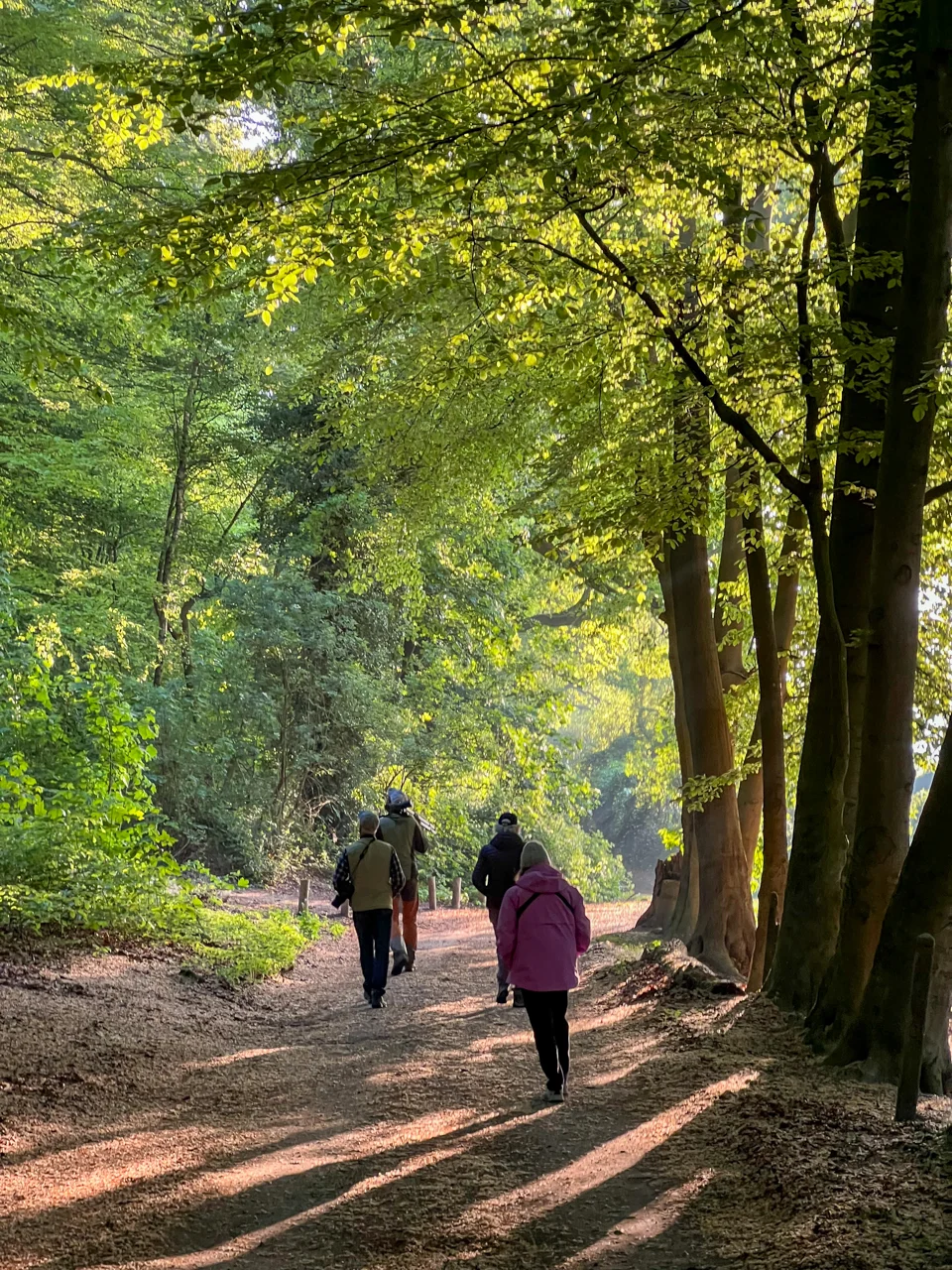
The Netherlands, a nation defined by its intricate relationship with water and land reclamation, serves as a critical nexus for avian migration along the East Atlantic Flyway. A recent 11-day ornithological expedition across the country’s diverse ecosystems—ranging from the reclaimed polders of Flevoland to the ancient heathlands of the Hoge Veluwe—has highlighted the success of Dutch conservation efforts and the ongoing challenges facing migratory species. This comprehensive survey, conducted during the peak spring migration window, provided a detailed look at the health of resident populations and the arrival of trans-Saharan migrants, documenting a vast array of species that rely on the Netherlands’ strictly managed habitats.
The Ecological Significance of the Dutch Landscape
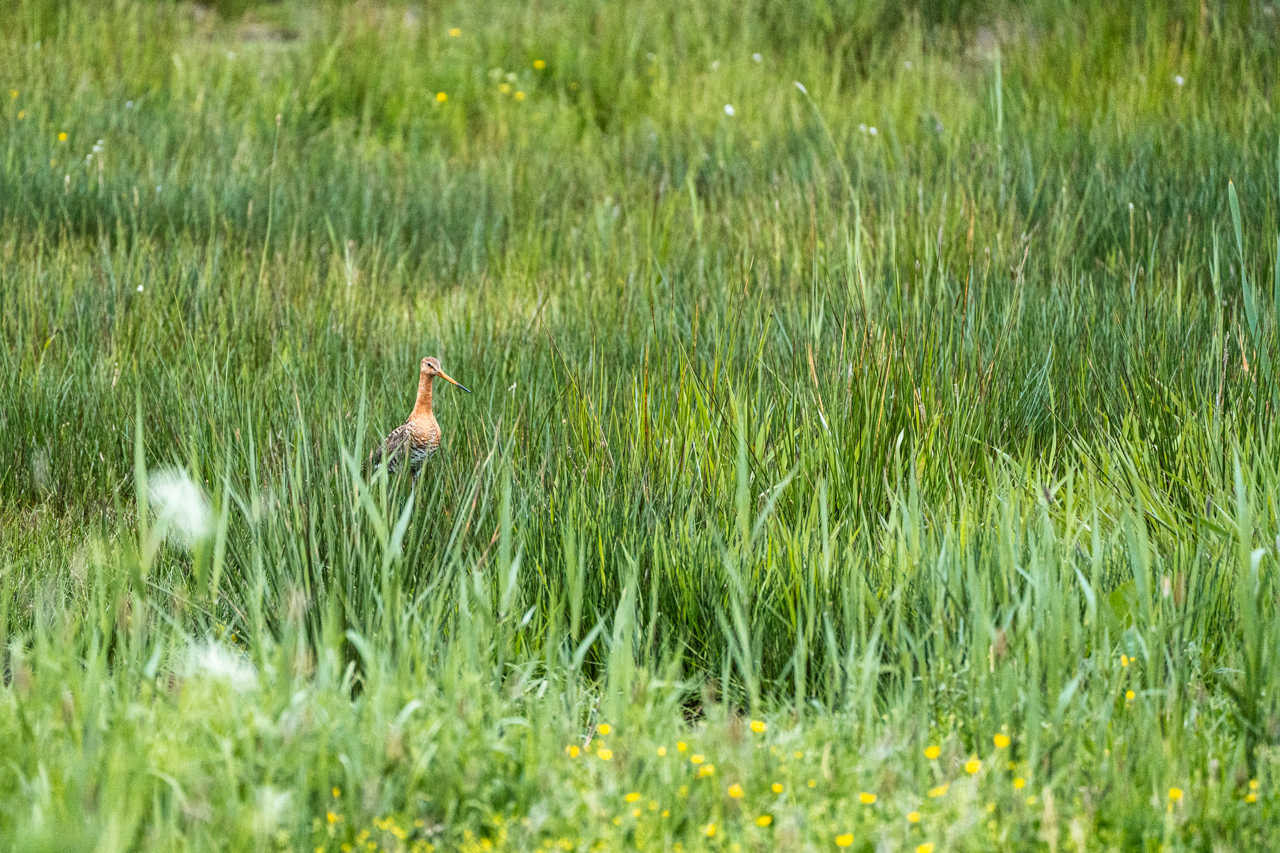
To understand the results of this 11-day survey, one must consider the geographical context of the Netherlands. Nearly a third of the country lies below sea level, protected by a sophisticated system of dikes and pumps. This "polder" landscape has created unique wetland opportunities that are found nowhere else in Europe. Managed meadows, such as the Landje van Geijsel, are deliberately flooded during the spring to provide "stopover" points for shorebirds. These areas are vital for species like the Black-tailed Godwit (Limosa limosa), the national bird of the Netherlands, which has faced significant population declines due to intensive agricultural practices across the continent.
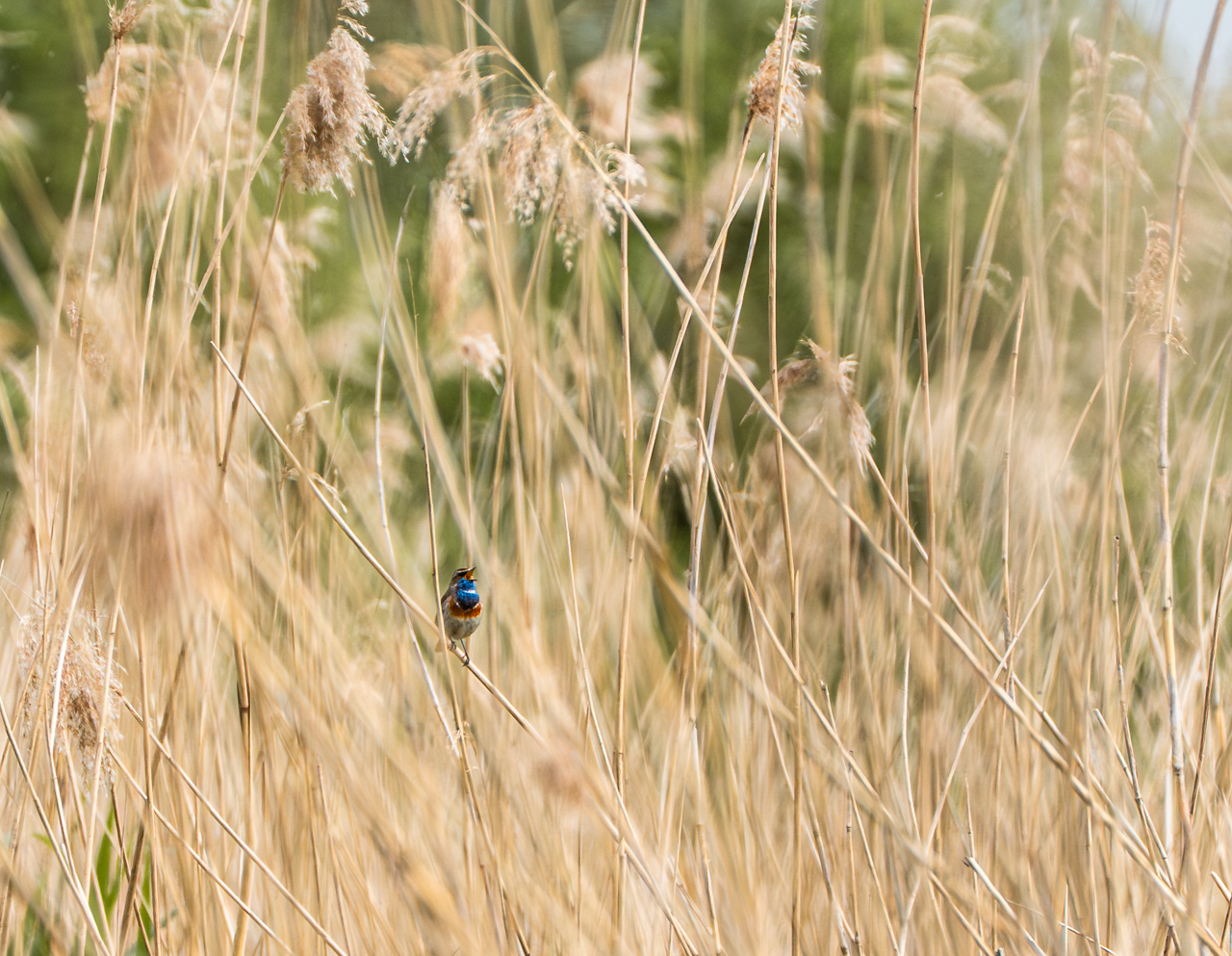
The expedition began in the Schinkelbos, a nascent forest area within the Amsterdam Bos. Despite its proximity to a major metropolitan hub, the area recorded high biodiversity, including the Common Cuckoo (Cuculus canorus) and the Bluethroat (Luscinia svecica). The presence of the Bluethroat, a species that favors reed beds and scrubby wetlands, serves as a bio-indicator of the health of the urban-fringe ecosystems.
Chronology of the Expedition: From Polders to National Parks
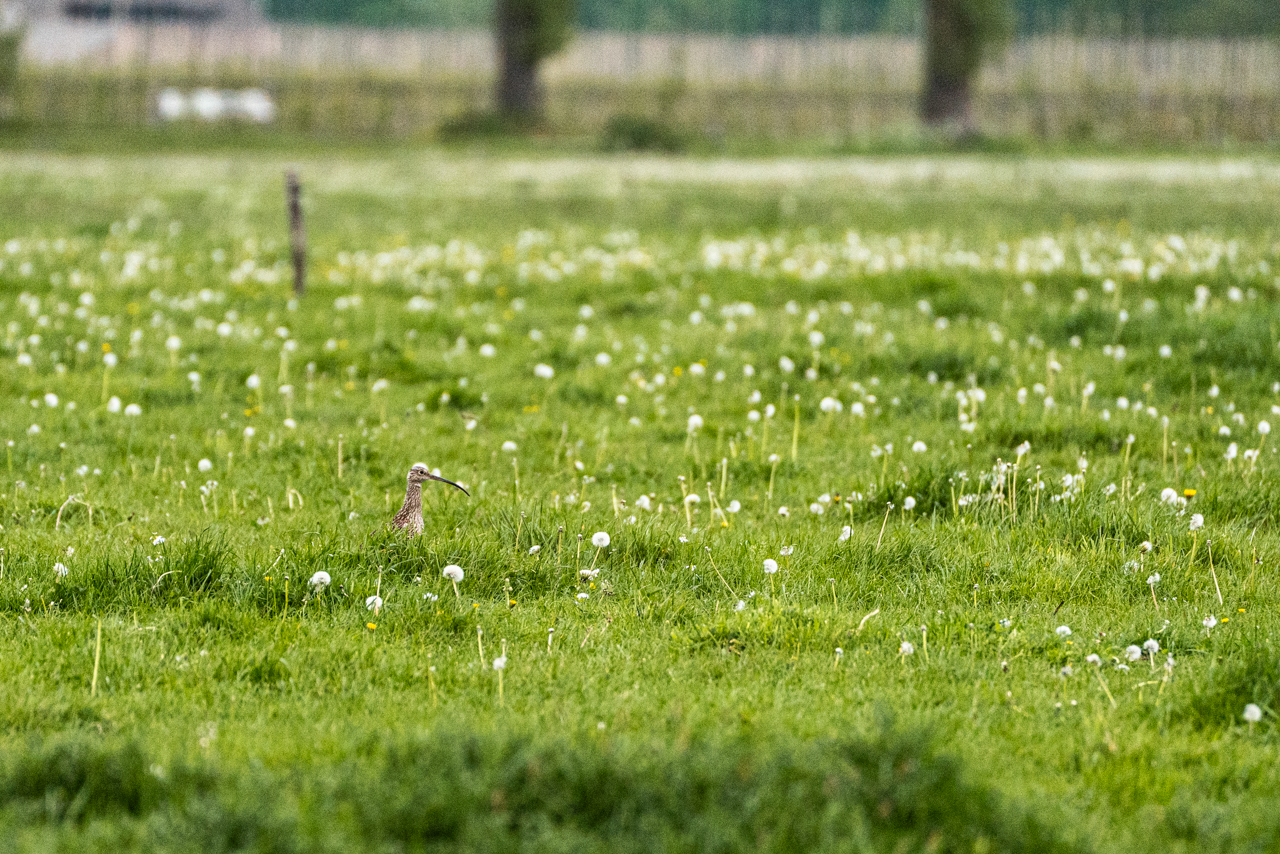
The survey moved eastward toward Arnhem, transitioning from urban forests to the "wet meadow" management zones. At Landje van Geijsel and the Binnenveldse Hooilanden, researchers observed the competitive dynamics between species, including Godwits and Northern Lapwings (Vanellus vanellus) defending nesting territories against predators such as the Common Pheasant. This area also proved fruitful for observing raptor activity, with White-tailed Eagles (Haliaeetus albicilla) and Ospreys (Pandion haliaetus) utilizing the thermals over the Zouweboezem reed beds.
The Hoge Veluwe and the High Moors
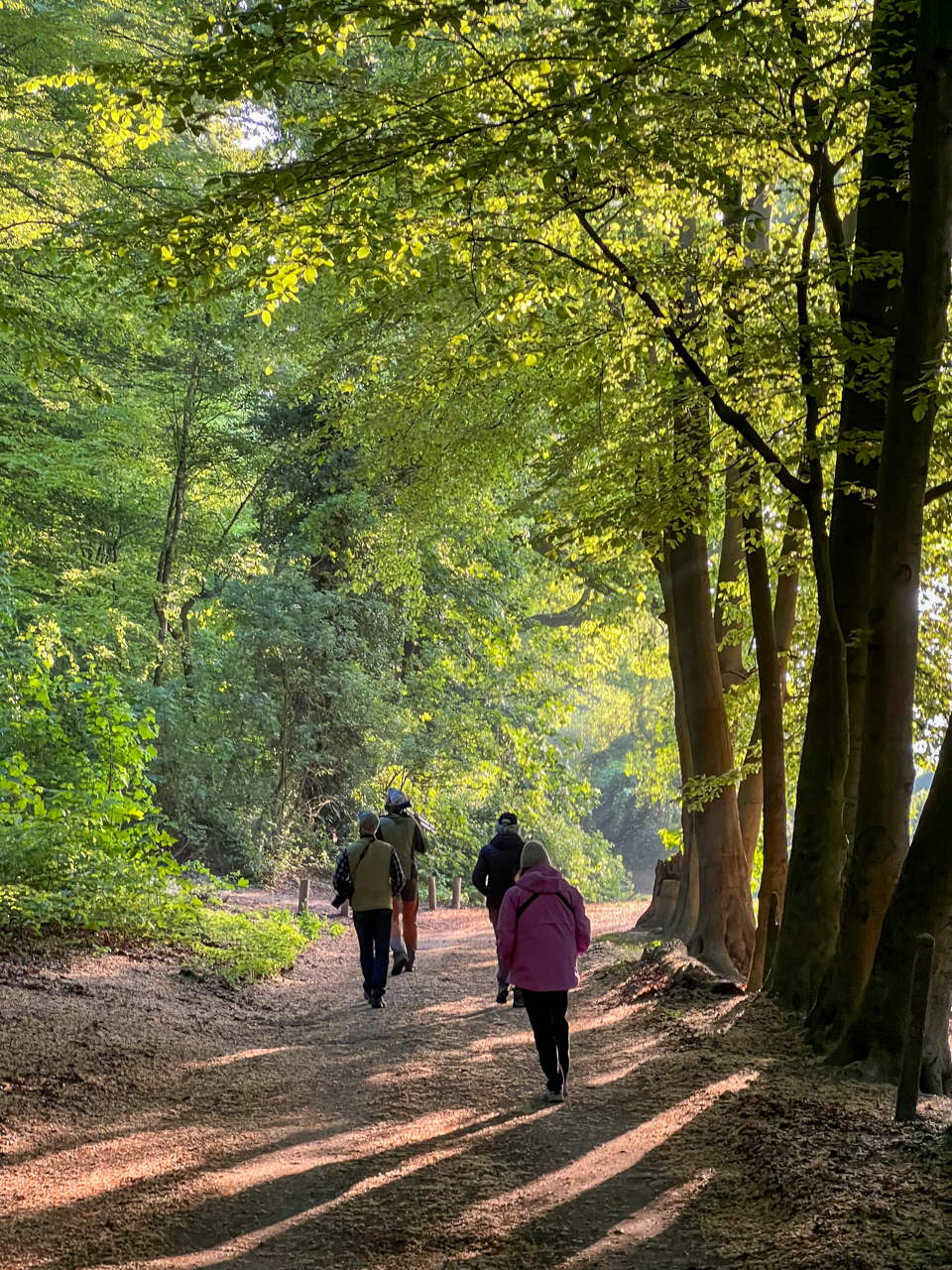
On the third day, the focus shifted to the Hoge Veluwe National Park. Unlike the wetland-dominated regions, the Hoge Veluwe is a private estate characterized by sand dunes, heathland, and woodlands. This habitat is essential for the European Pied Flycatcher (Ficedula hypoleuca) and the Crested Tit (Lophophanes cristatus). The survey noted the presence of the Black Woodpecker (Dryocopus martius), Europe’s largest woodpecker, which requires mature beech forests for nesting. While sightings were brief, the presence of old nesting hollows indicates a stable, albeit elusive, population.
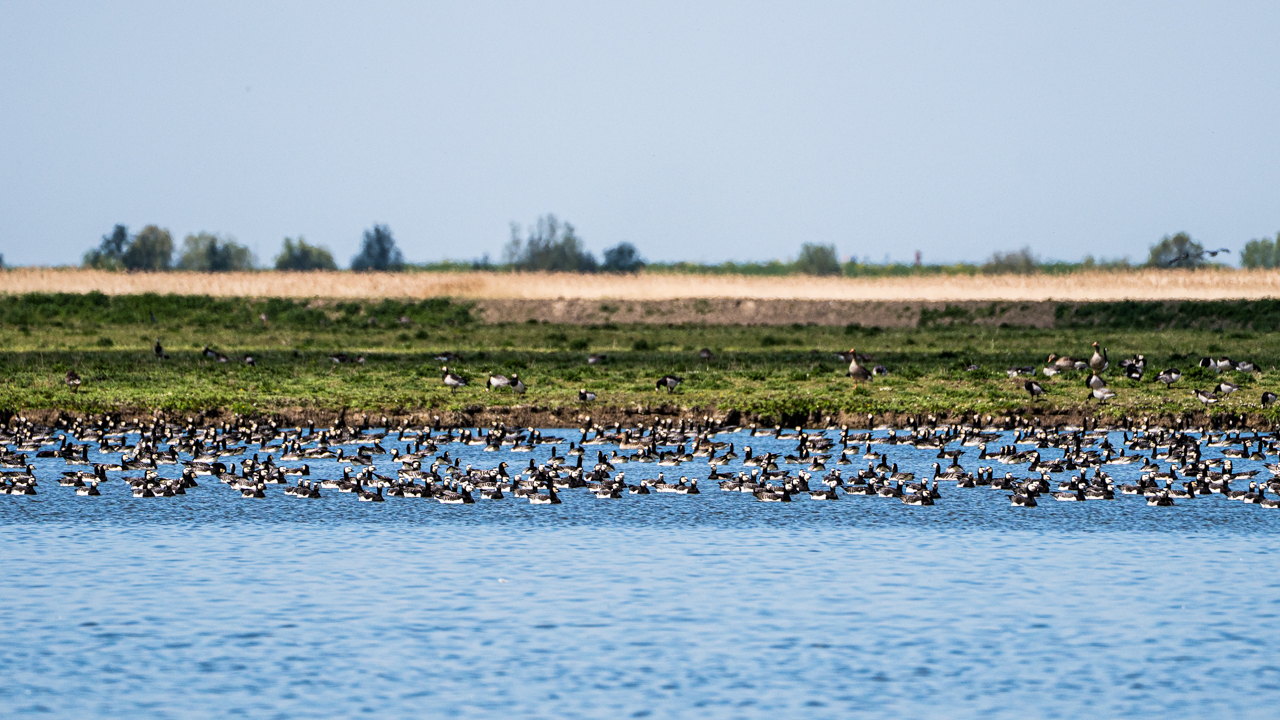
The transition to the Oostvaardersplassen on Day 4 provided a look at one of Europe’s most famous—and controversial—rewilding experiments. Reclaimed from the sea in the 1960s, this area in Flevoland was left to develop naturally. The result is a massive wetland that supports thousands of Barnacle Geese (Branta leucopsis) and a high density of Western Marsh Harriers. The survey recorded the "flushing" behavior of geese in response to White-tailed Eagle flybys, a natural predator-prey dynamic that has been restored to the region.
Aquatic Restoration in Weerribben-Wieden
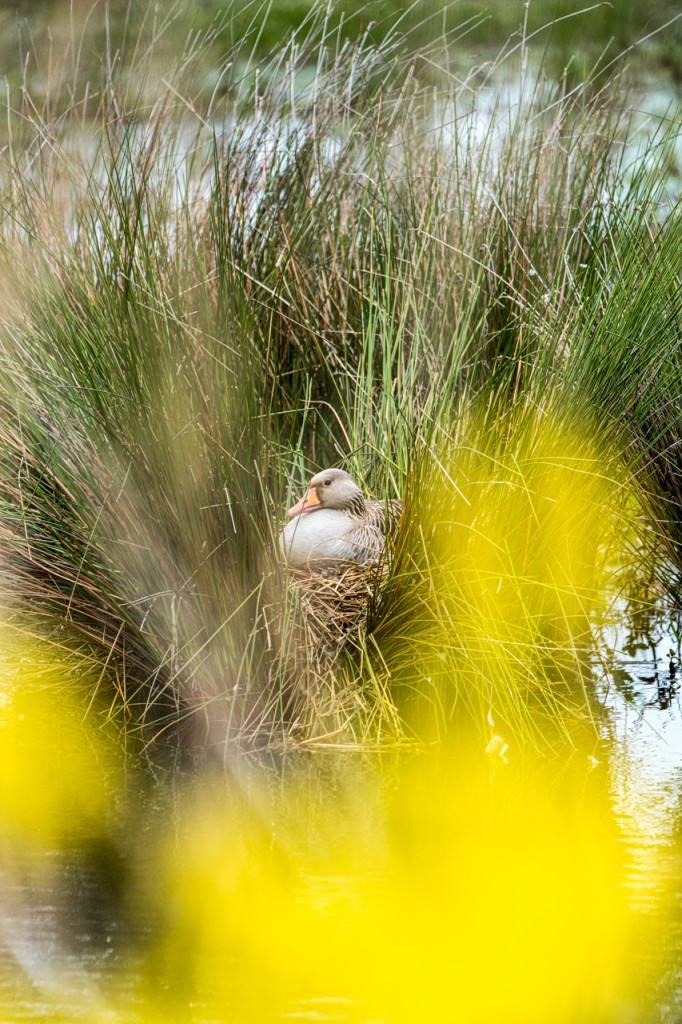
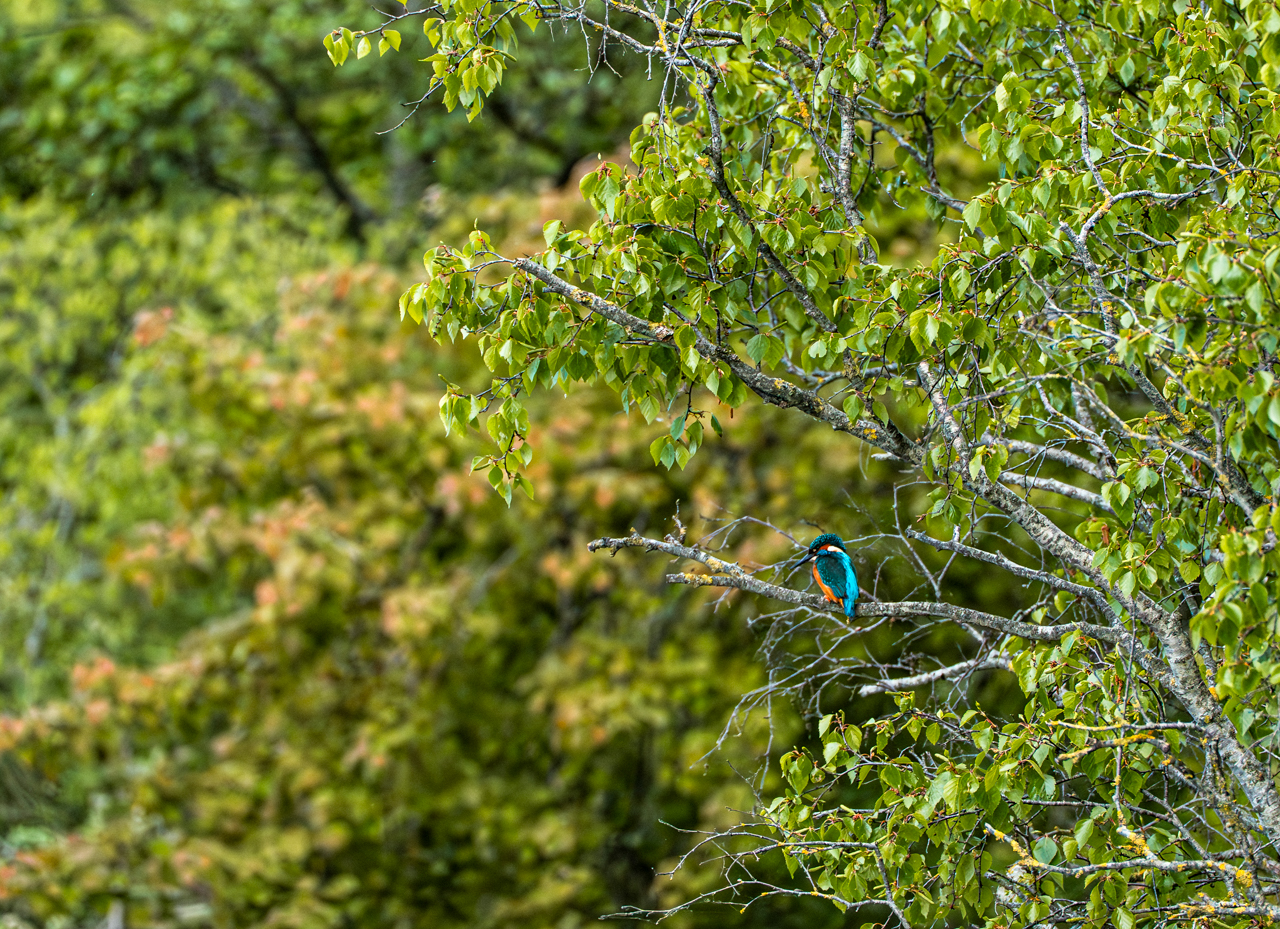
The middle of the expedition focused on the Weerribben-Wieden National Park, a landscape shaped by historical peat extraction. The reintroduction of the Eurasian Otter (Lutra lutra) in the early 2000s marked a turning point for this park. While the otters remained hidden during this survey, their habitat supported a vibrant population of Common Kingfishers (Alcedo atthis) and a massive colony of Bank Swallows (Riparia riparia).
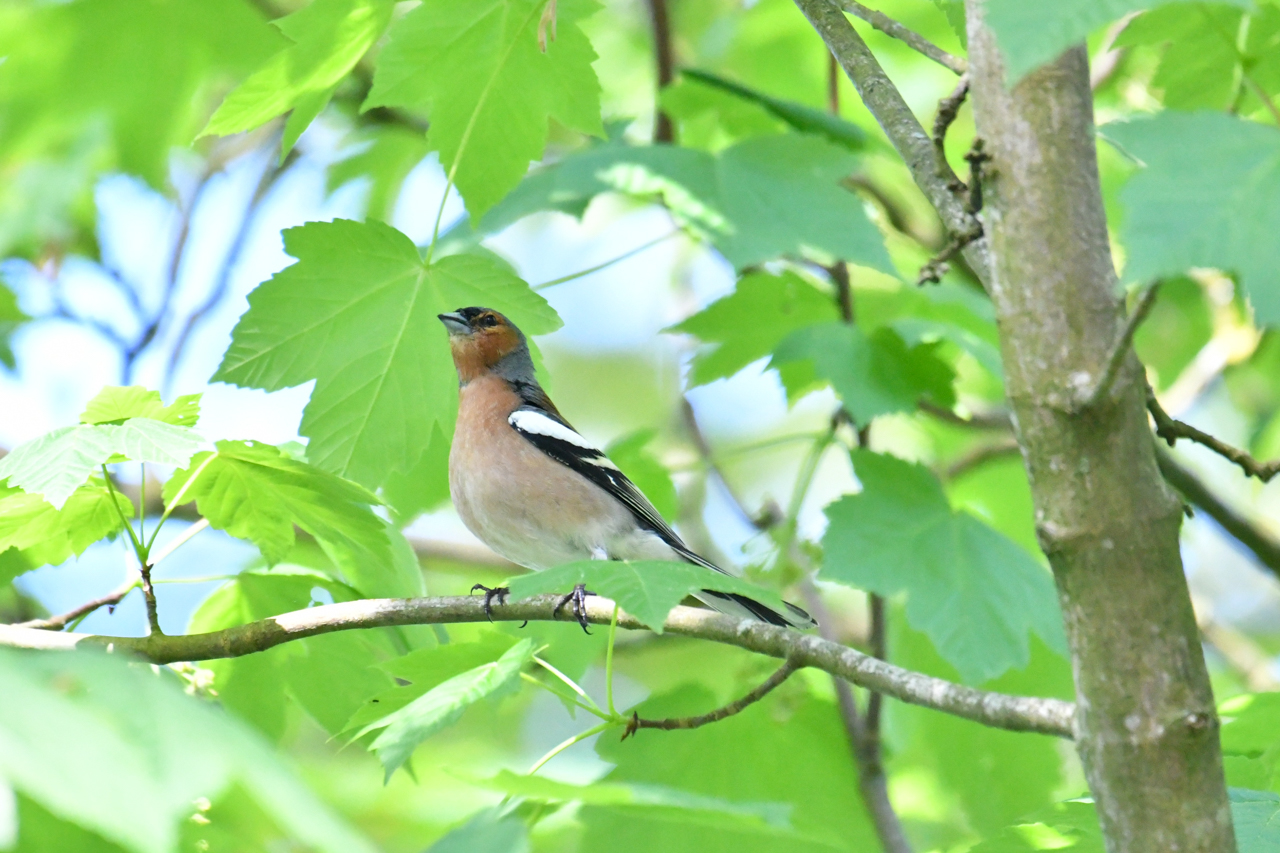
Further north, the survey reached the Lauwersmeer National Park, a former sea arm dammed in 1969. This area has evolved into a premier wetland for rare migrants. The observation of Eurasian Dotterels (Charadrius morinellus) resting among Golden Plovers highlighted the park’s role as a vital resting station for birds heading toward the Arctic tundra.
Technical Data and Species Observations
The expedition documented several "high-value" sightings that provide data on the shifting patterns of European birdlife:
- Raptor Density: The observation of eight individual White-tailed Eagles at Jaap Deensgat suggests a robust recovery of this apex predator in the Netherlands, following decades of absence.
- Migratory Timing: The arrival of Temminck’s Stints and the presence of Ruff in breeding plumage indicate that the spring migration was proceeding on a standard phenological schedule, despite unseasonably cold North Sea winds.
- Rare Species Presence: The sighting of a Red-breasted Goose (Branta ruficollis) on Texel is significant. This species usually overwinters in the Black Sea region; its presence in the Wadden Sea suggests either a shift in migratory straying or an increasing utilization of Dutch polders by rare Arctic vagrants.
The Wadden Sea and Texel: A UNESCO Heritage Focus
The latter stages of the survey focused on the island of Texel and the Wadden Sea, a UNESCO World Heritage site. This region is arguably the most important intertidal zone in the world for migratory birds. On Texel, the survey documented the resilience of Sandwich Tern (Thalasseus sandvicensis) colonies. These populations were decimated by avian influenza in 2022, but the 2024 observations of thousands of breeding pairs suggest a significant, though fragile, recovery.
The intertidal flats of Mokbaai provided crucial data on the foraging habits of Bar-tailed Godwits (Limosa lapponica). As the tide rises, these birds concentrate in "high-tide roosts," allowing for accurate population counts. The survey noted large numbers of these birds in full breeding plumage, preparing for their non-stop flight to Siberian breeding grounds.
Conservation Implications and Analysis
The findings of this 11-day expedition underscore the "managed" nature of Dutch biodiversity. Unlike the vast wilderness areas of North America or Asia, the Netherlands’ avian populations rely on highly engineered environments. The success of species like the Bluethroat and the White-tailed Eagle is a direct result of policy-driven habitat restoration.
However, the survey also highlighted the vulnerability of "meadow birds." While Godwits were seen in managed areas, they are increasingly absent from traditional dairy farms due to early mowing and the lowering of groundwater levels. Conservationists in the Netherlands are currently advocating for "nature-inclusive" agriculture to bridge the gap between high-yield farming and biodiversity.
The Role of Citizen Science and Tourism
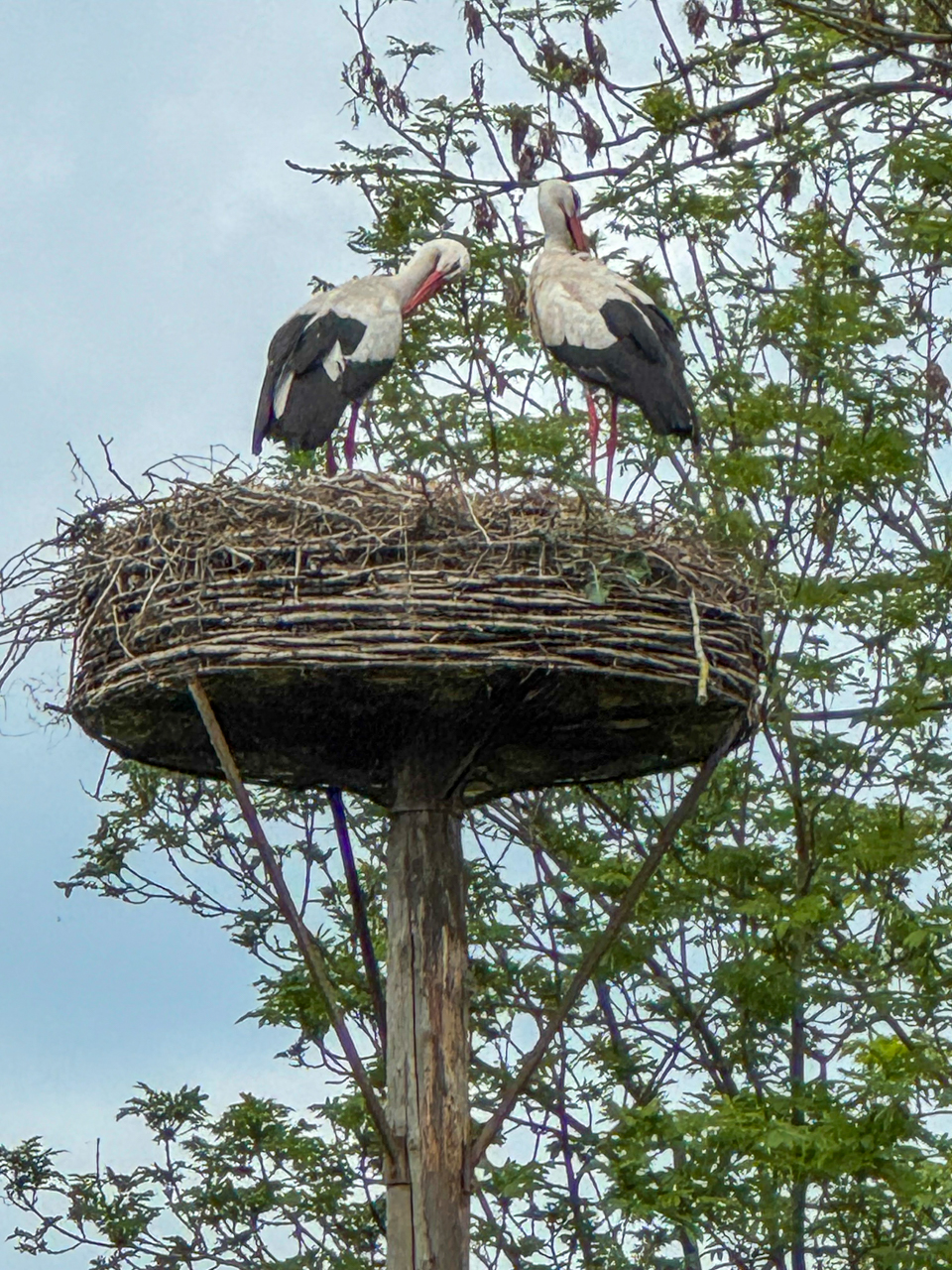
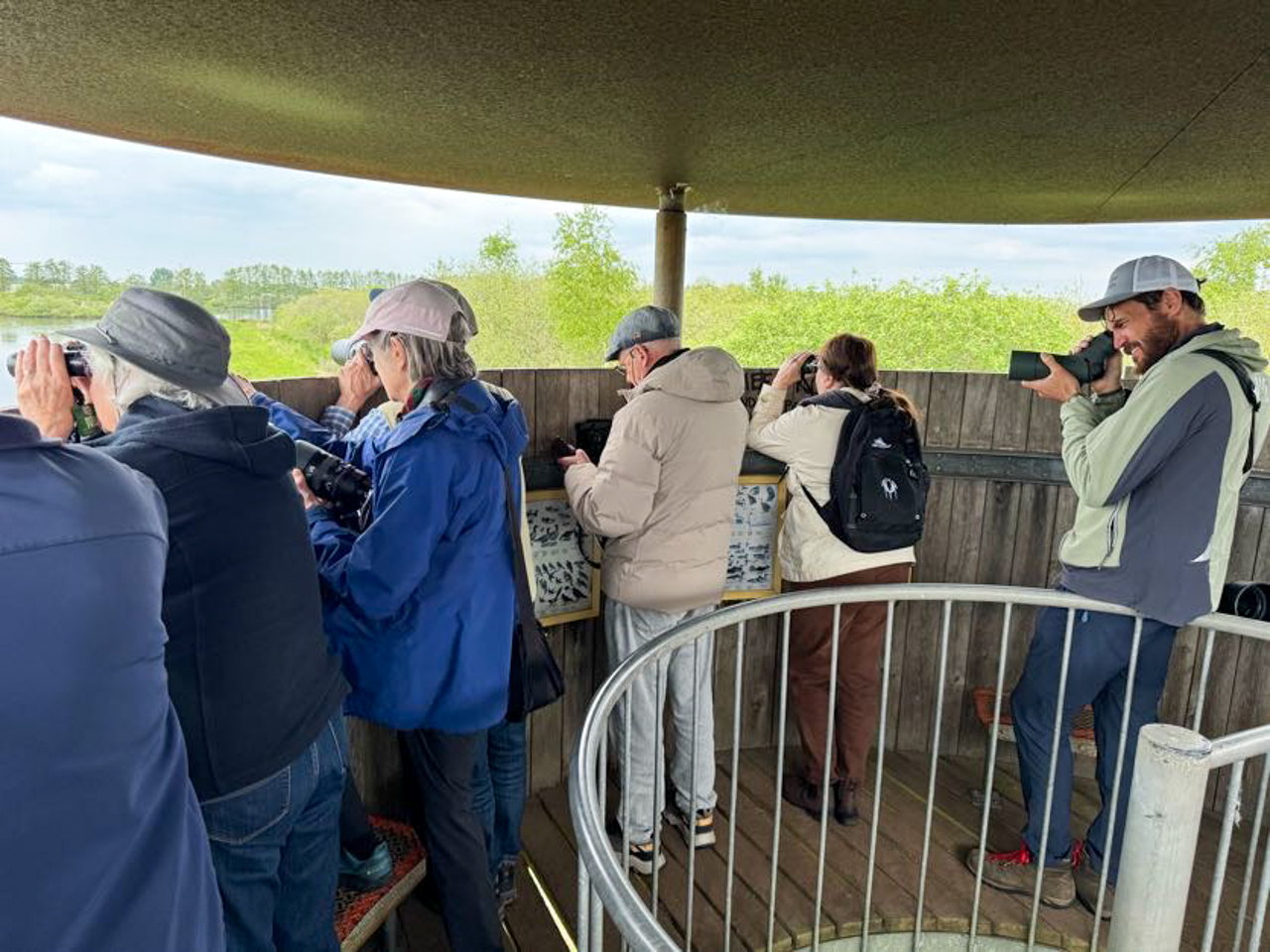
The presence of "birding towers" and hides—such as the one at It Hegewiersterfjild—demonstrates the integration of eco-tourism into the Dutch conservation model. By providing infrastructure for birdwatchers, the Netherlands fosters a public appreciation for biodiversity that translates into political support for conservation funding. The expedition noted that even in busy tourist hubs like Giethoorn, rare species like the Common Redstart and White Stork continue to nest, provided their specific habitat requirements (such as nesting platforms) are met.
Conclusion: A Model for European Biodiversity
The final day of the survey at Zwanewater and the Amsterdam water catchment area provided a closing look at the diversity of Dutch habitats. The sighting of the Common Firecrest (Regulus ignicapilla), one of Europe’s smallest birds, served as a reminder of the micro-habitats that exist within the country’s dunes and forests.
This 11-day survey confirms that the Netherlands remains a powerhouse of European ornithology. The combination of ancient heathlands, reclaimed polders, and intertidal zones creates a mosaic of habitats that support both resident specialists and long-distance migrants. As climate change continues to alter migration routes and habitat suitability, the continued monitoring and management of these Dutch landscapes will be essential for the survival of the East Atlantic Flyway’s avian travelers. The data gathered suggests a landscape in transition—recovering from past industrial use and navigating modern ecological pressures, yet still capable of hosting some of the most spectacular avian displays in the Western Hemisphere.
