
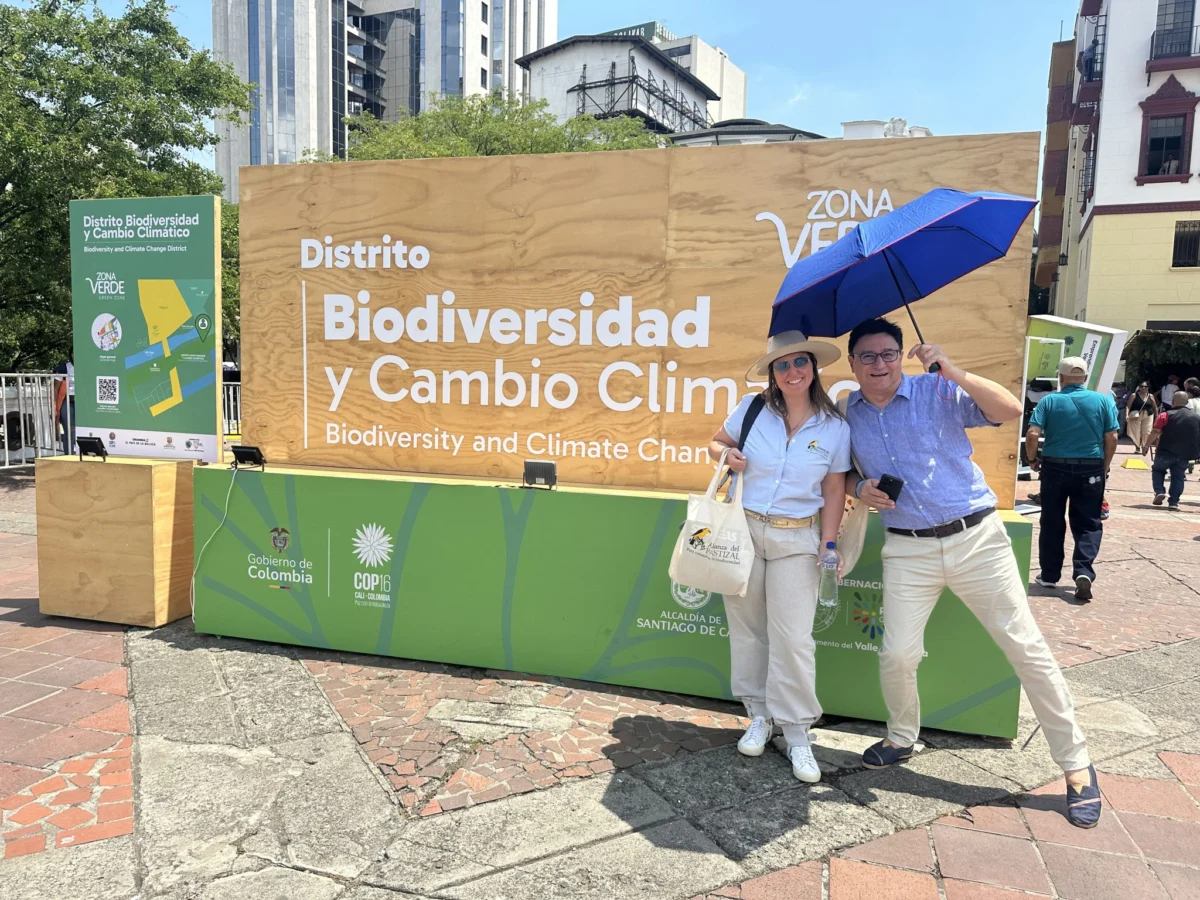
The passing of Adrián Stagi a few weeks ago has left an indelible void, one that resonates deeply across the vast landscapes of the Southern Cone and within the vibrant community dedicated to their preservation. His absence is palpable, manifesting in conversations where his name invariably surfaces, along country roads that now feel different, and at gatherings where memories of his sharp observations, witty remarks, and brilliant, sarcastic humor inevitably surface, always perfectly timed. Stagi, a biologist by training, served as the executive director of Aves Uruguay and was a pivotal driving force behind the Alianza del Pastizal (Grassland Alliance) in Uruguay. His multifaceted contributions spanned biodiversity conservation, sustainable production, and fostering human connections within the natural world, leaving behind a legacy far more profound than a mere list of professional achievements.
The Early Journey of a Conservationist
Adrián Stagi’s professional life was deeply rooted in the natural sciences, culminating in his training as a biologist. This foundational knowledge equipped him with a profound understanding of ecological systems, but it was his innate ability to connect with people and places that truly defined his impact. His career trajectory quickly led him to Aves Uruguay, the Uruguayan partner of BirdLife International, where he rapidly became a leading figure. His leadership as executive director was marked by an unwavering commitment to the care and restoration of natural grasslands, a critical and often overlooked biome in the region.
Under his guidance, Aves Uruguay spearheaded numerous initiatives that transcended traditional conservation models. These included projects focused on sustainable agricultural practices that integrated livestock management with biodiversity protection, thereby promoting the economic viability of rural communities alongside ecological health. He was a vocal advocate for birdwatching tourism, recognizing its potential not only as a source of revenue for local economies but also as a powerful tool for raising awareness about avian diversity and the importance of habitat preservation. Furthermore, Stagi launched vigorous campaigns against bird trafficking in border areas, a persistent challenge in the region, working to establish cooperation agreements with private actors and fostering vital collaborations between producers, researchers, and environmental organizations. His influence also extended into public service, holding positions in departmental public administration in Río Negro, where his environmental work demonstrated a commitment that reached far beyond institutional boundaries, earning him recognition in Uruguayan media as one of the country’s most active and effective voices in biodiversity conservation.

The Visionary Behind the Alianza del Pastizal
Stagi’s most significant contribution, perhaps, was his role as a key driving force behind the Alianza del Pastizal in Uruguay. This international initiative, encompassing Argentina, Brazil, Paraguay, and Uruguay, is dedicated to the conservation of natural grasslands and their associated biodiversity through sustainable cattle ranching. The Southern Cone’s grasslands are a global biodiversity hotspot, home to a unique array of flora and fauna, including numerous migratory bird species, many of which are endangered. However, these vital ecosystems face severe threats from agricultural expansion, monoculture farming, and habitat degradation.
The Alianza del Pastizal was founded on the principle that conservation and production are not mutually exclusive but can, in fact, be synergistic. Stagi championed this integrated approach, working tirelessly to bridge the gap between farmers, who often rely on these lands for their livelihoods, and conservationists, who strive to protect their ecological integrity. He understood that long-term conservation success required engaging local communities, demonstrating the tangible benefits of sustainable practices, and building trust. His involvement was crucial in developing methodologies for grassland management that benefited both biodiversity and agricultural productivity, often involving extensive fieldwork, farmer workshops, and the development of market incentives for sustainable beef production. As the Alianza del Pastizal approaches its 20th anniversary, Stagi’s foundational work and enduring vision continue to shape its strategic direction and impact, serving as a testament to his foresight and dedication.
An Ambassador for the Countryside: The Human Connection
What truly set Adrián Stagi apart was his unique way of inhabiting and explaining the grasslands, and his remarkable ability to help others connect with them on a deeper level. This was evident in countless interactions, as recounted by those who had the privilege of working alongside him. Last year, during a visit to Uruguay to explore farms associated with the Alianza del Pastizal, the author of this article experienced Stagi’s dedication firsthand. He devoted several full days to personally accompanying the visitor, navigating rural roads, engaging in long conversations over mate, and making constant stops to observe birds, fields, and local realities.

It became clear that Stagi didn’t merely possess deep scientific knowledge; he had cultivated a profound relationship with the landscape. He would drive, effortlessly pointing out distant species, conversing with the familiar topography as if it were an old friend. His discussions seamlessly wove together themes of farmers’ livelihoods, conservation challenges, avian ecology, political realities, food systems, local history, and the intricate management of the natural countryside – all as part of a single, coherent narrative. He wasn’t merely "visiting" the countryside; he was an integral part of its fabric, deeply embedded in its complex web of relationships.
This holistic perspective explains why Stagi garnered such widespread affection and respect from individuals across diverse backgrounds. He was described not just as a biologist or a conservationist, but as an "ambassador for the countryside." He possessed an unparalleled talent for articulating that grasslands represent more than just biodiversity, production, or a scenic landscape. They embody culture, interconnectedness, generational knowledge, historical memory, economic realities, the delicate balance between birds and livestock, the daily decisions of families, and a concrete way of life.
Bridging Worlds and Building Trust
Adrián Stagi moved with remarkable fluidity between various spheres: international organizations, public institutions, rural producers, scientists, tourists, birdwatchers, and local communities. Crucially, he did so without ever compromising his authenticity. In Uruguay, a nation known for its close human connections, this quality was particularly valued. He was welcomed everywhere as a friend, someone who could walk into a home and sit at the table as if he had known the family forever. He discussed biodiversity with the same natural ease as he spoke of daily life, fine wine, the nation’s challenges, or the inherent tensions in sustaining conservation efforts across Latin America.
Beyond his immediate family—his mother and brother—Stagi cultivated a vast "chosen family" of friends, colleagues, producers, and fellow travelers whose lives were enriched by his presence. Daniela Schossler, the coordinator of the Alianza del Pastizal in Uruguay, was one such close friend, a testament to the deep personal bonds he forged beyond professional obligations. This emotional dimension underscores why his passing is mourned not only as an institutional loss but as a profoundly human and personal bereavement.

Field conservation, particularly for local organizations, is an arduous endeavor. It often operates with limited resources, lean structures, and a heavy reliance on the unwavering personal commitment of its proponents. Within the expansive BirdLife International network, which encompasses large international bodies and grassroots local groups, Stagi epitomized the essence of grassroots conservation: built on proximity, persistent effort, good humor, and the cultivation of enduring human relationships.
The Enduring Impact: Beyond Metrics
The true measure of impact isn’t always proportional to an organization’s size. Sometimes, it stems from individuals like Stagi, capable of bridging disparate worlds and fostering dialogues that others might deem impossible. While impact can be quantified through agreements, projects, and programs, it is equally, if not more profoundly, measured in the currency of trust. This trust manifested in farmers opening their homes and lands, in children developing a curious and joyful appreciation for birds, in budding naturalists discovering the wonders of an ecosystem, and in fields being understood from a broader perspective than immediate agricultural yield.
In Stagi’s case, both visible and intangible impacts coexisted. His tangible achievements included his transformative work with Aves Uruguay, his instrumental role in the Pastizal Alliance alongside partners from Argentina, Brazil, and Paraguay, his vigorous promotion of birdwatching tourism, and his collaborative endeavors with farmers, technical working groups, and conservation projects. Yet, the harder-to-measure impact was arguably more profound: his unique ability to convene diverse individuals around a common table, fostering shared visions—almost always punctuated by his characteristic humor.
Those who worked closely with him consistently recall his exceptional ability to build bridges, his attentive listening, and his unwavering willingness to collaborate when a shared purpose emerged. He held a deep conviction that grasslands could not be comprehended solely through the lens of biodiversity; they had to be understood in the context of the people who inhabit, work in, and protect them.

They also remember something less tangible but equally powerful: his pervasive presence. His binoculars were always within reach, a constant companion. His capacity for genuine excitement over a bird, a landscape, or an unexpectedly humorous conversation was infectious. He possessed a rare blend of quiet, astute observation and deeply insightful, witty commentary. His constant sense of humor made even the most challenging situations more manageable. There was always a sense that every field trip, every encounter, held something more to reveal, something more to understand.
A Reflection on a Life Lived with Purpose
Adrián Stagi’s death at age 57, following a serious infection, is a poignant reminder of the inherent demands of field conservation. His story is not one to be sensationalized or romanticized as a tale of sacrifice, but it compels a vital reflection: certain professional lives cannot be lived from a distance. Field conservation demands one’s entire being – traversed on rugged trails, endured through early dawns and late nights, in endless meetings, amidst exhaustion, challenging weather, muddy conditions, difficult decisions, and constant, direct exposure to the very environments one strives to comprehend and protect. For Stagi, this intensity was not a performative stance; it was his authentic way of engaging with the world, his world.
His absence has been profoundly felt, not only within the international BirdLife alliance but throughout the broader conservation community of the Southern Cone. Beyond his specific projects, Stagi seemed to embody a particular philosophy of relating to the world: one where conservation was inextricably linked to human connection, shared knowledge, and the patient, deliberate building of trust.
As the Alianza del Pastizal commemorates its 20th anniversary, this reflection gains even deeper significance. While an anniversary is traditionally a moment of celebration, it also offers a crucial opportunity to pause and acknowledge those foundational figures who transformed an abstract idea into a tangible network, a practical methodology, a vital conversation, an enduring legacy, and a shared culture. Adrián Stagi was undeniably a central figure in that narrative, not as a historical artifact, but as someone whose vision remains vibrantly present in how countless individuals now perceive and value natural grasslands.

Networks endure and thrive thanks to individuals who leave behind something more profound than immediate results. They are sustained by those who help others see the world differently, who inspire and shape new generations of nature enthusiasts and advocates, who forge connections between stakeholders who previously remained disengaged, and who ultimately transform a shared vision into a living, evolving culture.
A desktop background quote, "One day, when you’re gone, you’ll be what you did," serves as a powerful prompt for self-reflection. Perhaps this adage captures the essence of Adrián Stagi’s enduring legacy. It lies in the people who continue to birdwatch because of his inspiration, in the fields he tirelessly explored, in the profound conversations he initiated, in the invaluable bonds he helped forge, and in the way so many learned to understand grasslands not merely as an ecosystem, but as a dynamic, living network of human, cultural, and ecological relationships deserving of unwavering preservation. His quiet certainty and unique perspective continue, even in his absence, to illuminate the world for those he touched.
Text: Diego Ribadeneira
