

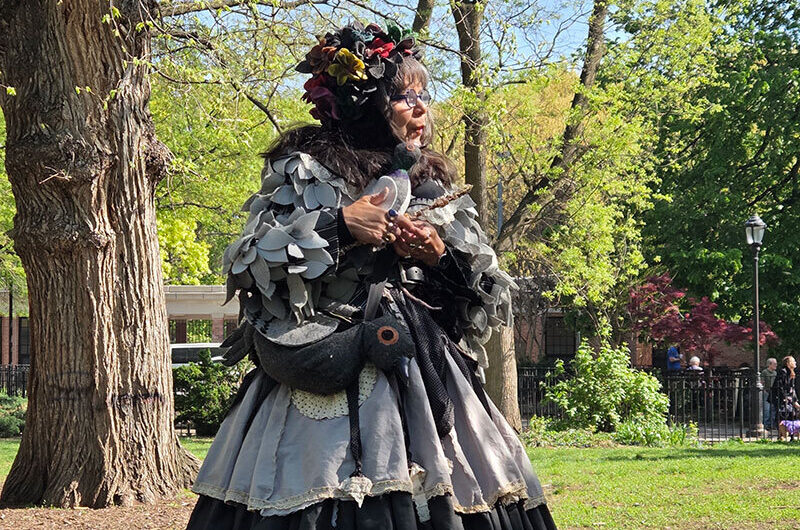
The vibrant and often chaotic tapestry of New York City is home to a myriad of individuals who dedicate themselves to causes that resonate deeply within their communities. Among these dedicated souls is Tina Piña Trachtenburg, an artist, street performer, and impassioned animal rights activist who has adopted the persona of "Mother Pigeon." Her work shines a spotlight on the city’s often-overlooked pigeon population, transforming public spaces and digital platforms into arenas for awareness and advocacy. Trachtenburg’s multifaceted approach, blending artistic expression with direct action, has garnered significant attention and support for her mission to protect these urban dwellers.
The Genesis of Mother Pigeon: An Artist’s Calling
Trachtenburg’s journey as Mother Pigeon is rooted in a profound connection with the creatures that share New York City’s streets and skies. For years, she has observed the city’s pigeons, recognizing their resilience and their integral role in the urban ecosystem. Her artistic sensibilities, honed through years of street performance and visual art, naturally gravitated towards giving voice to those who are often marginalized or misunderstood. The persona of Mother Pigeon emerged as a powerful symbol, allowing Trachtenburg to engage the public on a visceral level, fostering empathy and understanding for a species frequently maligned.
Her artistic endeavors extend beyond mere observation. Trachtenburg utilizes various mediums to convey her message, from public performances that draw in passersby to a prolific online presence. The creation of her YouTube channel, "Mother Pigeon’s Impeckable Musical Puppet Show," marked a significant milestone in her advocacy. This innovative platform allowed her to craft engaging narratives featuring hand puppets like Frankie the Pigeon and Max the Rat, weaving in original songs and even readings from her published book. The visual and auditory appeal of these productions has been instrumental in reaching a wider audience, transcending traditional methods of activism and making complex issues accessible and relatable. The project’s output, including nine original songs and a bonus reading, is available for public access on Bandcamp, further extending her reach and impact.
A Direct Stand Against Cruelty: The Live Pigeon Shoot Protest
At the heart of Trachtenburg’s current activism lies a direct protest against the inhumane practice of live pigeon shoots. Specifically, she is raising awareness and opposing the capture of New York City’s pigeons for resale and subsequent use in live pigeon shoots in Pennsylvania. These events involve releasing pigeons from mechanical traps, only for them to be shot at by participants. This practice, which is legal in some jurisdictions, has drawn criticism from animal welfare organizations and individuals alike.
Trachtenburg’s commitment to stopping this cruelty is tangible. She has established a reward system, offering $300 to anyone who can provide clear photographic and video evidence that definitively identifies individuals involved in capturing pigeons in Maria Hernandez Park, located in Brooklyn. This initiative aims to not only gather crucial evidence but also to deter those engaged in such activities by increasing the risk of exposure. Her dedication to documenting and exposing these practices underscores her unwavering resolve to protect the city’s avian inhabitants from exploitation.
Legal and Institutional Opposition to Live Pigeon Shoots
The concerns raised by Tina Piña Trachtenburg are not isolated. The New York City Bar Association’s Animal Law Committee has also voiced strong opposition to the use of live pigeons in trap and block shooting events. This committee has actively supported legislative efforts to end such practices. Their advocacy has been directed towards H.B. 1097 (2025–2026), a proposed piece of legislation aimed at prohibiting the use of live pigeons as targets in trap and block shooting events in Pennsylvania. The committee’s involvement lends significant weight to the broader movement against animal cruelty in sporting contexts, highlighting a growing consensus among legal and advocacy groups regarding the ethical implications of such activities.
The existence of such legislative efforts and the support from established legal bodies like the NYC Bar Association’s Animal Law Committee provide crucial context for Trachtenburg’s work. It demonstrates that her protest is part of a larger, ongoing struggle for animal welfare and that her individual efforts are contributing to a growing tide of opposition against cruel practices.
The Reach of Mother Pigeon: Digital Presence and Community Engagement
Beyond her direct protests and artistic performances, Trachtenburg has cultivated a substantial online presence that serves as a powerful tool for education and mobilization. Her Instagram account, @motherpigeonbrooklyn, boasts over 38,000 followers, a testament to the widespread interest in her work. On this platform, she shares over a thousand posts, offering a visual chronicle of her advocacy, her artistic endeavors, and her deep connection with the city’s pigeons. These posts often feature candid shots of pigeons in their urban habitat, interspersed with images of her performances and promotional material for her projects.
Her Facebook page also serves as a hub for her followers, facilitating discussions and sharing of information. Trachtenburg’s active engagement across these platforms allows her to foster a sense of community among her supporters, transforming passive observers into active participants in her cause. Furthermore, a short YouTube video allows her to articulate her motivations and inspiration directly to her audience, offering a personal glimpse into the driving forces behind Mother Pigeon. This blend of public artistry and accessible digital communication has been key to amplifying her message and garnering broad support.
Supporting Data and the Ecological Significance of Pigeons
The common perception of pigeons as mere pests often overshadows their ecological role and their resilience. Scientific data indicates that pigeons, or rock doves, have adapted remarkably to urban environments. They are intelligent birds, capable of navigating complex cityscapes and exhibiting social behaviors. Their presence in cities is a testament to their adaptability, finding sustenance and shelter amidst human development.
From an ecological standpoint, urban pigeons contribute to the food web, serving as prey for larger birds of prey that also inhabit urban areas, such as peregrine falcons. While their populations can grow significantly, leading to concerns about resource competition and sanitation, these issues are often a reflection of urban planning and waste management rather than an inherent fault of the birds themselves. Trachtenburg’s advocacy seeks to shift the public’s perspective from one of eradication to one of coexistence and respect, recognizing the pigeons as a legitimate part of the urban fauna.
Broader Implications and the Future of Urban Wildlife Advocacy
Tina Piña Trachtenburg’s work as Mother Pigeon has far-reaching implications for how we perceive and interact with urban wildlife. Her success in using art and digital platforms to raise awareness highlights the potential for creative advocacy in addressing animal welfare issues. By humanizing pigeons and framing them as deserving of compassion, she is challenging deeply ingrained prejudices.
The implications of her activism extend beyond the immediate goal of stopping live pigeon shoots. It contributes to a broader conversation about urban biodiversity, animal rights, and the ethical responsibilities humans have towards the creatures with whom they share their environments. Trachtenburg’s model of combining artistic expression with direct action provides a template for other activists seeking to champion overlooked causes. Her persistent efforts, amplified by her engaging persona and strategic use of media, demonstrate that even the most common urban dwellers can become the focus of passionate advocacy, inspiring a more empathetic and informed approach to the management and appreciation of urban wildlife. The growing support for her initiatives, both online and through institutional channels, suggests a positive trajectory for pigeon welfare and a broader shift in public consciousness regarding the value of all living beings in our shared urban spaces.
