
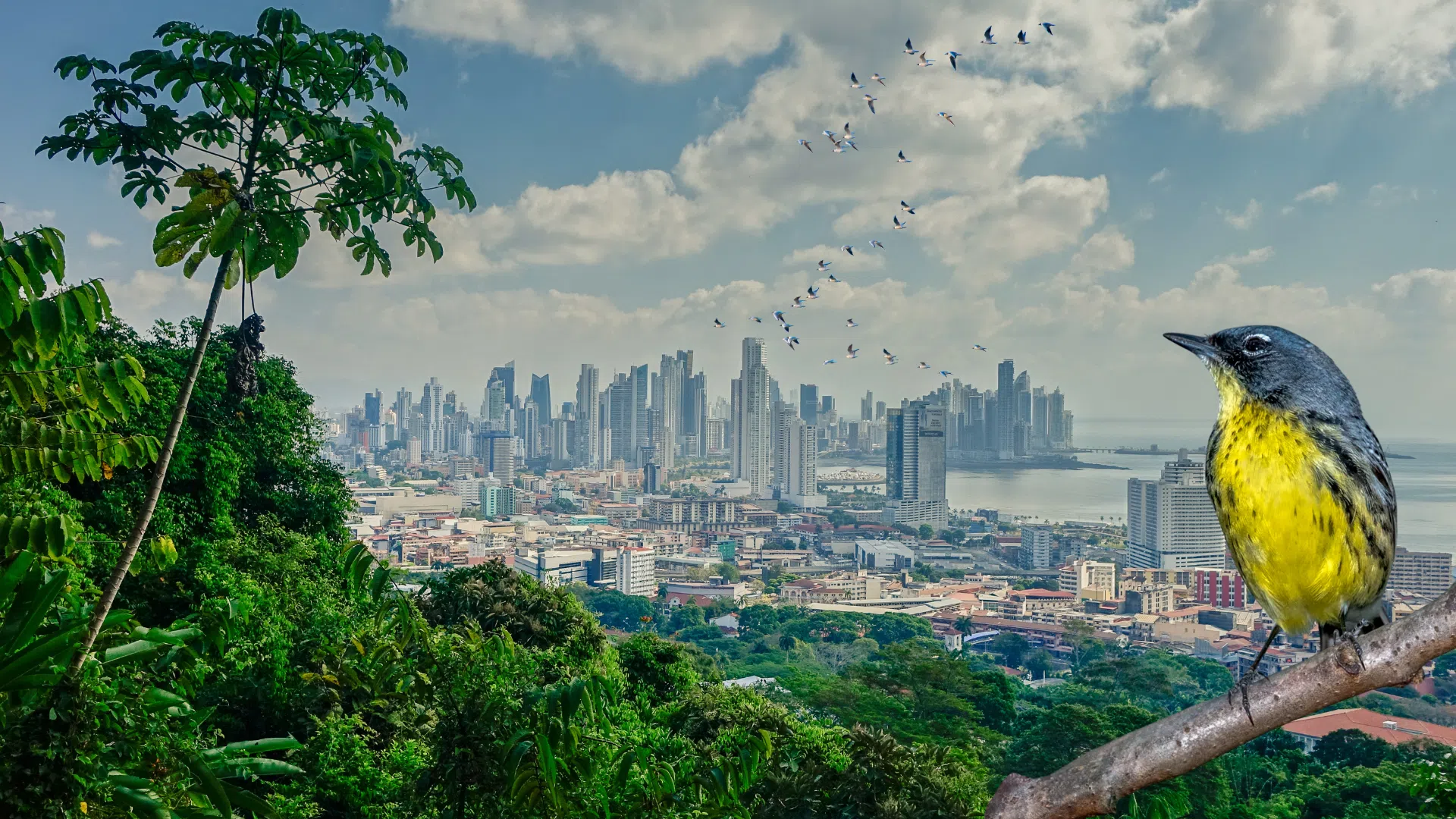
The Development Bank of Latin America and the Caribbean (CAF) is currently setting a new precedent for corporate architecture with the construction of its Hub Norte regional office in Panama City. By integrating bird-conscious design elements into its structural blueprint, the project serves as a flagship demonstration of how urban infrastructure can coexist with, rather than disrupt, the world’s most critical migratory flyways. This initiative, championed by the Americas Flyways Initiative (AFI)—a collaborative partnership between CAF, BirdLife International, and the National Audubon Society—marks a significant pivot in how development banks approach environmental stewardship in the 21st century.

The Ecological Context of the Americas Flyway
Migratory birds act as vital biological links between disparate ecosystems, traversing thousands of miles annually to reach breeding and wintering grounds. The Americas Flyway is one of the world’s most significant avian corridors, serving as a highway for millions of birds, including species such as the Western Sandpiper and the Blackpoll Warbler. These journeys are fraught with natural challenges, but as urban sprawl expands into these critical corridors, the man-made environment has introduced a new, lethal threat: structural collisions.
Panama City, due to its strategic geographical position, serves as a major bottleneck and stopover for birds moving between North and South America. Research indicates that urban environments pose a high risk of mortality for migrating species, largely due to glass facades that reflect the sky or surrounding vegetation, which birds perceive as open flight paths. As these birds arrive at stopover sites like Panama Bay—which supports approximately one-third of the global population of Western Sandpipers—they are often exhausted and vulnerable, making the inclusion of bird-friendly architecture in the city’s skyline an urgent conservation priority.

Chronology of the Initiative
The conceptualization of Hub Norte did not happen in isolation. The project followed a multi-year effort by the Americas Flyways Initiative to marry financial investment with conservation science.
- Initial Planning Phase: CAF identified the need for a regional hub in Panama City that aligned with its institutional commitment to sustainable, resilient, and inclusive development.
- Scientific Integration: Early in the design phase, CAF engaged with experts from BirdLife International and the National Audubon Society. This collaboration allowed for a detailed ecological risk assessment of the site.
- Technical Design Review: Between 2024 and 2025, engineers and architects conducted a comprehensive analysis of the building’s envelope, specifically focusing on the 4,967 square meters of facade area.
- Implementation: During 2026, the installation of specialized bird-deterrent glazing was integrated into the construction schedule, ensuring that critical, high-risk areas were addressed without compromising the building’s energy-efficiency goals.
Engineering Sustainability: Data-Driven Decisions
A common misconception in the construction industry is that bird-friendly design necessitates a trade-off between architectural aesthetics, cost, and energy performance. Luisa Plaza Urrutia, a civil engineer and executive at CAF’s Directorate of Corporate Infrastructure Management, emphasizes that this is a false dichotomy.

According to project data from Hub Norte, the integration of bird-friendly treatments—specifically patterned glazing that increases the visibility of the glass to birds—was achieved through a surgical approach. Of the building’s total facade, roughly 44% consists of glass. Of that glass surface, only 24% was deemed to have a high risk for avian collisions. By focusing interventions on these specific zones, the project maintained its visual and structural integrity while mitigating risk. The additional cost for these treatments, approximately USD $46.50 per square meter of treated glass, represents a marginal fraction of the total infrastructure investment, proving that nature-positive outcomes are financially accessible when considered during the initial design phase.
Official Perspectives and Institutional Commitment
The partnership behind the Americas Flyways Initiative represents a broader shift in the financial sector’s responsibility toward biodiversity. By incorporating nature-based solutions into the very foundation of their physical infrastructure, CAF is positioning itself as a "green bank" that views ecological health as an asset rather than an externality.

"Biodiversity should be part of the sustainability conversation from the earliest stages of planning," says Plaza Urrutia. "One of the key lessons from Hub Norte is that bird-friendly design should not be viewed as competing with energy efficiency, resilience, cost control, or architectural quality. These objectives can be achieved together when biodiversity is considered early."
Industry experts note that the success of the Hub Norte project relies heavily on the "early-involvement" principle. When conservationists are brought in at the pre-planning stage, they can work alongside architects to optimize lighting and glass opacity before expensive materials are ordered. This prevents the need for retrofitting, which is significantly more costly and less effective than integrated design.

Broader Implications for Global Urban Planning
The implications of the Hub Norte project extend far beyond Panama City. As urban areas continue to densify, the "bird-friendly building" model provides a blueprint for developers worldwide. The project demonstrates that certification frameworks—such as the Leadership in Energy and Environmental Design (LEED)—can be effectively supplemented with biodiversity criteria to create more holistic, resilient urban spaces.
The lack of widespread adoption for bird-friendly design is currently attributed to a lack of technical knowledge among developers and a scarcity of validated, market-ready products. However, the success of the Hub Norte project serves as a "proof of concept" that the industry is beginning to embrace. By showcasing that high-performance, LEED-certified buildings can also function as safe passages for wildlife, CAF is creating a market demand for bird-safe glass and smart lighting technology.

Future Directions
Moving forward, the Americas Flyways Initiative aims to scale these practices across its portfolio. The goal is to move from "exception to standard," where bird-conscious design is a default requirement for commercial and institutional development in migration corridors. This involves not only the physical design of buildings but also the development of standardized certification and testing procedures for materials, ensuring that developers can confidently specify products that are proven to reduce collision risks.
As cities continue to evolve, the integration of nature into the built environment will become increasingly essential for the maintenance of biodiversity. The Hub Norte project in Panama City stands as a testament to the fact that with proper collaboration between the financial, engineering, and scientific sectors, it is possible to build for the future without compromising the survival of the species that share our skies. The project represents a critical step in reconciling urban growth with the preservation of natural migratory routes, ultimately fostering a more sustainable relationship between humanity and the environment.
