
The High Arctic Tour, a comprehensive expedition spanning ten days, recently concluded its 2026 itinerary, offering participants an immersive study of Canada’s diverse ecosystems, from the temperate wetlands surrounding Edmonton to the extreme northern reaches of Victoria Island. Led by experienced naturalists, the expedition serves as a significant case study in avian migration patterns, Arctic flora, and the shifting biodiversity of northern climates. The journey highlights the ecological importance of these regions, which serve as critical breeding grounds for migratory species and represent the front lines of environmental observation in North America.
The Southern Gateway: Wetlands and Biodiversity
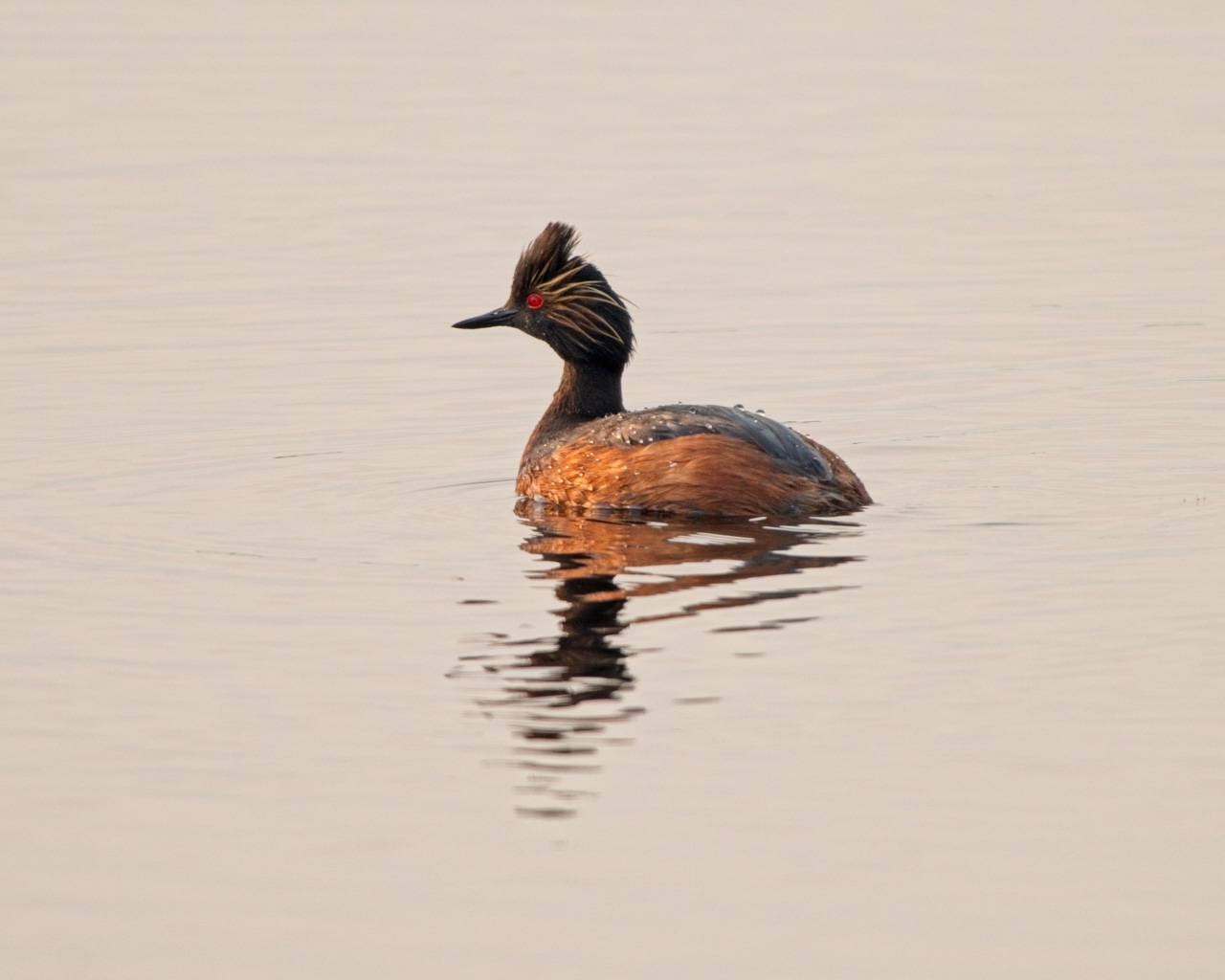
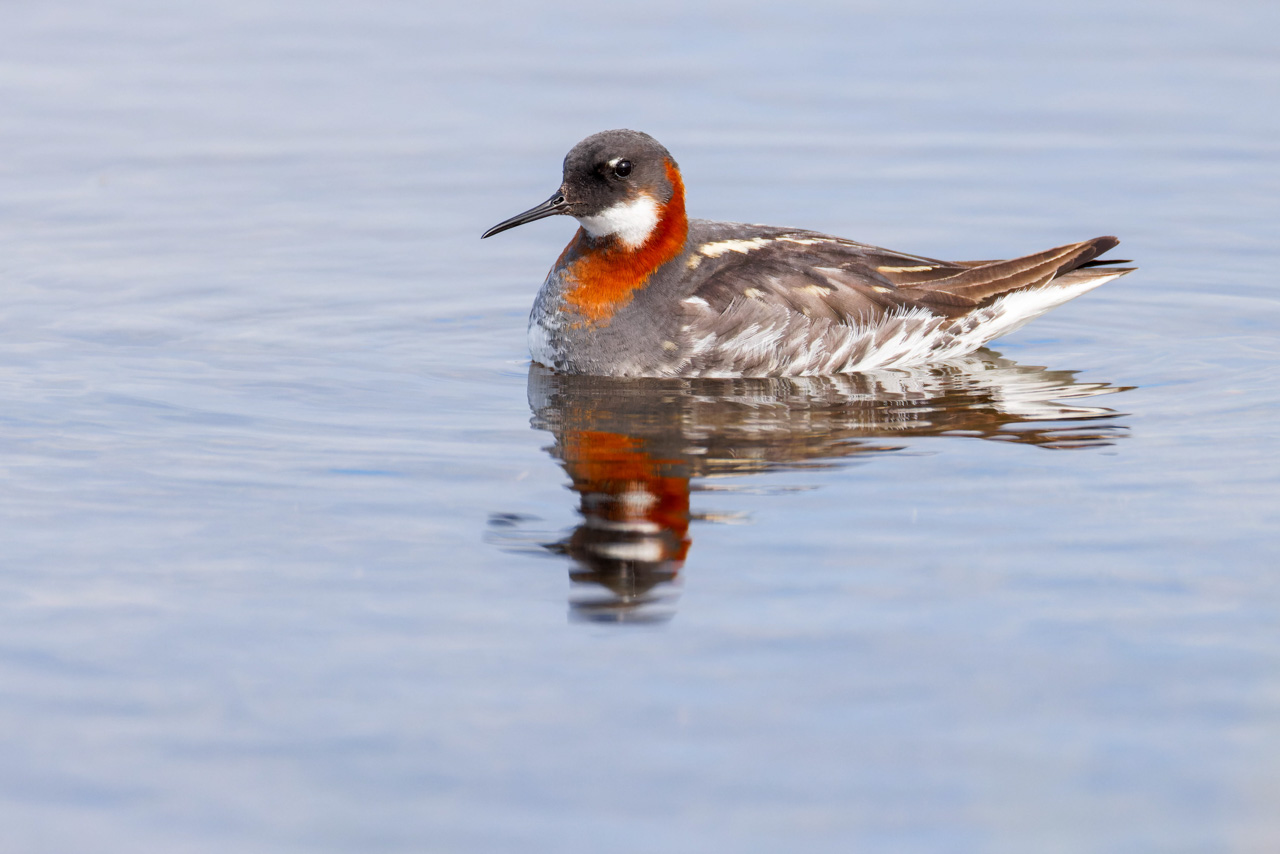
The expedition commenced in Edmonton, Alberta, where the group established the foundation for their observations. The initial phase of the tour focused on the flooded lands near Dodds, an area characterized by its high concentration of migratory waterfowl and shorebirds. Data collected during this leg of the trip underscored the vibrancy of the regional wetlands. The group documented a wide array of species, including the Eared Grebe, Wilson’s Phalarope, and various teal species.
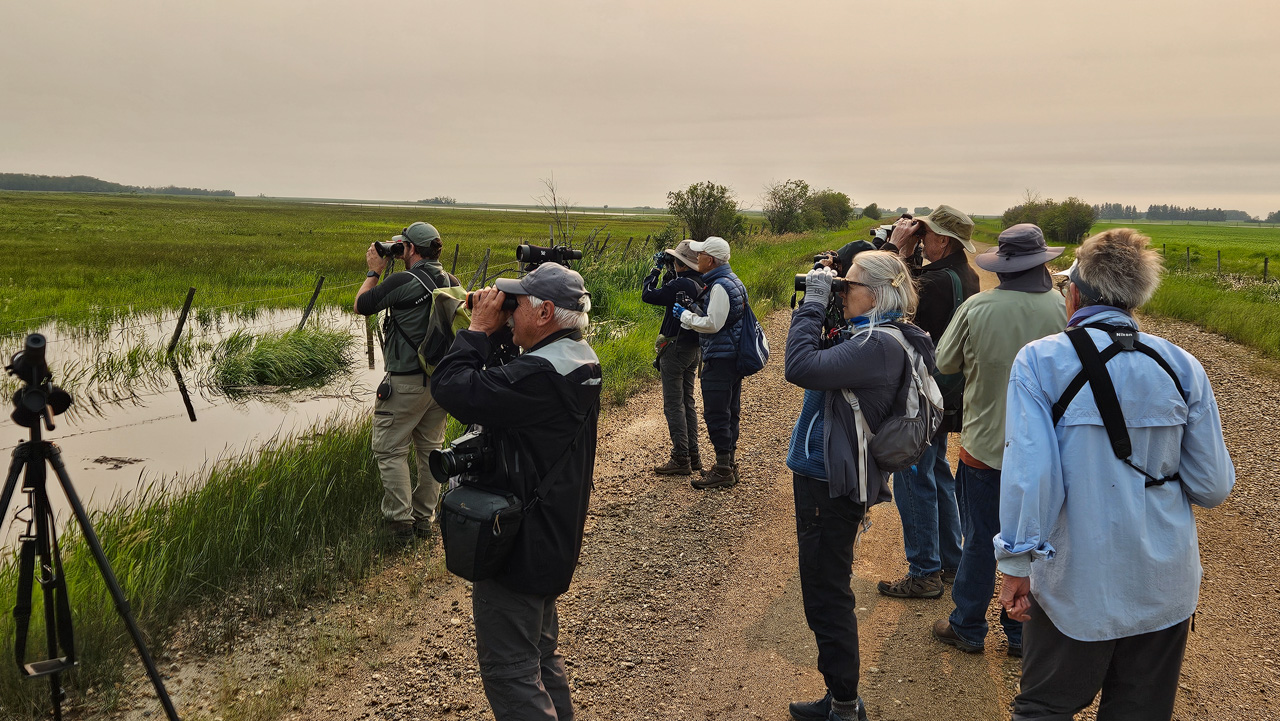
The significance of these wetlands cannot be overstated. According to regional conservation data, these habitats provide essential stopover points for birds traversing the Central Flyway. The observation of 12 Hudsonian Godwits—a species of concern—provided a notable data point for the group, illustrating the fluidity of avian movement within the province. As the group moved toward Beaverhill, they encountered the challenges inherent to field research: high humidity and significant insect activity, which limited exploration but provided a realistic view of the environmental pressures faced by researchers in these areas.
Transitions in the Taiga: Elk Island and Yellowknife
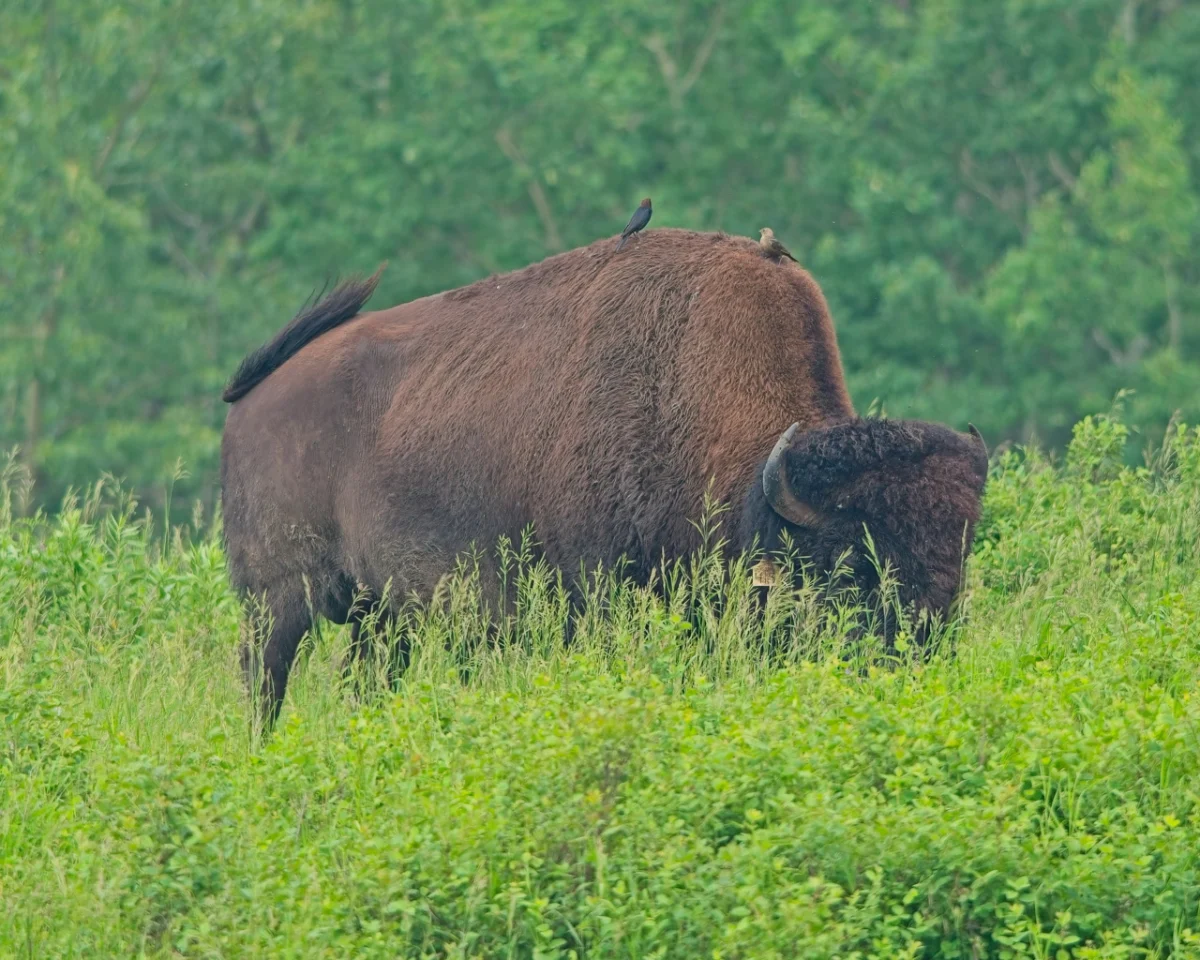
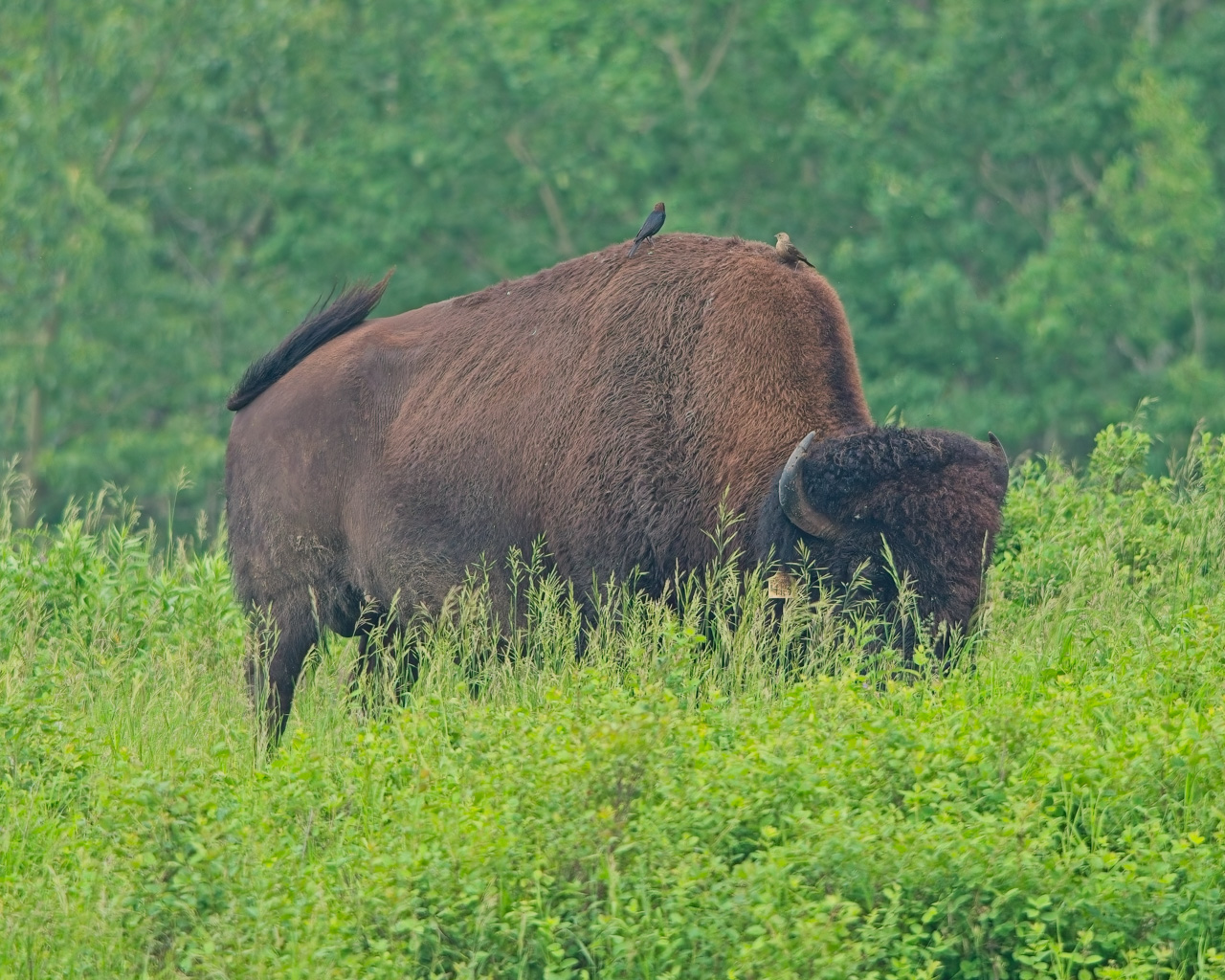
By the third day, the tour shifted its focus toward the boreal forest. A visit to Elk Island National Park allowed for the documentation of large mammals, such as the Plains Bison, which serve as a keystone species in the park’s management strategy. The transition from the wetlands to the aspen-dominated forests of the park provided a stark contrast in biodiversity. Observers noted the presence of the Red-breasted Nuthatch and Western Tanager, alongside a variety of Lepidoptera, including the Canadian Swallowtail and White Admiral, which were active in the trailhead areas.
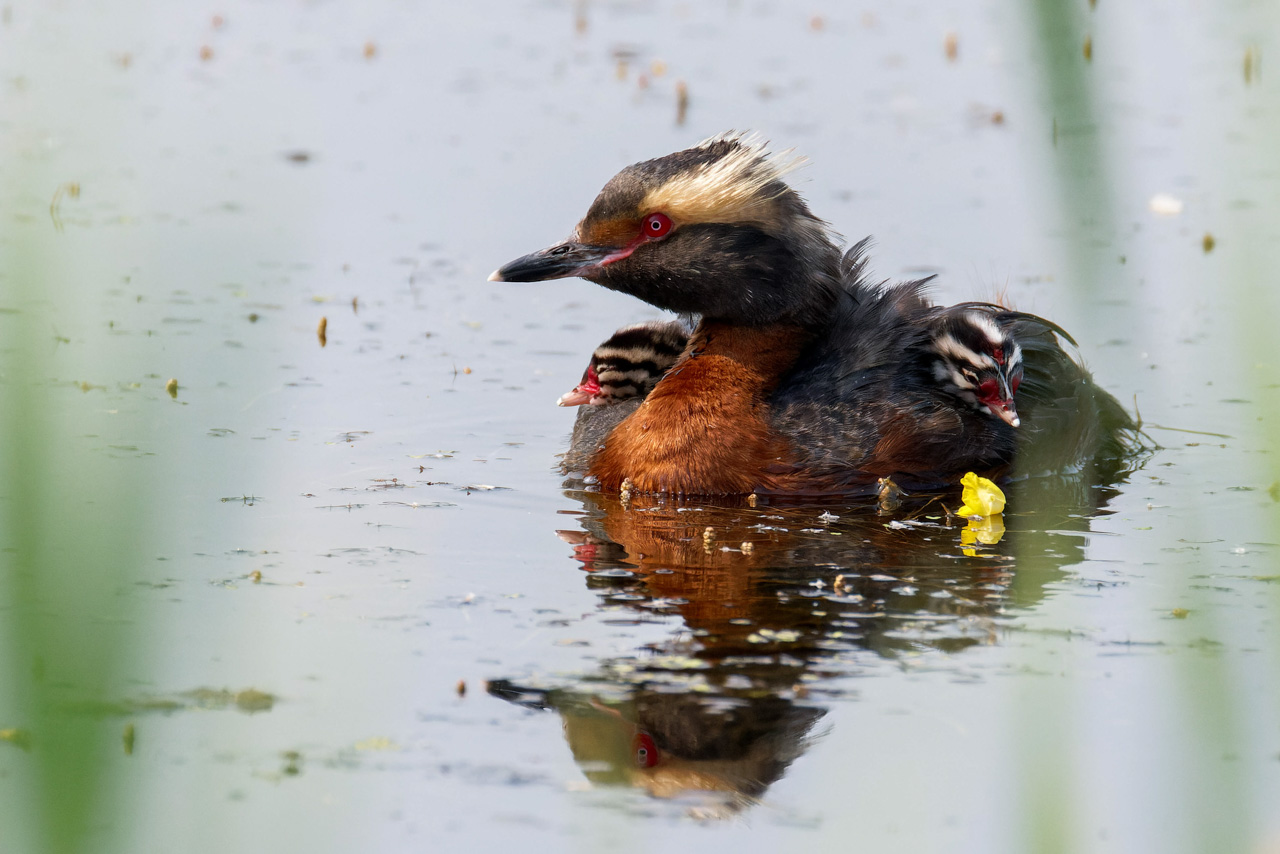
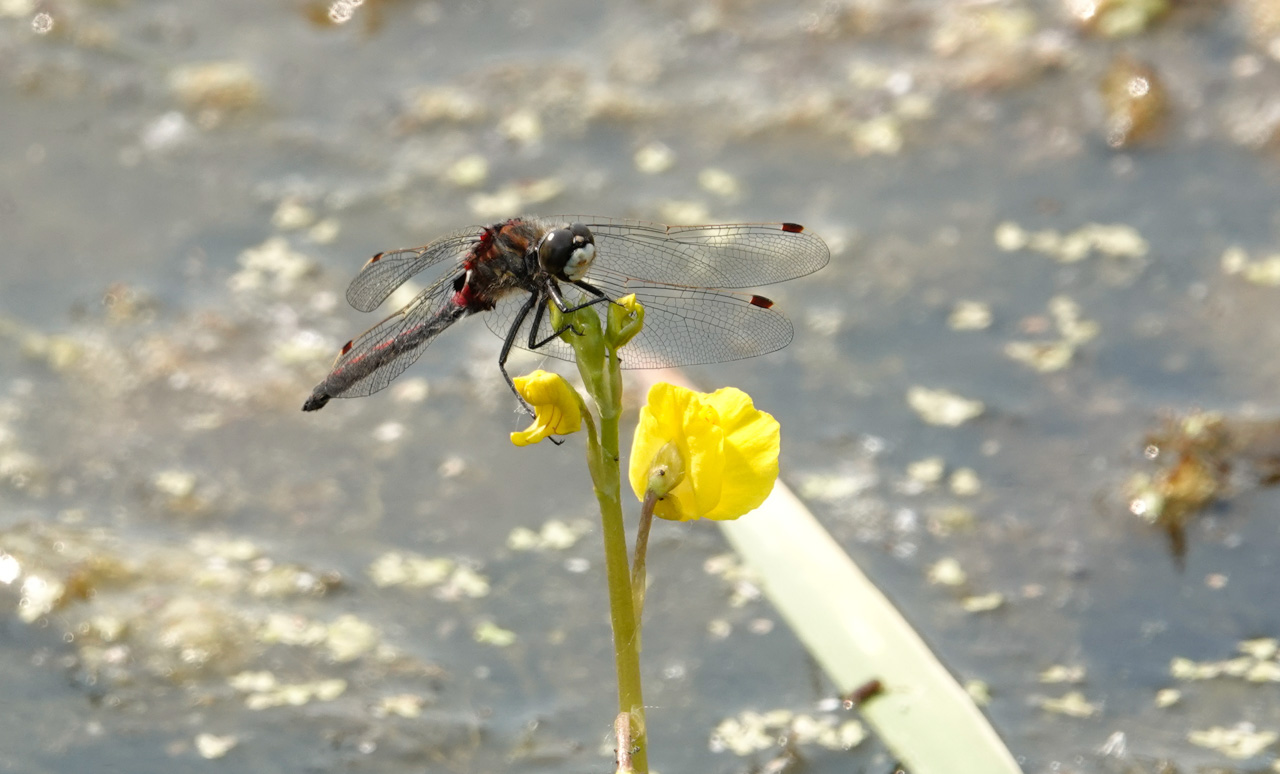
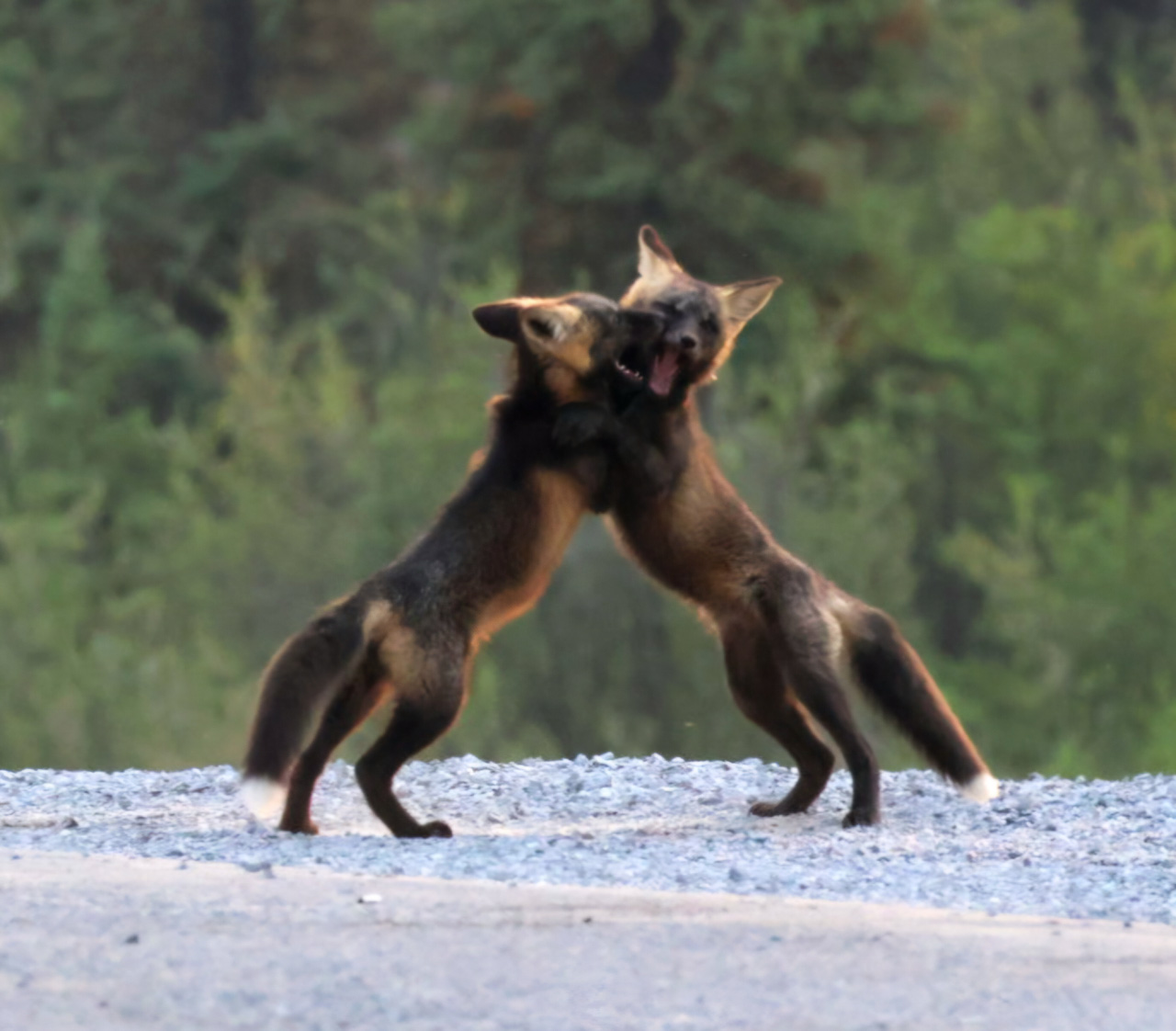
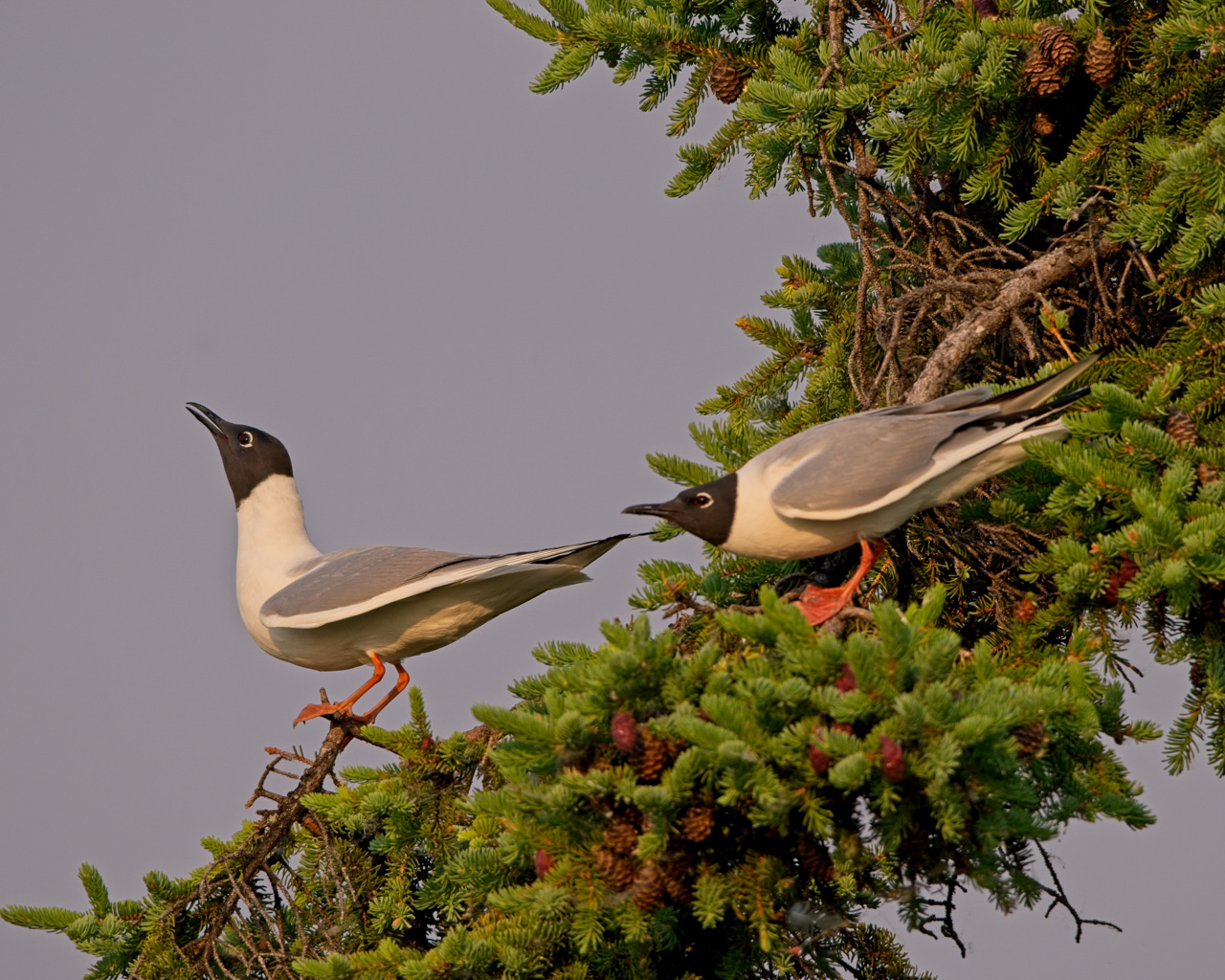
Following the Alberta leg, the team transitioned to Yellowknife, Northwest Territories, a critical hub for Arctic research. The Niven Lake area, a known hotspot for northern avian species, yielded sightings of Horned Grebes and their brood, as well as Bonaparte’s Gulls. The presence of carnivorous flora, such as Bladderwort, alongside Boreal Whiteface dragonflies, reinforced the tour’s focus on the interconnectedness of all life forms in the northern ecosystem. The observation of cross-fox kits along the Ingraham Trail served as a highlight, demonstrating the resilience and adaptability of mammalian predators in the sub-arctic environment.
The High Arctic: Victoria Island and the Northwest Passage
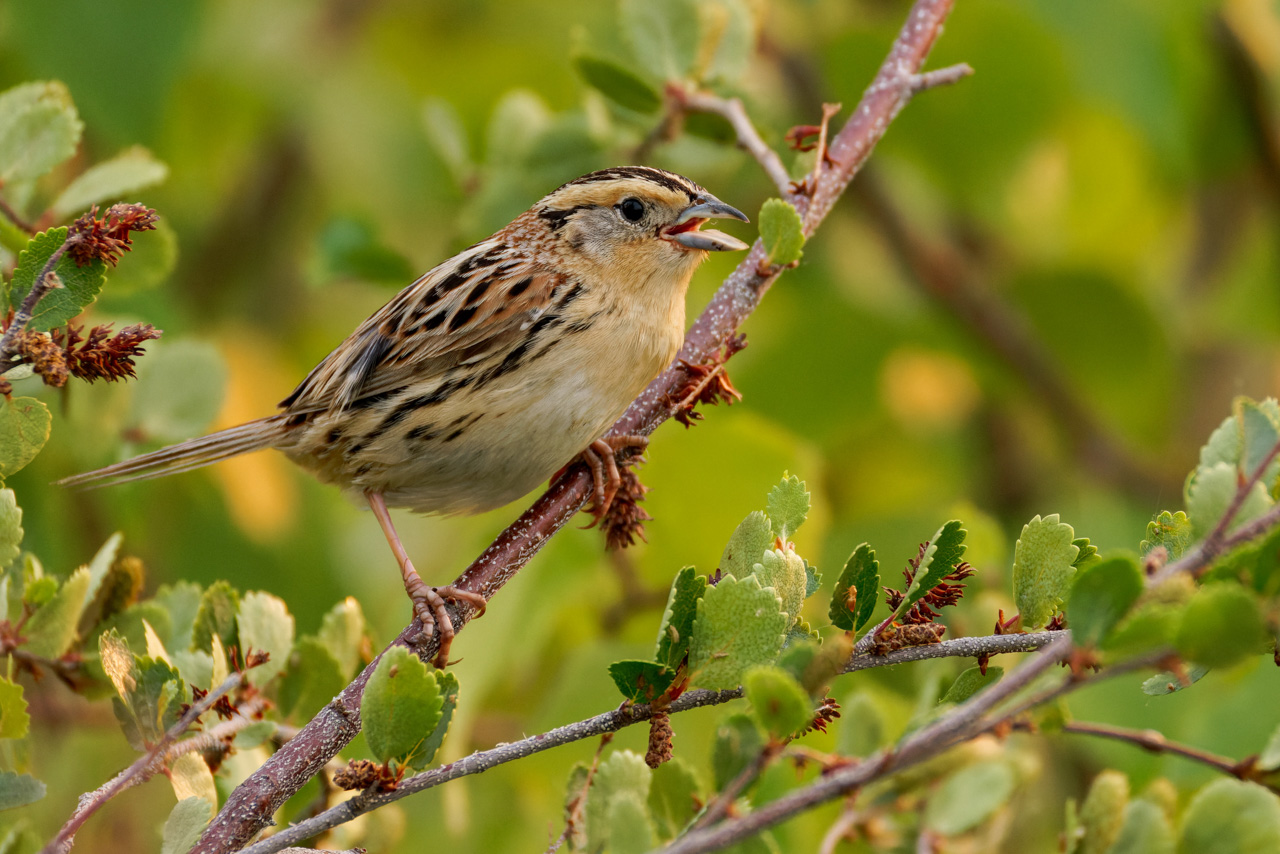
The latter half of the expedition focused on Cambridge Bay, situated on the southern tip of Victoria Island. This region, positioned north of the Arctic Circle, represents a distinct shift in ecological conditions. The tundra landscape requires specialized adaptations from both flora and fauna. Upon arrival, the team identified the nesting habits of Pacific Loons and the urban adaptation of species such as Snow Buntings and Lapland Longspurs, which have integrated into the town’s infrastructure.
The reservoir near the local airport provided a crucial site for documenting the Yellow-billed Loon, a species that remains a subject of intense interest for ornithologists due to its elusive nature and restricted breeding range. The team’s ability to observe two individuals confirmed the viability of the habitat during the summer months.
Chronology of Field Observations
- Days 1-2: Baseline survey of the Edmonton wetlands; documentation of waterfowl and shorebird migration.
- Day 3: Transition to Yellowknife; focus on Niven Lake’s aquatic and avian populations.
- Day 4: Exploration of the Ingraham Trail and Long Lake; focus on forest-dwelling species and terrestrial mammals.
- Day 5: Transit to Cambridge Bay; initial survey of local ponds and shorebirds.
- Days 6-8: Intensive tundra surveys near the DEW-line road and the esker known as Ovayok (Mount Pelly); documentation of nesting shorebirds and Arctic flora.
- Day 9: Coastal surveys along the Dease Strait; monitoring of ice-edge wildlife.
- Day 10: Final review of tundra populations and conclusion of the expedition.
Environmental Implications and Observations
A recurring theme throughout the tour was the impact of 24-hour sunlight on the behavior of Arctic species. The constant light facilitates high-intensity activity levels in nesting birds and floral blooming cycles. The observation of Dwarf Fireweed, which was noted for its unprecedented density this season, suggests favorable weather conditions for plant growth, which in turn supports a robust insect population and provides necessary resources for avian broods.
The tour also facilitated a comparative study of predator-prey dynamics, specifically the interaction between Long-tailed Jaegers—often referred to as the "pirates of the tundra"—and nesting shorebirds such as the Baird’s Sandpiper. The resilience of these shorebirds in the face of persistent predation is a testament to the evolutionary strategies developed to survive in the High Arctic.
Official Perspectives and Educational Impact
Reflecting on the tour, organizers emphasized the value of citizen science in monitoring these remote regions. "Sharing our enthusiasm for the Arctic with a group of nature lovers is not just about birding," noted one of the lead guides. "It is about fostering a deeper understanding of the environmental shifts that are occurring across the north."
The data gathered during the tour, including the sighting of a Hudsonian Whimbrel and the successful observation of Arctic Fox families, contribute to a growing body of anecdotal and observational evidence that helps researchers track population trends. These records are often shared with regional databases, aiding in the broader efforts to map the distribution of species as they respond to shifting climate variables.
The Broader Context of Arctic Conservation
The significance of the High Arctic cannot be overstated in the context of global environmental health. As these regions experience faster warming than the global average, the timing of migration, the availability of prey, and the success of nesting attempts become critical indicators of ecosystem health. The 2026 expedition underscores that the Arctic is not a barren landscape, but a highly dynamic environment that requires diligent monitoring.
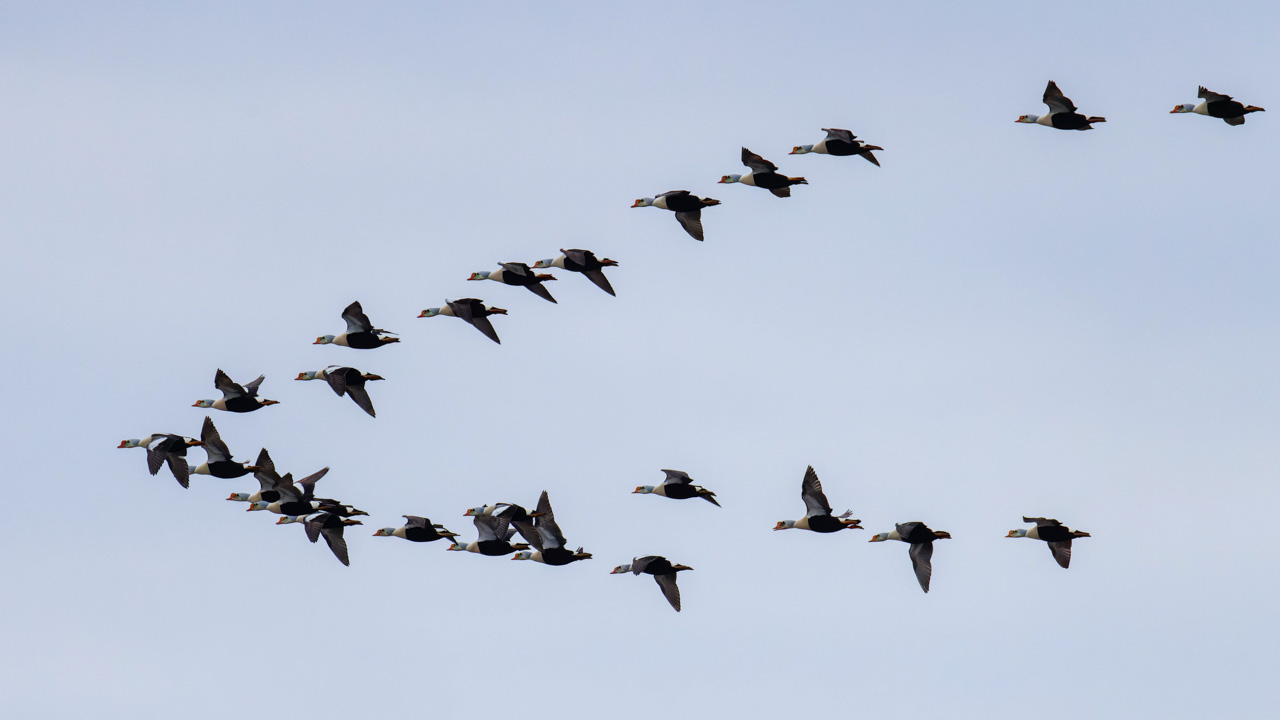
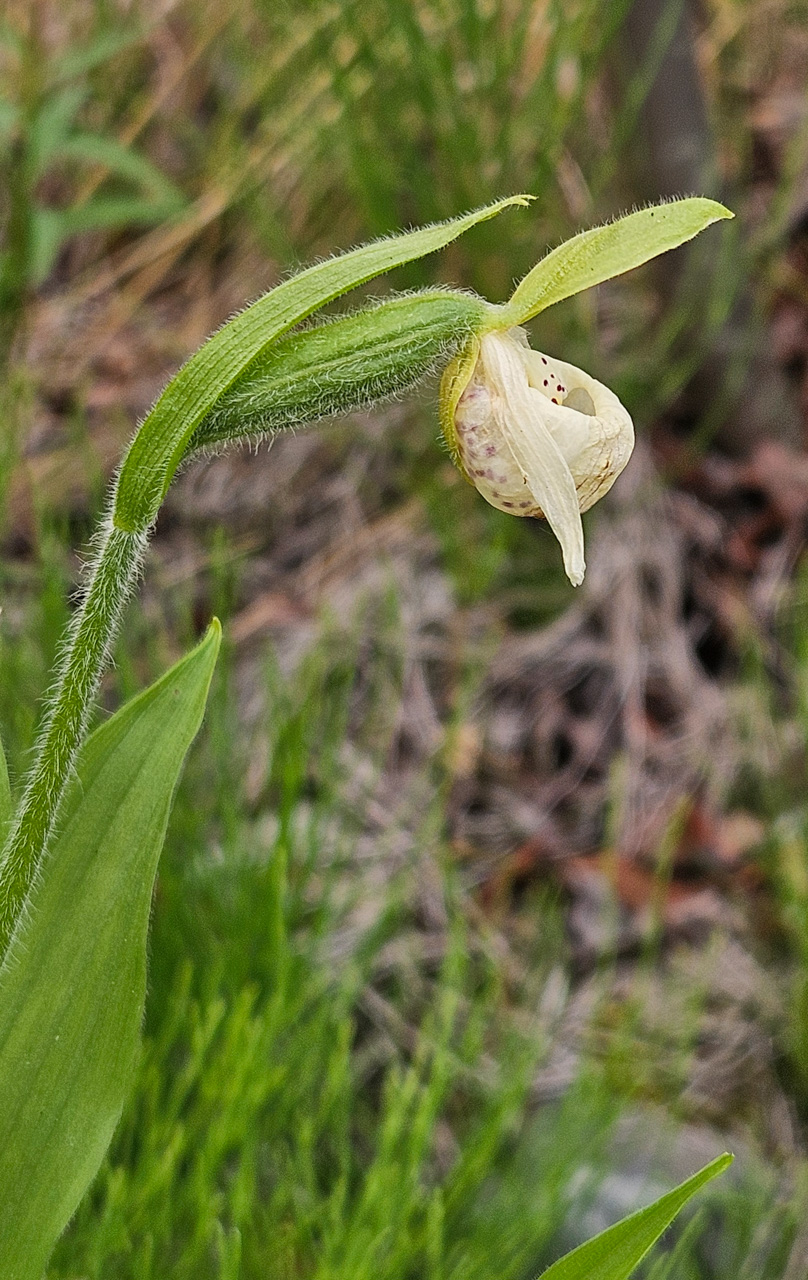
The inclusion of botanically-inclined observations—ranging from Sparrows-egg Lady’s Slipper orchids to the various species of Arctic moths—highlights that biodiversity in the north is complex and deeply intertwined. The success of the tour in documenting these varied life forms serves as a reminder that conservation efforts must remain holistic, addressing not just charismatic megafauna, but the foundational plants and insects that support the entire food web.
Conclusion: A Legacy of Awareness
The conclusion of the 2026 High Arctic Tour leaves behind a cohort of participants equipped with a more nuanced view of the challenges and beauties of the North. By bridging the gap between the temperate wetlands of Alberta and the tundra of Victoria Island, the expedition provided a comprehensive view of the lifecycle of migratory species. As the participants returned to their respective homes, the lasting impact of their observations remains a vital contribution to the collective knowledge of the region, ensuring that the stories of the High Arctic continue to reach a wider audience. The tour stands as a model for how nature-based tourism can serve both an educational and a scientific purpose, bridging the gap between passive observation and active environmental stewardship.
