

Newfoundland and Labrador, often referred to as "The Rock," serves as a critical junction for North American and European avian species, offering a unique landscape where boreal forests meet the rugged North Atlantic. A recent eleven-day expedition, comprised of eleven participants and two expert guides, concluded a comprehensive survey of the province’s diverse ecosystems. The journey spanned from the historic streets of St. John’s to the tundra-like barrens of the Avalon Peninsula, culminating in the dramatic glacial fjords of the west coast. This expedition highlighted the province’s status as a premier destination for ornithologists and nature enthusiasts, documenting thousands of Atlantic Puffins, rare vagrants like the Steller’s Sea Eagle, and iconic megafauna including Woodland Caribou and Moose.
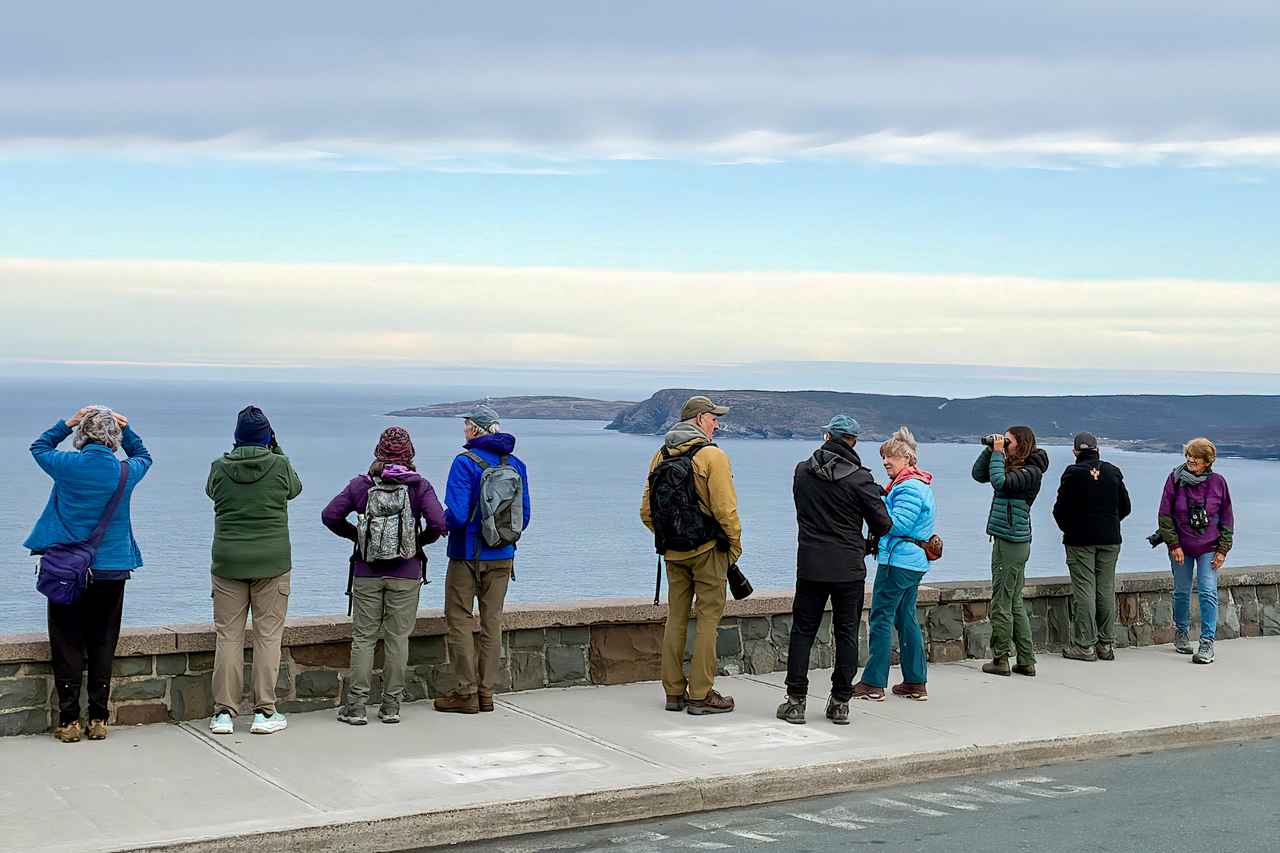
The Urban-Wildlife Interface: St. John’s and the Eastern Frontier
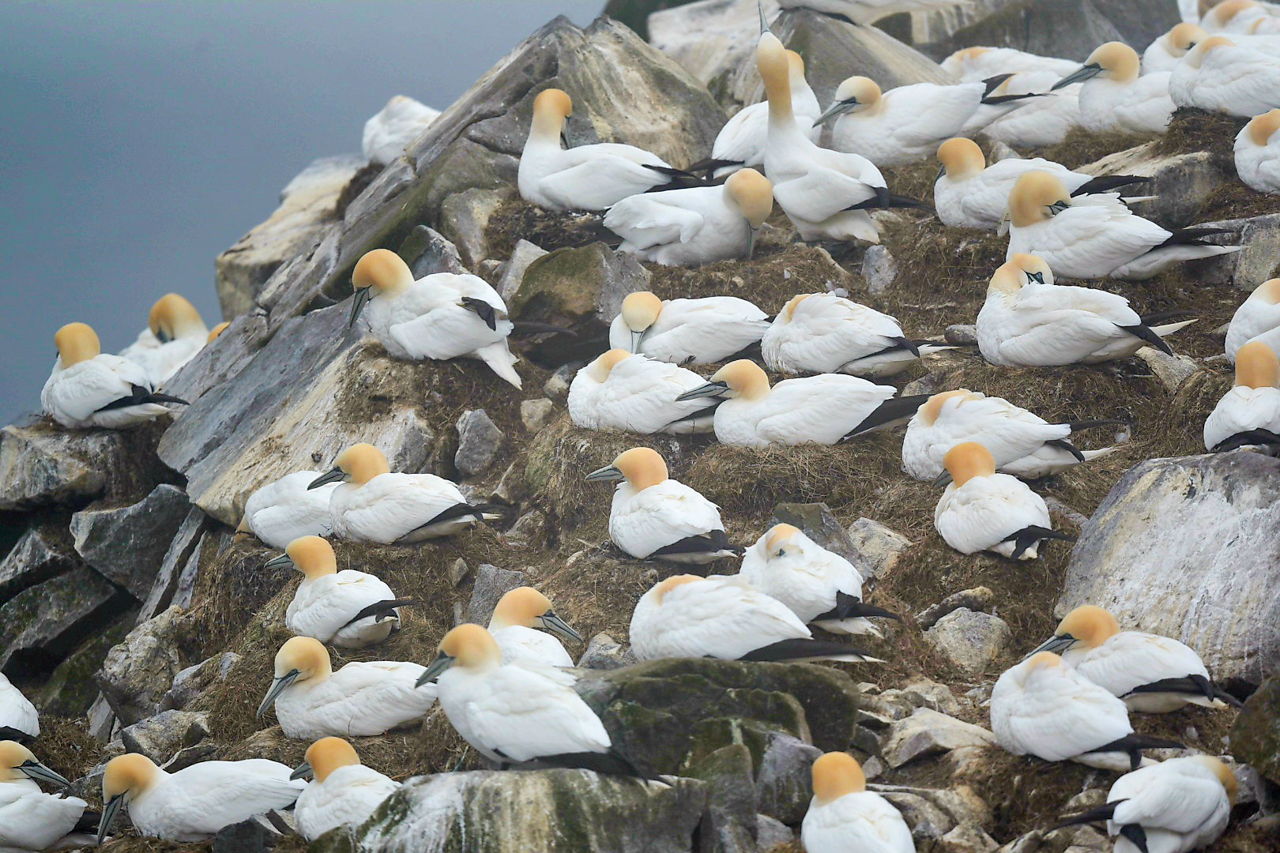
The expedition commenced in St. John’s, North America’s easternmost city, which provides a unique urban-wildlife interface. Initial observations at Deadman’s Pond and Signal Hill National Historic Site set a high standard for the trip. Signal Hill, famous as the site of Guglielmo Marconi’s first transatlantic wireless signal in 1901, provided a vantage point for observing Northern Gannets and Great Black-backed Gulls against a backdrop of the Atlantic. Observers also noted the presence of Minke Whales in the distance, a common sight during the early summer months when capelin—a small forage fish—draw whales and seabirds close to the shore.
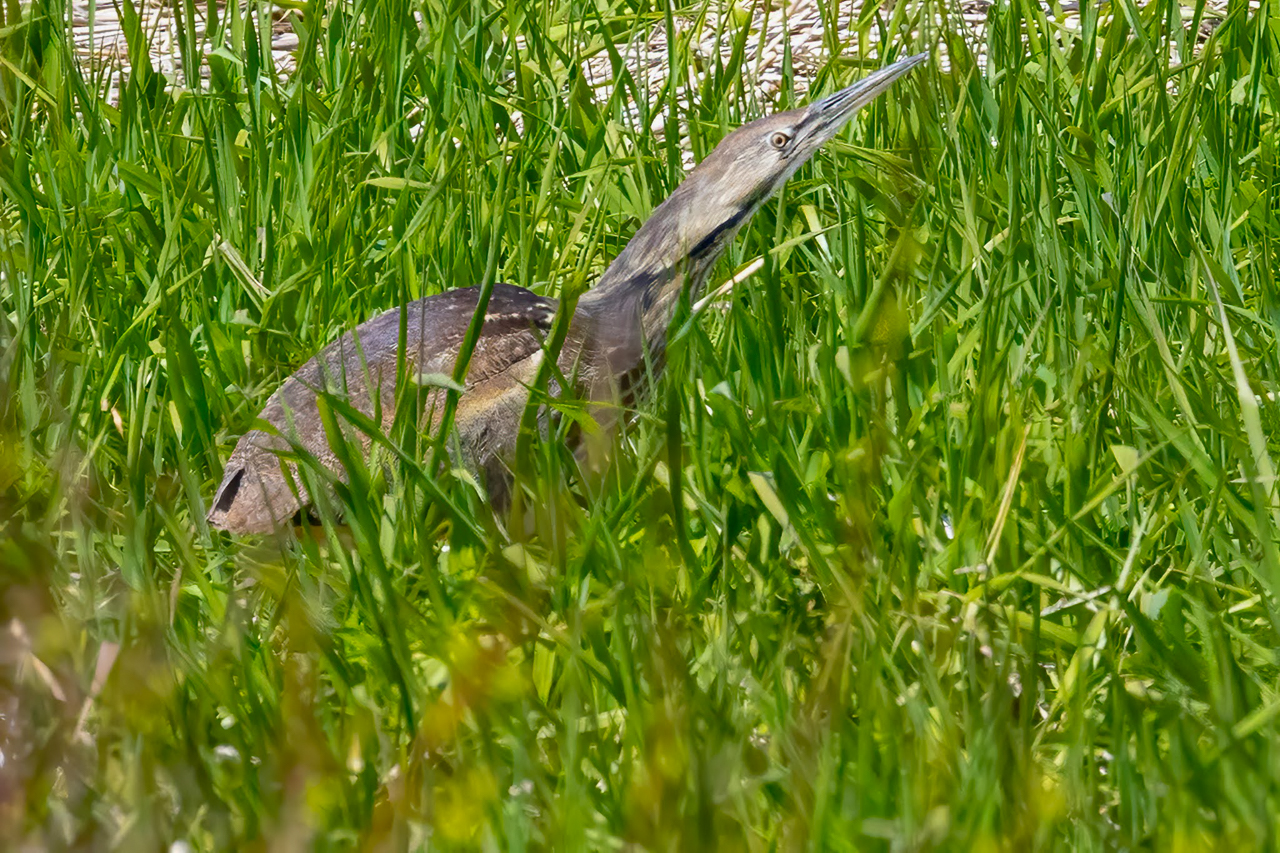
The group moved to the Goulds area, focusing on the Black Spruce forests of Cochrane Pond Road and Bidgood Park. These habitats are critical breeding grounds for boreal songbirds. Significant sightings included the Northern Waterthrush and the Wilson’s Warbler. A notable highlight was the American Bittern, a heron species known for its cryptic plumage and "skulking" behavior in marsh vegetation. The sighting of a Killdeer, considered a rarity on the island of Newfoundland, added significant value to the expedition’s avian log.
The Pelagic Spectacle of Witless Bay and the Steller’s Sea Eagle
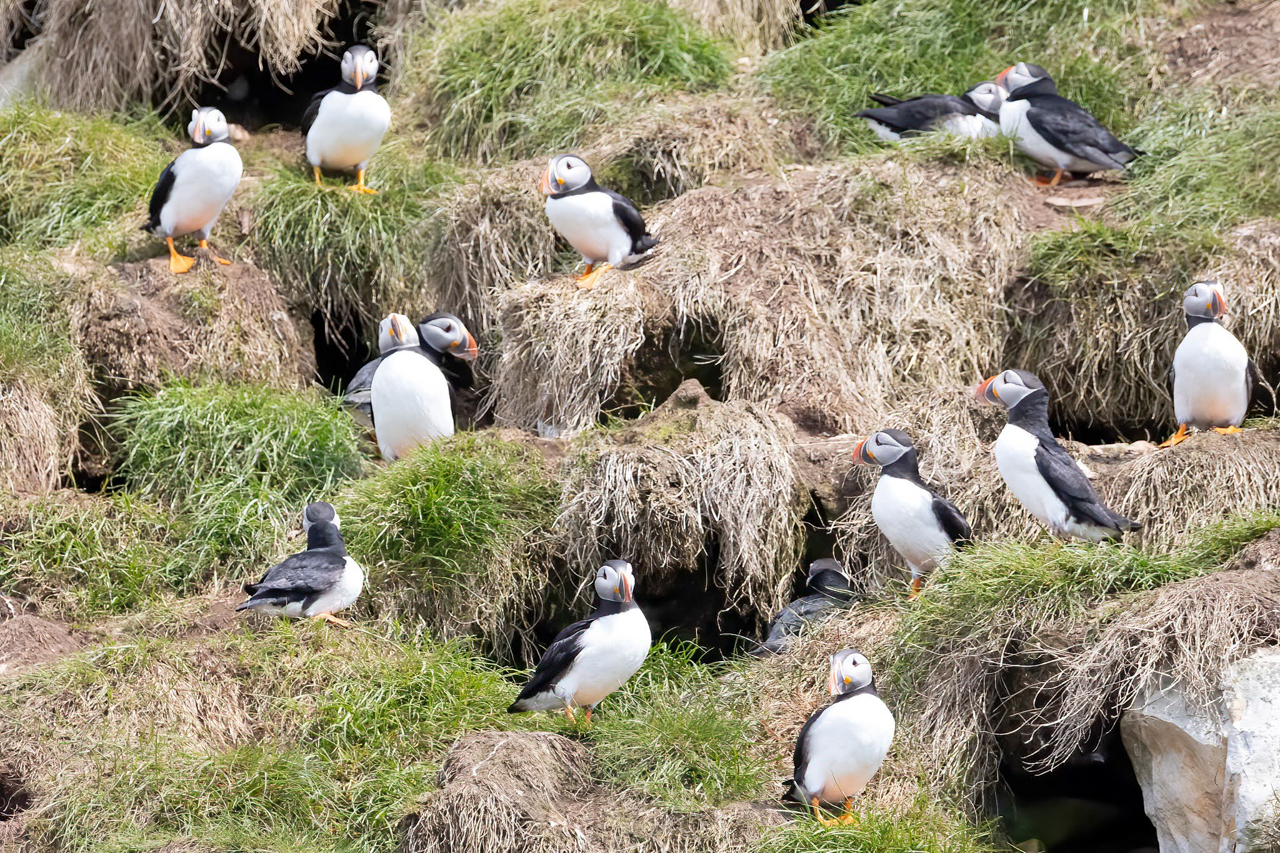
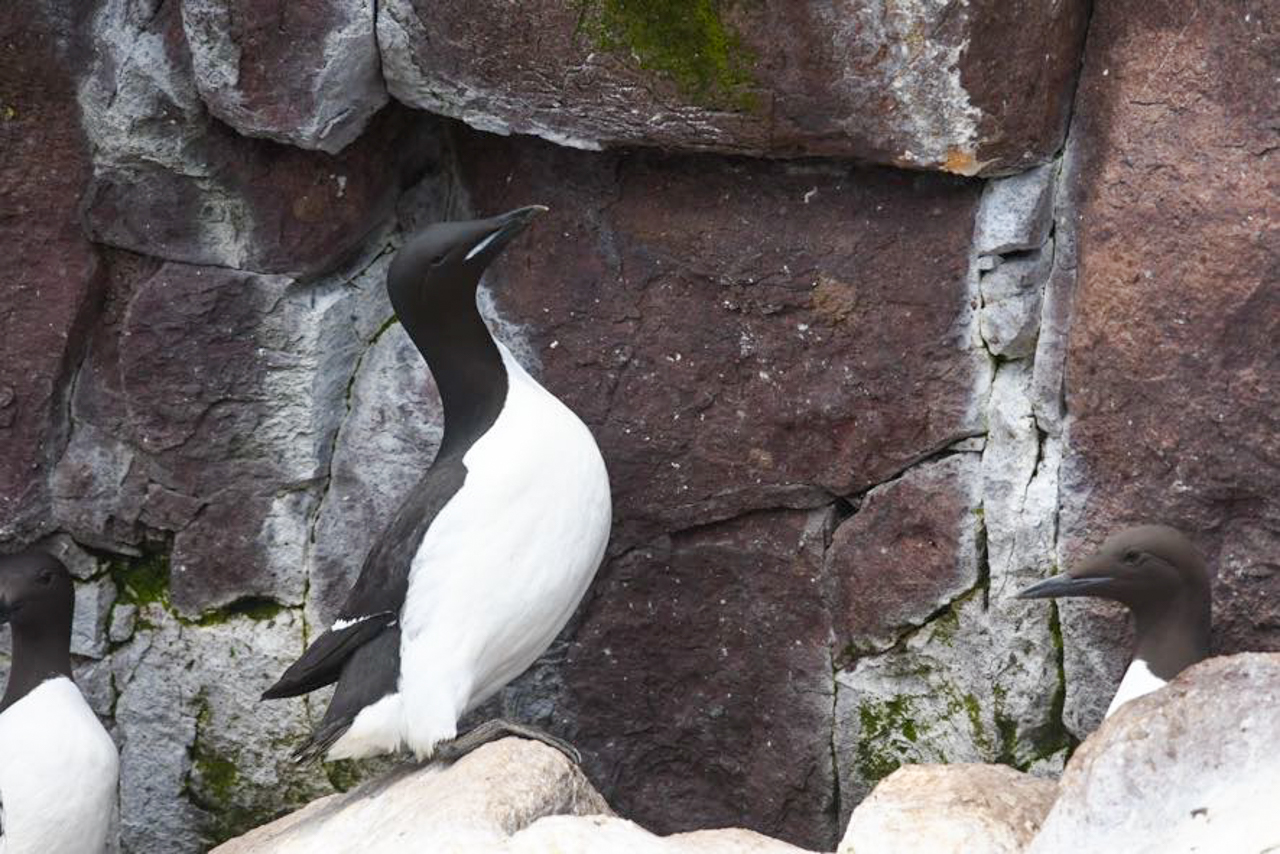
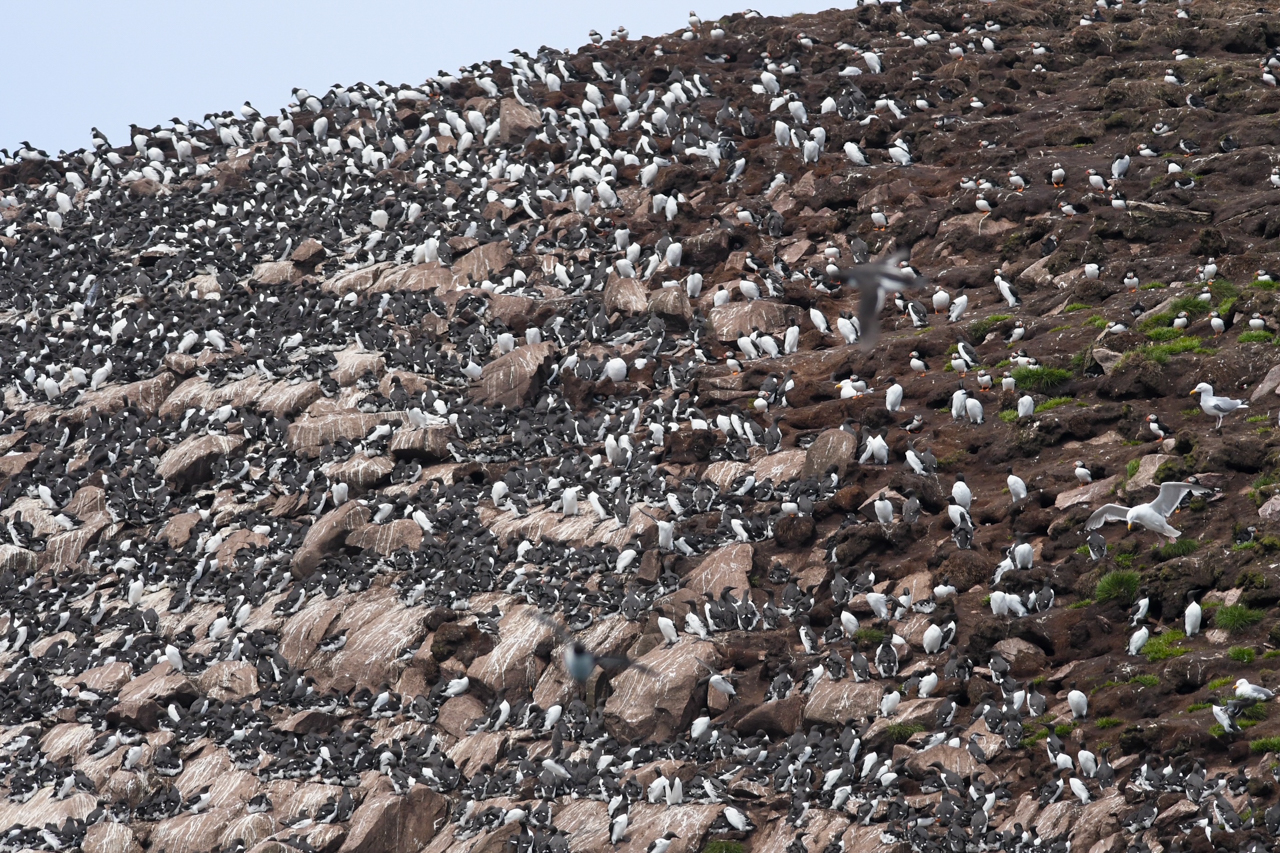
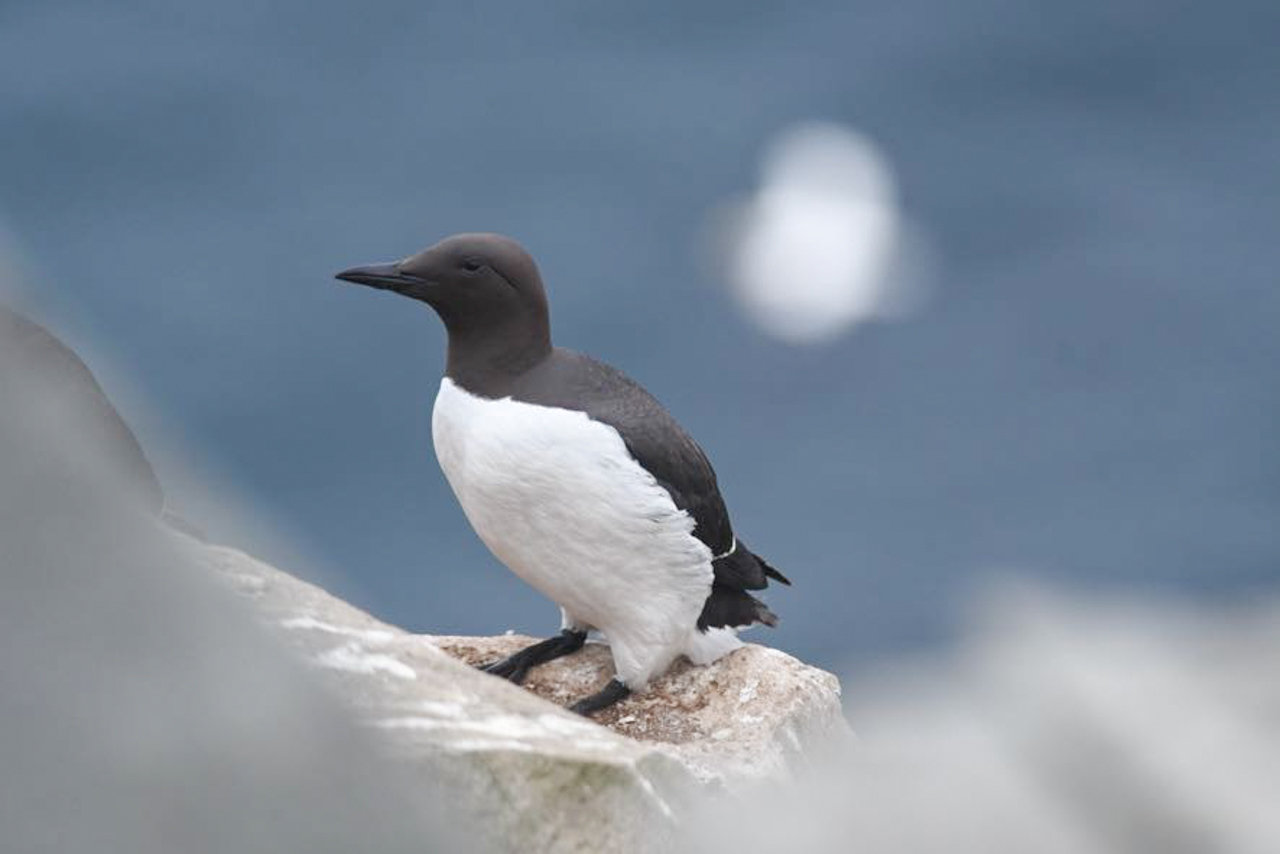
A core component of the Newfoundland ecological experience is the Witless Bay Ecological Reserve. This reserve contains the largest Atlantic Puffin colony in North America, with over 260,000 pairs nesting annually. During a boat tour of Gull Island, participants observed staggering numbers of Atlantic Puffins, Common Murres, Razorbills, and Black-legged Kittiwakes. The guides identified a Thick-billed Murre among the colonies, a species more typically associated with the High Arctic.
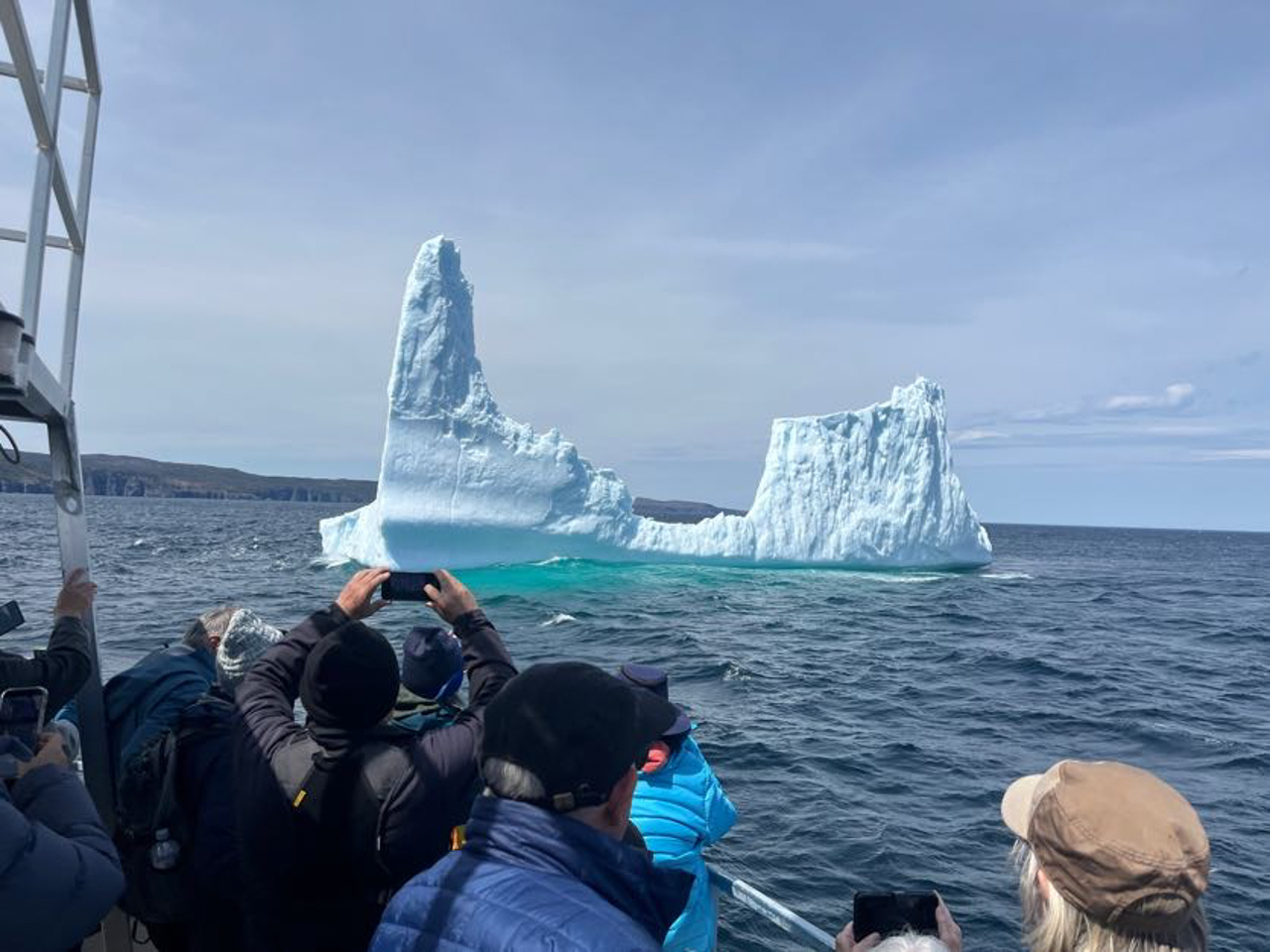
Environmental conditions also allowed for an up-close inspection of a wandering iceberg near Bay Bulls. These ice masses, calved from Greenland’s glaciers, are a seasonal fixture of "Iceberg Alley," significantly impacting local water temperatures and nutrient cycles.
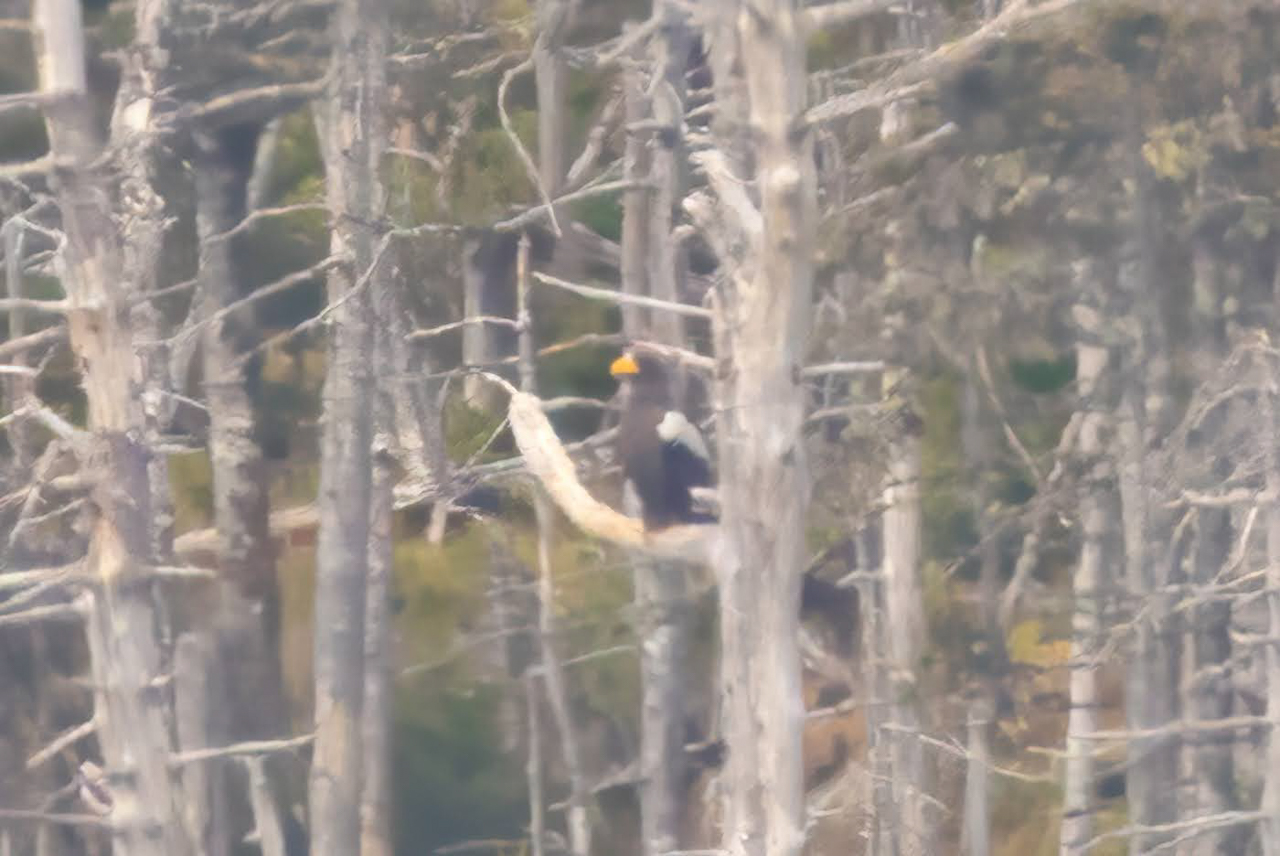
Perhaps the most significant ornithological event of the trip was the successful sighting of the Steller’s Sea Eagle in Whiteway. This bird, native to Northeast Asia, has been a resident of Newfoundland since 2023, representing one of the most famous avian vagrants in modern North American history. Despite the challenges of viewing from land, the group utilized high-powered spotting scopes to confirm the eagle’s presence at a distance of 1.5 kilometers, marking a "lifer" sighting for many participants.
The Irish Loop and the Hyper-Oceanic Barrens
The expedition traveled south along the "Irish Loop," a coastal route rich in both history and biodiversity. At St. Michaels, the group observed Northern Fulmars nesting on Ship Island. This represents one of the few southern colonies for the species, which typically prefers the Arctic.
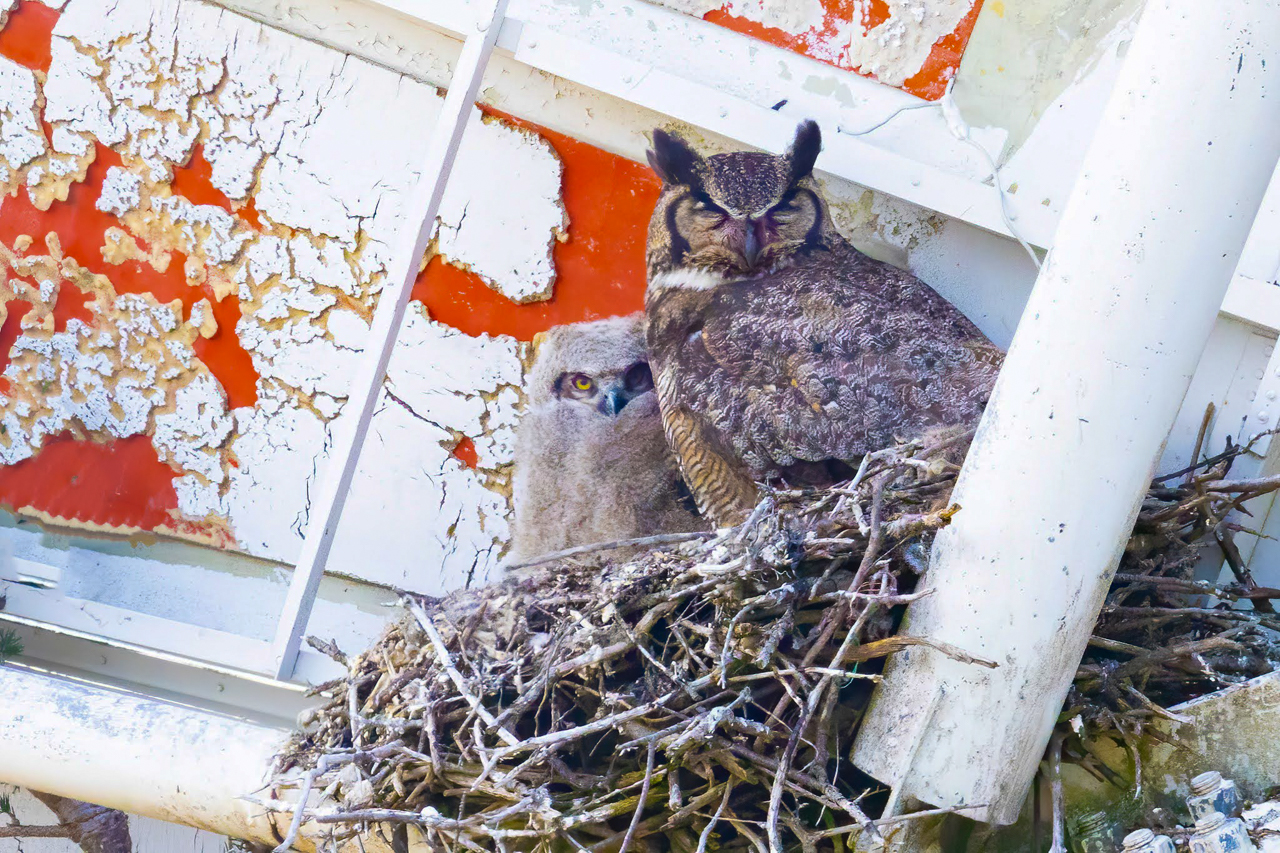
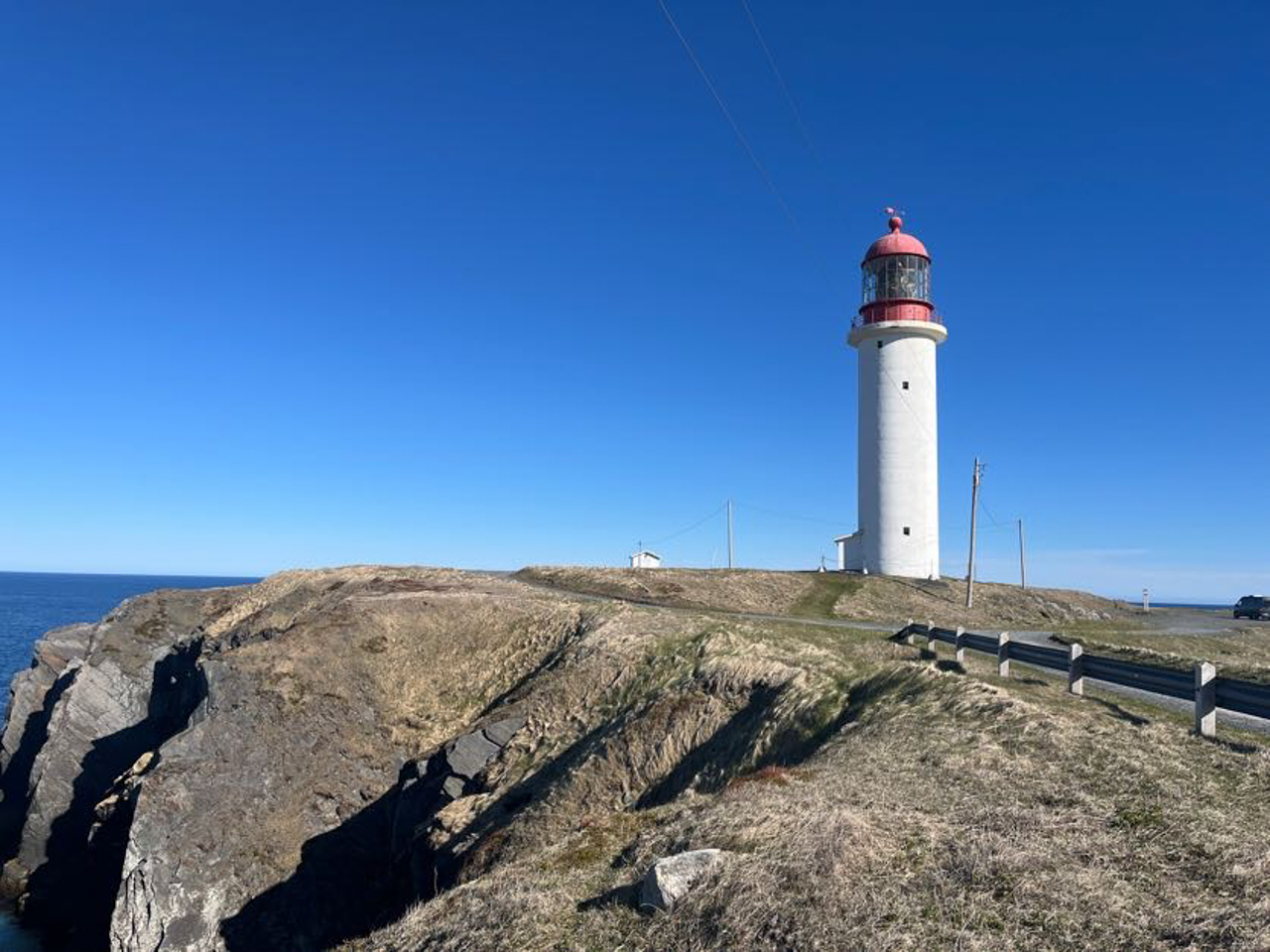
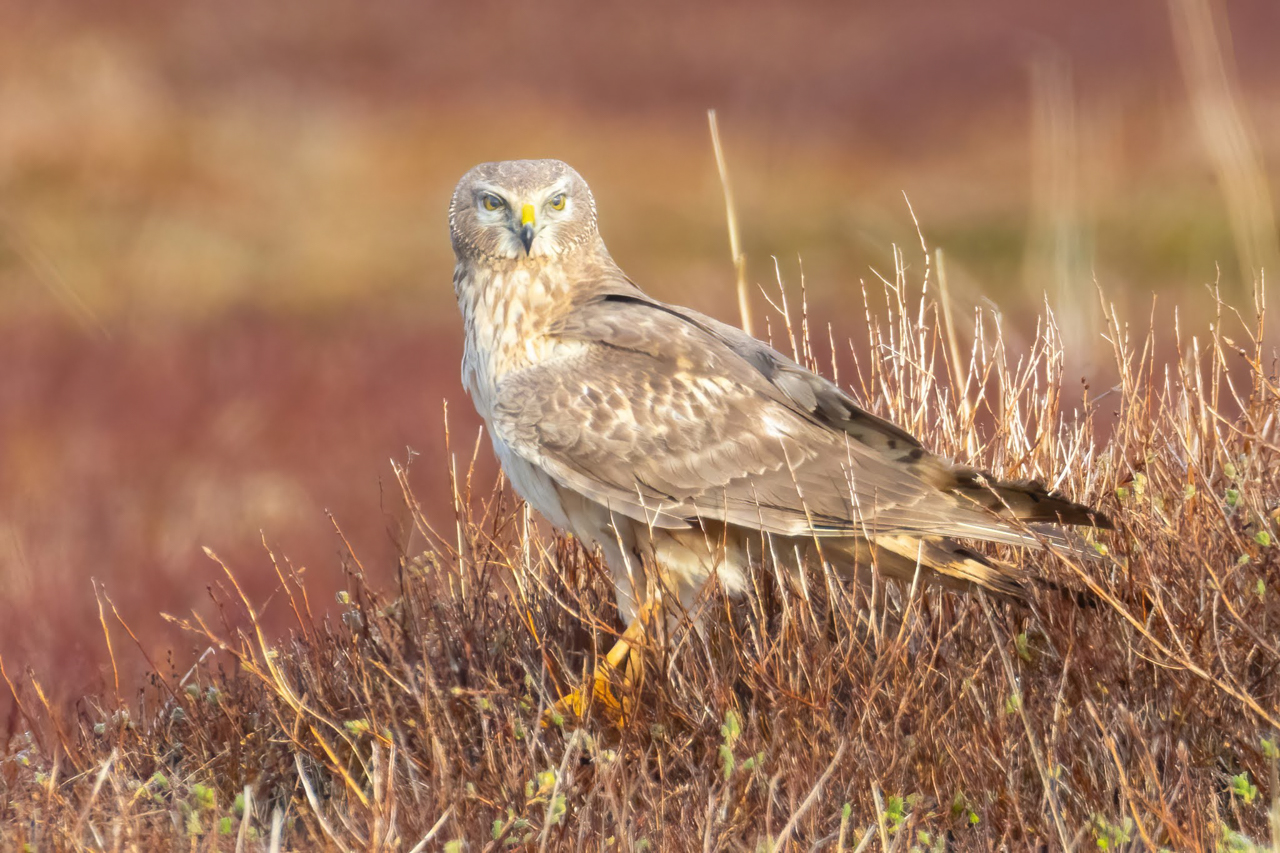
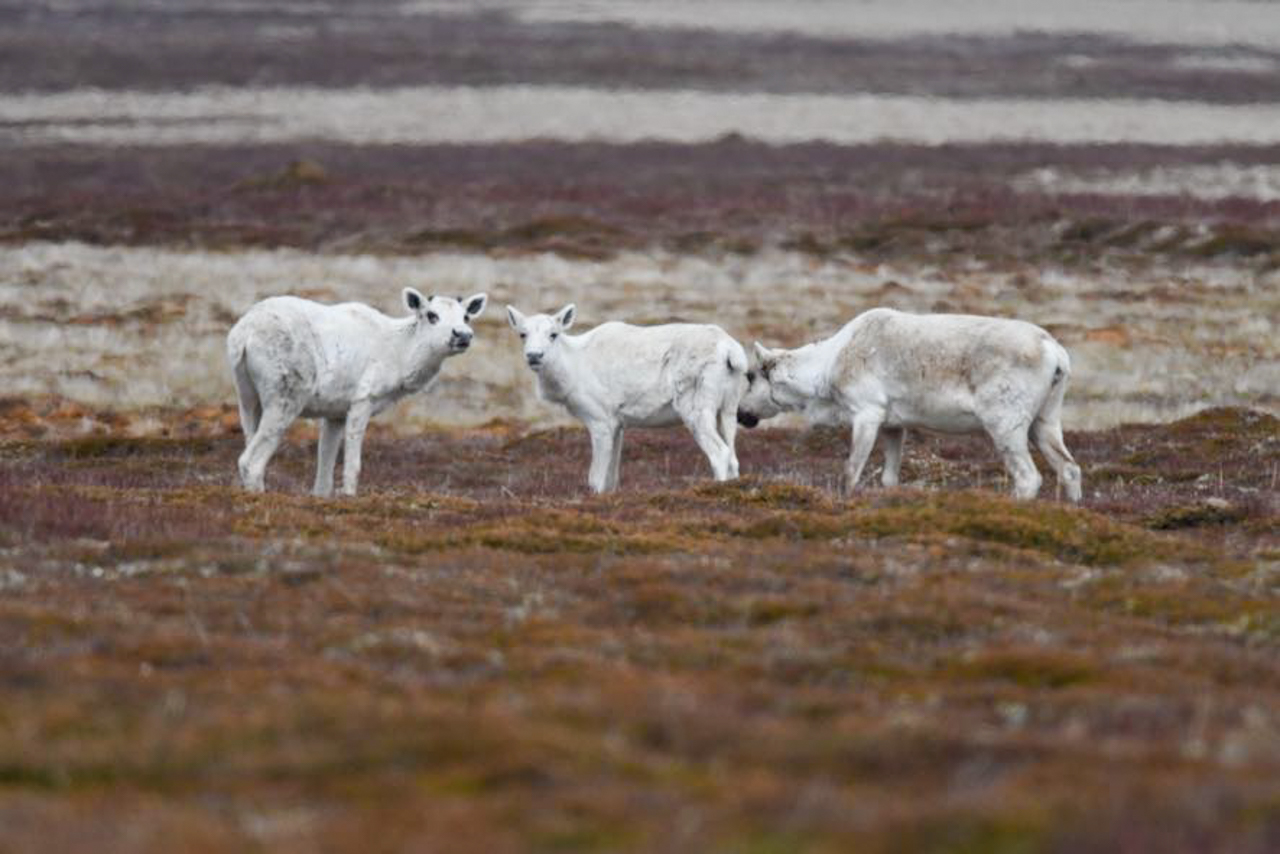
The southern tip of the Avalon Peninsula is home to the Eastern Hyper-Oceanic Barrens, a globally rare ecosystem characterized by peat bogs, stunted coniferous forests (locally known as "tuckamore"), and coastal barrens. This environment supports the southernmost herd of Woodland Caribou in Canada. The expedition successfully recorded eight caribou near the Cape Pine Lighthouse, alongside a Short-eared Owl—a species listed as "Special Concern" under the Canadian Species at Risk Act.
Historical context was provided at Cape Race, where the wireless station famously received the Titanic’s distress signals in 1912. The area’s status as a UNESCO World Heritage Site candidate is further bolstered by the nearby Mistaken Point Ecological Reserve, which contains 565-million-year-old Ediacaran fossils, representing some of the oldest complex life forms on Earth.
Boreal Transitions: Terra Nova National Park
Moving into the central region of the province, the expedition transitioned into the boreal forest of Terra Nova National Park. This park protects a landscape of finger-like fjords and dense forests. Pre-breakfast outings yielded sightings of the Yellow-bellied Flycatcher, Magnolia Warbler, and Lincoln’s Sparrow.
Terra Nova’s diverse flora was a point of focus, particularly the Purple Pitcher Plant—Newfoundland’s provincial floral emblem. As a carnivorous plant, the Pitcher Plant thrives in the nutrient-poor bogs that define much of the park’s interior. The group also documented the winnowing of Wilson’s Snipes and the drumming of Ruffed Grouse, essential auditory markers of the spring breeding season.
The expedition also visited Gander, known historically as the "Crossroads of the World." The Gander International Airport played a pivotal role during the 9/11 crisis, a story popularized by the musical Come From Away. This stop provided a cultural bridge between the province’s ecological treasures and its significant role in global aviation history.
The West Coast: Gros Morne and Geological Time
The final leg of the journey took the group to Gros Morne National Park, a UNESCO World Heritage Site recognized for its exceptional geological features. The park provides a rare example of continental drift, where deep ocean crust and the Earth’s mantle are exposed.
At Western Brook Pond, a former fjord now cut off from the sea, the group embarked on a boat tour flanked by billion-year-old cliffs. The ecosystem here is subarctic boreal lowland, supporting species such as the Tennessee Warbler and various carnivorous plants, including the Round-leaved Sundew and Common Butterwort.
Geological exploration reached its peak at the Tablelands, a barren mountain of peridotite. This rock, usually found in the Earth’s mantle, is toxic to most plant life due to its high magnesium and low calcium content, resulting in a stark, Mars-like landscape. Despite the harsh conditions, the group observed specialized flora like Moss Campion and Beautiful Sandwort.
On the coastal fringes, the expedition recorded 30 Harlequin Ducks and Great Cormorants at Broom Point. The Harlequin Duck is a species of special concern in Eastern Canada, making the sighting of a large mixed-sex group a significant data point for the trip’s conservation records.
Chronology of Key Ecological Observations
The eleven-day timeline reflects the migratory and breeding patterns of the North Atlantic:
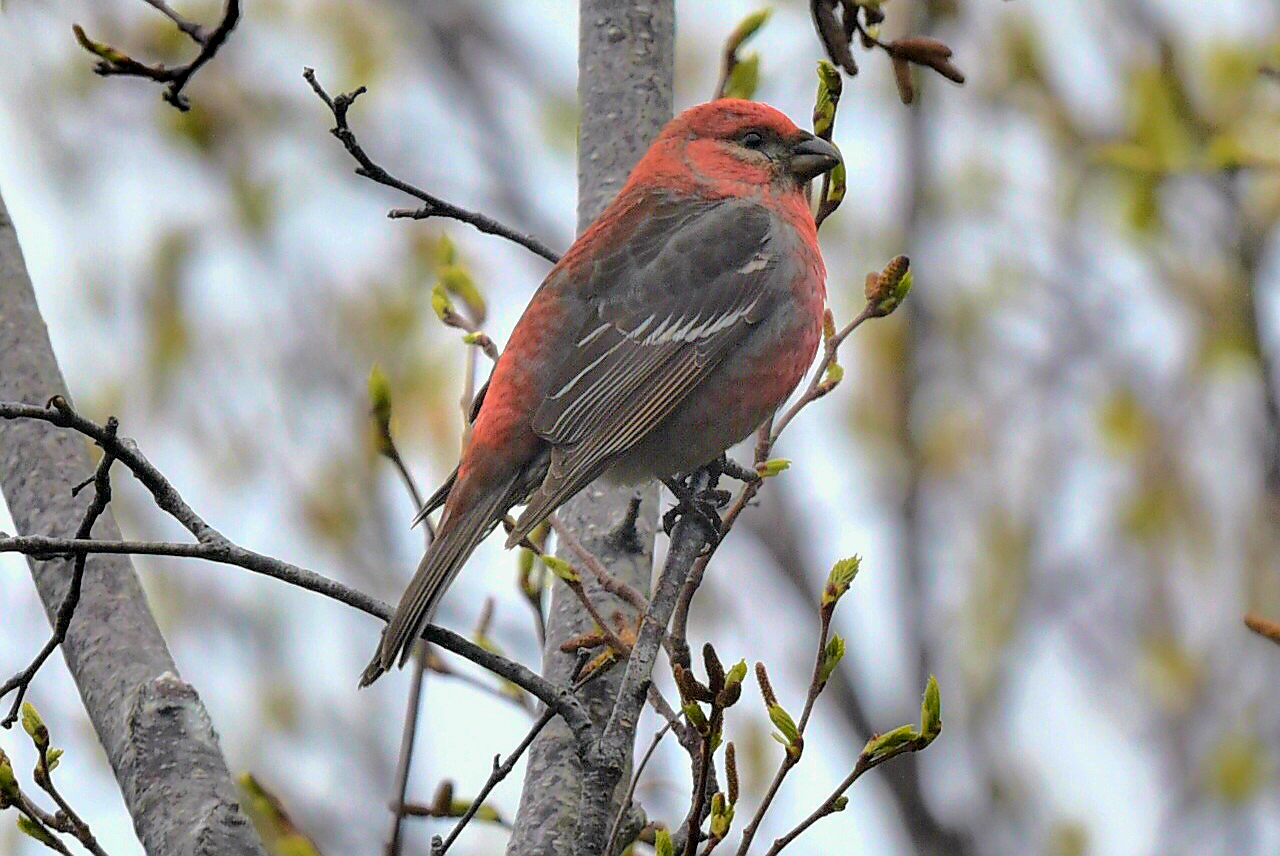
- Days 1-3: Focus on urban sea-watching and the Witless Bay seabird colonies.
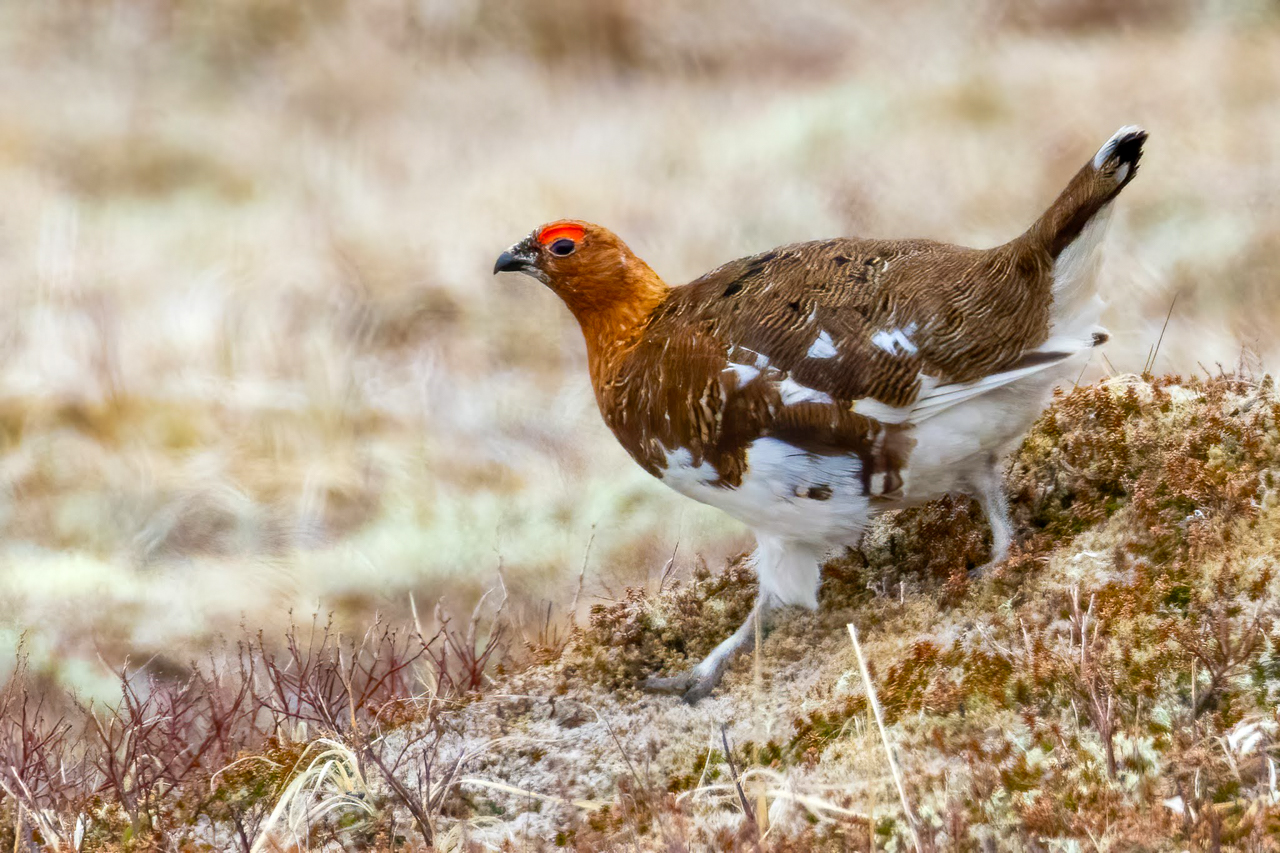
- Days 4-5: Transition to the southern barrens; sightings of Woodland Caribou and Willow Ptarmigan.
- Days 6-8: Central boreal forest survey; documentation of warbler diversity and aviation history.
- Days 9-11: Western coast geological survey; recording of rare waterfowl and mantle-rock flora.
Implications and Regional Significance
The findings of this expedition underscore the economic and ecological importance of nature-based tourism in Newfoundland and Labrador. According to provincial data, birding and wildlife viewing contribute significantly to the tourism sector, which sees over 500,000 non-resident visitors in a typical year.
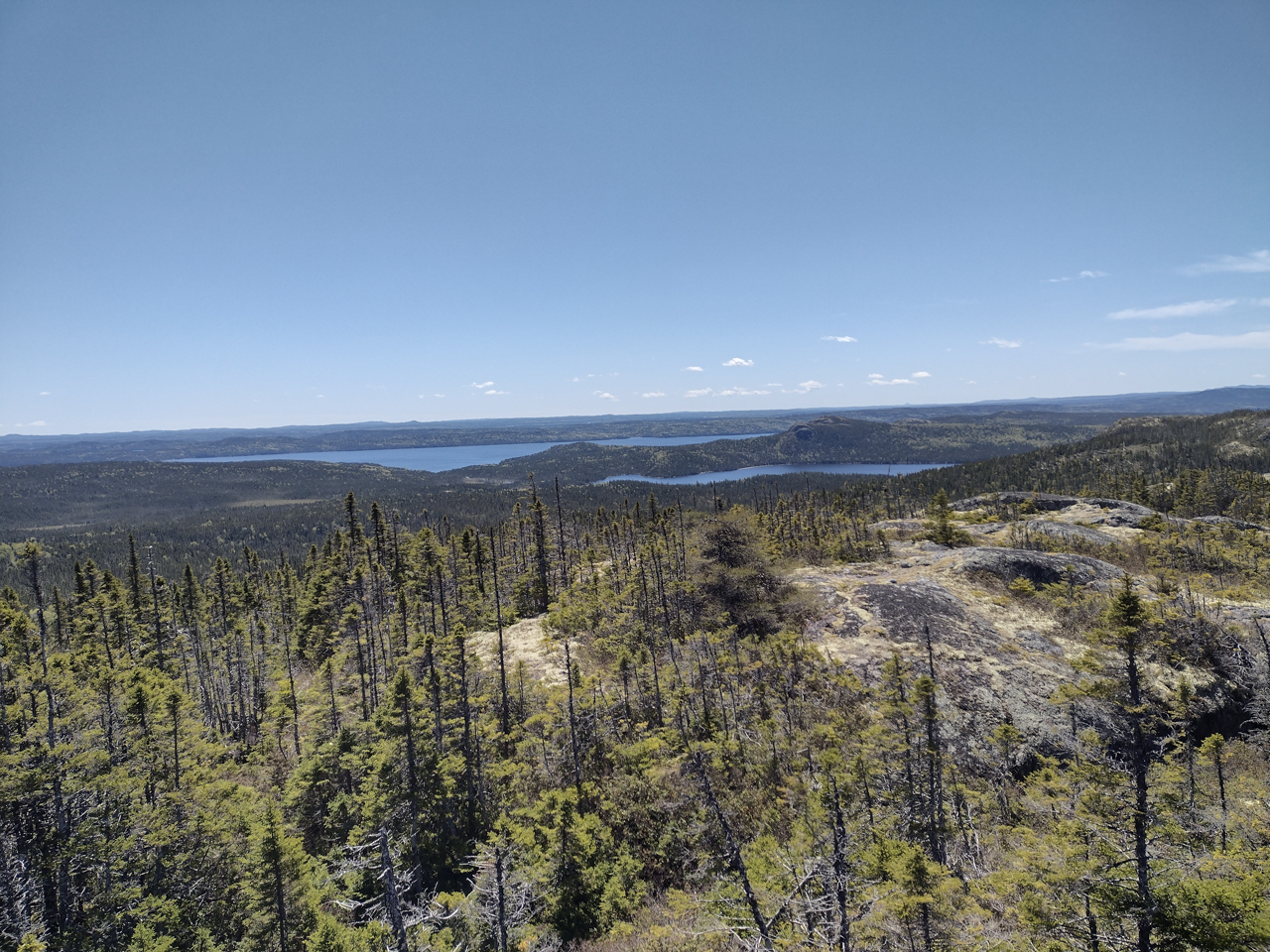
From a conservation perspective, the documentation of species like the Short-eared Owl, Harlequin Duck, and the Steller’s Sea Eagle provides valuable anecdotal data for regional bird counts. The presence of the Steller’s Sea Eagle, in particular, continues to draw international attention, highlighting how rare biological events can drive regional interest in habitat preservation.
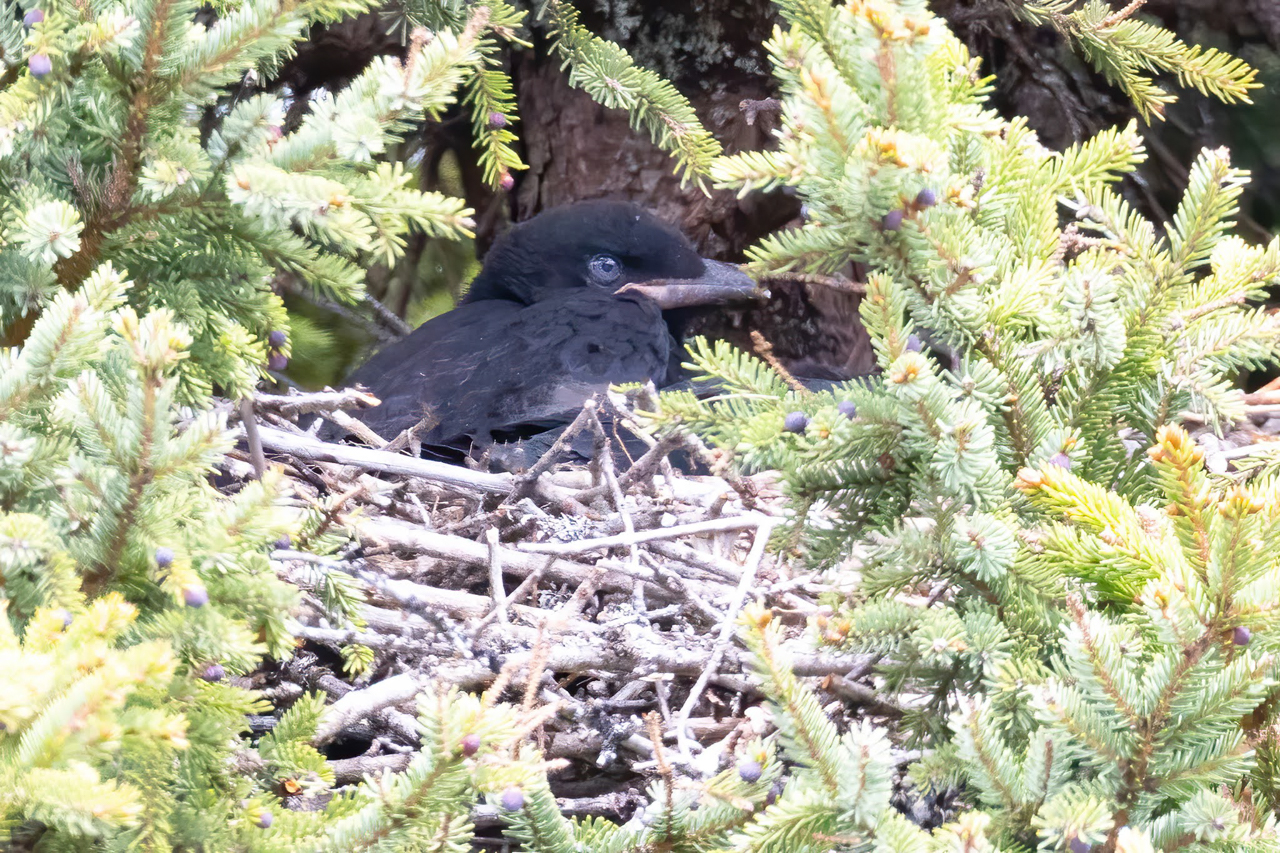
The expedition concluded in Deer Lake, having successfully navigated the diverse biomes of "The Rock." The mix of high-density seabird colonies, rare Asian vagrants, and ancient geological formations confirms Newfoundland’s status as a critical laboratory for the study of North Atlantic ecology. Participants left with a comprehensive understanding of the province’s role as a sanctuary for both resident and migratory species, emphasizing the need for continued protection of these unique landscapes.
