
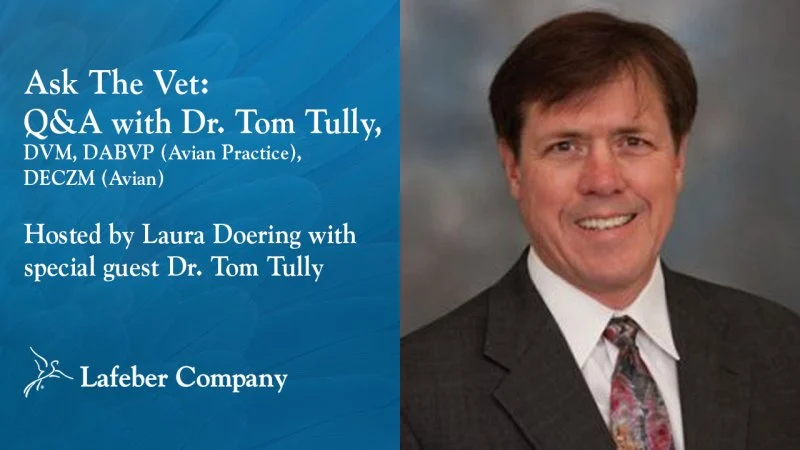
A free, live, and interactive webinar featuring renowned avian veterinarian Dr. Tom Tully is scheduled for Friday, June 19, 2026, at 12:00 p.m. Pacific Daylight Time. Hosted by Laura Doering, former editor of prominent avian publications Bird Talk and Birds USA, the event aims to provide pet bird owners with direct access to expert advice on avian health, nutrition, and care. Attendees will have the opportunity to submit their questions to Dr. Tully, who will offer detailed responses based on his extensive experience and knowledge, particularly concerning parrots.
The webinar, accessible via registration through Zoom, represents a significant opportunity for the public to engage with a veterinarian of Dr. Tully’s caliber. Dr. Tully holds multiple prestigious credentials, including Doctor of Veterinary Medicine (DVM), Diplomate of the American Board of Veterinary Practitioners (Avian Practice), and Diplomate of the European College of Veterinary Pathologists (Avian). His academic and clinical career has been dedicated to avian medicine, currently serving as a decorated Professor and practicing veterinarian at the Louisiana State University School of Veterinary Medicine. His international recognition stems from his specialized expertise, which has been acknowledged by certifications in both the United States and Europe. This unique combination of qualifications underscores his authority in the field of avian health.
Background and Event Significance
The "Ask The Vet" webinar series, of which this event is a part, is designed to bridge the knowledge gap between pet owners and veterinary professionals. The initiative is rooted in the belief that an educated pet owner is a more responsible and effective steward of their animal’s well-being. This philosophy is strongly advocated by Dr. Tully himself, who emphasizes the importance of empowering owners with accurate information to make informed decisions about their birds’ health.
The decision to host such an event stems from a recognized need within the pet bird community for accessible, high-quality veterinary guidance. Pet birds, particularly parrots, are known for their complex needs and can exhibit subtle signs of illness that may go unnoticed by less experienced owners. The cost and accessibility of specialized veterinary care can also be a barrier for many, making events like this particularly valuable. By offering this session free of charge, the organizers are demonstrating a commitment to democratizing access to expert avian health information.
Laura Doering, the host, brings a wealth of experience in communicating complex animal care topics to a broad audience. Her tenure as editor of Bird Talk and Birds USA has equipped her with a deep understanding of the common concerns and questions faced by bird owners. Her role will be crucial in facilitating the Q&A session, ensuring a smooth flow of information and that Dr. Tully’s insights are clearly conveyed.
Dr. Tom Tully: An Authority in Avian Medicine
Dr. Tom Tully’s credentials alone speak volumes about his expertise. His dual board certifications in avian practice in both the US and Europe are exceptionally rare, highlighting his dedication and advanced standing in the field. As a Professor at LSU’s School of Veterinary Medicine, he is not only actively involved in clinical practice but also in shaping the next generation of veterinarians. This academic position suggests a continuous engagement with the latest research and veterinary advancements.
His extensive experience, particularly with parrots, is a significant draw for attendees. Parrots are known for their intelligence, social complexity, and specific dietary and environmental needs. Understanding the nuances of their health, from nutritional deficiencies to behavioral issues that may have underlying medical causes, requires specialized knowledge. Dr. Tully’s ability to differentiate between health-related and behavioral problems, and to provide detailed explanations, will be invaluable.
The rarity of having such direct access to a veterinarian of Dr. Tully’s status cannot be overstated. While many veterinarians treat birds, few possess the specialized, board-certified expertise that Dr. Tully brings. This webinar provides a unique platform for pet owners to receive insights that might otherwise be limited to those who can afford extensive consultations with highly specialized avian practitioners.
Logistics and Participation
The webinar is scheduled for Friday, June 19, 2026, at 12:00 p.m. Pacific Daylight Time (PDT). Given the global nature of the internet, attendees are strongly encouraged to verify their local time using the provided time zone converter link to ensure they do not miss the live event. This proactive measure by the organizers helps to mitigate potential scheduling conflicts for participants across different geographical locations.
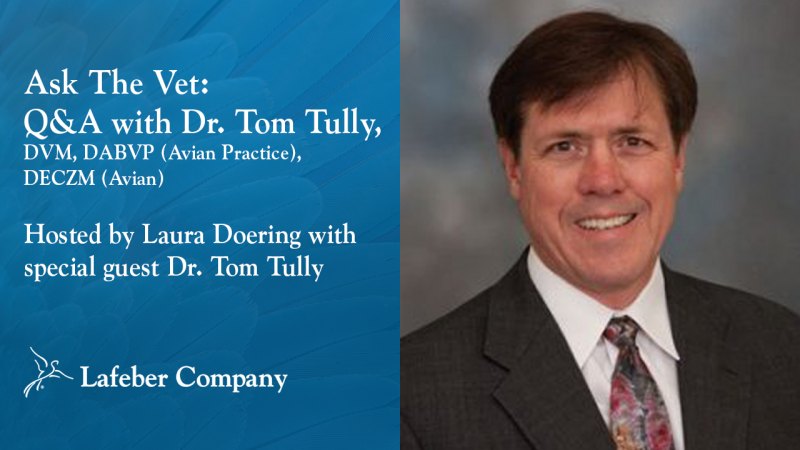
Registration is required to attend the webinar, and a direct link has been provided for easy access: https://us02web.zoom.us/webinar/register/WN_3U5I1D9fSjKUDl-z6CQxFA. Early registration is advisable, as webinar platforms can sometimes have participation limits or require time for confirmation emails to be processed.
The interactive nature of the webinar is a key feature, allowing attendees to pose questions directly to Dr. Tully. This format fosters engagement and ensures that the information shared is relevant to the audience’s immediate concerns. The organizers have emphasized Dr. Tully’s commitment to answering each question in detail, promising a rich and informative session.
Supporting Data and Industry Context
The pet bird industry is a significant segment of the broader pet care market. According to various industry reports, the ownership of birds as pets remains consistent, with a dedicated base of enthusiasts who invest heavily in the well-being of their avian companions. For instance, surveys from pet industry associations often highlight that bird owners spend considerable amounts on specialized food, toys, veterinary care, and habitat enrichment. The market for avian-specific veterinary services has seen growth, reflecting an increasing awareness among owners about the specialized needs of their pets.
The demand for expert advice on avian health is further evidenced by the popularity of online forums, specialized publications, and veterinary blogs dedicated to bird care. However, the accuracy and reliability of information found in informal online spaces can be highly variable. This makes structured events featuring credentialed experts like Dr. Tully critically important for disseminating accurate and evidence-based information.
Furthermore, the trend towards preventative care in pet ownership is growing. Owners are increasingly seeking to understand how to prevent health issues through proper nutrition, environmental management, and early detection of symptoms. Dr. Tully’s emphasis on the "educated bird owner" aligns perfectly with this trend, suggesting that the webinar will likely cover topics ranging from dietary guidelines for different species to recognizing early warning signs of common avian ailments.
Broader Impact and Implications
The "Ask The Vet" webinar with Dr. Tully has several potential implications for the pet bird community and the veterinary field.
Firstly, it democratizes access to specialized veterinary knowledge. By offering this expertise for free, it levels the playing field for bird owners who may not have access to or the financial means for consultations with board-certified avian veterinarians. This can lead to improved health outcomes for a larger number of pet birds.
Secondly, it reinforces the importance of continuing education for pet owners. Dr. Tully’s belief that educated owners are better stewards encourages a proactive approach to pet care. This can lead to fewer instances of neglect, mistreatment, or mismanagement of pet birds due to lack of knowledge.
Thirdly, such events can foster a stronger sense of community among bird enthusiasts. The opportunity to connect with experts and other owners through a shared platform can lead to greater engagement and mutual support within the hobby.
Finally, from a veterinary perspective, these webinars can indirectly contribute to the profession by raising awareness about the complexities of avian health. This might inspire more veterinary students to pursue avian specialization, ultimately increasing the number of qualified professionals available to serve the pet bird population. The detailed answers provided by Dr. Tully could also serve as a valuable resource for other veterinarians seeking to deepen their knowledge in specific areas of avian medicine. The long-term impact of such initiatives can be a healthier, better-cared-for population of pet birds, contributing to the overall welfare of these animals.
