
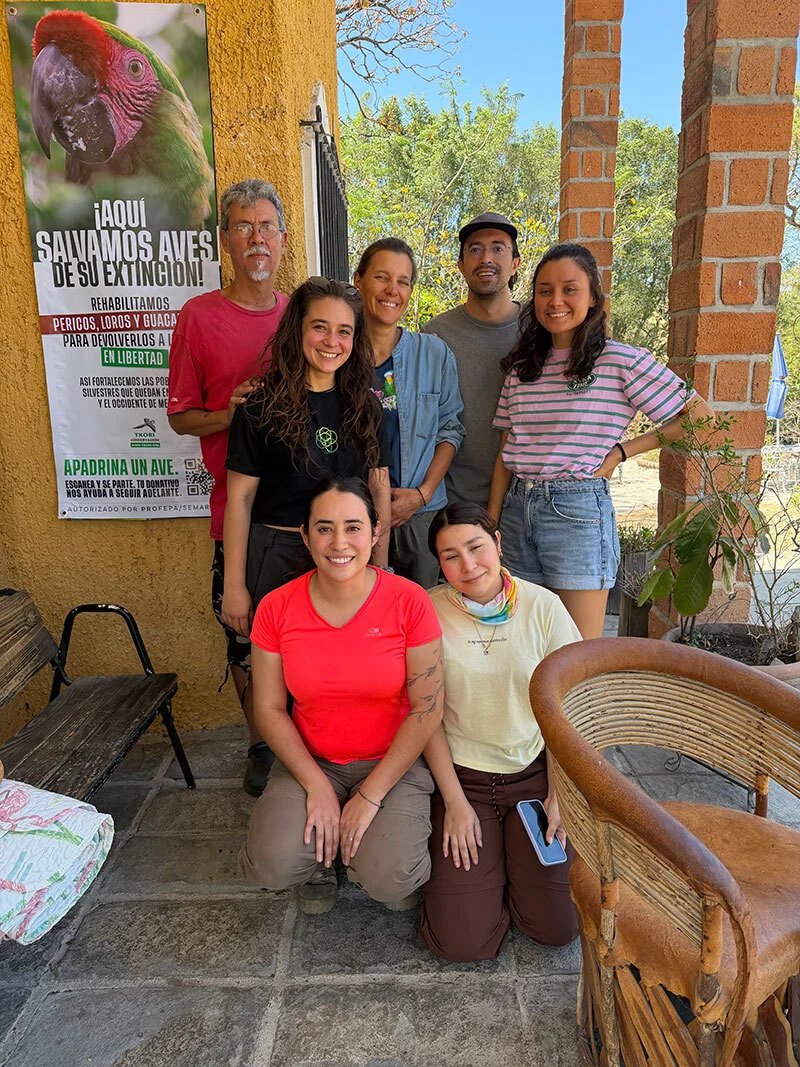
The once-vibrant forests of western Mexico, historically echoing with the raucous calls and brilliant plumage of large, wild populations of Military Macaws (Ara militaris), are now starkly quiet. Decades of relentless illegal logging, unchecked urban expansion, and a devastating wildlife trafficking trade have pushed these magnificent avian symbols to the precipice of extinction. The sight of a Military Macaw flock in its natural habitat has become an exceedingly rare and poignant event, a testament to the severe ecological pressures these birds face. However, amidst this grim reality, a beacon of hope shines brightly, fueled by the unwavering dedication and pioneering efforts of the Txori Foundation. This organization, with a profound and extended commitment to conservation, is spearheading a monumental initiative aimed at reintroducing a significant flock of these endangered macaws back into the wild, a critical step towards their species’ recovery.
A Legacy of Conservation: The Txori Foundation’s Enduring Mission
Founded in 1989, the Txori Foundation emerged as a direct response to Mexico’s escalating environmental crises, recognizing the urgent need for dedicated action to protect its rich biodiversity. With a mission that has spanned generations, the foundation has consistently championed the cause of wildlife preservation. Their current, most ambitious and critical undertaking focuses on a carefully managed flock of sixteen Military Macaws housed within their sanctuary. These birds are not merely being cared for; they are undergoing an intensive and rigorous rehabilitation program designed to equip them with the essential survival skills necessary for a successful return to their ancestral lands. This ambitious reintroduction plan marks a pivotal moment in the ongoing struggle to save the Military Macaw from extinction.
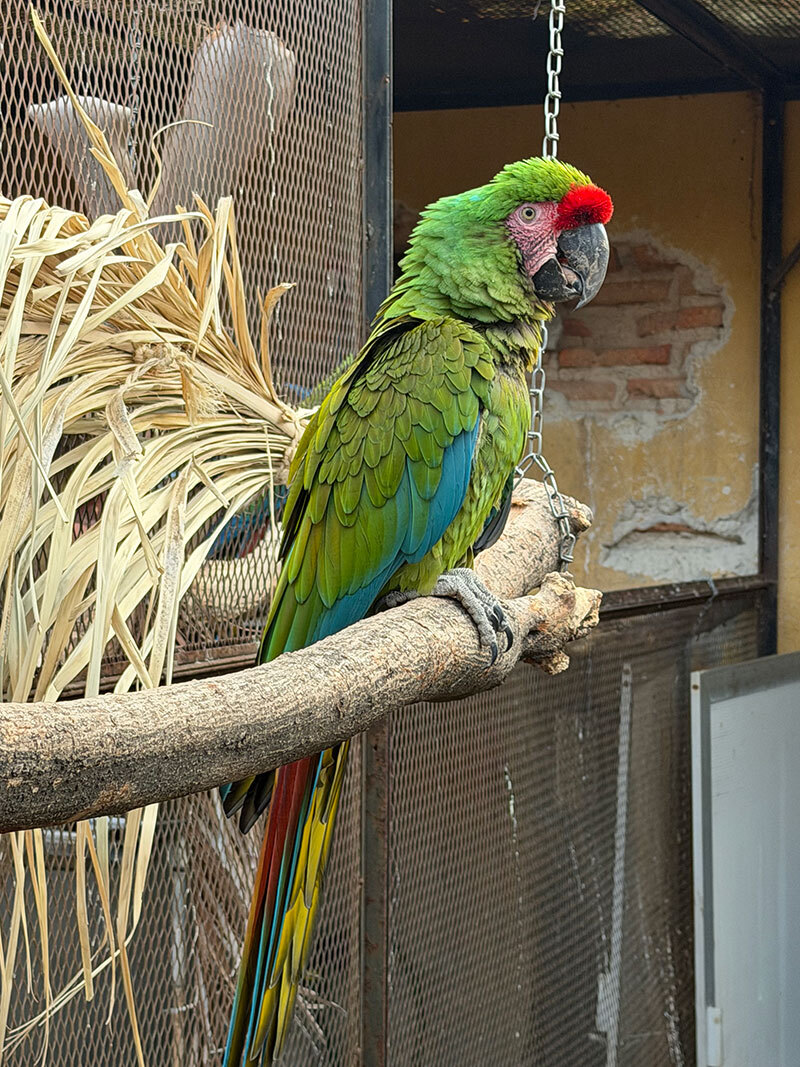
The rehabilitation process is meticulously overseen by a specialized, multidisciplinary team. This dedicated group comprises experts from various fields, each contributing their unique knowledge and passion to the birds’ welfare and future independence. The team includes:
- Avian Veterinarians: Providing comprehensive health assessments, specialized diets, and addressing any medical needs to ensure the birds are in peak physical condition.
- Wildlife Biologists: Studying macaw behavior, social structures, and natural foraging habits to best replicate the conditions they will encounter in the wild.
- Behavioral Specialists: Implementing training protocols that encourage natural behaviors, such as foraging for specific food types, recognizing predators, and navigating complex environments.
- Environmental Educators: Working to ensure the birds are desensitized to human presence and can distinguish between natural threats and harmless interactions.
- Habitat Restoration Experts: Identifying and preparing suitable release sites within the macaws’ original biological corridors, ensuring ample food sources and safe nesting opportunities.
The overarching objective of this extensive and resource-intensive effort is the successful reintegration of this flock into their original biological corridors. This strategic reintroduction is designed not only to ensure the survival of these sixteen individuals but also to lay the groundwork for the natural repopulation of the species, potentially igniting a significant recovery for Mexico’s wild macaw populations. The success of this project could serve as a powerful model for future conservation endeavors.
The Countdown to Release: March 2027 and the Financial Imperative
The grand release of these sixteen Military Macaws is tentatively scheduled for March 2027, a date that signifies a monumental victory for conservation if achieved. However, the path to this pivotal moment is fraught with challenges, primarily the ongoing and substantial need for consistent financial resources. As a privately funded conservation initiative, the Txori Foundation faces the perpetual uphill battle of securing steady funding to sustain its critical operations.
Before the aviary doors can swing open to usher the macaws into their freedom, the foundation must successfully meet its ambitious fundraising goals. These funds are earmarked for essential, non-negotiable expenditures that are vital for the successful completion of the rehabilitation program and the subsequent release. These critical costs include:
- Specialized Avian Nutrition: Providing a diverse and nutrient-rich diet that mimics natural food sources, crucial for building the birds’ strength and resilience.
- Veterinary Care and Medical Supplies: Ensuring ongoing health monitoring, preventative care, and immediate treatment for any unforeseen medical issues.
- Enrichment Programs and Behavioral Training Tools: Implementing activities and resources that stimulate natural behaviors and prepare the birds for the challenges of the wild.
- Habitat Preparation and Monitoring Equipment: Securing and maintaining suitable release sites, including the installation of monitoring devices to track the birds’ post-release movements and well-being.
- Staffing and Expert Consultations: Covering the salaries of dedicated personnel and compensating specialized consultants who provide invaluable expertise.
- Post-Release Monitoring and Research: Allocating funds for tracking the released macaws to assess their adaptation, survival rates, and contribution to wild populations, which is crucial for refining future conservation strategies.
The successful culmination of the March 2027 release is poised to have implications that extend far beyond the immediate benefit to these sixteen individual birds. Upon their departure, the sanctuary will gain much-needed space, creating a vital opportunity for the Txori Foundation to extend its rehabilitation services to a new cohort of birds. This influx of rescued macaws, often victims of the brutal illegal pet trade and subsequent neglect or abuse, will receive the critical care and specialized attention they require, offering them a second chance at a life in the wild.
A Ripple Effect: Expanding the Sanctuary’s Reach and Impact
The rehabilitation and release of the current flock will strategically open up valuable space within the Txori Foundation’s sanctuary. This expansion of capacity is not merely about housing more birds; it represents a crucial step in scaling up conservation efforts. The foundation anticipates welcoming a new wave of rescued macaws, many of whom have endured harrowing experiences within the illegal wildlife trade. These birds, often confiscated from traffickers or rescued from inadequate living conditions, are in dire need of specialized care, rehabilitation, and a pathway back to their natural environment.
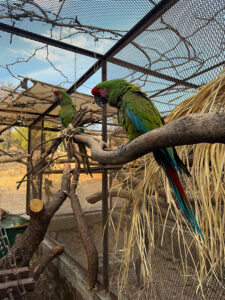
By creating this "domino effect," the Txori Foundation ensures that its impact is not confined to a single release event but rather establishes a sustainable cycle of rescue, rehabilitation, and reintroduction. Each successful release not only contributes to the wild population but also frees up resources and space for further interventions. This iterative process is vital for addressing the long-term threats facing the Military Macaw and other endangered avian species.
The road to successful conservation is undeniably arduous, marked by financial constraints, ecological degradation, and the persistent threat of illegal activities. However, the Txori Foundation remains profoundly encouraged by the growing awareness and commitment from local communities and the broader public. This burgeoning support is a testament to the power of collaborative conservation efforts. By actively supporting initiatives like the Txori Foundation’s Military Macaw reintroduction program, individuals and organizations can directly contribute to the revival of these magnificent birds and their rightful place in the Mexican skies.
This month, Lafeber, a prominent organization dedicated to avian health and conservation, has pledged its support, directing its donation towards the crucial preparations for the Military Macaw’s release into their native habitat. This financial contribution is instrumental in covering the immediate needs of the rehabilitation program. The foundation extends an invitation to the wider community to join this vital cause. Sharing information about the upcoming 2027 release through social media and other platforms can significantly amplify awareness and garner much-needed support. For those wishing to contribute more directly, the Txori Foundation also welcomes donations, which will be instrumental in helping them achieve their ambitious fundraising goals and ensuring the successful return of the Military Macaw to the wild. The collective effort of dedicated organizations and passionate individuals offers a tangible pathway to a brighter future for this critically endangered species.
