
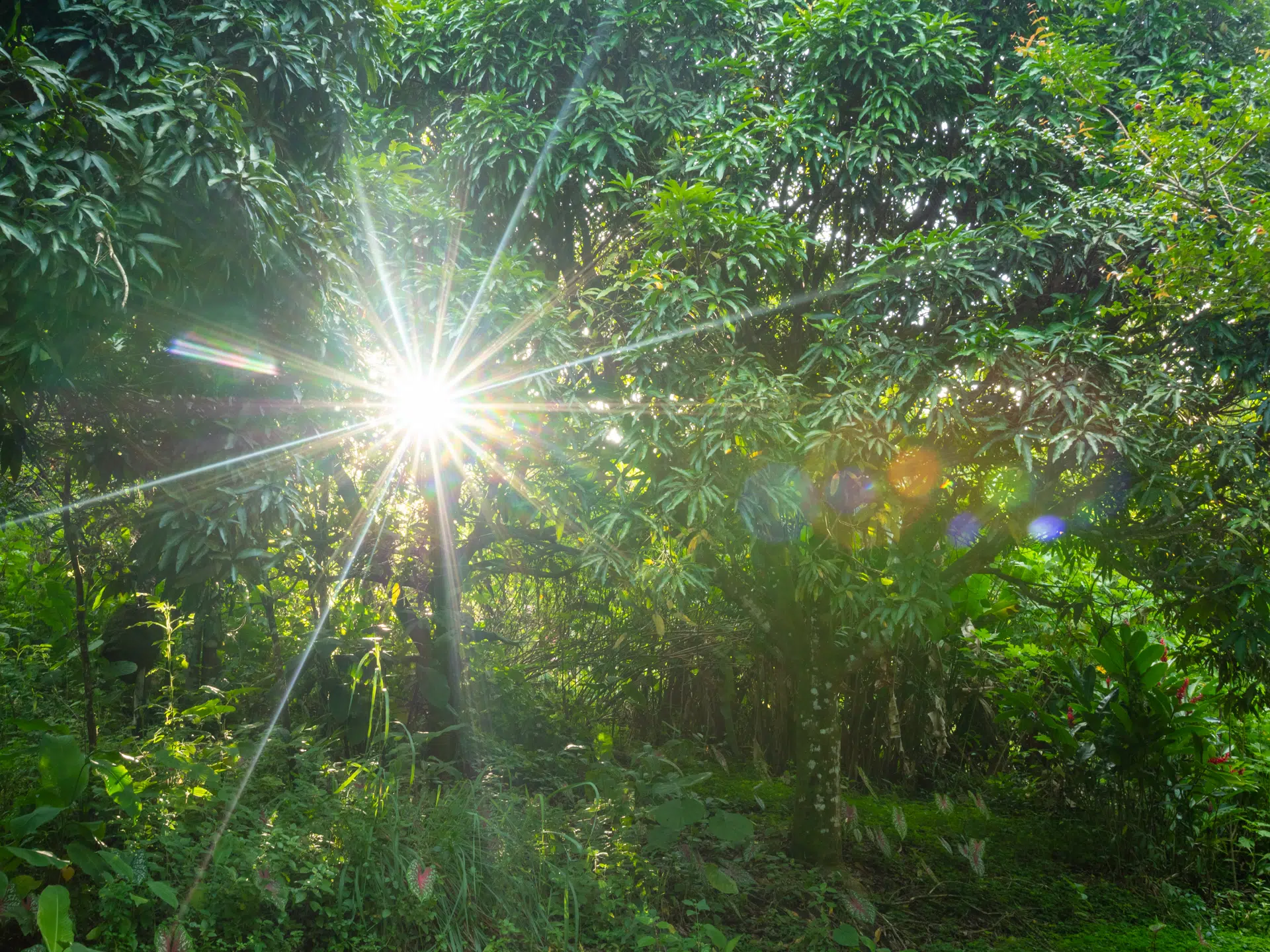
For centuries, the Atlantic Forest, or Mata Atlântica, has been a vibrant tapestry of life, intricately woven into the landscape of South America. However, for decades, this unique biome has been systematically decimated by relentless deforestation, expansive cattle ranching, the unchecked growth of sugarcane plantations, and widespread land-use change. Today, a staggering more than 80% of this critical ecosystem has vanished, leaving behind fragmented remnants that, against all odds, continue to harbor extraordinary biodiversity. These isolated patches are vital refuges for hundreds of bird species, many of which are found nowhere else on Earth, making their survival a global conservation imperative.
Yet, the narrative of the Atlantic Forest is not solely one of relentless loss and ecological tragedy. It is equally a profound testament to persistence and the enduring spirit of conservation. This resilience was recently highlighted and strengthened through a pivotal regional workshop held in northeastern Brazil, where BirdLife International convened with its esteemed partners: Aves Argentinas, Guyra Paraguay, and SAVE Brasil. The gathering was strategically focused on invigorating and advancing the Atlantic Forest Action Plan, delineating three overarching and interconnected priorities: robust protection of remaining habitats, widespread restoration of degraded lands, and the promotion of sustainable land use practices that harmonize human activity with ecological integrity.

The Atlantic Forest: A Biodiversity Hotspot Under Siege
The Atlantic Forest is recognized globally as one of the most biodiverse and threatened biomes on the planet. Originally stretching along Brazil’s Atlantic coast, extending inland to parts of Paraguay and Argentina, it once covered approximately 1.3 million square kilometers. Its geographic reach and ecological characteristics made it a crucial ecosystem, often compared in importance to the Amazon rainforest, despite its significantly smaller current footprint. The biome is characterized by a remarkable level of endemism, meaning many of its species exist nowhere else. This includes an estimated 20,000 plant species, 260 mammal species, 200 amphibian species, 370 reptile species, and approximately 850 bird species, a substantial portion of which are endemic. The Green-headed Tanager (Tangara seledon), a vibrant example, symbolizes the rich avian diversity at risk.
Historically, the degradation of the Atlantic Forest began with the arrival of European colonists in the 16th century, who exploited its rich timber resources and cleared land for cash crops like sugarcane and coffee. This initial wave of deforestation intensified dramatically in the 20th century with rapid industrialization, urbanization, and the expansion of agricultural frontiers. The demand for cattle pastures and the conversion of forest land into monoculture plantations, particularly for sugarcane and soy, have been primary drivers of habitat loss. These activities have not only destroyed forest cover but also led to severe soil erosion, water pollution, and fragmentation of remaining habitats, isolating wildlife populations and making them more vulnerable to extinction. The resulting ecological damage extends beyond biodiversity loss, impacting crucial ecosystem services such as water regulation, climate stabilization, and soil fertility, which are vital for the well-being of the millions of people living within and around the biome.
A Coordinated Response: Advancing the Atlantic Forest Action Plan
Recognizing the urgent need for a concerted and collaborative approach, BirdLife International, a global partnership of conservation organizations, has been instrumental in spearheading the Atlantic Forest Action Plan. This comprehensive strategy aims to reverse the tide of degradation and ensure the long-term survival of the biome. The recent workshop, held in April 2026, brought together experts and practitioners from Brazil, Argentina, and Paraguay, representing diverse perspectives and local expertise. The choice of northeastern Brazil for the workshop underscored the region’s unique ecological importance and the intensity of the conservation challenges it faces.

During the multi-day gathering, representatives from BirdLife International, Aves Argentinas, Guyra Paraguay, and SAVE Brasil engaged in intensive discussions and strategic planning sessions. A spokesperson for BirdLife International emphasized the critical role of cross-border collaboration, stating, "The Atlantic Forest transcends national boundaries, and so must our conservation efforts. By uniting our expertise and resources, we can amplify our impact and create a more resilient future for this invaluable biome." The workshop focused on refining methodologies for habitat protection, including strengthening existing protected areas and advocating for the creation of new ones. Discussions around restoration centered on innovative reforestation techniques, native species propagation, and landscape-level ecological corridors to reconnect fragmented habitats. Furthermore, a significant portion of the agenda was dedicated to fostering sustainable land use practices, recognizing that long-term conservation success hinges on integrating environmental stewardship with economic viability for local communities. This includes promoting agroforestry, sustainable agriculture, and responsible tourism.
Conservation and Livelihoods Growing Together: Inspiring Local Initiatives
Beyond the strategic planning and technical deliberations, a crucial component of the workshop involved grounding the participants’ understanding in the lived realities of the territory. The team embarked on field visits across various forest fragments in the Brazilian states of Alagoas and Pernambuco. These visits provided invaluable insights into the daily efforts of individuals and projects that are actively sustaining conservation on the ground, proving that ecological preservation and economic development need not be mutually exclusive.
One of the most inspiring encounters was with João Evangelista, a local producer whose family has transformed their land into a vibrant, living example of agroforestry. His innovative approach is deeply rooted in his father’s legacy, demonstrating an intergenerational commitment to sustainable practices. In a region historically dominated by the monoculture of cattle ranching and sugarcane cultivation, João’s work offers a compelling alternative – a paradigm where production and conservation are not opposing forces but rather symbiotic partners. On his property, native vegetation thrives alongside strategically planted banana trees, while cacao and coffee crops diversify the land. Through careful planning and persistent effort, areas once cleared for conventional agriculture are gradually witnessing the return of the forest, creating a richer, more diverse, and more productive ecosystem.

João Evangelista passionately articulated the manifold benefits of his approach. For him, restoring the forest is intrinsically linked to protecting vital water sources, improving the quality and resilience of his crops, and naturally reducing pest infestations, thereby minimizing reliance on chemical interventions. More profoundly, his work creates tangible opportunities for younger generations to remain connected to rural life through sustainable and rewarding livelihoods, countering the trend of rural exodus. During the visit, he shared a profound observation: "Where there are trees, there are birds. And where there are birds, the land becomes healthier." This simple yet powerful statement encapsulates the intricate web of ecological relationships that agroforestry seeks to restore and maintain, highlighting the direct link between biodiversity and ecosystem health. This model serves as a beacon of hope, demonstrating how economic prosperity can be achieved while simultaneously enhancing environmental health and community well-being.
People Keeping the Forest Alive: The Role of Protected Areas
The group’s itinerary also included a visit to the Reserva Particular do Patrimônio Natural (RPPN) Pedra D’Antas, a private reserve that stands as a testament to dedicated, long-term conservation efforts. Protected by SAVE Brasil for over two decades, this reserve is a hidden gem nestled amidst the remaining forest fragments, serving as a critical refuge for an astonishing array of biodiversity. Pedra D’Antas shelters more than 250 bird species, with 14 of them classified as globally threatened, alongside a diverse population of mammals, amphibians, and endemic plant life. These species continue to resist the pervasive pressures of habitat fragmentation and degradation, finding sanctuary within the reserve’s boundaries.
The RPPN Pedra D’Antas exemplifies a model where conservation is deeply intertwined with local communities and livelihoods. During the visit, local guides, dedicated park rangers, pioneering researchers, and surrounding communities shared their experiences, illustrating how conservation has become inseparable from the fabric of their daily lives. They highlighted the pivotal role of ecotourism in generating income, the continuous efforts in habitat restoration, and their unwavering commitment to the long-term stewardship of the territory. A representative from SAVE Brasil underscored this synergy, stating, "The success of Pedra D’Antas is not just about fences and regulations; it’s about people. It’s about empowering local communities to be the custodians of their natural heritage, recognizing that their well-being is intrinsically linked to the health of the forest."

In places like Pedra D’Antas, conservation is not an abstract concept or an occasional endeavor; it is a daily work, meticulously carried out by individuals who possess an intimate knowledge of these forests. Their dedication persists even as external pressures on the landscape, such as agricultural expansion and infrastructure development, continue to mount. These local heroes, through their tireless efforts, embody the very essence of persistence and resilience that defines the Atlantic Forest’s ongoing story.
Broader Implications and the Decision to Resist
The insights gained from the workshop and field visits underscore profound implications for regional development, climate resilience, and global biodiversity conservation. The Atlantic Forest, despite its diminished state, remains a critical carbon sink, playing a vital role in regulating regional and global climate. Its conservation efforts, therefore, contribute directly to mitigating climate change and enhancing the resilience of communities to its impacts, such as extreme weather events and altered rainfall patterns.
The commitment shown by BirdLife International and its partners, alongside local producers and communities, sends a powerful message: integrated approaches that combine scientific knowledge with traditional wisdom and community empowerment are essential for effective conservation. This collaborative model provides a blueprint for addressing similar ecological crises worldwide, emphasizing that environmental challenges often require solutions that transcend political boundaries and disciplinary silos. The economic benefits derived from sustainable practices like agroforestry and ecotourism offer a viable alternative to destructive land uses, demonstrating that economic growth and environmental protection can indeed go hand-in-hand.

While the Atlantic Forest may survive today primarily in fragmented patches, these fragments are not isolated islands. They are profoundly connected through the dedicated efforts of people, strategic partnerships, and collective action that spans across borders and communities. Within these vibrant, though smaller, ecosystems, something far greater than mere biodiversity persists: the fundamental decision to resist further degradation, to restore what has been lost, and to safeguard the future of this irreplaceable natural heritage for generations to come. This ongoing commitment to conservation represents a beacon of hope, demonstrating that even in the face of immense ecological challenges, collective human endeavor can forge a path towards recovery and sustainability.
