
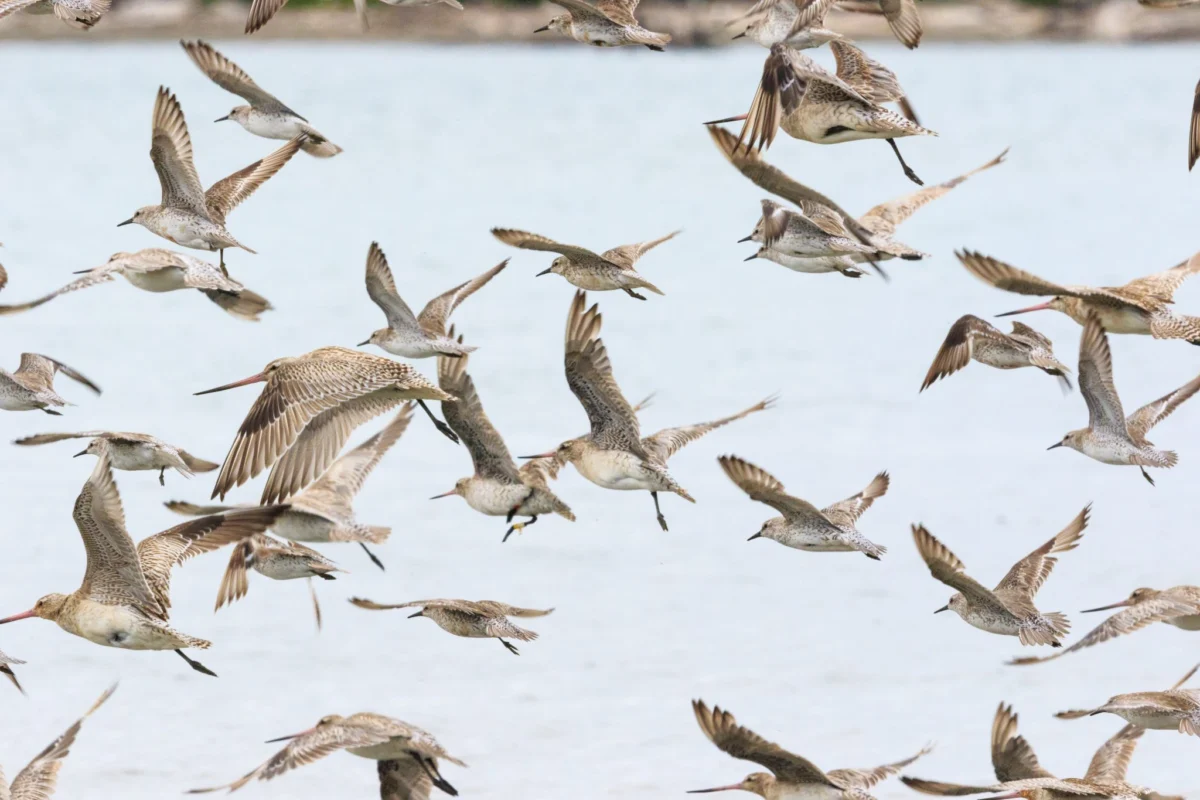
As May marks the peak of spring migration across the Northern Hemisphere, the epic journeys undertaken by the world’s migratory birds are revealing profound strains on the intricate natural systems vital to all life on Earth. The annual observance of World Migratory Bird Day (WMBD) on May 11 serves not merely as a celebration of this natural wonder but as a critical call to attention regarding the deteriorating health of our planet, mirrored in the declining fortunes of these global voyagers. The signals emanating from the world’s great migratory routes, often referred to as "highways of the sky," are becoming increasingly difficult to ignore, urging a collective re-evaluation of humanity’s relationship with the environment.
World Migratory Bird Day, co-organised by the Convention on Migratory Species (CMS), the African-Eurasian Waterbird Agreement (AEWA), and Environment for the Americas (EFTA), is observed twice a year—in May and October—to encompass the two major migration peaks in the Northern and Southern Hemispheres respectively. Established in 2006, the day aims to raise global awareness about migratory birds and the need for international cooperation to conserve them and their habitats. Each year brings a specific theme, and for 2024, the focus on the changing journeys underscores the immediate and alarming pressures facing these species. Historically, WMBD has evolved from a relatively niche conservation event into a globally recognized platform, highlighting different aspects of migratory bird conservation, from light pollution to water scarcity, demonstrating the multifaceted threats these birds encounter.
Migratory birds are not just symbols of freedom and natural beauty; they are indispensable architects of healthy ecosystems, providing a suite of critical services that underpin planetary well-being and human prosperity. These avian travelers transport vital nutrients across vast oceans and continents, acting as biological conduits that connect disparate ecological zones. Their role in pollination is crucial for the reproduction of countless plant species, including many food crops, contributing directly to global food security. Similarly, by dispersing seeds, they facilitate forest regeneration and maintain biodiversity, ensuring the resilience of plant communities. Furthermore, many migratory birds, particularly insectivorous species, play a significant role in natural pest control, helping to keep insect populations in check and reducing the need for chemical pesticides in agriculture, thereby safeguarding both environmental and human health. The economic value of these ecosystem services is immense, with estimates placing their contribution to global economies in the tens of billions of dollars annually, through natural pest control alone saving farmers substantial costs.

Yet, despite their profound importance, the statistics paint a grim picture. Globally, more than 40% of all bird species are now in decline, a staggering figure that points to systemic environmental degradation. For migratory birds, the situation is often more precarious due to their reliance on a network of diverse habitats spread across vast geographical areas. Martin Harper, CEO of BirdLife International, the only global Partnership dedicated to conserving birds and all life on our planet, articulates this urgency: "Migratory birds connect us across countries, continents and ocean currents. Protecting the major migratory highways of the world is how we reverse those declines. And when we do, people gain too: cleaner water, food security, flood protection, and more resilience to a changing climate." His statement underscores the reciprocal relationship between avian health and human well-being, emphasizing that investments in bird conservation yield tangible benefits for communities worldwide.
The concept of "flyways" is central to understanding migratory bird conservation. These are vast, ancient routes that birds follow annually between their breeding grounds, non-breeding grounds, and critical stopover sites. Around the world, there are four major terrestrial flyways: the African-Eurasian, East Asian-Australasian, Americas, and Central Asian flyways. Additionally, at least six marine flyways are recognized, utilized by seabirds undertaking equally impressive oceanic journeys. These pathways are not merely lines on a map; they are intricate ecological corridors connecting thousands of individual habitats that lie thousands of kilometres apart. The integrity of these flyways is paramount; a single broken link—a drained wetland, a degraded coastline, or a polluted stopover site—can have catastrophic ripple effects, jeopardizing entire populations and driving species towards extinction.
The tragic extinction of the Slender-billed Curlew serves as a stark and sobering reminder of this vulnerability. Once found across Eurasia and Africa, this elusive shorebird, a long-distance migrant, disappeared due to a combination of habitat loss, particularly the destruction and degradation of its wetland breeding and wintering grounds, coupled with unsustainable hunting pressures. Its last confirmed sighting was in 1999, and despite extensive searches, it is now widely believed to be extinct, joining a growing list of species lost forever. This case exemplifies how the cumulative impact of localized threats across a species’ migratory range can lead to its ultimate demise, highlighting the critical need for coordinated, international conservation efforts across entire flyways.
One of the world’s most vital migratory systems, and a key focus of current conservation efforts, is the African-Eurasian Flyway. This immense route links breeding grounds in the Arctic, Europe, and Asia with non-breeding grounds across Africa. Millions of birds, from tiny warblers to majestic raptors and wading birds, undertake incredible journeys along this pathway, traversing diverse landscapes and facing myriad challenges. Dr. Paul Matiku, Executive Director of Nature Kenya, BirdLife International’s Partner in Kenya, emphasizes Africa’s pivotal role in sustaining these shared routes. "Africa is at the heart of some of the world’s great flyways," Matiku states. "The health of our wetlands, rangelands and coastlines matters far beyond our borders. When we protect these habitats, we protect birds, biodiversity and the communities that live alongside them."

The significance of Africa in global migratory bird conservation will be further highlighted in September 2024, when Nairobi, Kenya, hosts the Global Flyways Summit. This landmark event, co-hosted by BirdLife International and Nature Kenya, marks the first time such a high-level summit will be held on the African continent. The summit will convene a diverse array of leaders from science, policy, finance, business, and civil society, with the ambitious goal of forging consensus on the urgent actions required to protect migratory birds and the critical ecosystems they depend upon. The choice of Nairobi as the venue underscores the recognition of Africa’s ecological importance and the need for local solutions to global challenges. Expected outcomes include concrete policy recommendations, commitments for increased funding for flyway conservation, and innovative collaborative strategies to address cross-border threats.
A major highlight of the Global Flyways Summit will be the launch of the new edition of BirdLife International’s "State of the World’s Birds" report, with a specific focus on flyways. This authoritative report, published periodically, provides the latest comprehensive picture of bird populations globally, detailing trends, threats, and conservation successes. By focusing on flyways, the upcoming edition is expected to offer unprecedented insights into the specific pressures faced by migratory species and the effectiveness of current conservation interventions along these vital corridors. The report’s findings will serve as a crucial scientific basis for policymakers and conservation practitioners, guiding strategic planning and resource allocation to areas of greatest need. Previous editions of the report have consistently demonstrated a worrying trend of avian decline, linking it directly to anthropogenic activities such as habitat destruction, agricultural intensification, climate change, and pollution. The upcoming flyway-focused report will likely reinforce these links with more targeted data, emphasizing the interconnectedness of global ecosystems.
The threats to migratory birds are multifaceted and escalating. Habitat loss and degradation remain the primary drivers of decline, with wetlands being particularly vulnerable. Over half of the world’s wetlands have been lost in the last century, directly impacting species that rely on these critical stopover and feeding sites. Climate change is altering migration timings, food availability, and the frequency of extreme weather events, forcing birds to adapt or perish. Pollution, including pervasive plastic waste, agricultural pesticides, and disruptive light pollution from urban areas, further compromises their health and navigation. Illegal killing and unsustainable hunting persist in many regions, while collisions with expanding infrastructure such as wind turbines, power lines, and buildings add to mortality rates. The spread of invasive species also disrupts delicate ecological balances in key habitats. Addressing these threats requires integrated, cross-sectoral approaches that transcend national borders.
Beyond policy and scientific endeavors, individual participation is a cornerstone of effective conservation. On World Migratory Bird Day, and indeed throughout the year, people are invited to engage in this worldwide celebration of birdwatching and citizen science. Heading outdoors, observing birds, and recording sightings contributes vital data that directly informs conservation action. Platforms like eBird, for instance, allow citizen scientists to log their observations, creating vast datasets that help researchers track bird populations, identify important habitats, and monitor migratory patterns. This collective effort provides invaluable real-time information that complements professional scientific surveys, enabling a more comprehensive understanding of avian ecology and distribution.

Martin Harper concludes with a powerful message of accessibility and hope: "You don’t need to be an expert to care about birds. When we notice the wildlife around us, we start to understand the condition of the places we all rely on. Birds give us both a warning and an opportunity. They show us where nature needs urgent action, and where there is still hope." This sentiment encapsulates the essence of World Migratory Bird Day: a call for widespread engagement rooted in the simple act of observation and appreciation.
To further galvanize this engagement, BirdLife International is inviting individuals to participate in the "Race to Save Birds Challenge" on May 9. This initiative is designed not as a test of speed or endurance, but as a commitment to active participation in conservation. By observing birds, contributing vital data through citizen science, and raising funds, participants directly support the ongoing efforts to protect birds and ensure the thriving health of nature. The joy derived from watching birds, whether a backyard robin or a spectacular flock of migrating cranes, is intrinsically linked to the responsibility to protect them. The collective actions taken today, from policy decisions at international summits to individual observations in local parks, will determine the future of these magnificent global travelers and, by extension, the health of the planet for generations to come.
