
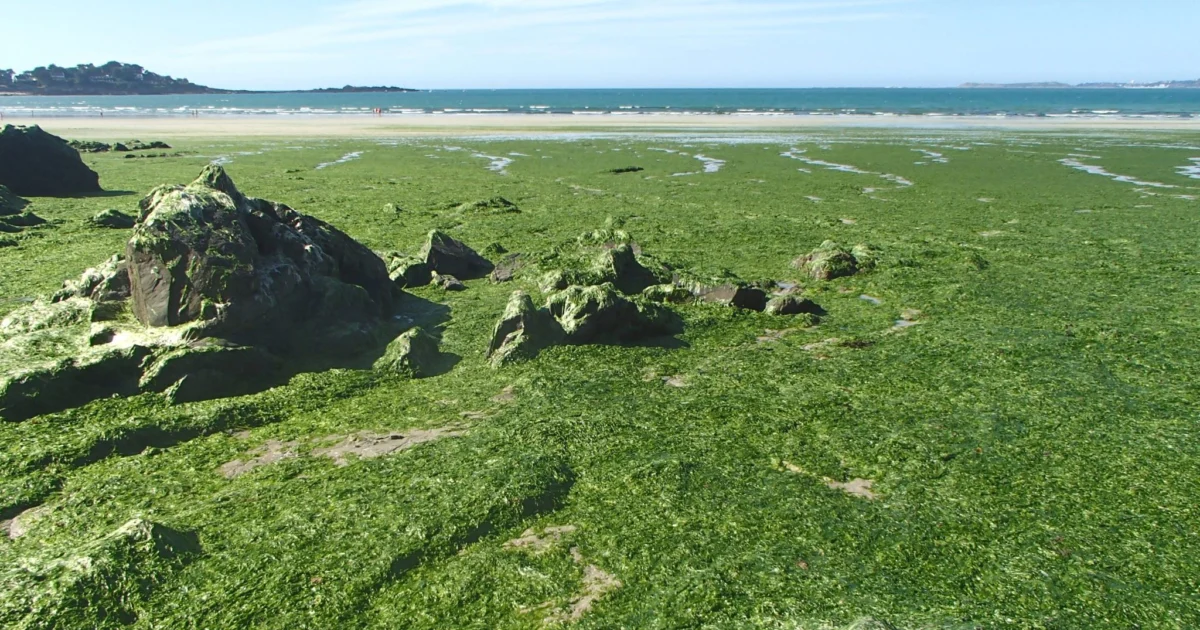
Along the rugged coastline of Brittany, France, a disconcerting phenomenon has become a stark annual reminder of a profound environmental crisis. On certain summer days, the usually pristine waters transform into a vivid, unnatural green, choked by thick mats of decomposing algae. These "green tides," primarily composed of Ulva lactuca (sea lettuce), release a putrid hydrogen sulphide gas as they rot under the sun, a smell so noxious it can sicken residents and tourists alike. More alarmingly, these emissions have been linked to the deaths of animals, including wild boars, and have posed serious health risks, even fatalities, to humans in severe cases. This visible, odorous manifestation is not an isolated natural occurrence but a potent symbol of a much wider, systemic problem gripping agricultural regions across Europe.
The Roots of the Crisis: Intensive Agriculture and Policy Evolution
The intensification of European agriculture, largely spurred by the post-World War II drive for food security, has fundamentally reshaped the continent’s landscapes and ecosystems. The Common Agricultural Policy (CAP), established in 1962, initially prioritised increasing agricultural productivity and ensuring a stable supply of affordable food. While successful in these aims, this focus inadvertently fostered farming methods that relied heavily on synthetic chemical fertilisers, potent pesticides, and the concentration of livestock, leading to vast quantities of manure. Over decades, these practices have placed immense pressure on natural resources. Excess nutrients, particularly nitrogen and phosphorus from fertilisers and manure, are not fully absorbed by crops. They leach into the soil, seep into groundwater, and run off into rivers, lakes, and eventually coastal waters, creating widespread nutrient pollution – or eutrophication.
This relentless nutrient overload disrupts aquatic ecosystems, fuelling explosive algal blooms in fresh and marine environments, akin to Brittany’s green tides. The decomposition of these vast algal mats consumes oxygen, creating "dead zones" where marine life cannot survive. The long-term consequences are dire, even for agriculture itself. Healthy, fertile soils, abundant clean water, and functioning ecosystems are not merely environmental luxuries; they are the bedrock of sustainable food production. Degrading these fundamental resources undermines the very capacity of land to produce food in the future, creating a perilous feedback loop.
A Visible and Invisible Threat: From Green Tides to Contaminated Taps
The environmental and human health impacts of agricultural pollution manifest in various ways, some glaringly obvious, others insidious and hidden.
The Brittany Example: A Coastal Warning
The case of Brittany’s green tides is perhaps the most visually arresting symptom of this crisis. Studies have consistently linked the severity and frequency of these blooms to high nitrate concentrations in local rivers, directly attributable to intensive pig and poultry farming in the region. The economic impact is substantial, affecting tourism and coastal livelihoods. Beaches become unusable, deterring visitors and impacting local businesses. Cleanup operations are costly, often involving heavy machinery to remove thousands of tonnes of rotting algae, only for new tides to wash ashore. Beyond the aesthetic and economic toll, the health risks are a grave concern, prompting warnings and even beach closures. The presence of hydrogen sulphide, a toxic gas, at concentrations lethal to animals and dangerous to humans, underscores the severity of this form of pollution.
Groundwater Under Siege: The Silent Contamination
While green tides are visible, a more pervasive and often invisible threat lurks beneath the surface: the contamination of groundwater. When excess fertilisers and manure seep through the soil, nitrates and other pollutants infiltrate aquifers, which are vital sources of drinking water for millions of Europeans. In parts of Spain, particularly in regions with intensive livestock farming such as Catalonia, hundreds of thousands of residents have faced intermittent loss of access to safe tap water because nitrate levels in groundwater consistently exceed the health limits set by the World Health Organization (WHO) and EU directives (50 mg/L). Municipalities are then forced to implement expensive treatment processes, drill deeper wells, or even truck in potable water, imposing significant financial burdens on local authorities and taxpayers. Similar challenges are prevalent across numerous agricultural regions in Europe, from the Netherlands and Belgium to Germany and Denmark, highlighting a systemic failure to protect this critical resource.
Beyond Water: Broader Environmental Toll
The impact extends far beyond water quality. Agricultural runoff contributes to soil acidification and degradation, reducing biodiversity in soil microbes essential for soil health. Pesticides, designed to kill pests, inevitably harm non-target species, including pollinators like bees, which are crucial for crop production. The unchecked use of synthetic nitrogen fertilisers also contributes to greenhouse gas emissions, particularly nitrous oxide (N2O), a potent greenhouse gas with a global warming potential far greater than CO2. This multifaceted environmental degradation undermines Europe’s broader climate and biodiversity goals, creating a complex web of interconnected crises.
Europe’s Legal Framework: Pillars of Protection Under Strain
Recognising these mounting environmental threats, the European Union has established a robust legal framework designed to protect its natural resources. These directives represent decades of environmental progress and scientific understanding.
The Nitrates Directive (91/676/EEC): A Three-Decade Battle
Adopted in 1991, the Nitrates Directive is a cornerstone of EU water protection legislation. Its primary objective is to reduce water pollution caused or induced by nitrates from agricultural sources and to prevent further such pollution. Member States are required to:
- Identify "Nitrate Vulnerable Zones" (NVZs) – areas where water is polluted or at risk from agricultural nitrates.
- Establish "Action Programmes" for NVZs, setting mandatory measures for farmers, such as limits on fertiliser application, specific storage requirements for manure, and periods when fertilisers cannot be applied.
- Monitor water quality in NVZs and review their action programmes every four years.
Despite its long-standing presence, the directive’s effectiveness has been hampered by insufficient implementation and enforcement by Member States, leading to ongoing legal challenges and persistent pollution.
The Water Framework Directive (2000/60/EC): Holistic Management Challenges
The Water Framework Directive (WFD), adopted in 2000, provides a comprehensive framework for water management in the EU. Its ambitious goal is to achieve "good ecological and chemical status" for all surface waters (rivers, lakes, transitional and coastal waters) and groundwater by specific deadlines, with the latest being 2027. The WFD requires Member States to manage their water resources based on river basin districts, develop River Basin Management Plans (RBMPs), and implement measures to prevent deterioration of water bodies and achieve good status. Agricultural pollution is identified as a significant pressure, and the WFD aims to integrate measures from other directives, including the Nitrates Directive, to address it holistically. However, progress towards good status has been slow, with agricultural pollution remaining a major obstacle. The European Environment Agency (EEA) reported in 2021 that only 40% of Europe’s surface waters achieved good ecological status, and nitrates from agriculture were a key reason for failure.
Biodiversity Directives: Protecting Habitats from Pollution
The Birds Directive (1979) and the Habitats Directive (1992), collectively known as the Nature Directives, form the backbone of EU biodiversity policy. They aim to protect Europe’s most valuable and threatened species and habitats through the establishment of the Natura 2000 network of protected areas. Agricultural pollution, through habitat degradation, water contamination, and pesticide use, directly threatens numerous species and ecosystems protected under these directives. For example, eutrophication of wetlands and coastal areas can destroy vital habitats for waterbirds, while pesticide runoff can decimate insect populations, impacting the entire food chain. The success of these directives is intrinsically linked to the control of agricultural pollution.

Enforcement Gaps and Legal Battles: A Persistent Problem
Despite the existence of these comprehensive laws, agricultural pollution remains widespread across Europe. The primary reason is not a lack of legislation but a persistent failure in its adequate implementation and enforcement by national governments. This negligence has led to numerous infringement procedures by the European Commission and judgments by the European Court of Justice (ECJ).
Case Studies: Belgium and the Netherlands
Recent court rulings vividly illustrate this ongoing challenge. In 2022, the European Court of Justice found Belgium to be in breach of the Nitrates Directive for failing to adequately protect its waters from agricultural nitrate pollution. The court highlighted Belgium’s inability to demonstrate that its action programmes were sufficient to reduce nitrate levels. Similarly, the Netherlands, a country with one of the highest livestock densities in Europe, has faced repeated scrutiny and legal action over its persistent failure to control nitrogen pollution from intensive agriculture, which impacts Natura 2000 sites. These cases are not isolated incidents; they are symptomatic of a broader pattern where national governments struggle, or are unwilling, to enforce existing environmental laws effectively, often due to political pressure from powerful agricultural lobbies or concerns over economic competitiveness. The European Commission’s regular reports on the implementation of the Nitrates Directive consistently point to Member States needing to strengthen their measures.
The Economic and Social Costs of Inaction
The failure to enforce environmental regulations carries significant economic and social costs. The direct costs include increased water treatment expenses for municipalities, lost tourism revenue due to polluted beaches, and reduced fish stocks affecting the fishing industry. The indirect costs are even more substantial: healthcare expenditures related to waterborne diseases or pesticide exposure, the long-term degradation of natural capital (fertile soils, clean water, biodiversity), and the diminished resilience of rural communities dependent on healthy ecosystems. A 2020 report by the European Environment Agency estimated that the costs of water pollution from agriculture in Europe could run into billions of euros annually, underscoring that prevention is far more cost-effective than remediation.
The Push for Deregulation: Undermining Decades of Progress
Alarmingly, instead of addressing the persistent enforcement gaps, some EU countries, often supported by powerful polluting industry sectors and their political allies, are actively pushing to weaken existing environmental rules. These proposals are frequently framed as necessary efforts to "simplify regulation," "reduce administrative burdens for businesses," or boost "food security" in the face of global challenges. However, environmental organisations and scientists warn that these euphemisms mask an agenda that would dismantle crucial environmental safeguards.
Industry Arguments vs. Environmental Imperatives
Proponents of deregulation argue that current environmental laws are too complex, impose excessive costs on farmers, and hinder agricultural productivity. They often call for more "flexibility" for Member States in applying directives or for reduced reporting requirements. However, critics counter that these arguments often overlook the long-term benefits of environmental protection and the true costs of pollution. Weakening safeguards would reduce accountability, make it harder to monitor pollution levels, and ultimately undermine decades of environmental progress. It would also send a dangerous signal that economic interests can override the fundamental need to protect public health and the natural environment.
Potential Repercussions for EU Green Deal
This push for deregulation poses a direct threat to the ambitions of the European Green Deal and its flagship strategies, such as the Farm to Fork Strategy and the Biodiversity Strategy for 2030. These initiatives aim for a more sustainable food system, a significant reduction in pesticide and fertiliser use, and the restoration of degraded ecosystems. Weakening foundational environmental laws would make it virtually impossible to achieve these targets, jeopardising the EU’s credibility as a global leader in environmental protection and undermining its commitment to a sustainable future. It risks locking Europe into a high-input, high-impact agricultural model at a time when climate change and biodiversity loss demand a fundamental shift.
Pathways to Sustainability: Agroecology and Nature-Based Solutions
The good news is that the current trajectory is not inevitable. A viable alternative exists in sustainable farming methods that allow farmers to produce food while actively protecting nature, restoring healthy soils, and conserving water. These approaches, often grouped under the umbrella of agroecology and organic agriculture, offer a bright path forward.
Innovations on the Farm: Practical Examples
Farmers across Europe are already implementing innovative, nature-friendly practices:
- Legume Cultivation: Planting legumes like beans, peas, or clover naturally enriches soil with nitrogen through symbiotic bacteria, reducing the need for synthetic nitrogen fertilisers. This practice also improves soil structure and biodiversity.
- Local Nutrient Recycling: Implementing integrated livestock and crop systems where manure is processed and applied efficiently to fields, or where waste streams are valorised, can significantly reduce dependence on external synthetic fertilisers and minimise nutrient runoff.
- Cover Cropping: Planting non-cash crops (cover crops) between main growing seasons helps prevent soil erosion, retain nutrients, suppress weeds, and improve soil organic matter, reducing the need for chemical inputs.
- Buffer Strips and Wetlands: Establishing vegetated buffer strips along rivers and restoring natural wetlands act as natural filters, preventing fertiliser and manure runoff from reaching water bodies. These areas also provide crucial habitats for wildlife and enhance biodiversity.
- Precision Agriculture: Using technologies like GPS and sensors to apply fertilisers and pesticides only where and when needed, optimising resource use and minimising waste.
These practices not only mitigate pollution but also help restore ecosystems, protect wildlife, enhance soil health, and contribute to the resilience of rural communities, all while ensuring robust food production for future generations.
Supporting the Transition: The Role of Policy and Funding
The transition to sustainable farming models requires substantial support for farmers. This includes:
- Adequate Financial Incentives: The CAP needs to shift its focus further from production-linked subsidies to payments for ecosystem services and sustainable practices, making nature-friendly farming economically viable.
- Knowledge Transfer and Training: Farmers need access to research, extension services, and peer-to-peer learning networks to adopt new techniques.
- Investment in Infrastructure: Support for infrastructure that facilitates nutrient recycling, such as anaerobic digestors for manure.
- Clearer Regulatory Frameworks: While avoiding over-regulation, clear and stable policy signals are crucial for farmers to plan long-term investments in sustainable practices.
A Call to Action: Defending Europe’s Environmental Future
The stakes could not be higher. Weakening environmental safeguards would not only exacerbate existing pollution problems but also put ecosystems, public health, and Europe’s long-term ability to produce food at severe risk. The current moment urgently demands not a rollback of protections, but rather a renewed commitment to better implementation and rigorous enforcement of existing laws. It also necessitates a fundamental re-evaluation of how farmers are supported, ensuring they are incentivised and enabled to transition to truly sustainable farming models that care for nature, not just yields. Our collective health, the survival of vibrant rural communities, and the resilience of our food systems depend on this critical shift.
Citizens across Europe are increasingly vocal in their demands for EU leaders to defend, not weaken, environmental protections. Environmental organisations, scientific bodies, and a growing segment of the public are advocating for stronger action and accountability. Petitions and public campaigns are urging decision-makers to protect Europe’s water, nature, and environmental laws, recognising that these are not mere bureaucratic hurdles but essential foundations for a healthy, prosperous, and sustainable future for all generations. The choice between short-term economic gains and long-term ecological and societal well-being rests firmly with Europe’s policymakers.
