
For decades, the Atlantic Forest, known in Portuguese as Mata Atlântica, has faced relentless anthropogenic pressures, fundamentally reshaping its landscape. Historically sprawling along Brazil’s Atlantic coast and extending into Paraguay and Argentina, this vital biome has been systematically decimated by expansive deforestation, intensive cattle ranching, the relentless march of sugarcane monocultures, and other destructive forms of land-use change. Today, a staggering more than 80% of this biome has disappeared, leaving behind a fragmented mosaic of isolated forest remnants. These pockets, though diminished, continue to shelter an extraordinary wealth of biodiversity, including hundreds of bird species found nowhere else on Earth, alongside countless other unique flora and fauna. However, the narrative of the Atlantic Forest is not solely one of ecological catastrophe and irreversible loss; it is equally a compelling testament to unwavering persistence and the power of dedicated conservation efforts.
The Atlantic Forest: A Biodiversity Hotspot Under Siege
Once a contiguous rainforest stretching over 1.3 million square kilometers, the Atlantic Forest is one of the world’s most critically endangered biomes and a designated global biodiversity hotspot. Its exceptional species richness and high rates of endemism—meaning a large proportion of its species are found nowhere else on Earth—underscore its irreplaceable ecological value. The biome is home to approximately 20,000 plant species, 270 mammal species, 992 bird species, 200 amphibian species, and 370 reptile species. Among its avian inhabitants, iconic species like the Golden-bellied Capuchin, various tanagers such as the Green-headed Tanager (Tangara seledon) pictured, and several species of antbirds and cotingas face severe threats due to habitat loss. The rapid decline of the Atlantic Forest began centuries ago with European colonization, which saw the exploitation of brazilwood and the subsequent expansion of coffee and sugarcane plantations. In more recent history, urban sprawl, infrastructure development, logging, and extensive agricultural expansion have continued to shrink its remaining fragments. This fragmentation not only reduces overall habitat size but also isolates populations, making them more vulnerable to extinction and disrupting critical ecological processes such as pollination and seed dispersal. The degradation of the Atlantic Forest also has profound implications for human populations, affecting water quality and supply, increasing soil erosion, and altering local climate patterns across a region home to over 145 million people.

A New Era of Collaborative Conservation
Recognizing the urgent need for a concerted, cross-border response, BirdLife International recently convened a pivotal regional workshop in northeastern Brazil. This gathering brought together its key partners from across the Atlantic Forest’s range: Aves Argentinas, Guyra Paraguay, and SAVE Brasil. The workshop, a crucial step in advancing the overarching Atlantic Forest Action Plan, focused intensely on three shared and interconnected priorities: protection, restoration, and sustainable land use. These pillars form the bedrock of a comprehensive strategy aimed at reversing degradation trends and fostering long-term ecological resilience. The Atlantic Forest Action Plan itself is a multi-year initiative designed to harmonize conservation efforts across the biome, facilitating knowledge exchange, pooling resources, and coordinating on-the-ground interventions. The April 2026 workshop in Brazil served as a critical platform for strategic discussions, sharing best practices, and solidifying collaborative frameworks necessary for effective implementation. Participants engaged in detailed technical discussions covering innovative restoration techniques, strategies for enhancing protected area management, and methods for promoting sustainable agricultural practices that benefit both local communities and the environment.
Grounding Strategy in Practice: Field Visits Showcase Resilience
Beyond the conference rooms and strategic discussions, a fundamental aspect of the workshop involved grounding theoretical knowledge in the tangible realities of the territory. The BirdLife International team and its partners embarked on immersive field visits across the forest fragments of Alagoas and Pernambuco states. These expeditions were designed to connect participants directly with the people and projects that are sustaining conservation efforts daily, offering invaluable insights into practical challenges and successes. The firsthand experience underscored the critical importance of local engagement and the power of community-led initiatives in the face of widespread environmental degradation.
Agroforestry: A Model for Sustainable Livelihoods
One particularly inspiring visit led the team to the land of João Evangelista, a local producer whose family has transformed their property into a vibrant living example of agroforestry. Rooted in the legacy of his father, João’s farm stands as a powerful counter-narrative to the region’s historical reliance on ecologically damaging practices like extensive cattle ranching and sugarcane monoculture. In a landscape often characterized by a stark dichotomy between agricultural production and environmental conservation, João’s work eloquently demonstrates a different, more harmonious path where production and conservation are not opposing forces but mutually reinforcing elements.

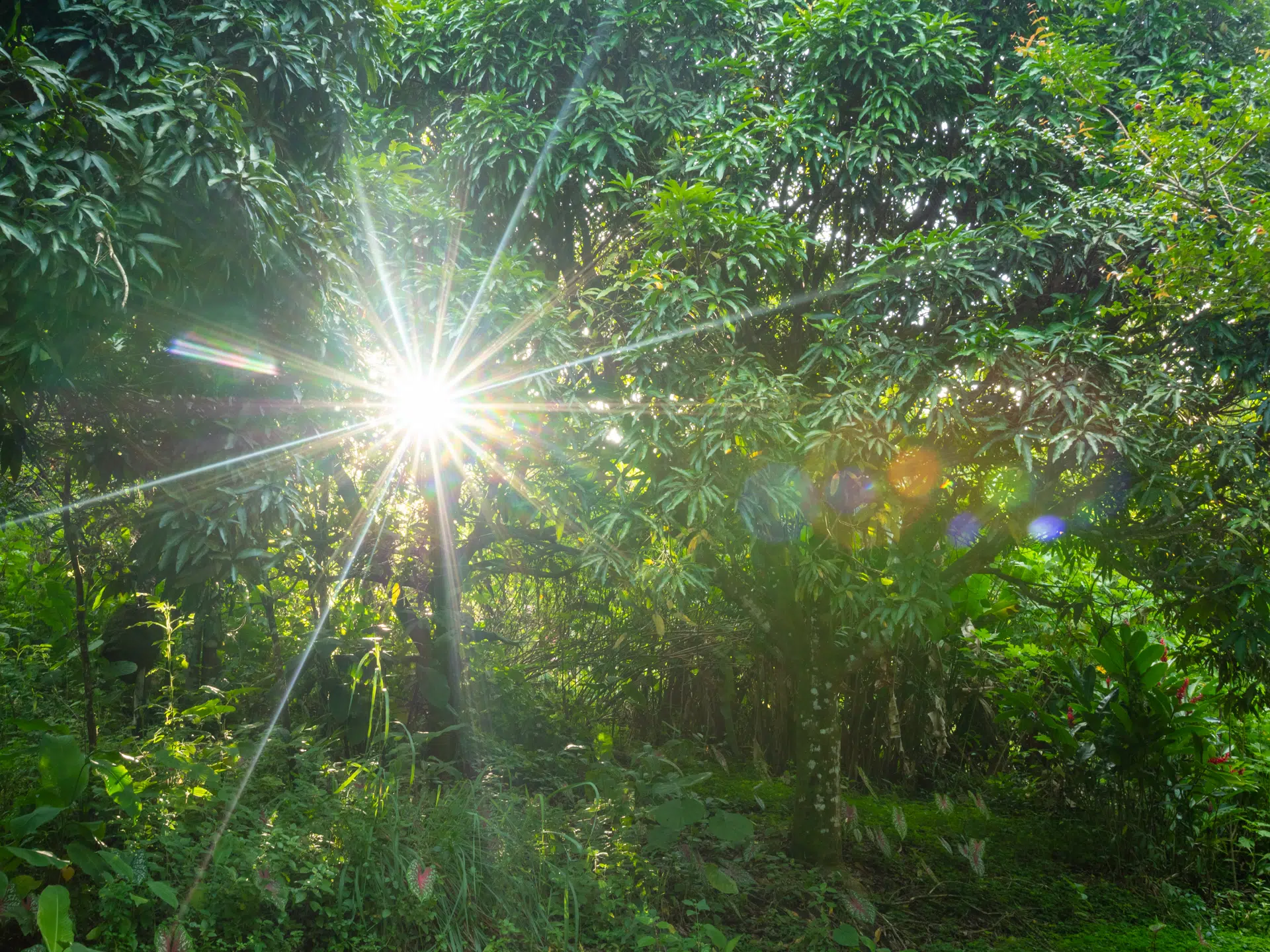
On his farm, a diverse array of banana trees thrives alongside carefully integrated native vegetation. This polycultural approach extends to the cultivation of cacao and coffee, further diversifying the land’s output and enhancing its ecological complexity. Through these practices, the forest, which was once cleared for less sustainable agriculture, is gradually making a return, enriching the soil, providing habitat, and bolstering biodiversity. João’s philosophy extends beyond mere economic output; for him, the act of restoring the land is intrinsically linked to protecting vital water sources, improving the resilience and yield of his crops, naturally reducing pests through ecological balance, and crucially, creating viable opportunities for younger generations to remain connected to rural life rather than being compelled to seek livelihoods in urban centers. His deep understanding of ecological interconnectedness was succinctly articulated during the visit: “Where there are trees, there are birds,” he explained. “And where there are birds, the land becomes healthier.” This simple yet profound statement encapsulates the holistic benefits of agroforestry, from supporting biodiversity to enhancing ecosystem services that directly benefit human well-being.
Protected Areas: Sanctuaries of Endemic Life
Another significant stop on the field itinerary was the Reserva Particular do Patrimônio Natural (RPPN) Pedra D’Antas, a private reserve meticulously protected by SAVE Brasil for over two decades. Tucked away amidst the remaining, highly fragmented Atlantic Forest, this reserve serves as a critical refuge for an astonishing array of life. It shelters more than 250 bird species, 14 of which are globally threatened, alongside a diverse community of mammals, amphibians, and endemic plant life that continue to resist the pressures of habitat loss and fragmentation. The RPPN Pedra D’Antas exemplifies the vital role of privately managed conservation areas in safeguarding biodiversity that might otherwise be lost.
During their visit, the BirdLife partners engaged with the dedicated individuals who are the stewards of this precious site. Local guides, vigilant park rangers, meticulous researchers, and the surrounding communities shared their experiences, illustrating how conservation has become inextricably linked with their livelihoods, sustainable tourism initiatives, ongoing restoration projects, and the long-term stewardship of the territory. The reserve provides employment opportunities, promotes environmental education for visitors and local children, and fosters a sense of collective responsibility for the natural heritage it protects. In places like Pedra D’Antas, conservation is not an abstract concept or an occasional project; it is a daily work, a continuous commitment carried out by people who possess an intimate knowledge of these forests and who persevere in protecting them even as external pressures on the landscape continue to mount. Their dedication highlights the human dimension of conservation, demonstrating that effective environmental protection is often deeply embedded in the cultural and economic fabric of local communities.

Voices from the Field: Perspectives on Persistence
Representatives from BirdLife International emphasized the critical importance of these integrated, ground-up approaches. "The challenges facing the Atlantic Forest are immense, but the resilience and dedication shown by communities like João’s, and the sustained efforts at reserves like Pedra D’Antas, offer profound hope," stated a BirdLife International spokesperson. "Our regional workshop and field visits have reinforced that true conservation success stems from empowering local actors and fostering cross-border collaboration that addresses both ecological restoration and sustainable human development."
Similarly, partners voiced their collective commitment. A representative from SAVE Brasil highlighted the synergy between their work and the broader regional strategy: "Protecting areas like Pedra D’Antas is fundamental, but linking these efforts with sustainable practices in the surrounding landscape, as exemplified by João Evangelista, is what truly builds resilience across the biome. This workshop has strengthened our resolve and provided new tools for shared action." Leaders from Aves Argentinas and Guyra Paraguay echoed these sentiments, stressing the shared ecological destiny of the Atlantic Forest across national borders and the imperative for unified action plans. The collaboration fosters a sense of shared ownership and mutual support, vital for tackling an environmental crisis that transcends political boundaries.
Broader Implications and The Path Forward
The initiatives observed and discussed during the workshop and field visits offer a compelling model for integrated conservation that holds significant broader implications. Locally, these approaches are improving food security, enhancing environmental education, and empowering communities by demonstrating that economic well-being and ecological health can advance hand-in-hand. The success of agroforestry models like João Evangelista’s can be replicated, offering a tangible alternative to destructive agricultural practices and providing a blueprint for sustainable rural development. The long-term protection offered by private reserves like RPPN Pedra D’Antas, coupled with community engagement, showcases how dedicated efforts can create crucial biodiversity sanctuaries and foster local stewardship.

Regionally, this model of cross-border collaboration facilitated by BirdLife International and its partners provides a robust framework for scaling up successful strategies and influencing policy. By pooling scientific expertise, financial resources, and practical experience, the partners can achieve greater impact than any single organization could alone. This coordinated effort is crucial for influencing national policies related to land use, agriculture, and environmental protection across Brazil, Paraguay, and Argentina.
Globally, the efforts within the Atlantic Forest contribute significantly to pressing environmental agendas, including global biodiversity conservation targets and climate change mitigation goals. The restoration of forest fragments acts as a carbon sink, helping to absorb atmospheric carbon dioxide, while the protection of endemic species safeguards irreplaceable genetic diversity. Despite these successes, significant challenges remain, including securing long-term funding, ensuring political will, and countering the relentless pressures from expanding agricultural frontiers and illegal activities. However, the unifying spirit of "the decision to resist" that permeates these fragmented yet deeply interconnected communities and partnerships offers a beacon of hope. The Atlantic Forest may survive today in scattered fragments, but these fragments are powerfully linked through the dedication of people, the strength of partnerships, and the collective will to act across borders. This collective resolve to protect, restore, and live sustainably with nature underscores a resilient future for one of Earth’s most precious and endangered ecosystems.
