
The mechanics of online fundraising for wildlife conservation are frequently viewed through a deceptively simple lens: an animal is discovered in distress, a digital campaign is launched, donations are gathered, and the patient receives medical intervention. However, an inside look at organizations operating on the front lines of biodiversity protection reveals a complex, multi-tiered ecosystem. At the Toucan Rescue Ranch (TRR), a prominent wildlife rescue and rehabilitation center in Costa Rica, modern fundraising is not merely a digital transaction; it is the culmination of rigorous veterinary science, cross-departmental collaboration, ethical storytelling, and sustained community engagement that often spans weeks or months.
An analysis of the operational workflows behind successful conservation campaigns demonstrates that the journey of a rescued animal begins long before any marketing material is drafted, and it continues far beyond the initial click of a "Donate Now" button.
The Clinical Foundation: Where Every Rescue Begins
Contrary to the public perception that digital fundraising campaigns are engineered by marketing teams at the onset of a crisis, the reality on the ground is decidedly clinical. When an injured, orphaned, or displaced animal arrives at a rescue facility, initial priorities are strictly medical.
In the high-stakes environment of a wildlife veterinary clinic, every second is dedicated to triage and stabilization. Veterinarians and veterinary technicians perform comprehensive physical examinations, administer diagnostic imaging and blood tests, stabilize trauma, and formulate long-term prognoses. Animals admitted to facilities like TRR frequently arrive suffering from severe anthropogenic pressures, including vehicular strikes, domestic animal attacks, electrocution from poorly insulated power lines, illegal pet trade confiscations, and rapid habitat fragmentation.
Only after the patient has been stabilized and a comprehensive medical trajectory has been established does the operational focus expand to include communications. Marketing and outreach personnel collaborate directly with the veterinary staff, conducting detailed interviews to translate complex medical jargon and diagnoses into factual, accessible narratives. This interdepartmental synergy ensures that every piece of published content maintains absolute medical accuracy while honoring the integrity of the animal’s condition.
The Ethics of Conservation Storytelling: Transparency Versus Responsibility
One of the most delicate challenges faced by conservation communicators is striking an ethical balance between transparency and responsibility. Wildlife rescue exposes the harsh realities of human-wildlife conflict and environmental degradation. Hiding the true nature of an animal’s injuries—such as severe fractures, burns, or malnutrition—would misrepresent the gravity of the conservation crisis. Yet, communicators must navigate these realities without resorting to sensationalism or graphic exploitation designed solely to elicit emotional shock value.
Professional wildlife journalism and institutional communications prioritize educational framing over emotional manipulation. The primary objective is to inform the public of the specific mechanisms of injury, the precise interventions required by veterinary experts, and the tangible pathways through which donor support alters the recovery trajectory. This approach respects both the dignity of the animal and the intelligence of the audience, fostering a foundation of long-term trust rather than short-term panic giving.
Chronology of Care: Publishing as a Starting Point, Not a Finish Line
A persistent misconception among digital donors is that publishing a fundraising campaign represents the culmination of the communication process. In practice, initial publication is merely the opening chapter of an extended narrative.
Wildlife rehabilitation is rarely linear, and recovery timelines vary widely depending on the species, age, and severity of trauma. While some patients may require only brief stabilization before soft-release protocols begin, others—such as sloths, large birds, and mammals—may remain under institutional care for months.
To maintain transparency and audience trust, communications teams must establish an ongoing reporting cadence. This involves tracking milestones throughout the rehabilitation lifecycle:
- Initial Triage and Stabilization: Documenting the rescue context, initial veterinary assessment, and immediate pain management protocols.
- Active Treatment Phase: Reporting on surgical procedures, wound healing, nutritional milestones, and the transition to independent feeding.
- Behavioral Rehabilitation: Monitoring physical therapy, muscle conditioning, and, where applicable, pre-release training designed to minimize human habituation.
- Resolution: Reaching the final stages of rehabilitation, which may culminate in successful release back into protected natural habitat or permanent sanctuary placement for non-releasable individuals.
The Case of Nanuq: Documenting Incremental Progress
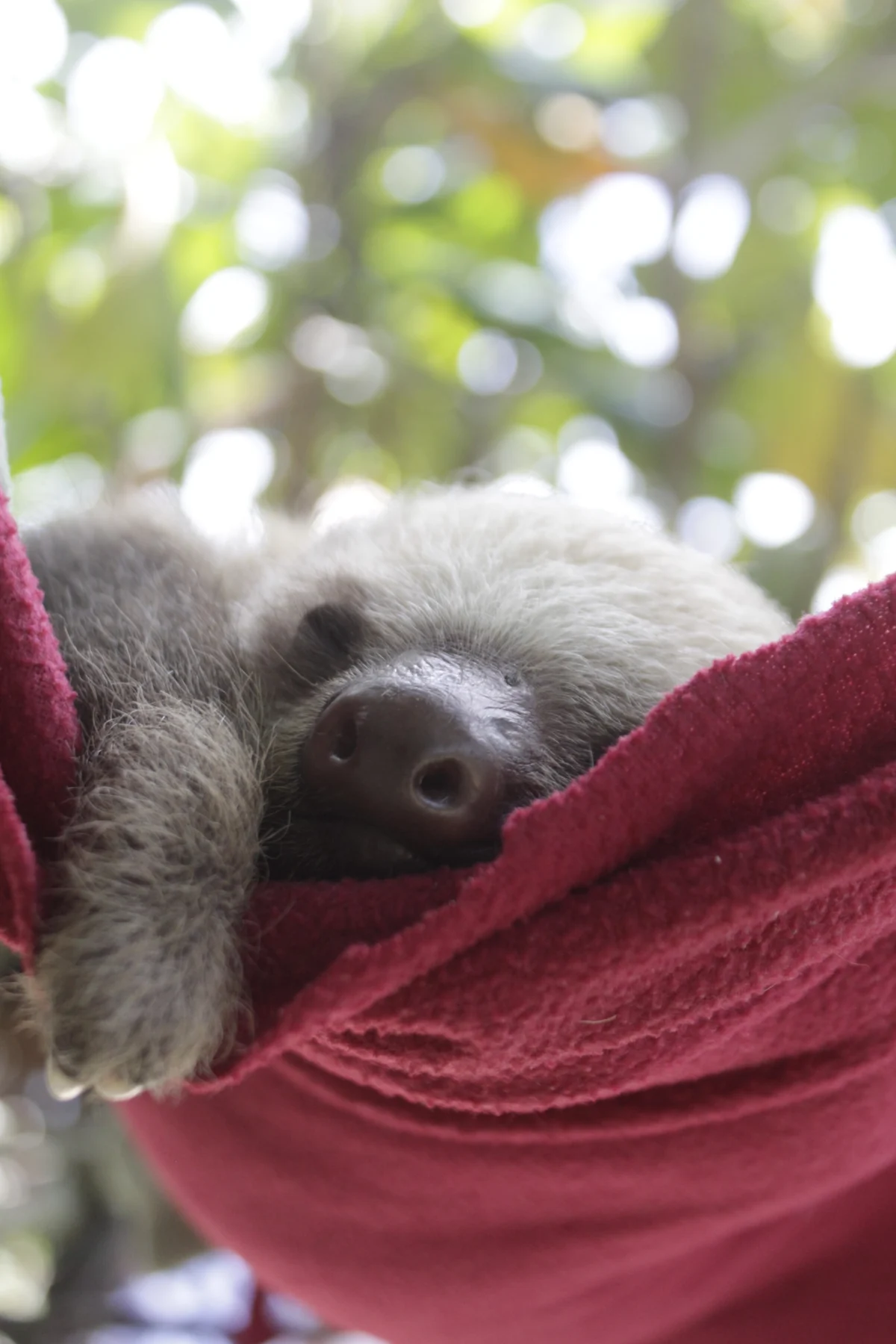
The rehabilitation journey of Nanuq, an orphaned two-toed sloth (Choloepus hoffmanni), serves as a case study in modern wildlife campaign management. In neonatal and juvenile rehabilitation, dramatic breakthroughs are rare. Instead, progress is measured in incremental milestones: steady weight gain, successful transition to native foliage diets, appropriate body temperature regulation, and the gradual development of climbing coordination.
By sharing these subtle, everyday victories, institutions provide donors with concrete evidence of their impact. Furthermore, responsible communication requires transparency regarding setbacks. When a patient experiences a medical regression or fails to thrive, communicating these challenges honestly reinforces institutional integrity and reminds the public of the inherent fragility of wild rehabilitation.
Demystifying the Impact of Contributions
For many supporters, digital donations can feel abstract—a numeric transaction occurring on a screen without a clear physical manifestation. However, institutional transparency helps demystify the allocation of funds, connecting financial contributions directly to operational necessities.
In a functioning wildlife rescue center, capital donations are immediately converted into tangible resources essential for survival and rehabilitation:
- Pharmacology and Diagnostics: Specialized medications, sedatives, parasite treatments, and laboratory testing supplies.
- Nutritional Support: Sourcing diverse, species-specific fresh produce, foliage, and nutritional supplements required daily.
- Medical Infrastructure: Advanced surgical equipment, portable X-ray technology, incubators for neonates, and specialized enclosures.
- Enrichment and Husbandry: Environmental items designed to stimulate natural behaviors and reduce captivity-induced stress during long-term healing.
By explicitly linking financial contributions to these operational line items, organizations transform passive giving into an active partnership in wildlife preservation.
Broader Implications for Wildlife Conservation
The operational realities behind digital rescue campaigns highlight the evolving role of conservation centers in public education. Modern fundraising has transcended simple fiscal solicitation; it has matured into a comprehensive educational tool.
By bridging the gap between clinical veterinary medicine and global audiences, institutions cultivate a decentralized community of stakeholders. Whether a supporter resides adjacent to a Mesoamerican biological corridor or thousands of miles away, the shared journey of a single rehabilitated animal fosters a deeper understanding of human-wildlife coexistence. Ultimately, these campaigns demonstrate that protecting biodiversity is a collaborative endeavor requiring the coordinated expertise of veterinarians, animal caregivers, educators, marketers, and informed global citizens working in unison to offer wildlife a second chance at survival.
