
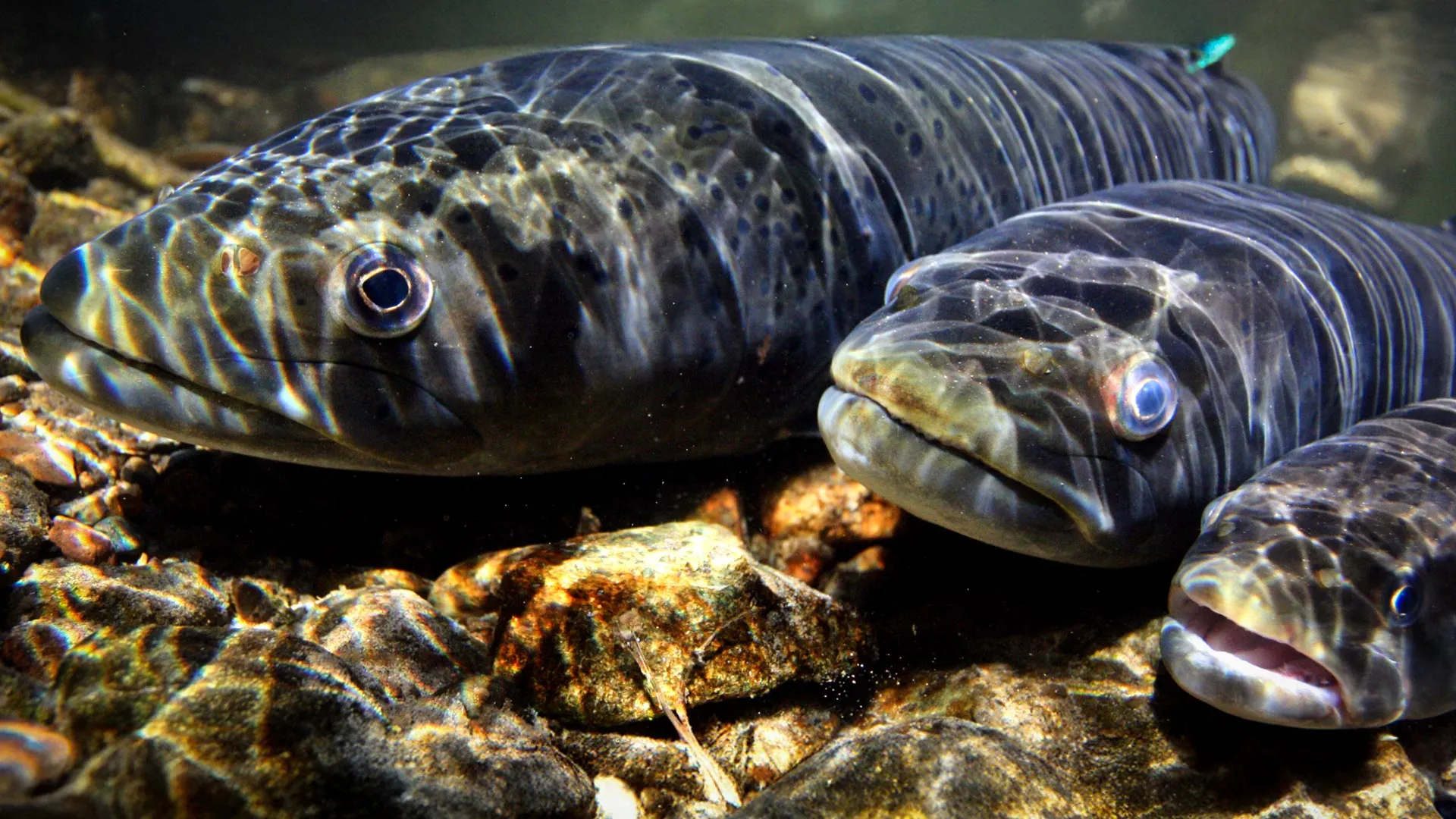
The silent arteries of our planet—its vast river networks—are experiencing an unfolding ecological catastrophe that has largely escaped international public scrutiny. While terrestrial and marine migrations routinely capture global headlines, some of the longest and most essential animal movements on Earth take place entirely beneath the surface of freshwater systems. A major new report issued by the Convention on the Conservation of Migratory Species of Wild Animals (CMS), a specialized environmental treaty functioning under the auspices of the United Nations, sounds an urgent alarm: these vital aquatic migrations are breaking down at an unprecedented and alarming rate.
Released during the CMS 15th Meeting of the Conference of the Parties (COP15) hosted in Brazil, the landmark Global Assessment of Migratory Freshwater Fishes paints a dire picture of the state of the world’s river ecosystems. The comprehensive document reveals that migratory freshwater fish are among the most threatened taxonomic groups worldwide. These aquatic species are not merely biological curiosities; they are foundational keystones for maintaining healthy, functioning riverine habitats. Furthermore, they support major inland fisheries that provide essential food security, nutrition, and economic livelihoods for hundreds of millions of people globally, particularly in developing regions across South America, Africa, and Asia.
The Scale of the Crisis: By the Numbers
The crisis facing freshwater biodiversity is outpacing declines seen in terrestrial and marine realms, yet it has historically suffered from a severe deficit of global policy attention and conservation funding. Freshwater animals depend fundamentally on long, uninterrupted hydrological pathways. These continuous pathways link vital seasonal habitats, including upstream spawning grounds, rich feeding areas, and downstream floodplain nurseries, which often span multiple national jurisdictions.
According to the comprehensive global assessment, populations of migratory freshwater fish have plummeted by an estimated 81 percent worldwide since 1970. This staggering metric underscores a systemic failure to manage and protect transboundary water resources. Even more alarming, nearly all—specifically 97 percent—of the 58 migratory fish species currently listed under the CMS Appendices (encompassing both fresh and saltwater species) are now classified as threatened with extinction.
Drawing upon extensive global datasets and International Union for Conservation of Nature (IUCN) assessments of nearly 15,000 distinct freshwater fish species, the new report represents the most exhaustive evaluation of its kind to date. It identifies hundreds of migratory species that urgently require coordinated international action, providing undeniable empirical evidence that fish relying on interconnected river basins are experiencing rapid population collapses. In total, the assessment has identified 325 migratory freshwater fish species as prime candidates for international conservation efforts, highlighting a massive, overlooked biodiversity crisis across shared river systems.
Key global river basins flagged by the report as critical priorities include South America’s sprawling Amazon and La Plata-Paraná systems, Europe’s historic Danube River, Asia’s vital Mekong basin, Africa’s legendary Nile River, and the Ganges-Brahmaputra basin traversing the Indian subcontinent.
Chronology and Background Context of COP15
The unveiling of the Global Assessment of Migratory Freshwater Fishes at COP15 in Brazil marks a critical milestone in international environmental diplomacy. For decades, international biodiversity frameworks—such as the Convention on Biological Diversity—have heavily prioritized terrestrial forests and marine coral reefs, often sidelining the complex, fluid dynamics of inland waters.
The timeline leading up to this conference reflects a growing realization among scientists and policymakers that freshwater ecosystems require distinct, targeted governance. Over the past ten years, cumulative research from organizations like the World Wildlife Fund (WWF), the IUCN, and academic institutions documented accelerating degradation in major river basins. The realization that traditional, localized conservation measures were failing against large-scale industrial pressures catalyzed the drafting of this global assessment.
As the host nation of COP15, Brazil has leveraged its platform to spearhead proactive conservation measures tailored to South America’s monumental river systems. The Amazon Basin, while historically functioning as one of the last major global strongholds for migratory freshwater fish, faces mounting anthropogenic pressures from hydroelectric dam development, deforestation, mining, and climate-induced hydrological shifts.
To address these vulnerabilities, a specialized case study released alongside the global assessment identified 20 migratory fish species in the Amazon that formally meet the criteria for potential CMS Appendix II listing. These long-distance travelers are the economic lifeblood of regional fisheries, accounting for approximately 93 percent of total commercial fish landings and supporting an industry valued at roughly US$436 million annually.
Among these remarkable species is the dorado (gilded) catfish (Brachyplatystoma rousseauxii). Distinguished by its metallic gold and silver coloration and substantial size—reaching lengths of up to 2 meters (6.5 feet)—this bottom-dwelling predator undertakes the longest known freshwater migration of any fish on Earth. Its complex life cycle requires an astonishing 11,000-kilometer journey originating in the Andean headwaters and terminating in downstream coastal nursery areas.
To safeguard such monumental journeys, Brazil and neighboring range states have proposed a pioneering Multi-species Action Plan for Amazonian Migratory Catfish covering the 2026–2036 decade. Developed through rigorous regional cooperation, this plan aims to harmonize management policies across international borders. Furthermore, Brazil has proposed listing the spotted sorubim catfish (Pseudoplatystoma corruscans) under CMS Appendix II, drawing focused attention to the La Plata Basin, where populations face severe compounding threats from dam construction, altered water regimes, and intensive fishing pressure.
Official Responses and Expert Perspectives
The release of the assessment has elicited profound concern and resolute calls to action from international conservation leaders, policymakers, and scientific authorities.
Dr. Zeb Hogan, lead author of the assessment, emphasized the hidden nature of the crisis: "Many of the world’s great wildlife migrations take place underwater. This assessment shows that migratory freshwater fish are in serious trouble, and that protecting them will require countries to work together to keep rivers connected, productive, and full of life."
Amy Fraenkel, Executive Secretary of the CMS, underscored the policy implications of the findings: "This new assessment highlights a major priority for the conservation of migratory species and their habitats that has not had adequate focus to date. By aligning science, policy, and international cooperation, governments can safeguard the world’s remaining great freshwater fish migrations and the communities and ecosystems that depend on them."
Echoing these sentiments, Michele Thieme, Vice President and Deputy Lead of Freshwater at WWF-US, highlighted the geopolitical reality of river management: "Rivers don’t recognize borders—and neither do the fish that depend on them. The crisis unfolding beneath our waterways is far more severe than most people realize, and we are running out of time. Rivers need to be managed as connected systems, with coordination across borders, and investments in basin-wide solutions now before these migrations are lost forever."
Broader Implications and Practical Steps Forward
The implications of the global assessment extend far beyond aquatic ecology, intersecting directly with human health, economic stability, and geopolitical security. When river connectivity is severed by poorly planned dams or degraded by industrial pollution and over-extraction, the economic repercussions are felt immediately by riparian communities. Inland fisheries supply vital micronutrients and protein to hundreds of millions of vulnerable people worldwide. The collapse of migratory fish stocks directly translates to heightened food insecurity and economic hardship in rural areas.
Moreover, climate change acts as a threat multiplier for freshwater systems. Altered precipitation patterns, prolonged droughts, and rising water temperatures disrupt historical migration cues, making the preservation of intact river corridors more critical than ever.
To halt and reverse this decline, the CMS report outlines actionable, pragmatic steps that national governments can implement immediately. These recommendations include:
- Establishing formal transboundary cooperation frameworks to manage shared river basins holistically.
- Implementing strict environmental flow assessments to ensure that dam operations mimic natural hydrological cycles.
- Investing in modern fish passage technologies for existing infrastructure while avoiding the damming of remaining free-flowing rivers.
- Scaling up protections for critical habitats, such as floodplains, wetlands, and spawning grounds.
- Enhancing monitoring and regulatory enforcement regarding overfishing in vulnerable freshwater fisheries.
Ultimately, the initiatives presented at COP15 represent some of the most ambitious international undertakings to date regarding freshwater conservation. They reinforce the foundational principle of the Convention on Conservation of Migratory Species: that effective environmental protection cannot be achieved in isolation. Because migratory species traverse vast geographical ranges, their survival depends entirely on cooperative stewardship among all nations sharing their pathways. Without immediate, coordinated global intervention, humanity risks losing the ancient, living arteries that sustain our planet’s freshwater ecosystems forever.
