
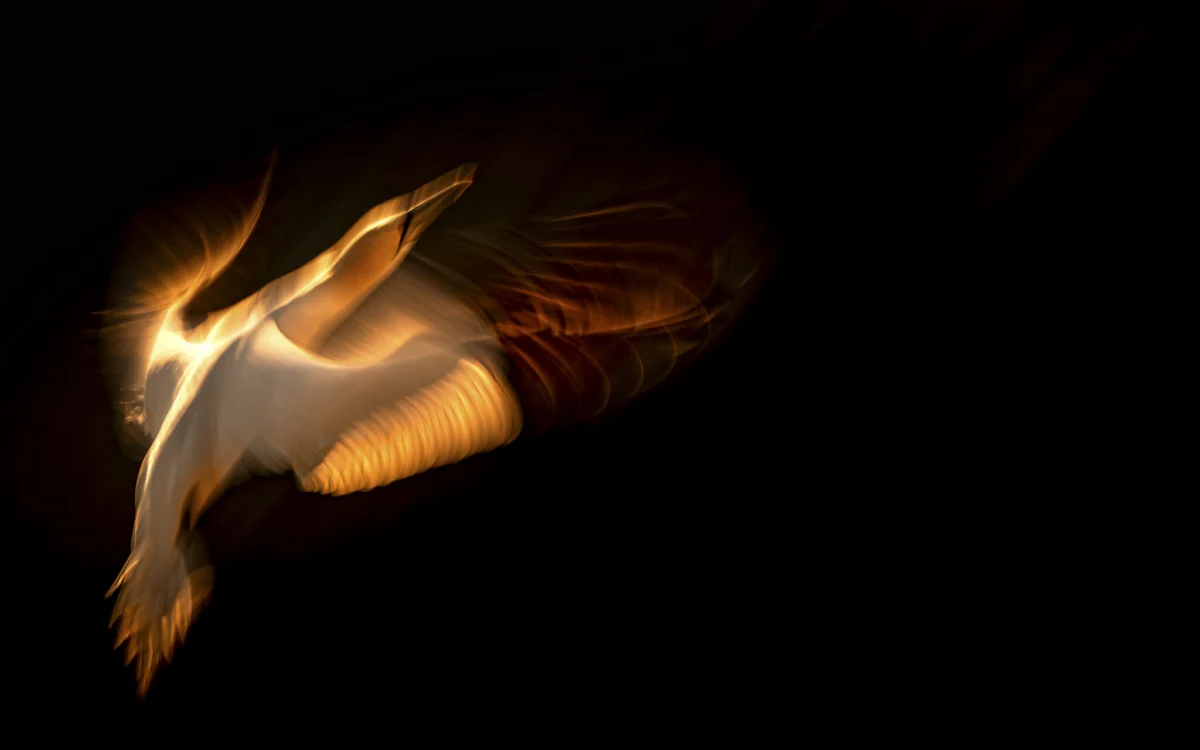
Wildlife photography has long been anchored in the pursuit of technical precision, where sharpness, high shutter speeds, and textbook compositions form the baseline of industry standards. However, contemporary nature photography is undergoing a conceptual shift toward emotional resonance and ecological storytelling. At the forefront of this movement is acclaimed wildlife photographer Rachel Bigsby, whose work with seabirds challenges conventional aesthetics and redefines how humans perceive avian wildlife and their marine habitats.
The Foundations of an Ecological Perspective
Bigsby’s artistic trajectory is deeply rooted in early immersive experiences with the natural world. Influenced by her late grandfather—a naturalist and fisherman who emphasized attentive observation over rote memorization—and reinforced by formative years in the Scout Association starting at age six, Bigsby developed an intimate familiarity with coastal ecosystems.

Her transition into photography began as a childhood experiment using basic equipment, capturing the play of light on dewdrops and botanical silhouettes. The turning point occurred upon observing a Northern Fulmar gliding along coastal cliffs. Recognizing the aerodynamic mastery of the species and its taxonomic ties to the albatross, Bigsby pivoted entirely toward avian documentation.
Rather than immediately pursuing commercial success, Bigsby spent formative years volunteering on remote, weather-beaten islands. Her responsibilities ranged from manual labor—such as clearing facilities and maintaining infrastructure—to extended periods of passive observation. Conservationists and wildlife historians note that this hands-on ecological groundwork is increasingly rare in modern digital photography, where accessibility often supersedes fieldcraft. By prioritizing biological literacy over immediate image acquisition, Bigsby integrated ethology—the study of animal behavior—into her visual methodology.
Rejecting Technical Perfection for Emotional Truth
The core of Bigsby’s philosophy challenges the dogmatic pursuit of clinical perfection in nature photography. While corporate camera manufacturers and traditional competitions historically reward razor-sharp focus and sterile, isolated subjects, Bigsby advocates for imperfection as an authentic narrative tool.

This approach was solidified during an assignment plagued by persistent rain, fog, and heavy mist. Initially viewed as adverse conditions that ruined photographic opportunities, the heavy atmosphere forced a shift in methodology. Rather than fighting the elements, Bigsby utilized the environmental whiteness to pioneer high-key imagery. By allowing motion blur, atmospheric diffusion, and cluttered backdrops into the frame, her photographs transitioned from static identification plates to mood-driven narratives.
Industry analysts observe that this stylistic evolution reflects a broader trend within fine-art conservation photography. Images featuring slow shutter speeds against backlit fog convey the kinetic energy of flight, the harshness of marine weather, and the physical resilience of seabirds far more effectively than a sterile studio-style portrait.
The Principles of Natural Artistry
Bigsby defines "natural artistry" not as an aesthetic imposed upon a subject, but as an inherent quality waiting to be translated. Her visual framework relies on several core components:

- Light as Narrative: Moving beyond flat, even illumination, Bigsby utilizes dramatic contrast—such as early morning light breaking over dark cliff faces in Shetland—to establish mood and depth.
- Environmental Context: Rather than isolating birds against artificial or heavily cropped backgrounds, her compositions integrate the marine environment, illustrating the interconnectedness of species and habitat.
- Texture and Geometry: Focusing on the fine barbs of feathers, wind-textured water, and the rhythmic density of breeding colonies, transforming raw nature into structured design.
- Monochrome Intent: Utilizing black-and-white processing strictly to strip away distracting color palettes and emphasize underlying shapes, lines, and structural forms.
These techniques align with modern visual communication strategies used by conservation organizations to evoke empathy without resorting to anthropomorphism. By framing seabirds within their volatile natural habitats, the imagery communicates both the fragility and the endurance of marine biodiversity.
Implications for Conservation and Modern Media
The evolution of wildlife photography from simple documentation to atmospheric storytelling carries significant implications for environmental advocacy. Seabirds currently face unprecedented global pressures, including overfishing, marine plastic pollution, climate-induced shifts in prey availability, and avian influenza outbreaks.
Traditional wildlife imagery often portrays nature as pristine, untouched, and permanently resilient. In contrast, Bigsby’s documentation of storm-battered colonies, severe weather interactions, and complex ecological realities offers a grounded perspective. By capturing the authentic conditions under which seabirds survive, photographers bridge the psychological gap between urban audiences and remote marine ecosystems.

Media analysts note that audiences are increasingly fatigued by hyper-processed, formulaic wildlife content. The demand for authenticity has elevated the value of field-earned imagery. Photographers who dedicate years to understanding avian biology produce portfolios that serve scientific, educational, and artistic functions simultaneously.
Conclusion and Future Outlook
Rachel Bigsby’s body of work—spanning locations from the British Isles to Macquarie Island and New Zealand—serves as a methodological template for the next generation of nature photographers. By demonstrating that technical flaws can enhance emotional impact, and that environmental harshness is a vital component of storytelling, her portfolio encourages a departure from rigid industry rules.
As global ecosystems continue to experience rapid anthropogenic change, the role of the wildlife photographer is shifting from passive observer to active witness. Through patience, presence, and a commitment to visual honesty, practitioners like Bigsby ensure that the complex realities of the natural world are translated into a language that resonates across human societies.
