
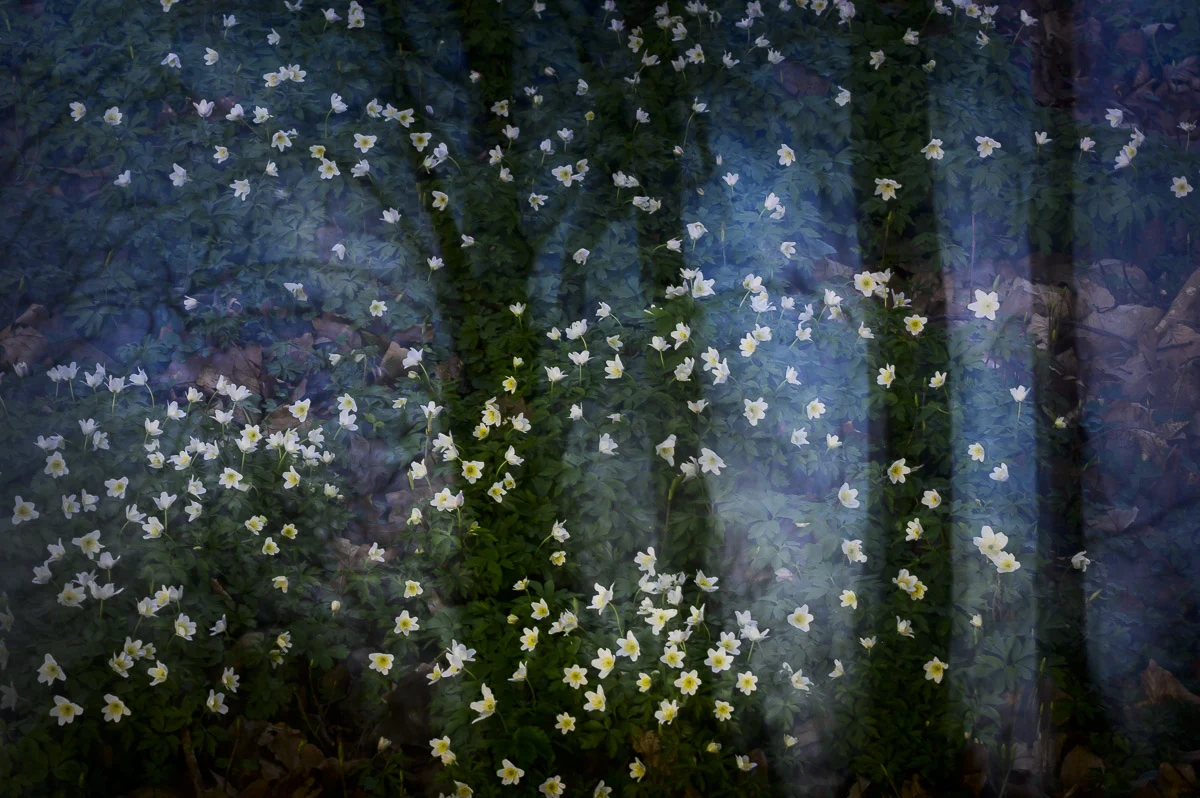
The contemporary landscape of nature photography is frequently dominated by discussions of technical perfection—sharp focus, optimal exposure, rule-of-thirds composition, and vibrant color saturation. While these elements remain foundational to the craft, an emerging perspective within the international photography community posits that the true essence of an image is forged long before the shutter is pressed. Professional nature photographers are increasingly examining the cognitive and environmental interplay that occurs on location, shifting focus away from rigid checklists and predetermined visual outcomes toward a more responsive, process-driven methodology. This philosophical shift highlights a dynamic framework known as the triad of nature photography: the raw canvas of nature, the evolving human perception, and the responsive act of design.
The Paradigm Shift in Modern Nature Photography
For decades, commercial and fine-art nature photography relied heavily on premeditated concepts. Photographers would travel to iconic locations with a specific, idealized composition already fixed in their minds, often attempting to bend unpredictable natural environments to fit a preconceived mold. However, field observations and interviews with veteran wilderness photographers reveal that this rigid approach frequently leads to frustration and missed opportunities. Light changes unpredictably, wildlife migration patterns shift, and weather anomalies disrupt carefully laid plans.
Industry analysts and veteran practitioners argue that the modern digital workflow—particularly the instant feedback loop provided by high-resolution LCD screens and electronic viewfinders—has fundamentally altered how images are conceptualized. Instead of viewing the camera merely as a recording device for a finalized mental image, photographers are utilizing the camera as an active participant in a dialogue with the environment. This iterative process allows practitioners to treat initial captures not as conclusions, but as visual data points that inform subsequent creative decisions.

According to recent surveys within visual arts associations, over 65% of professional nature photographers now report relying significantly on spontaneous on-site adjustments rather than adhering strictly to pre-planned shot lists. This adaptability is widely considered the distinguishing factor between documentation and genuine artistic interpretation.
Anatomy of the Triad: Nature, Perception, and Design
To understand how masterworks are constructed in the field, critics and educators frequently break down the creative act into three distinct, interacting pillars: nature, perception, and design.
The first pillar, nature, represents the uncontrollable baseline. It encompasses the weather systems, geological formations, flora, and fauna that exist independently of the observer. This raw situation offers infinite complexity, which can easily overwhelm an untrained eye.
The second pillar, perception, acts as the internal filter. It dictates where the photographer’s gaze lands, what elements are deliberately ignored, and what subtle details suddenly assume critical importance. Perception is not static; it evolves dynamically as the photographer spends time in the environment. As visual data is gathered and reviewed, the center of gravity within the frame continuously shifts.

The third pillar, design, is the photographer’s active response to the first two pillars. Technical mastery—such as the precise manipulation of aperture, shutter speed, flash output, and focal length—serves this design phase. Crucially, within this framework, technique is relegated to a supporting role. Rather than dictating the final outcome, technical proficiency must remain flexible enough to serve the unfolding narrative of the image. When a photographer refuses to lock into a fixed outcome, serendipity is allowed to enter the equation, frequently producing results far more compelling than any initial plan.
Case Studies in Field Adaptability: From Frost to Microcosms
To illustrate the practical application of this triad, industry retrospectives frequently examine real-world field scenarios where rigid planning gave way to spontaneous, responsive image-making. Three distinct case studies highlight this phenomenon across different environments and subjects.
The Frost Leaf Phenomenon
During an unseasonably severe cold snap that triggered rapid freezing across local wetlands, one photographer ventured out without a definitive destination, eventually settling on a park pond lined with mature bald cypress trees. The initial visual landscape was overwhelming, characterized by intricate layers of ice, frost, submerged branches, and snow.
Initially, the photographer’s attention was captured by a single leaf locked into the crystalline surface of the ice. The first series of captures focused narrowly on the delicate crystal structures, but the resulting images felt isolated; the leaf appeared stranded, disconnected from its surrounding environment. Recognizing this disconnect, the photographer introduced artificial lighting via a wireless flash placed directly on the ice to create low, raking side illumination.

Through an iterative process of testing, reviewing the digital display, and repositioning the equipment, the lighting began to articulate the texture of the ice. The inclusion of a secondary LED source helped open up dense shadows. An accidental shift in the flash angle—initially perceived as an error—proved pivotal. The altered beam penetrated the ice more directly, causing the trapped leaf to visually detach from the surface while simultaneously revealing complex, previously obscured subterranean structures. What began as a simple "leaf on ice" concept evolved, through iterative feedback and chance, into a sophisticated study of light, surface, and organic form.
Backlit Dragonflies and Technical Discipline
At a local lakeside habitat previously documented under stable conditions, a photographer arrived with expectations shaped by past successes. However, changing seasonal conditions rendered previous approaches obsolete.
The primary attraction shifted to backlit reed grass glowing intensely in the low evening sun. As the photographer sought an angle to plunge the background into deep shadow, high-speed dragonflies began darting through the corridor. Recognizing the rapid, unpredictable movement of the insects, the photographer abandoned passive observation. Realizing that autofocus systems struggled to track erratic flight paths across the backlit reeds, a tactical shift was executed: manual focus was engaged, and the aperture was narrowed to increase the depth of field. This compromise traded background softness for a wider focal corridor capable of capturing both the static reeds and the dynamic transit zone of the dragonflies.
Utilizing continuous burst modes and soft-focus viewing techniques to anticipate motion rather than chasing it through the viewfinder, the photographer captured the decisive intersection of position and focus only after hundreds of discarded frames. This scenario underscores how technical constraints must be actively managed to accommodate unpredictable wildlife behavior.

Microscopic Discoveries: Slime Moulds in Autumn Woods
In dense autumn woodlands, subjects rarely announce themselves with dramatic vistas or vibrant colors. During a routine field session where initial frames yielded little artistic resonance, a photographer utilized the camera display as an exploratory tool rather than a validation device.
Upon reviewing a test frame of general forest floor debris, fine, threadlike structures materialized on a decaying fungus—slime moulds that had escaped direct visual detection by the naked eye. Dropping to the forest floor, the photographer engaged intimately with the micro-landscape. The introduction of directional LED lighting cast dynamic shadows across the tiny fungal stalks, creating a visual center of gravity. Frame by frame, the interplay of artificial light, shallow depth of field, and minute structural details drew the practitioner into an immersive documentation process, proving that perception is frequently heightened by technological feedback.
Broader Implications for the Photography Industry
The philosophical movement away from prescriptive image-making toward a responsive, triad-based methodology carries significant implications for photographic education, equipment design, and visual literacy.
As camera manufacturers continue to integrate advanced computational photography tools, artificial intelligence tracking, and automated scene recognition, artists face a growing temptation to surrender creative agency to software algorithms. Industry critics argue that relying too heavily on automated perfection threatens to homogenize nature photography, stripping away the personal perception and environmental dialogue that give unique imagery its emotional weight.

Conversely, educational programs are increasingly emphasizing cognitive flexibility and field psychology over rote technical instruction. By teaching students to view nature as an active partner rather than a passive backdrop, photography workshops are producing practitioners who are better equipped to handle environmental uncertainty, climate-induced habitat shifts, and unpredictable wildlife behavior.
Ultimately, the enduring relevance of the nature, perception, and design triad lies in its recognition of photography as a living process. When technical proficiency becomes second nature, it ceases to be a barrier and instead functions as a transparent medium through which the artist can converse with the natural world—leaving room for the invaluable, unscripted interventions of chance.
