
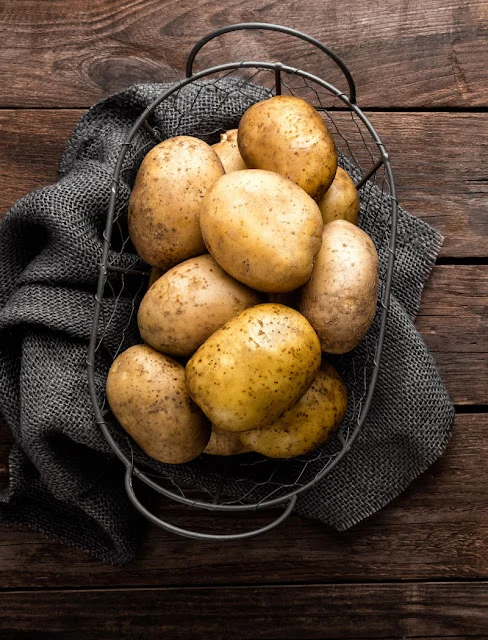
The question of whether potatoes are suitable for consumption by backyard poultry flocks is a common inquiry among small-scale farmers and urban homesteaders. While chickens are resilient omnivores capable of consuming a diverse range of botanical matter, the nutritional profile and biological properties of potatoes present complex safety concerns. Distinguishing between white potatoes, sweet potatoes, and yams is critical for flock management, as these vegetables belong to different botanical families and carry varying levels of toxicity and nutritional benefit.

Botanical Classification and The Nightshade Risk
To understand the risks associated with feeding potatoes to chickens, one must first look at the taxonomy of the Solanaceae family, commonly known as the nightshade family. White potatoes (Solanum tuberosum) share a genetic lineage with tomatoes, peppers, and eggplants. A defining characteristic of the nightshade family is the production of glycoalkaloids, specifically solanine and chaconine.
These compounds serve as natural, plant-derived pesticides intended to protect the vegetable from insects, bacteria, and fungi. While these toxins are present in trace amounts in the edible flesh of a store-bought potato, they are significantly concentrated in the leaves, stems, vines, and green skins of the potato plant.

For poultry, the ingestion of these compounds can be problematic. Solanine acts as a neurotoxin. In domestic fowl, clinical signs of ingestion—often referred to as nightshade poisoning—include gastrointestinal distress, weakness, labored breathing, and, in severe cases, neurological impairment. It is important to note that boiling, baking, or frying does not effectively neutralize solanine. Because the toxin is heat-stable, high-temperature cooking methods, such as those used in commercial food preparation, may reduce the concentration slightly but will not eliminate the risk, particularly if the potato contains green parts or sprouted eyes.
The Nutritional Disparity: White Potatoes vs. Sweet Potatoes
The confusion surrounding potato consumption often stems from the misnomer of the "sweet potato." Despite the shared nomenclature, the sweet potato (Ipomoea batatas) belongs to the Convolvulaceae (morning glory) family. Unlike white potatoes, sweet potatoes contain no solanine, making them an entirely safe and highly nutritious food source for chickens.

From a nutritional standpoint, the differences are stark. Sweet potatoes are dense with beta-carotene, Vitamin A, Vitamin C, and manganese. For laying hens, these nutrients support immune function and may contribute to the vibrancy of the yolk color. Furthermore, sweet potatoes are lower in glycemic load compared to white potatoes, offering a more stable energy source for birds. Unlike white potatoes, which should be largely excluded from a flock’s diet, all parts of the sweet potato plant—including the leaves, vines, and skins—are considered safe for consumption by poultry, whether served raw or cooked.
The Role of Yams in Poultry Diets
Yams (Dioscorea species) are frequently confused with sweet potatoes in Western markets, yet they are biologically distinct, belonging to the Dioscoreaceae family. Yams originate from the tropical regions of Africa and Asia and are technically part of the lily family.

While yams are not toxic in the same manner as white potatoes, they possess their own set of requirements. Raw yams contain naturally occurring proteins and enzymes that are difficult for chickens to digest. Therefore, standard agricultural practice dictates that yams must be thoroughly cooked before being introduced to a flock. Additionally, yams contain oxalic acid. In high concentrations, oxalates can bind to calcium in the bird’s digestive tract, potentially leading to a deficiency. This is particularly relevant for laying hens, as calcium is essential for the formation of eggshells. Chronic overconsumption of high-oxalate foods has been linked to the production of soft-shelled eggs or shell-less eggs. When fed in moderation and properly prepared, however, yams provide valuable fiber and potassium.
Chronology of Agricultural Guidelines for Poultry
Historically, the practice of feeding kitchen scraps to livestock was a cornerstone of efficient farm management. In the early 20th century, before the standardization of specialized poultry feeds, homesteaders frequently fed their flocks whatever was available from the garden. However, as poultry science matured in the mid-to-late 20th century, researchers identified specific correlations between the consumption of raw nightshade foliage and decreased flock productivity.

By the 1980s, veterinary guidelines for small-scale poultry keepers began to explicitly categorize white potato scraps as "non-preferred" or "high-risk" feed. The shift toward modern, balanced commercial feeds in the 1990s further discouraged the use of kitchen scraps as a primary calorie source, emphasizing that treats should constitute no more than 10% of a bird’s daily caloric intake to prevent nutritional imbalances.
Data-Driven Implications for Flock Management
The impact of dietary toxins on a flock is often cumulative rather than acute. While an occasional scrap of a cooked, non-green white potato is unlikely to result in immediate mortality, the long-term implications of feeding solanine-containing foods include suppressed immune response and poor metabolic efficiency.

Veterinary nutritionists often cite the following metrics when assessing feed safety:
- Solanine Thresholds: Chickens have a lower tolerance for alkaloids than humans. A concentration that produces mild symptoms in a mammal can cause systemic distress in an avian system due to their higher metabolic rates.
- Oxalate Ratios: In diets high in oxalates, the calcium-to-phosphorus ratio is disrupted. Poultry requires a specific mineral balance to maintain skeletal integrity and shell quality.
- Digestive Load: Poultry lack the complex enzymatic systems required to break down raw starches efficiently, which is why cooking—or in the case of some vegetables, steaming—is recommended to increase the bioavailability of nutrients.
Official Perspectives and Best Practices
Agricultural extension services and poultry welfare organizations generally advise a "precautionary principle" regarding white potatoes. If a keeper chooses to provide potatoes, they must ensure the following:

- Strict Avoidance of Greenery: Any potato showing green pigmentation—indicating chlorophyll production and high solanine concentration—must be discarded.
- Removal of Eyes and Peels: The highest concentration of toxins resides in the skin and the eyes. Peeling the potato is the minimum standard for safety.
- Preparation Method: If white potatoes are to be used, they must be baked or boiled thoroughly. Even then, the risk-to-reward ratio remains unfavorable compared to safer alternatives like pumpkin, squash, or leafy greens.
The professional consensus remains that the potential for long-term health degradation outweighs the nutritional value provided by white potatoes. Conversely, sweet potatoes are widely endorsed as an excellent supplementary treat that supports overall bird health.
Broader Impact on Sustainable Farming
The distinction between these tuber varieties highlights a broader trend in sustainable agriculture: the shift toward informed, science-based feed management. As backyard chicken keeping grows in popularity, the dissemination of accurate information regarding avian toxicity is vital to preventing preventable losses.

The implication for the modern homesteader is clear: sustainability does not mean utilizing every scrap of kitchen waste indiscriminately. True sustainability involves understanding the biochemical interactions of feedstuffs. By prioritizing nutrient-dense options like sweet potatoes and avoiding high-alkaloid or high-oxalate foods like raw white potatoes and raw yams, keepers can ensure their flocks remain productive and healthy.
Ultimately, the goal of any poultry operation is to provide a diet that supports the biological needs of the birds. When one considers that the average hen has specific requirements for protein, calcium, and complex carbohydrates, it becomes evident that the "kitchen scrap" model of the past must be filtered through modern nutritional knowledge. By making deliberate choices about what enters the coop, owners protect their investment, improve the quality of the eggs produced, and uphold the highest standards of animal welfare. In the final analysis, while white potatoes are a staple of the human diet, they are best left off the menu for the backyard flock.
