
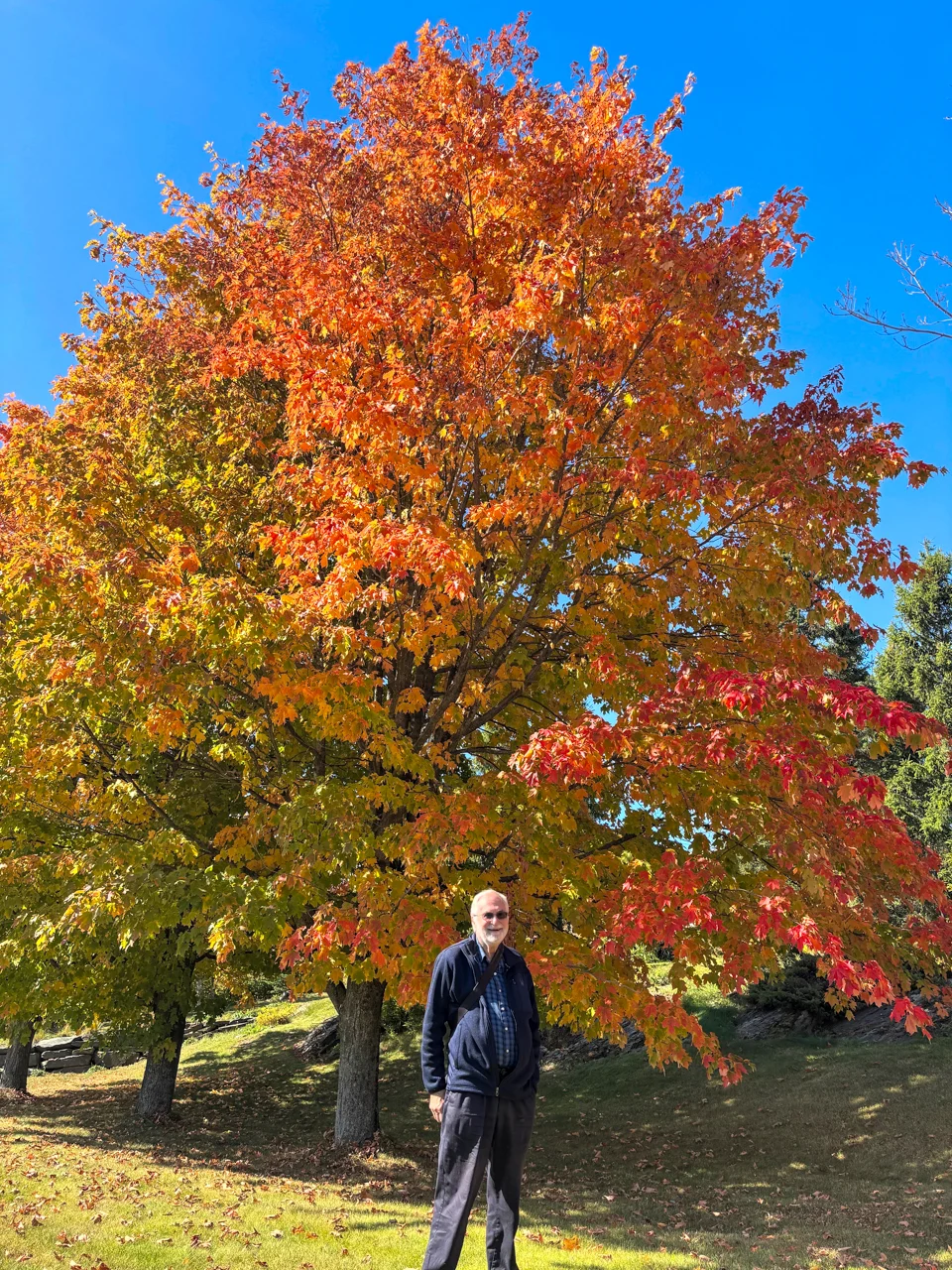
The Gulf of St. Lawrence, a vast marine corridor stretching between the Gaspé Peninsula and the North Shore of Quebec, serves as one of the most critical migratory bottlenecks in North America. During a recent expedition timed to coincide with the annual Tadoussac Bird Festival, observers documented a convergence of marine mammal activity and avian migration that highlights the region’s importance as a global ecological crossroads. This report examines the findings of the expedition, the scientific context of the species observed, and the ongoing conservation efforts that sustain this fragile maritime environment.
A Chronology of Maritime Observations
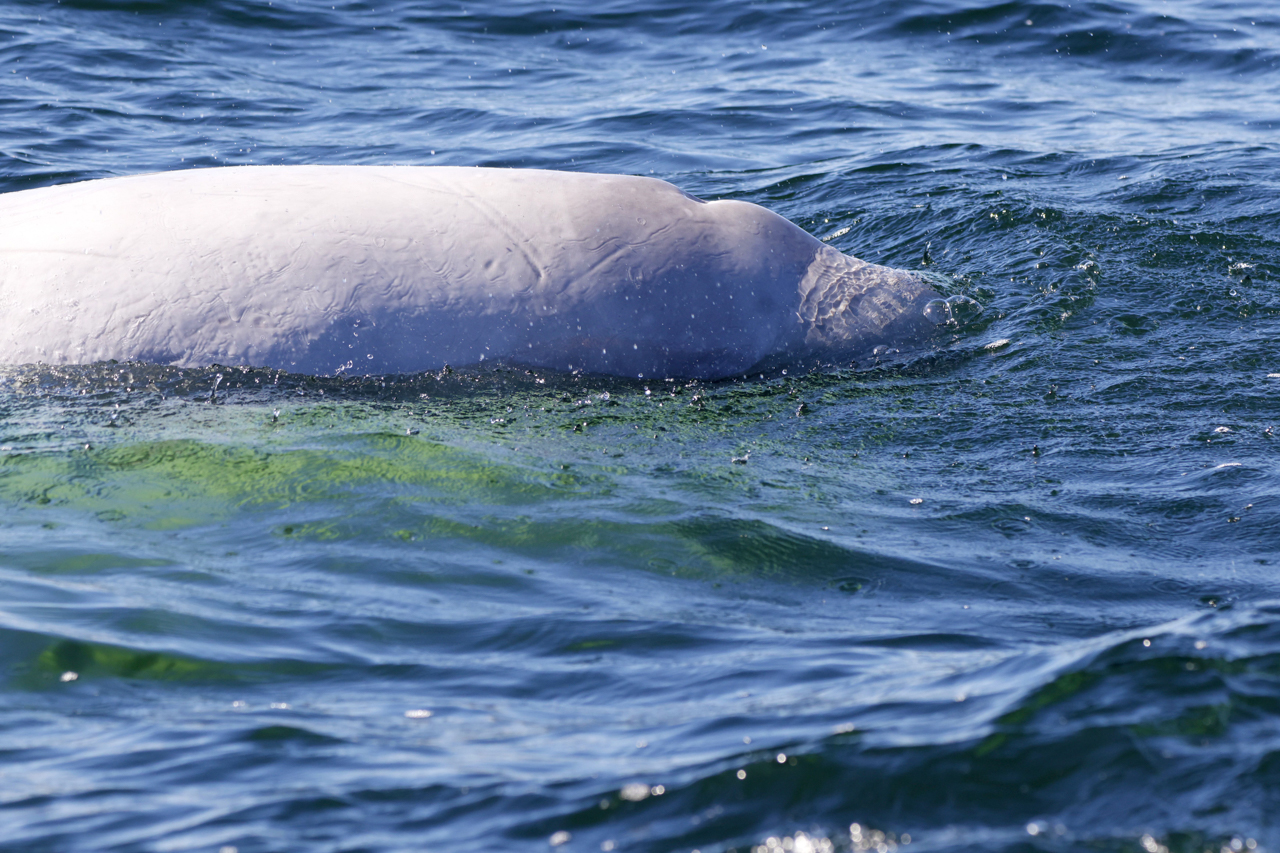
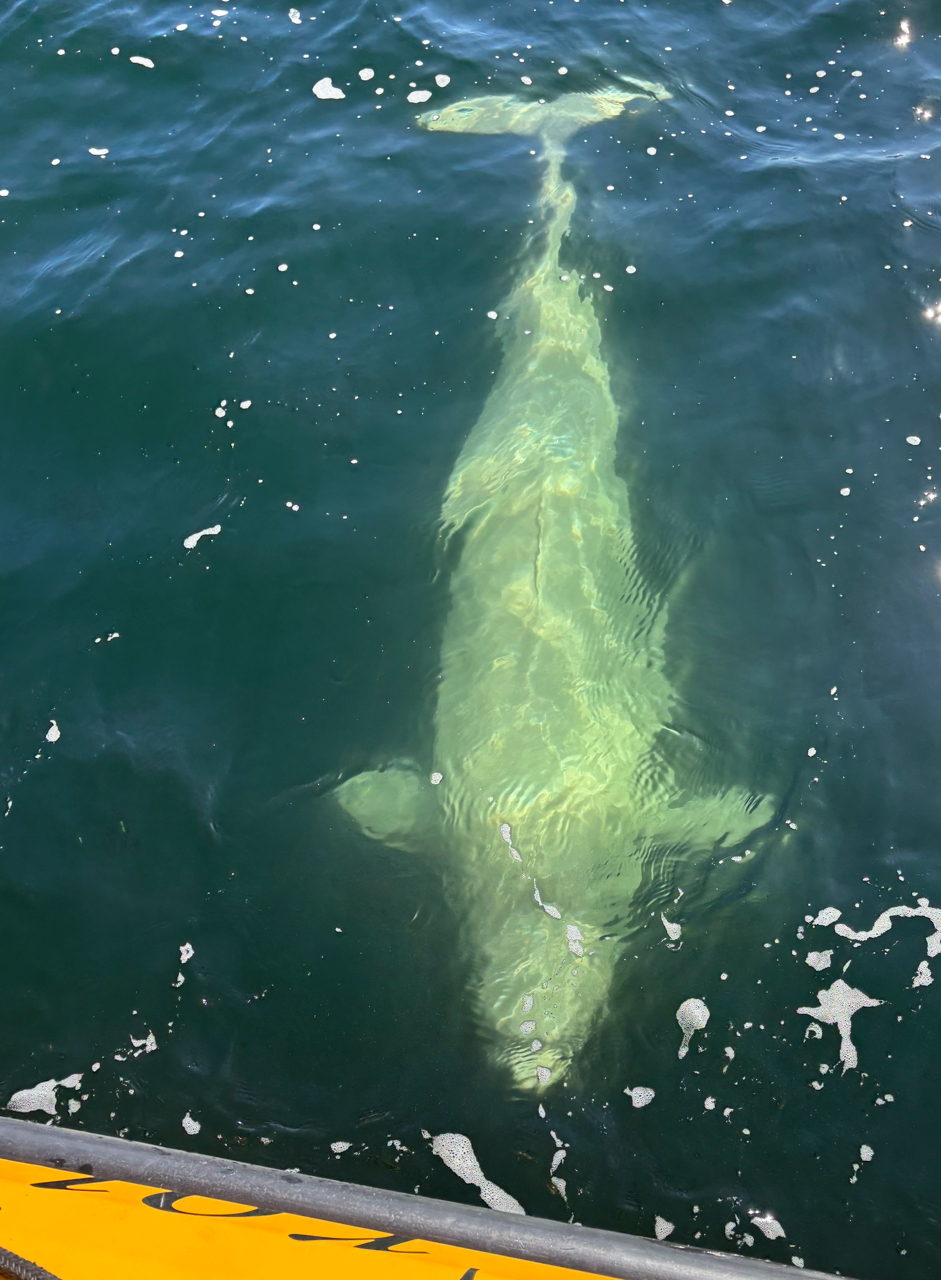
The expedition began with a survey of the St. Lawrence estuary, specifically targeting the population of Beluga whales (Delphinapterus leucas). This population, currently estimated at approximately 1,000 individuals, is distinct from its Arctic counterparts, having been geographically and genetically isolated since the retreat of the glaciers at the end of the last Ice Age. Observations recorded during the excursion confirmed active interaction between the pod and research vessels, with the animals displaying characteristic curiosity—a behavior often documented by local marine biologists as they monitor the health of this endangered group.
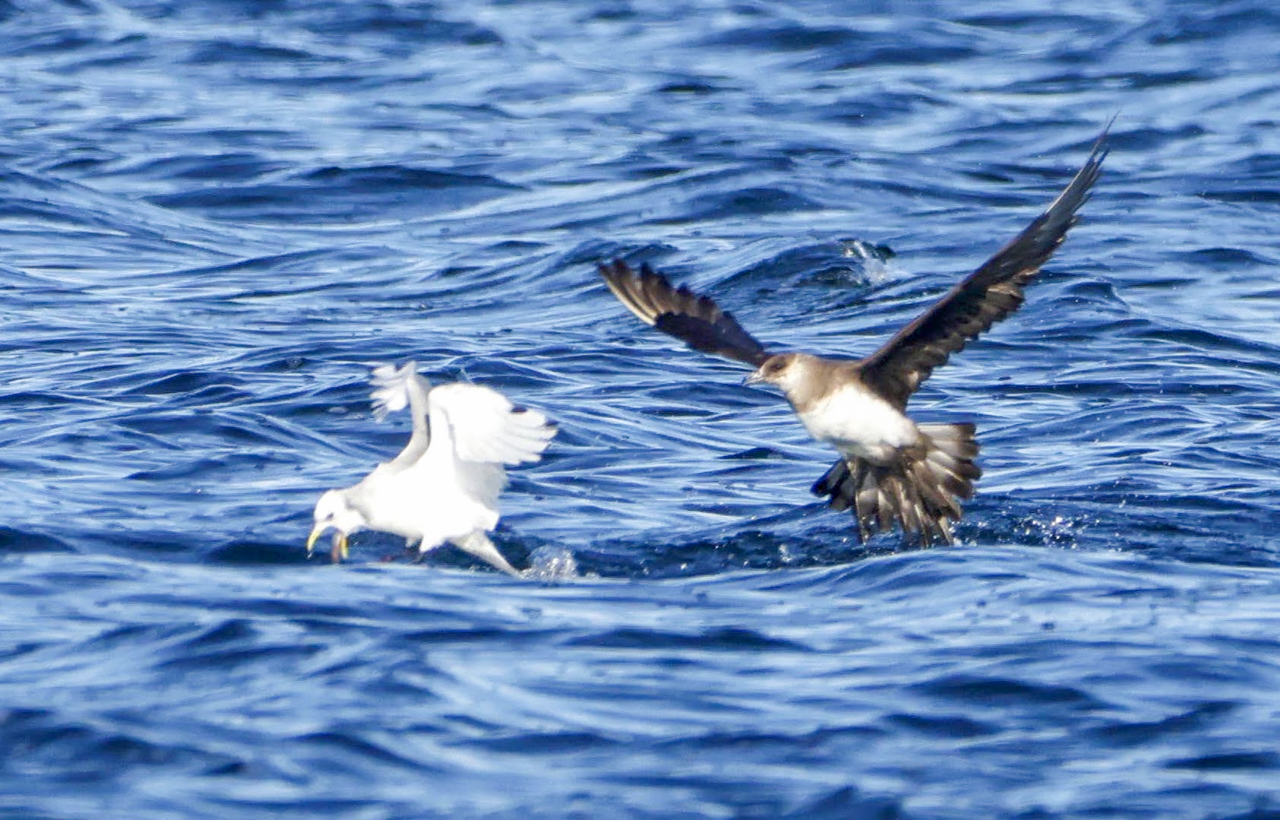
The following day shifted the focus to the pelagic birding routes. The Gulf acts as a primary feeding ground for kleptoparasitic species, most notably the Parasitic Jaeger (Stercorarius parasiticus). The expedition witnessed a significant spike in sightings, with 11 individuals recorded—a number that surpasses typical annual counts for the region. The behavior observed, wherein the jaeger forces a Black-legged Kittiwake to regurgitate its catch, is a classic example of maritime survival strategy, underscoring the intense competition for resources in the nutrient-rich waters of the St. Lawrence.
Migratory Patterns and Avian Diversity
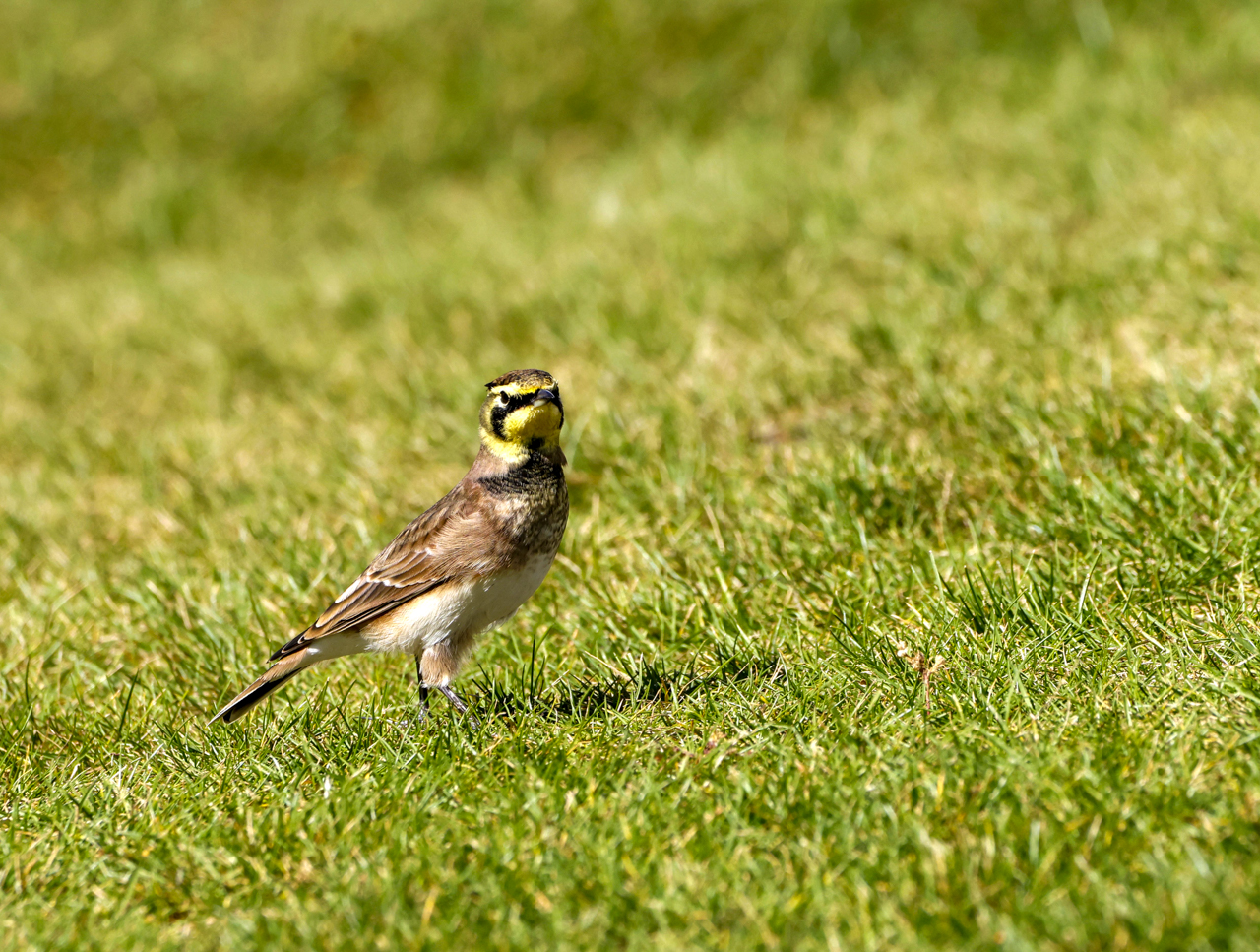
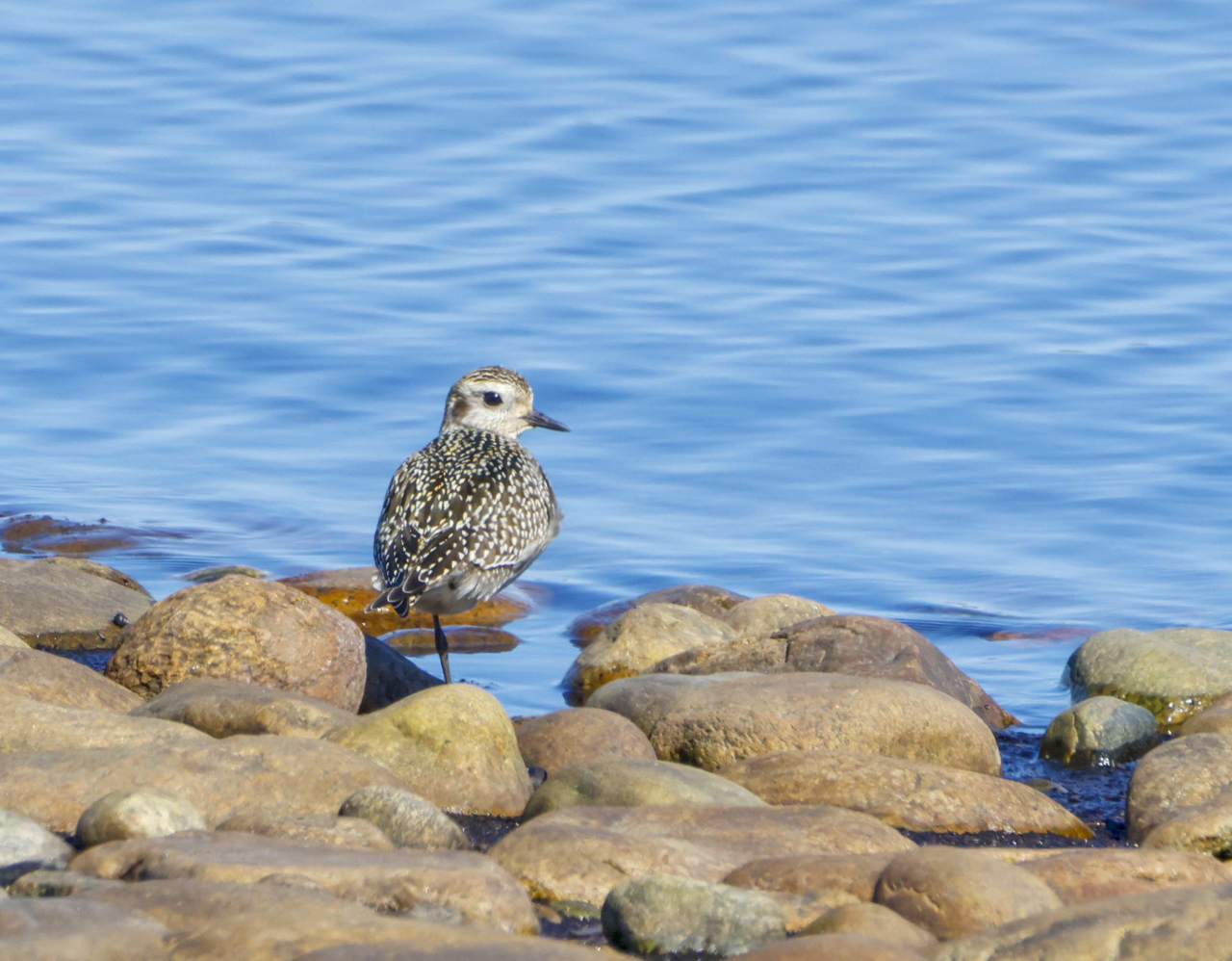
Tadoussac is widely recognized by ornithologists as a premier vantage point for observing the autumn migration of raptors and passerines. Because these birds prefer to avoid the risks associated with crossing the vast, cold stretches of the Gulf, they funnel along the coastline. This geographic constraint creates a natural "funnel effect" that allows researchers and birdwatchers to catalog high volumes of raptors, including the Peregrine Falcon (Falco peregrinus), Bald Eagle (Haliaeetus leucocephalus), Northern Harrier (Circus hudsonius), and the Sharp-shinned Hawk (Accipiter striatus).
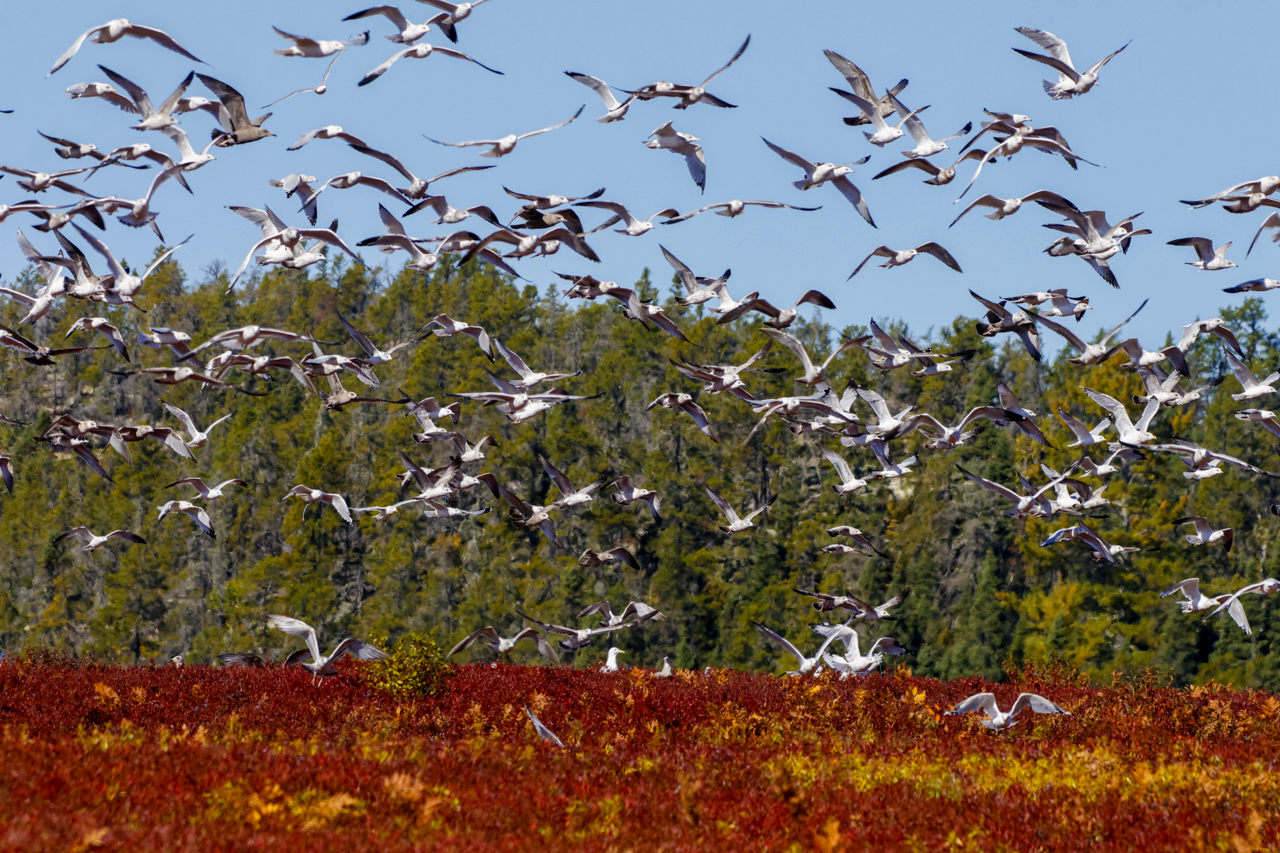
Data collected during the festival underscores the importance of this specific corridor. The sheer volume of Snow Geese (Anser caerulescens) passing through the region serves as the most prominent indicator of the autumn shift. These birds, traveling in massive formations, utilize the bay areas for roosting and the surrounding agricultural fields for refueling. Their presence, often signaled by their strident vocalizations before they are even visible, serves as an annual reminder of the biological clock that dictates seasonal movement.
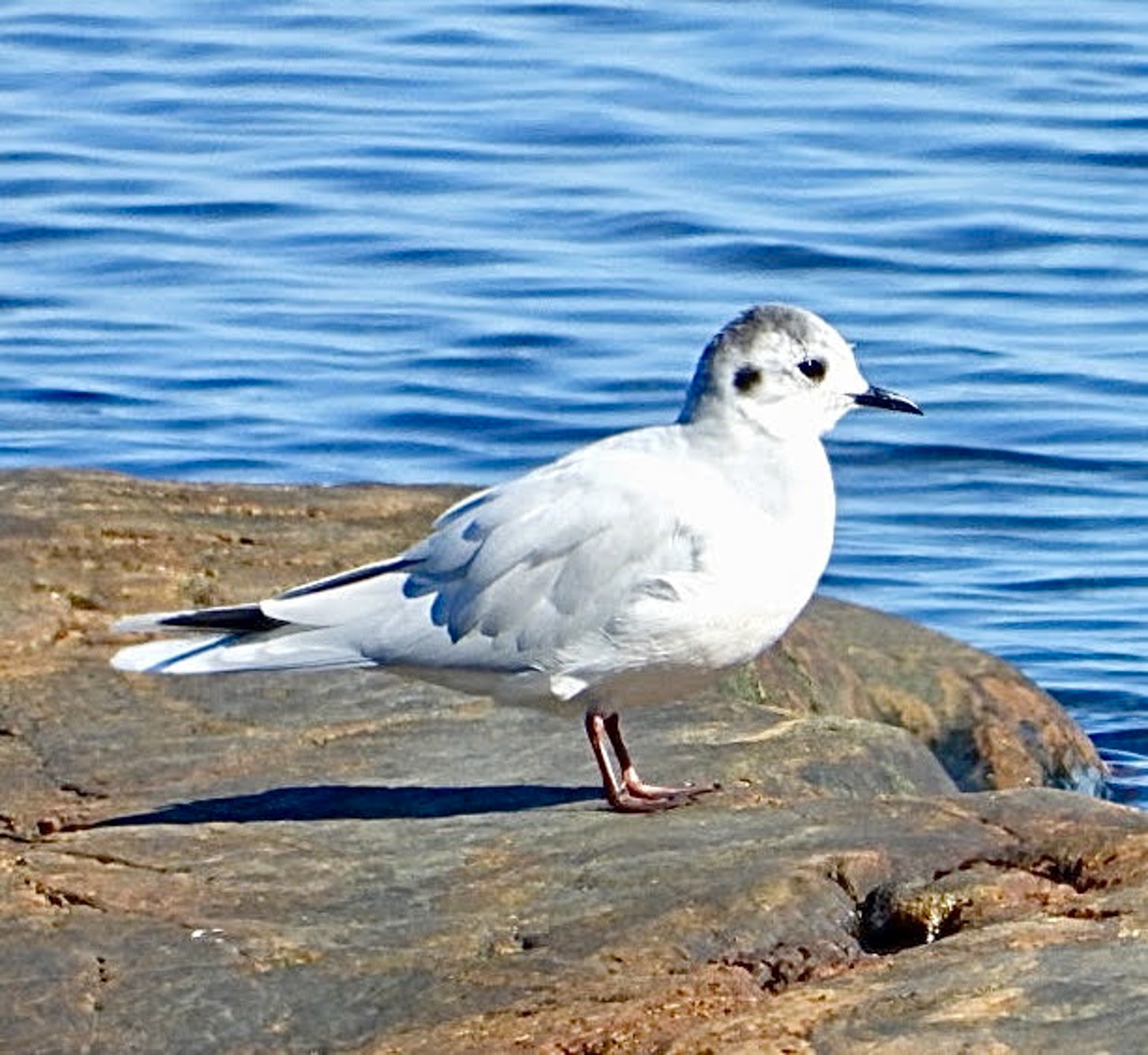
Furthermore, the expedition noted the presence of less common species, including the Hudsonian Godwit (Limosa haemastica). The sight of six individuals of this species, which typically follows a long-distance migration route from the Arctic to South America, provided a significant data point for local bird counts. The rare Little Gull (Hydrocoloeus minutus) was also observed, providing a rare opportunity for researchers to examine the bird’s unique plumage and underwing patterns.
The Role of Citizen Science and Conservation
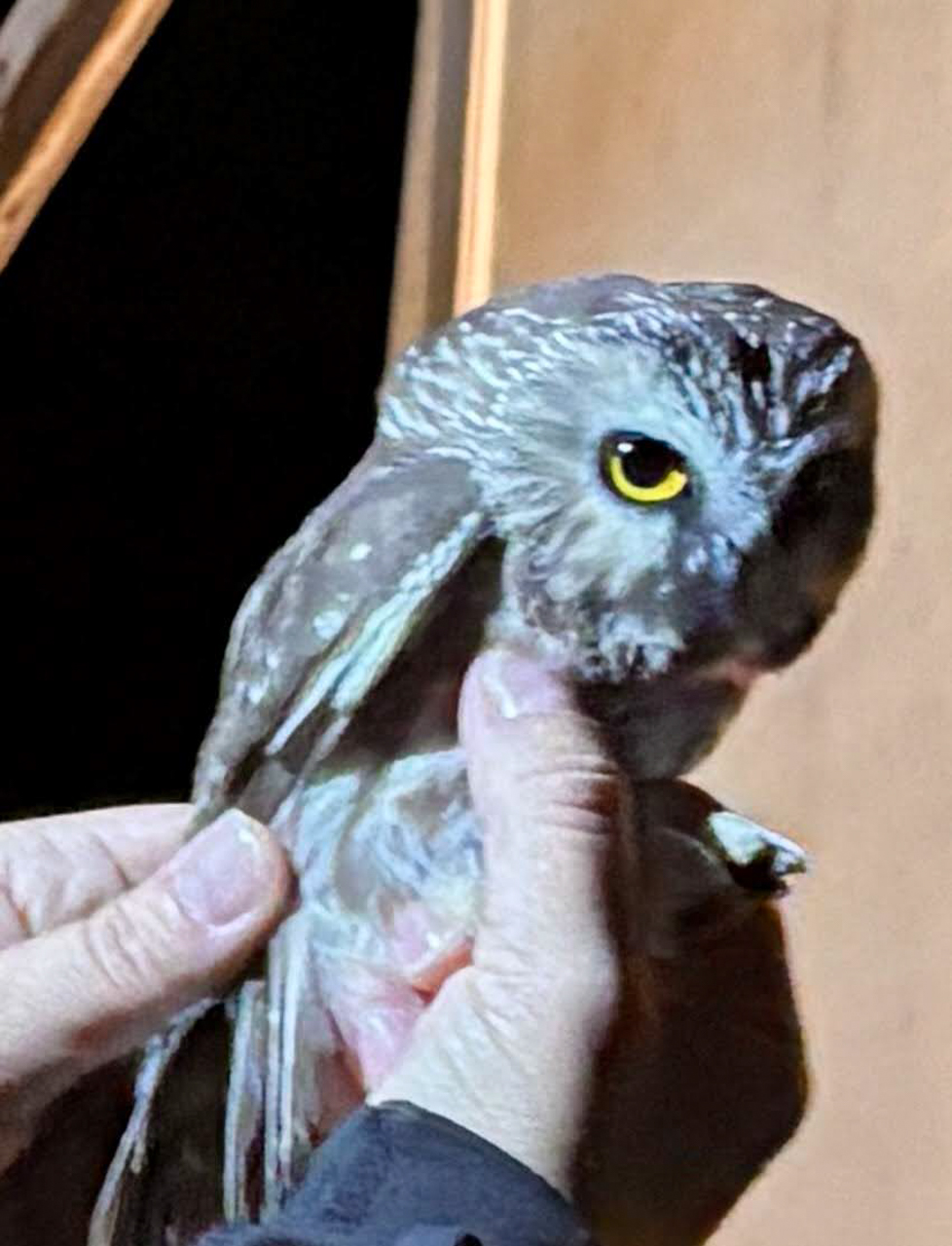
The success of the Tadoussac Bird Festival, and by extension the data gathered by visiting groups, relies heavily on a model of collaborative conservation. The banding of the Northern Saw-whet Owl (Aegolius acadicus) exemplifies the intersection of public education and scientific research. By capturing these birds in mist nets and applying standardized bands, researchers can track individual migration paths, longevity, and population health.
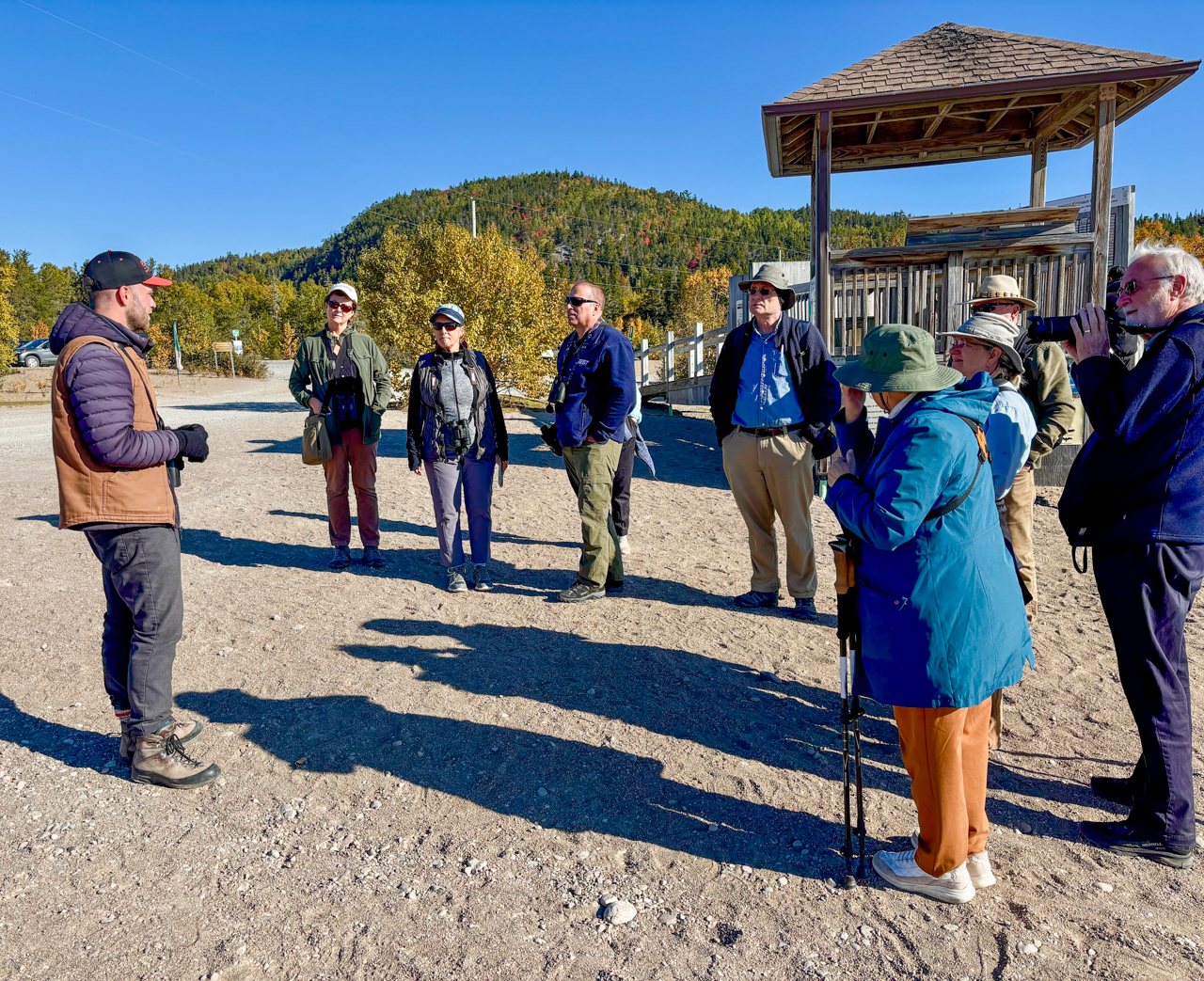
The festival also serves as a platform for recognizing the human element of conservation. The expedition engaged with local experts, including a lead raptor counter who has dedicated three months of every autumn for the past eight years to documenting flight numbers. This level of granular data collection is essential for long-term ecological monitoring. Without such consistent, long-term observation, identifying shifts in migration timing due to climate change or habitat degradation would be impossible.
Scientific Analysis of the St. Lawrence Ecosystem
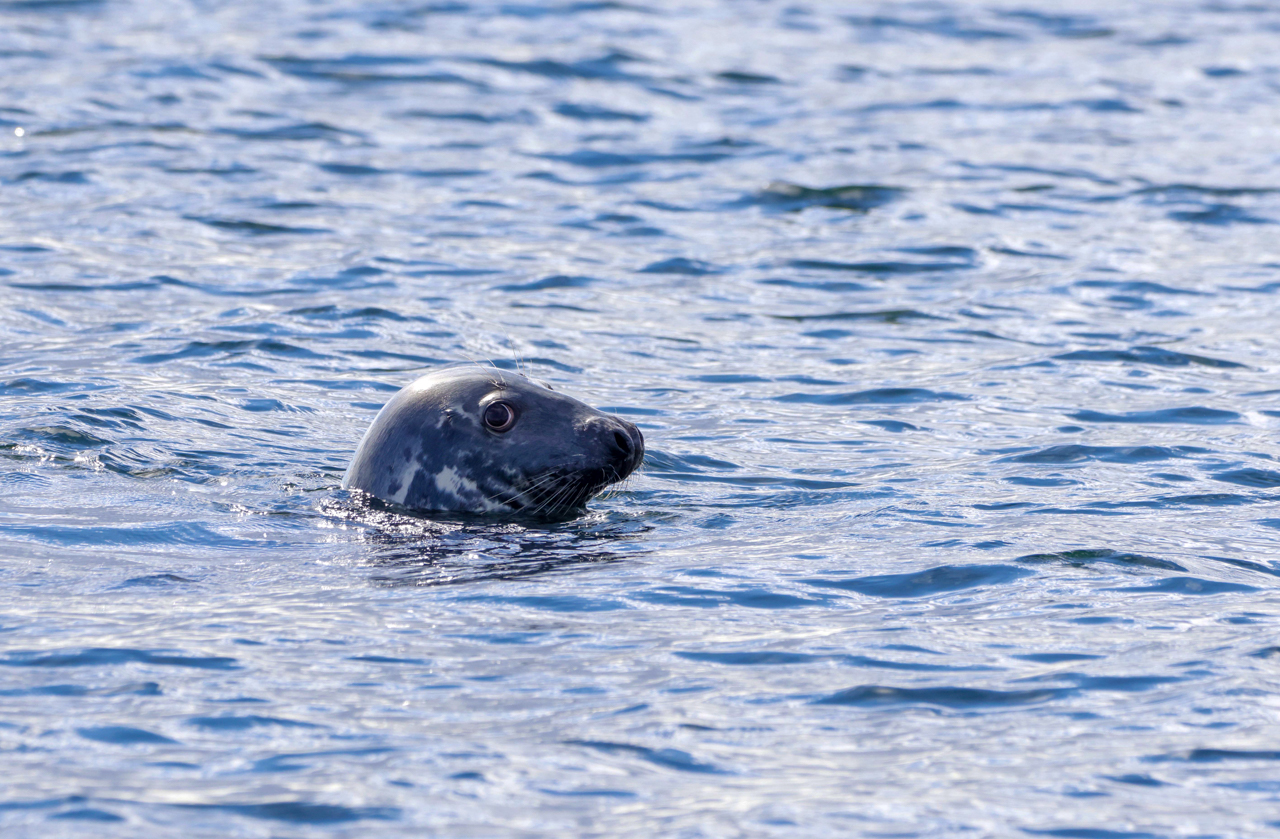
The St. Lawrence ecosystem is currently under significant pressure from both industrial activity and shifting climate patterns. The Beluga population, in particular, has become a sentinel species for the health of the estuary. Their reliance on specific foraging grounds, which are often overlapping with shipping lanes, necessitates strict management protocols.
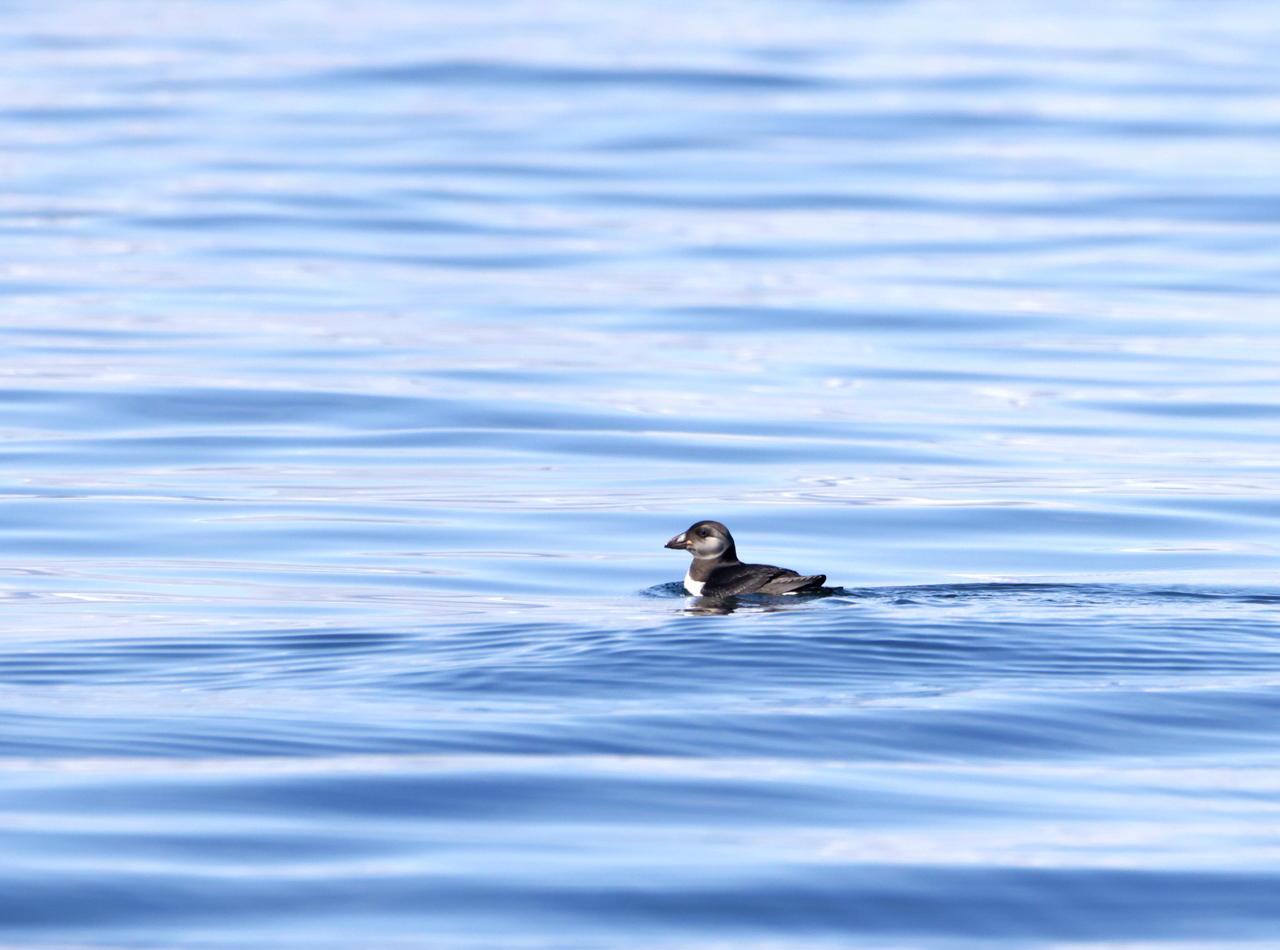
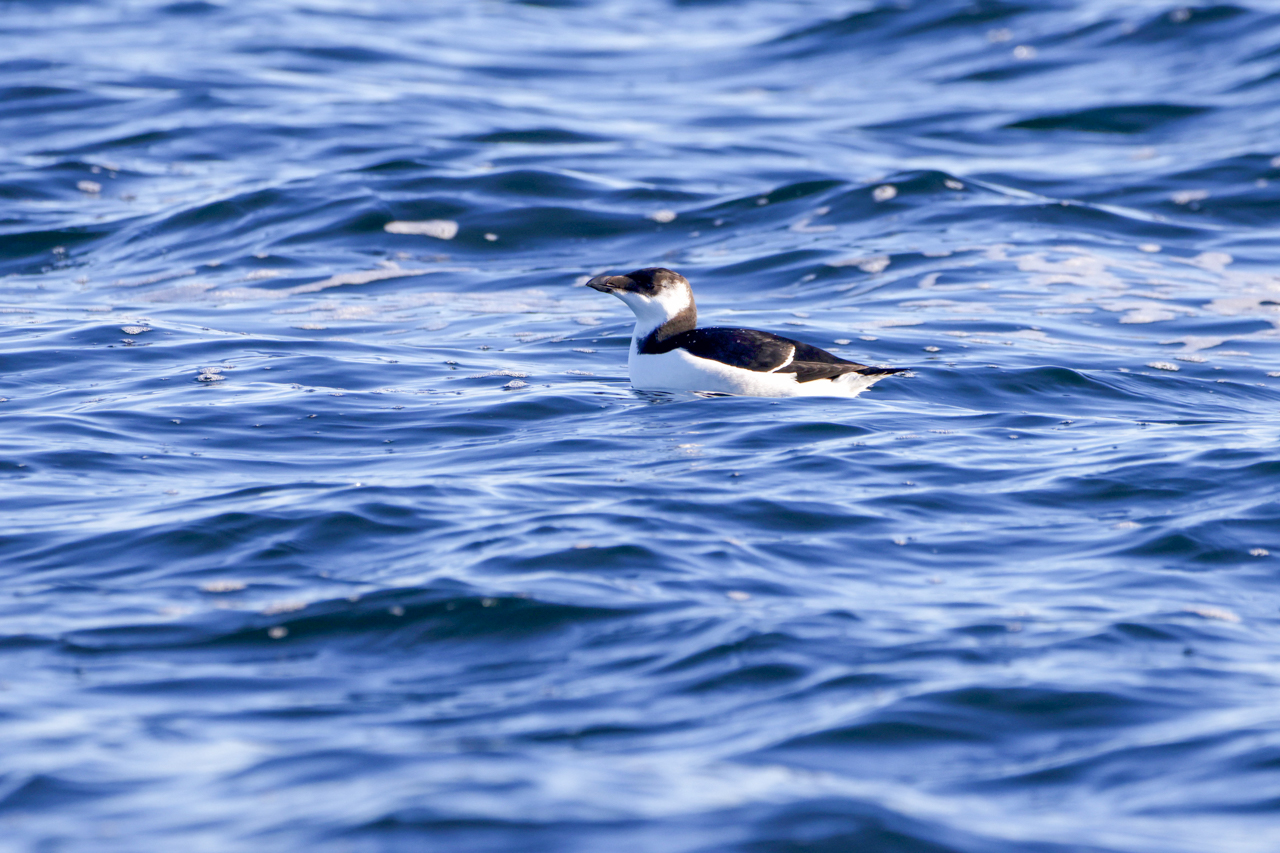
The reliance of thousands of Common Eiders (Somateria mollissima) on the sea bottom for their food supply, as observed during the trip, demonstrates the depth of the food chain. When thousands of these birds congregate in "rafts," they are not only feeding but also signaling the productivity of the marine benthic zone. Changes in water temperature or salinity, caused by upstream hydroelectric projects or warming trends, can have cascading effects on these populations.
The "kleptoparasitism" noted among the jaegers is also a reflection of the available fish stocks. A healthy population of jaegers implies a healthy population of prey species, such as sand lance or capelin, which are often the first to be affected by environmental changes.
Broader Implications for Global Flyways
The observations made in Quebec offer a microcosm of the challenges facing global migratory routes. The "family of things," a sentiment captured in the poetry of Mary Oliver, serves as a poignant reminder that these species are part of a wider, interconnected web. The conservation of these birds and mammals is not merely a regional priority but a global imperative.
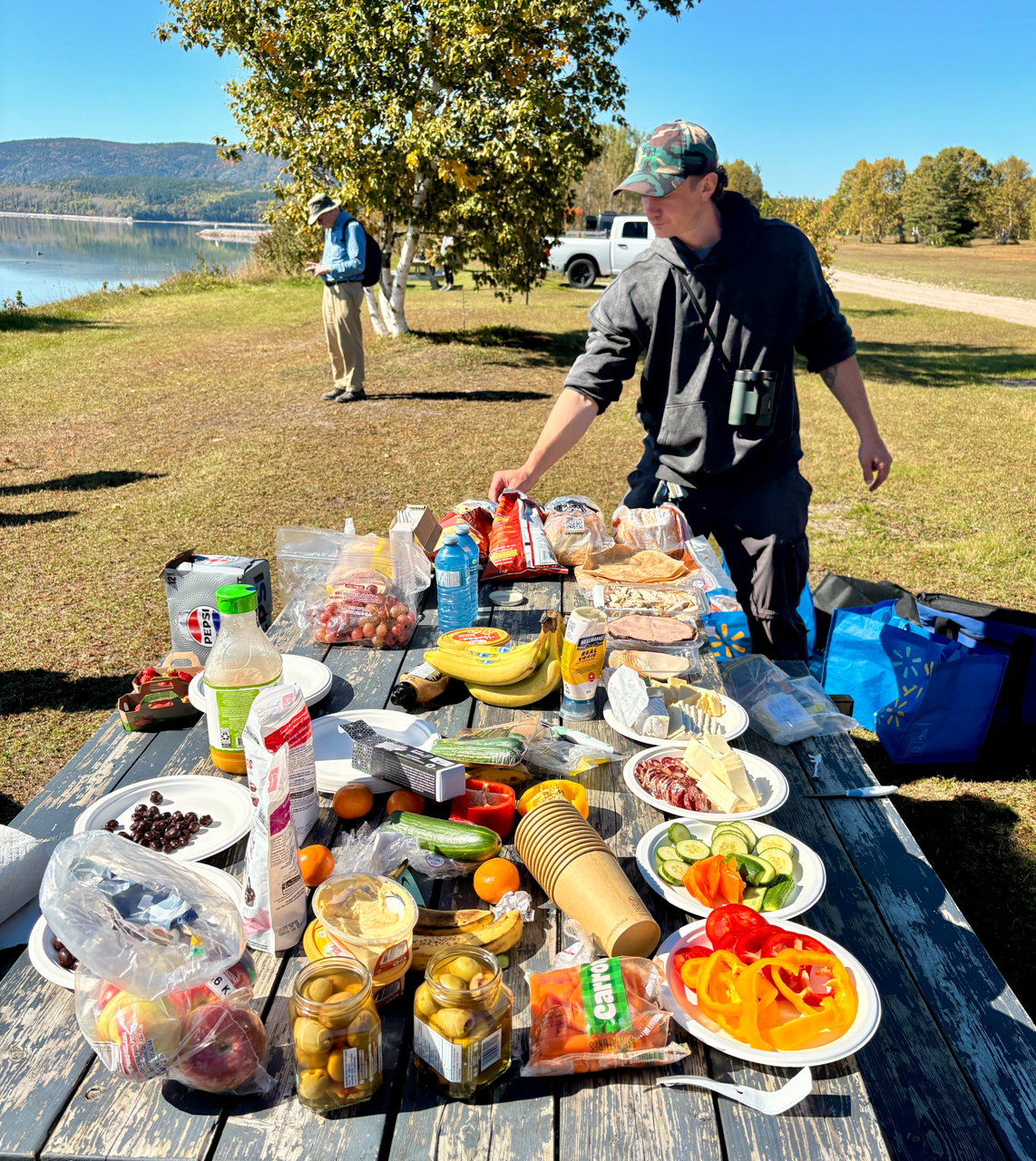
Educational initiatives that provide access to these natural spectacles are crucial for building the public support necessary to fund protected areas. As noted by the organizers and volunteers at the festival, education is the most effective tool for long-term policy change. By translating research into accessible, bilingual formats, the Tadoussac community has created a model for effective science communication.
The festival acts as a nexus where policy, science, and the general public meet. It is in these moments—watching a Saw-whet owl be banded, observing the V-formations of thousands of geese, or listening to the specialized knowledge of a veteran bird counter—that the urgency of conservation becomes palpable. The data gathered during this season will be fed into national databases, contributing to the broader understanding of how avian species are adapting to an increasingly volatile climate.
Conclusion
The expedition to the North Shore of the St. Lawrence serves as a testament to the resilience of nature and the necessity of human vigilance. From the marine mammals navigating the deep channels of the Gulf to the raptors and passerines charting a course along the shoreline, the region remains a vital component of the North American migratory map. As environmental pressures continue to mount, the continued dedication of local researchers, volunteers, and the informed public will remain the primary safeguard for the continued survival of these species. The findings of this recent survey provide not only a snapshot of a successful migration season but also a vital baseline for future ecological study in one of Canada’s most precious natural landscapes.
