
Backyard chicken keeping has surged in popularity over the last decade, with millions of households across the United States and Europe embracing the practice for sustainable egg production and garden management. While chickens are resilient, opportunistic omnivores that effectively reduce household food waste, the nutritional management of a flock is a complex responsibility. Owners often mistakenly assume that because a chicken will ingest almost anything, the animal is naturally equipped to process all human food scraps. Scientific data, however, indicates that several common household items contain chemical compounds—such as solanine, persin, and methylxanthines—that pose significant, sometimes fatal, risks to poultry.

The Biological Reality of Avian Digestion
Chickens possess a highly specialized digestive system consisting of the crop, proventriculus, and gizzard, designed primarily to break down grains, seeds, insects, and vegetation. Unlike mammals, birds have different metabolic pathways for processing certain toxins. When a flock is fed items that contain systemic poisons, the toxins can accumulate over time. Veterinary researchers from the Merck Veterinary Manual and various agricultural extension services have documented that poultry lack the specialized enzymes required to neutralize specific compounds found in common kitchen staples. This can lead to conditions ranging from mild gastrointestinal distress to acute renal failure, cardiac arrest, or systemic poisoning.

Nightshade Family and the Solanine Hazard
A primary concern for poultry owners is the inadvertent feeding of plants from the Solanaceae, or nightshade, family. This category includes white potatoes, tomatoes, eggplant, and peppers. These plants contain solanine, a glycoalkaloid that acts as a natural pesticide for the plant.

In chickens, solanine is particularly dangerous because it inhibits the function of acetylcholinesterase, an enzyme critical for nervous system health. While fully ripe, red tomatoes are generally considered safe in moderation due to lower concentrations of alkaloids, the green parts of the plant—including stems, leaves, and vines—contain high levels of solanine. Similarly, white potatoes, whether raw or cooked, present a significant risk. Unlike sweet potatoes, which are part of the morning glory family and are safe for consumption, white potatoes contain both solanine and chaconine, neither of which is reliably neutralized by boiling.

Toxic Compounds in Household Scraps
Beyond the nightshade family, several common pantry items present immediate threats:

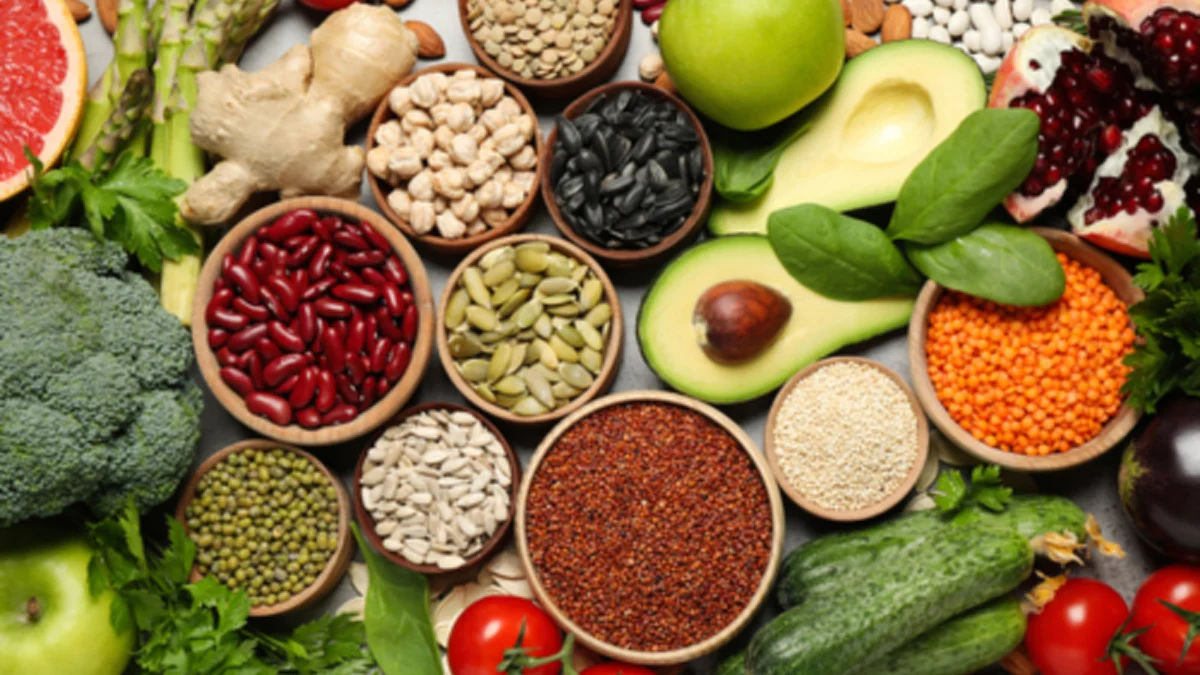
- Avocados: All parts of the avocado plant, including the skin, flesh, and pit, contain persin. This fungicidal toxin is highly potent in birds. Research indicates that as little as 5% of a single fruit can induce myocardial necrosis—the death of heart muscle tissue—in small birds within 48 hours.
- Dried Beans: Raw or undercooked legumes, particularly kidney beans, contain phytohaemagglutinin. This lectin is designed to protect the plant from insects and is highly toxic to poultry. Consumption of just a few raw beans can be fatal, as the toxin causes severe digestive irritation and cellular damage. Proper soaking and prolonged boiling are required to deactivate these compounds.
- Onions and Garlic: While garlic is occasionally used in medicinal dosages for poultry health, onions contain thiosulphate. This compound damages avian red blood cells, potentially leading to hemolytic anemia. If ingested in high volumes, onions can cause jaundice and eventual death.
- Caffeine and Chocolate: Chocolate contains theobromine and caffeine (methylxanthines). Poultry are unable to metabolize these stimulants effectively. Even trace amounts can lead to rapid heart rates, tremors, seizures, and fatal cardiac arrest.
Cyanogenic Glycosides in Stone Fruits
The seeds and pits of stone fruits—such as cherries, peaches, plums, and apricots—along with apple seeds, contain cyanogenic glycosides. When these seeds are crushed or chewed, they release hydrogen cyanide, which inhibits the cellular respiration of the bird. Symptoms of cyanide poisoning include respiratory distress, a bluish comb (indicating hypoxia), and sudden collapse. While the flesh of these fruits is safe and nutritious, it is essential to ensure that all pits and seeds are removed before the fruit is offered to the flock.

The Role of Oxalic Acid and Dietary Interference
Rhubarb leaves are widely recognized as toxic to both humans and animals due to high concentrations of oxalic acid. In chickens, this acid can lead to a condition known as hypocalcemia by binding with calcium in the digestive tract. This not only causes immediate health issues like kidney failure but also results in the production of soft-shelled or rubbery eggs, as the bird’s calcium stores are depleted to compensate for the imbalance. Spinach, while nutrient-dense for humans, also contains oxalic acid; when fed in excess, it can interfere with a chicken’s ability to absorb essential minerals, leading to long-term skeletal issues.

Broader Implications for Flock Management
The implications of these dietary risks extend beyond individual bird health; they impact the overall productivity and longevity of the flock. Many owners view chickens as a "living compost bin," yet the reality of modern food processing—which includes high salt, sugar, and fat contents in convenience foods—poses a threat to the avian cardiovascular system. Excessive salt intake, for instance, can lead to severe dehydration and kidney damage in chickens, as their renal systems are not adapted to handle high sodium levels.

Furthermore, the issue of moldy food represents a pervasive, often overlooked danger. Mycotoxins, produced by fungi that grow on stale bread, grains, or damp produce, can cause severe respiratory and liver damage. Even if the visible mold is removed, the microscopic spores can remain, posing a threat to the entire flock’s immune system.

Expert Guidance and Best Practices
Veterinary experts emphasize that treats should constitute no more than 10% of a chicken’s daily caloric intake. The remaining 90% should be composed of high-quality, nutritionally balanced layer feed. When managing household scraps, owners should adhere to a "pre-sorting" protocol:

- Exclude all nightshade foliage: Never feed stems, leaves, or vines from garden plants.
- Verify the safety of produce: When in doubt, research the specific botanical family of the vegetable.
- Avoid processed human food: Junk food, fried items, and high-sugar snacks should be discarded in the compost, not given to the birds.
- Prioritize hydration: Ensure access to clean water, which is the most critical nutrient for egg production.
As the industry of backyard farming grows, the need for standardized nutritional education becomes more pressing. While the risk of accidental poisoning can be mitigated through careful selection of scraps, owners must remain vigilant. By shifting the focus from "waste elimination" to "nutritional supplementation," keepers can ensure their flocks remain productive and healthy. The consensus among veterinary professionals is clear: if an item is questionable, it is safer to dispose of it through traditional waste management rather than risking the health of the birds. Ultimately, a well-managed diet is the most effective preventative measure against the common, but entirely avoidable, tragedies of poultry poisoning.
