
Landscape photography has long been celebrated as a discipline requiring meticulous preparation, deep geographic familiarity, and precise timing to capture the ephemeral magic of golden hours and dramatic weather. For many dedicated practitioners, the pursuit of the ultimate vista consumes countless hours of planning and travel. However, the realities of modern schedules often restrict access to prime locations when environmental conditions are optimal. This temporal limitation frequently leads to unfulfilled photographic outings, challenging creators to adapt their methodologies. Rather than resigning to missed opportunities, a growing segment of the amateur photography community is embracing an improvisational approach known colloquially as "Plan B." This strategy shifts the focus away from grand vistas toward the intricate, often overlooked micro-ecosystems found in everyday environments, redefining what constitutes a successful photographic excursion.

The evolution of nature and landscape photography over the past two decades has been heavily influenced by the accessibility of digital sensors and the proliferation of online platforms dedicated to visual arts, such as the Nature Photographers Network. Historically, capturing high-detail macro or close-up imagery required specialized laboratory equipment, cumbersome lighting rigs, and extensive botanical or entomological knowledge. Today, advancements in mirrorless camera technologies, vintage lens adaptations, and computational photography have democratized the medium. Photographers now possess the technical capability to extract extraordinary visual narratives from mundane surroundings, turning backyards, neighborhood flowerpots, and urban parks into viable, highly productive studios.

At the core of this improvisational movement is the philosophical pivot from grand scale to intimate scale. When grandiose landscape objectives are thwarted by poor weather, scheduling conflicts, or inaccessible terrain, practitioners pivot toward macro photography and close-up compositions. Industry analysts note a notable surge in the popularity of specialized macro lenses and vintage glass adapters, reflecting a broader market shift toward localized, micro-scale exploration. This transition is not merely a compromise; it is an active exercise in visual problem-solving. Working within confined settings grants photographers heightened control over variables such as ambient light, subject positioning, and background rendering—elements that remain notoriously unpredictable in vast open landscapes.

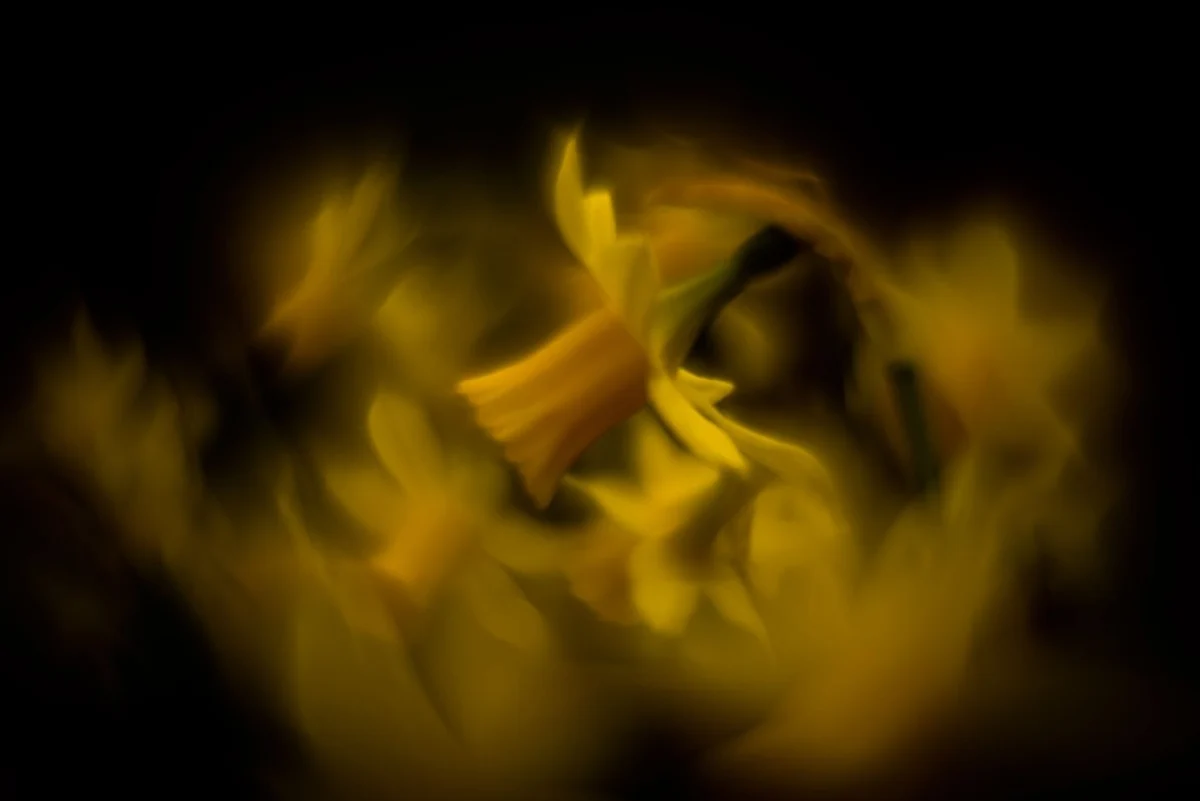
The technical execution of these impromptu sessions often relies on resourcefulness rather than heavy capital investment. In many documented instances, photographers utilize unconventional tools to achieve painterly, dreamlike effects. For example, utilizing vintage lenses with inverted glass elements can introduce deliberate optical aberrations, creating dynamic, swirling out-of-focus areas that transform ordinary subjects—such as common garden daffodils—into ethereal works of art. Similarly, lighting management in the field frequently relies on minimalist equipment. The strategic deployment of pocket-sized LED flashlights for directional illumination, combined with simple household items like lens-cleaning cloths to create subtle foreground gradients or light leaks, demonstrates a high degree of field-craft. These techniques minimize the reliance on extensive post-processing suites, aligning with a purist philosophy that prioritizes in-camera execution over digital manipulation.

A critical decision point in the creation of these intimate nature studies involves balancing two primary aesthetic forces: high contrast versus subtle harmony. Contemporary digital workflows heavily favor high contrast, dramatic clarity, and saturated color palettes to capture immediate attention on digital feeds. However, many seasoned nature photographers advocate for a more restrained approach when interpreting delicate subjects such as forest fungi (e.g., Mycenas species) or ephemeral spring Lepidoptera (butterflies). By opting for subtle tonal gradations, carefully controlled depths of field, and natural color temperatures, creators can communicate the fragility and quiet resilience of their subjects. Industry discussions among visual artists frequently highlight this dichotomy, noting that the intentional choice of softer contrast often yields images with greater emotional resonance and longevity.

The logistical framework of these unplanned sessions also forces a departure from rigid pre-visualization. Traditional wildlife and landscape workflows typically involve meticulous scouting, tripod stabilization, remote shutter releases, and multi-exposure bracketing. In contrast, impromptu urban park explorations—undertaken during routine walks or brief respites from daily responsibilities—rely on swift decision-making and heightened environmental awareness. Photographers must rapidly identify natural focal points, such as a solitary fallen blossom disrupting the linear geometry of decaying autumn leaves, or a rain-puddle acting as a ready-made natural still life. This spontaneity trains the creative eye, sharpening compositional instincts and fostering a continuous sense of wonder that can occasionally atrophy during long-term, highly calculated commercial or fine-art projects.

From an economic and psychological perspective, the embrace of impromptu macro and close-up photography offers significant benefits to the broader photographic community. Mental health professionals and arts educators frequently emphasize the therapeutic value of mindfulness in creative practices. By lowering the stakes of a photographic outing—removing the pressure to return with an iconic, publication-ready landscape panorama—creators experience reduced performance anxiety and renewed passion for the medium. Furthermore, the economic implications are favorable for amateur practitioners. Exploring local green spaces eliminates the substantial travel costs, fuel consumption, and lodging expenses associated with destination landscape photography, making continuous skill development accessible to a wider demographic.

Industry observers and photographic societies have noted that the techniques refined during these spontaneous sessions frequently cross over into more formal bodies of work. The intimate understanding of natural diffusion, bokeh rendering, and subject isolation gained from photographing backyard flora directly enhances a photographer’s proficiency when they eventually return to grand landscape vistas. As urban green spaces and suburban gardens continue to serve as accessible refuges for nature enthusiasts, the practice of turning failed landscape expeditions into triumphs of macro and micro-photography is cementing its place as a vital, enduring facet of modern visual art.
