
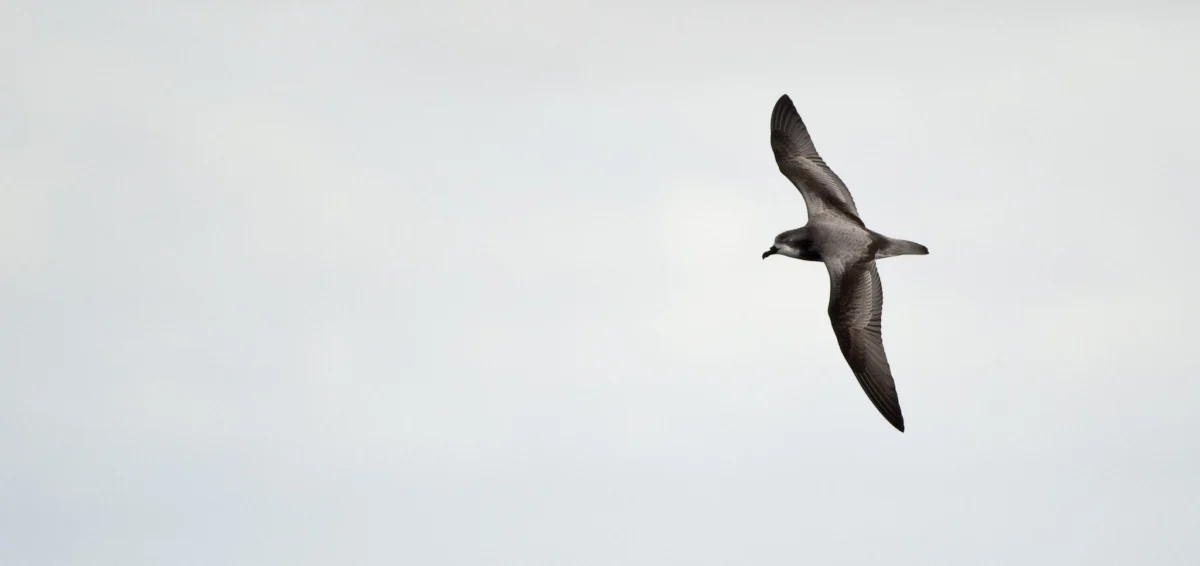
Fiji’s Gau Island, a vital ecological hub within the Lomaiviti archipelago, is at the epicenter of an intensive conservation campaign aimed at safeguarding two of the world’s most enigmatic seabirds: the Critically Endangered Fiji Petrel and the Vulnerable Collared Petrel. This remote island, with its deep-seated cultural reverence for these avian inhabitants, is witnessing an unprecedented collaboration between local communities and conservation organizations to protect these species from the pervasive threat of invasive predators, ensuring the survival of what is believed to be the last breeding stronghold of the almost mythical Fiji Petrel.
The conservation narrative on Gau, pronounced "Nau," is a tapestry woven with threads of rediscovery, cultural heritage, and ecological urgency. The island, the fifth-largest in Fiji and situated east of the main island Viti Levu, is home to no fewer than 16 villages whose residents share a profound spiritual connection to the Fiji Petrel (Pseudobulweria macgillivrayi). Known locally as Kacau ni Gau, this elusive seabird, thought to nest underground high in the island’s mountainous interior, has been a phantom of the Pacific for much of recorded history, making its preservation a global conservation priority.
A History Shrouded in Mystery: The Fiji Petrel’s Elusive Journey
The Fiji Petrel’s story is one of dramatic disappearances and miraculous reappearies. It was first documented in the 1850s by naturalist John MacGillivray, who collected a single specimen in 1855, leading to its scientific description. Following this initial discovery, the bird vanished from human sight for over a century, leading many ornithologists to fear it had succumbed to extinction. This prolonged absence cemented its reputation as one of the world’s rarest and least-known seabirds.

The dawn of hope arrived in the 1980s when the species was sensationally rediscovered, marking a pivotal moment in ornithological history. Despite this breakthrough, actual sightings remained exceedingly rare, and its terrestrial breeding grounds continued to elude researchers. It was not until 2009 that the species was finally photographed at sea, offering irrefutable visual evidence of its continued existence and providing invaluable data on its appearance and behaviour in its marine environment. This extended period of obscurity underscores the immense challenges in studying and protecting a species that spends the majority of its life far out at sea, returning to land only to breed in remote, often inaccessible, locations.
Currently, the Fiji Petrel is listed as Critically Endangered on the IUCN Red List of Threatened Species, a classification reflecting the dire assessment that its global population could be as devastatingly low as 50 individual birds. This alarming estimate, coupled with the strong belief that Gau Island is the sole breeding ground for this species, places an immense responsibility on the shoulders of the island’s inhabitants and conservation partners. The two designated Important Bird and Biodiversity Areas (IBAs) on Gau are crucial to these efforts, encompassing the forested highlands where both Collared Petrels are known to nest, and where the Fiji Petrel is presumed to breed.
Collared Petrel: A Surrogate Species in the Fight for Survival
While the Fiji Petrel remains largely a ghost in the mountains, its close relative, the Collared Petrel (Pterodroma brevipes), plays a critical role in the broader conservation strategy on Gau. The Collared Petrel, listed as Vulnerable on the IUCN Red List, is known to nest in burrows within the island’s dense forests and hills. Given the extreme difficulty in locating Fiji Petrel breeding sites, the Collared Petrel is often utilized as a "surrogate" species. By implementing robust conservation measures to protect Collared Petrel colonies, conservationists hope to simultaneously benefit the enigmatic Fiji Petrel, whose breeding ecology is presumed to be similar.
This surrogate approach is pragmatic and efficient, allowing for the development and refinement of conservation techniques that can then be applied or adapted if and when Fiji Petrel breeding sites are definitively located. Efforts to safeguard Collared Petrel colonies involve understanding their nesting habits, monitoring their populations, and, crucially, protecting them from threats that would undoubtedly impact Fiji Petrels as well. This dual-species approach maximizes the impact of conservation resources on the ground.

The Invasive Threat: A Silent Ravager of Seabird Colonies
The primary and most insidious threat to both Fiji Petrels and Collared Petrels on Gau Island, as in many island ecosystems globally, comes from invasive mammalian predators. Rats, feral cats, and pigs have been identified as the chief culprits responsible for decimating seabird colonies. These introduced species prey on eggs, chicks, and even adult birds, which are often vulnerable on land due to their adaptations for marine life. Their impact can be catastrophic, leading to rapid declines in populations that are already numerically small and slow to reproduce.
Conservation efforts, spearheaded by NatureFiji-MareqetiViti, Fiji’s BirdLife Partner, in close collaboration with the Gau islanders, have established a comprehensive trapping and monitoring program. This initiative spans over 1,000 hectares and involves three villages, demonstrating the scale of community engagement required. The program focuses on reducing and controlling populations of rats, cats, and pigs within the crucial nesting areas. The success of such programs relies heavily on consistent effort, local knowledge, and sustainable practices.
Beyond active trapping, stringent biosecurity measures are paramount. The island’s relative isolation has historically protected it from certain invasive species that have wreaked havoc elsewhere in Fiji. A critical component of the biosecurity strategy is preventing the introduction of new invasive mammals, particularly mongooses. These highly effective predators, introduced to many parts of Fiji for pest control, have devastated native bird populations and represent a grave threat should they reach Gau. The coordinated efforts to screen incoming cargo and vessels, coupled with public awareness campaigns, are essential to maintaining Gau’s ecological integrity.
Community Engagement: The Heart of Conservation on Gau

The enduring success of conservation initiatives on Gau Island is intrinsically linked to the fervent participation and deep cultural connection of its indigenous communities. Islanders express immense pride in the Fiji Petrel, viewing the Kacau ni Gau not merely as a bird, but as a living emblem of their heritage and a spiritual link to their land. This profound connection has transformed them into enthusiastic partners in conservation from the outset.
Generations of Gau residents have passed down stories and traditions related to the Fiji Petrel, fostering an intrinsic understanding of its importance. This cultural legacy provides a powerful foundation for modern conservation efforts, ensuring that initiatives are not merely imposed but are embraced and driven by local people. Community members are actively involved in the trapping and monitoring programs, gaining valuable skills in ecological management and biodiversity protection. This capacity building is vital, empowering local people to become stewards of their natural heritage, capable of identifying threats, implementing protective measures, and caring for lost, disoriented, or injured birds.
Furthermore, the involvement of local communities ensures the sustainability of these programs. By integrating traditional knowledge with scientific approaches, conservation efforts become more resilient and culturally appropriate. The economic implications are also significant; a healthy ecosystem, with thriving bird populations, can open doors for eco-tourism opportunities, providing alternative livelihoods and reinforcing the value of conservation.
Broader Implications and the Future Outlook
The conservation work on Gau Island extends far beyond the fate of two petrel species. It represents a microcosm of global efforts to combat biodiversity loss, particularly in vulnerable island ecosystems. The lessons learned from Gau—the critical role of community engagement, the challenges of invasive species management, and the dedication required for long-term monitoring—offer valuable insights for conservationists worldwide.

The Fiji Petrel, as one of the world’s rarest birds, holds significant scientific value. Understanding its ecology, migratory patterns, and breeding requirements could unlock vital knowledge about oceanic birds and their susceptibility to environmental changes. Its survival is a testament to the potential for recovery, even for species pushed to the brink of extinction.
For Fiji, the preservation of the Kacau ni Gau reinforces its commitment to protecting its unique natural heritage and upholding its international biodiversity commitments. The success on Gau could inspire similar community-led conservation efforts across the Pacific, a region rich in endemic species but disproportionately affected by climate change and invasive species.
The journey to secure the future of the Fiji Petrel and Collared Petrel on Gau Island is ongoing. It is a marathon, not a sprint, requiring sustained funding, unwavering commitment, and continuous adaptation to emerging challenges. However, with the steadfast dedication of the Gau islanders and the expertise of organizations like NatureFiji-MareqetiViti, there is a tangible hope that these magnificent seabirds will continue to grace the skies and seas of Fiji for generations to come, their mysterious presence a powerful reminder of nature’s enduring wonders and humanity’s capacity for guardianship. The ultimate goal is not just to save a species, but to preserve a delicate ecological balance and a profound cultural connection that defines Gau Island.
