
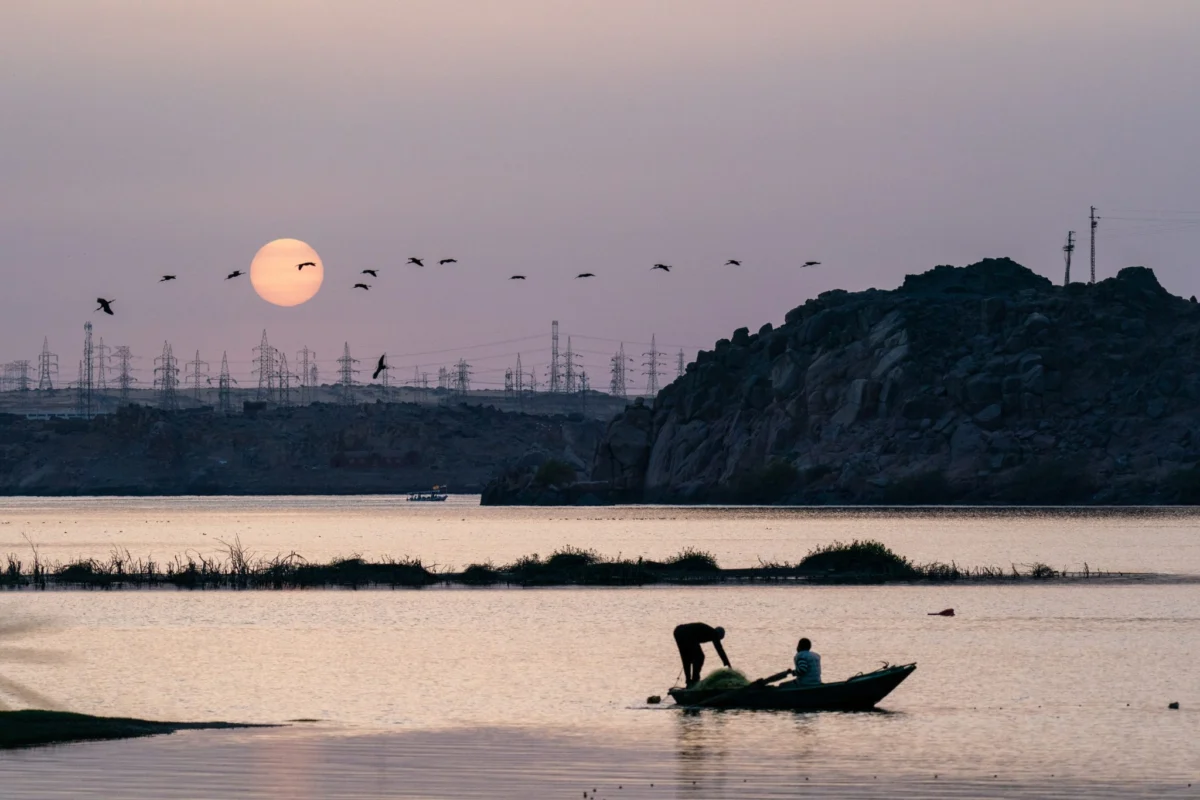
The precipitous decline of migratory bird populations worldwide represents more than just the tragic loss of natural wonders; it serves as a stark and undeniable warning sign for the overall health of our planet. These remarkable travelers, navigating vast distances across continents, are vital barometers of environmental change, their diminishing numbers reflecting widespread degradation of interconnected natural systems. Addressing their plight necessitates an unprecedented scale of global conservation action, fostering collaboration that transcends national borders and offers a powerful mechanism for uniting nations and organizations in the shared battle against nature loss and climate change.
The Alarming Decline: A Global Health Warning
For millennia, the cyclical journeys of migratory birds have been a cornerstone of global biodiversity, their annual passages marking the rhythm of seasons and sustaining ecosystems across the globe. From the smallest warblers to the largest raptors, these species undertake epic voyages, often covering thousands of miles between their breeding and non-breeding grounds. However, this ancient phenomenon is under severe threat. Scientific studies and reports from leading conservation bodies paint a grim picture: a significant and accelerating decline in migratory bird populations.
A landmark 2019 study published in Science revealed that North America alone has lost nearly 3 billion birds since 1970, a staggering 29% reduction in overall bird abundance. While this figure encompasses both migratory and resident species, migratory birds, particularly grassland and shorebird species, have experienced some of the most dramatic losses. Globally, the State of the World’s Birds reports consistently highlight similar trends across various flyways, attributing these declines to a multitude of anthropogenic pressures.
The primary drivers of this crisis are multifaceted and interconnected. Habitat loss and degradation stand paramount, fueled by agricultural intensification, urbanization, deforestation, and wetland destruction. As human populations expand and land use changes, critical breeding grounds, stopover sites, and wintering areas are vanishing or becoming unsuitable. Climate change exacerbates these challenges, altering migration patterns, shifting food availability, and intensifying extreme weather events that migratory birds are ill-equipped to handle. Other significant threats include illegal hunting and poaching along migration routes, collisions with infrastructure such as wind turbines and power lines, and poisoning from pesticides and lead ammunition. The cumulative impact of these pressures creates a gauntlet of survival challenges that many species simply cannot overcome.
Interconnected Pathways: The Crucial Role of Flyways

The concept of "flyways" is central to understanding migratory bird conservation. These are the vast, traditional routes that migratory birds follow between their breeding and non-breeding areas, often spanning multiple countries, regions, and even hemispheres. There are nine major global flyways, including the African-Eurasian, the Americas, and the East Asian-Australasian, each representing an intricate network of interdependent ecosystems. The health of a migratory bird population depends on the integrity of every link in this chain – from pristine Arctic breeding grounds to vital refueling stopovers in temperate zones, and ultimately to tropical wintering havens.
Protecting these flyways requires a holistic and coordinated approach, acknowledging that conservation actions in one country directly impact bird populations thousands of miles away. A single Egyptian Vulture, for example, might breed in Southern Europe, pass through the Middle East, and winter in sub-Saharan Africa. Its survival depends on safe passage and suitable habitats across at least three continents. This inherent interconnectedness transforms migratory bird conservation into a powerful mechanism for international diplomacy and collaboration, compelling nations to work together on a scale rarely seen in other environmental efforts. It highlights the undeniable truth that environmental challenges do not respect political boundaries, making global collaboration not just beneficial, but absolutely essential.
Conservation in Action: Safeguarding Endangered Species
Conservation organizations worldwide are actively engaged in ambitious programs to safeguard migratory birds, often focusing on critical flyways and particularly vulnerable species. These efforts typically involve a combination of habitat protection, threat reduction, and international policy advocacy.
One such critically endangered species is the Spoon-billed Sandpiper. Breeding in the remote Arctic tundras of Russia, this diminutive shorebird undertakes an epic journey along the East Asian-Australasian Flyway, making crucial stopovers in the Yellow Sea region before reaching its wintering grounds in Southeast Asia. Its critically endangered status is largely due to the rapid destruction of intertidal mudflats in the Yellow Sea, vital refueling sites, coupled with unsustainable hunting pressures. Conservation programs focus on protecting these remaining tidal flat habitats, working with local communities to reduce hunting, and establishing coordinated international action plans across its entire migratory range. This includes advocacy for stronger environmental protections in key stopover countries like China and South Korea, and support for community-led conservation initiatives in wintering areas such as Myanmar and Bangladesh.
The Egyptian Vulture, listed as Endangered, represents a similar challenge across the African-Eurasian Flyway. These majestic raptors breed across southern Europe, North Africa, and Asia, undertaking arduous migrations to sub-Saharan Africa. Their decline is primarily driven by poisoning (both accidental and intentional, often linked to livestock protection or illegal hunting), electrocution from power lines, and habitat loss. Conservation efforts, often under the umbrella of broader Flyways Programmes, involve developing anti-poisoning initiatives, retrofitting dangerous power infrastructure, establishing safe feeding stations, and working with local communities to promote coexistence and responsible land management. The "Life for Vultures" projects, for instance, coordinate efforts across the Balkans to secure safe flyways for these iconic birds.
Meanwhile, in the Americas Flyway, the Bobolink, classified as Near Threatened, faces severe pressures. This vibrant songbird breeds in the grasslands of North America, migrating thousands of miles to southern South America for the non-breeding season. Agricultural intensification, particularly the early and frequent mowing of hayfields which destroy nests and fledglings, along with the widespread conversion of native grasslands to monoculture crops, are the primary drivers of its decline. Conservation strategies involve working with farmers to implement bird-friendly mowing practices, promoting sustainable land management, and identifying and protecting key grassland habitats across its vast migratory route. This includes supporting initiatives that incentivize farmers to delay haying until after the breeding season and restore native prairie habitats.

These examples underscore the complexity and the global nature of migratory bird conservation. Each species, though distinct in its biology and migratory path, highlights the universal need for coordinated, cross-border strategies.
A Unified Front: International Treaties and Collaborative Frameworks
The recognition of migratory birds as a shared global heritage has led to the establishment of several crucial international agreements and frameworks. The Convention on Migratory Species (CMS), also known as the Bonn Convention, is a United Nations environmental treaty that provides a global platform for the conservation and sustainable use of migratory animals and their habitats. Under CMS, various specific agreements, such as the Agreement on the Conservation of African-Eurasian Migratory Waterbirds (AEWA), have been developed to address the unique needs of particular groups of species and their flyways.
These treaties facilitate multilateral cooperation, encourage scientific research, promote habitat protection, and coordinate enforcement efforts against illegal activities. They compel signatory nations to adopt national legislation and implement conservation measures that align with international best practices. Beyond formal treaties, numerous non-governmental organizations, academic institutions, and local communities form a vast network of collaborators, sharing knowledge, resources, and personnel to execute on-the-ground conservation projects. Experts from leading conservation organizations consistently emphasize that without such a unified, multi-stakeholder approach, the battle to save migratory birds, and by extension, our planet’s health, would be unwinnable. A spokesperson for a prominent global bird conservation alliance recently stated, "The sheer scale of migratory journeys demands a response that mirrors it – a global, coordinated effort that puts aside national differences for the common good of our shared natural heritage."
The Wider Ripple Effect: Ecological, Economic, and Climate Implications
The decline of migratory birds carries profound implications that extend far beyond the intrinsic value of the species themselves. Ecologically, these birds play critical roles in ecosystem function. They act as natural pest controllers, consuming vast quantities of insects that could otherwise damage agricultural crops. They are vital pollinators, transferring pollen as they forage, and essential seed dispersers, helping to regenerate forests and maintain plant biodiversity across vast landscapes. The loss of these ecological services can lead to cascading effects, disrupting food webs, increasing pest outbreaks, and hindering ecosystem resilience.
Economically, migratory birds contribute significantly to eco-tourism, particularly birdwatching, which generates billions of dollars annually and supports countless livelihoods in rural communities worldwide. Their disappearance would decimate this industry, impacting local economies reliant on nature-based tourism.

Furthermore, migratory bird conservation is inextricably linked to the broader challenges of climate change. Healthy ecosystems, often critical habitats for migratory birds (such as wetlands, forests, and coastal areas), are also vital for climate change mitigation and adaptation. Wetlands, for instance, are significant carbon sinks and natural buffers against extreme weather events. Protecting and restoring these habitats not only provides safe havens for birds but also enhances carbon sequestration, improves water quality, and builds resilience against climate impacts. Investing in flyway conservation, therefore, is an investment in nature-based solutions to climate change, offering a dual benefit for biodiversity and planetary stability. The fate of migratory birds serves as a powerful reminder that our own future is intrinsically tied to the health of the natural world.
A Call for Urgent Support: Powering Global Conservation
The intricate web of life that migratory birds represent, and the global challenges their decline highlights, demand immediate and sustained action. These ultimate travelers are at risk, and their incredible journeys, spanning continents and generations, depend on the collective commitment of humanity. While the scale of the challenge is immense, it is not insurmountable. We can meet this challenge by empowering conservation action on a global scale, supporting the dedicated efforts of scientists, conservationists, and local communities who work tirelessly to protect these species and their habitats.
Every donation made towards these efforts fuels critical work, from on-the-ground habitat restoration and anti-poaching initiatives to international policy advocacy and community engagement programs. At this crucial juncture, there is an extraordinary opportunity to amplify this impact: a generous supporter has pledged to double every donation made right now, up to $20,000. This matched giving opportunity means that every contribution will go twice as far, providing a much-needed lifeline to migratory birds around the world. Your support can directly power the Flyways Programme and other vital conservation initiatives, ensuring that resources are deployed where the need is greatest, whether it’s safeguarding the Spoon-billed Sandpiper’s mudflats, securing safe passage for the Egyptian Vulture, or restoring grasslands for the Bobolink.
Beyond financial contributions, staying informed and engaged is vital. Signing up to receive the latest bird conservation news offers regular updates on projects, scientific breakthroughs, and other ways to get involved, including future fundraising initiatives. The commitment to protecting personal information and privacy is paramount, with clear policies available for review. By uniting across borders, supporting strategic conservation efforts, and recognizing the profound message migratory birds convey about our planet’s health, we can ensure that these magnificent creatures continue their epic journeys for generations to come, symbolizing not just nature’s resilience, but humanity’s capacity for collective action and hope.
