
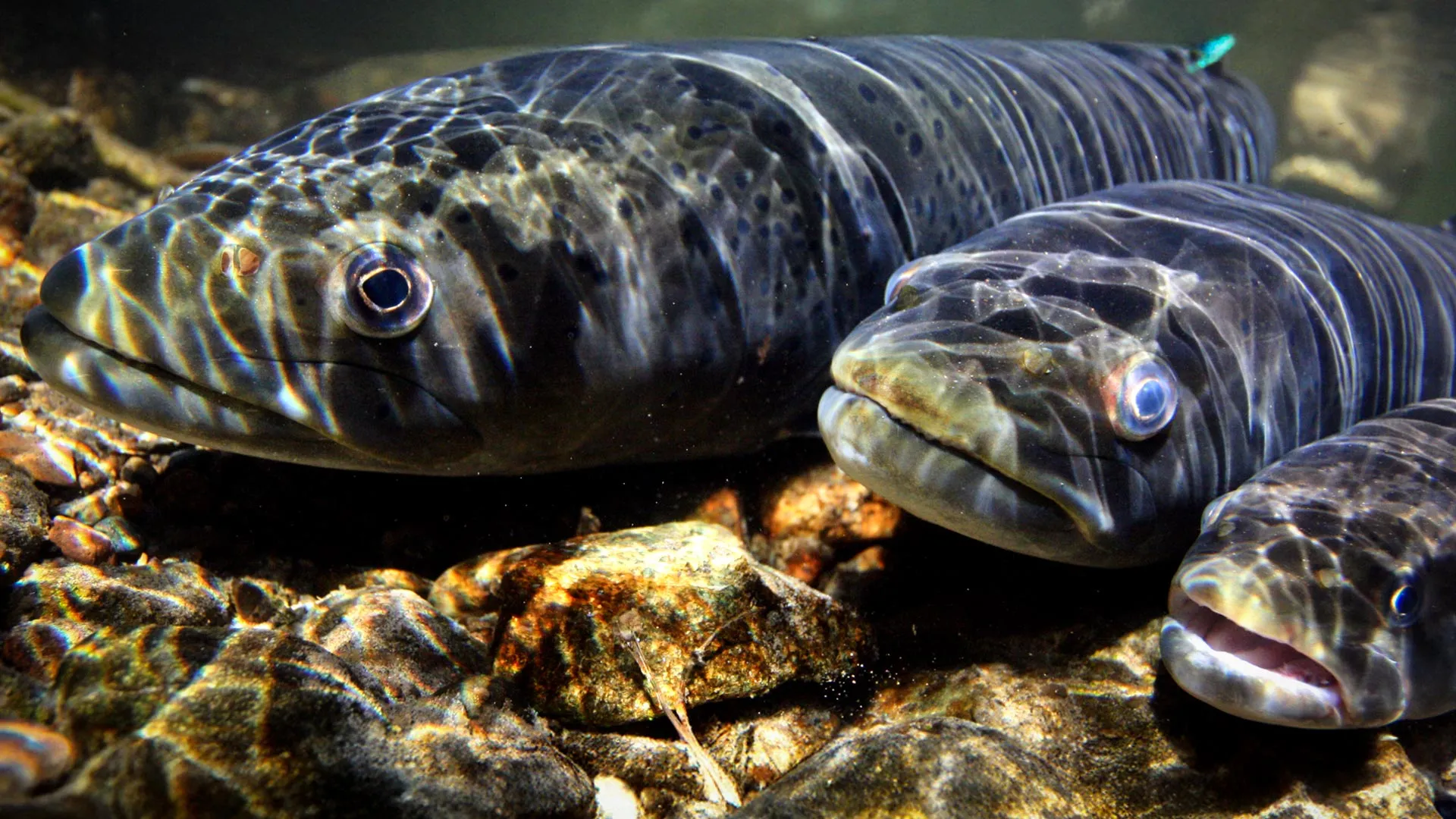
A landmark report from the Convention on the Conservation of Migratory Species of Wild Animals (CMS), a United Nations environmental treaty, has issued a stark warning: many of Earth’s most vital and often unseen animal migrations, those occurring beneath the surface of rivers, are rapidly collapsing. Released at the CMS 15th Meeting of the Conference of the Parties (COP15) in Brazil, the "Global Assessment of Migratory Freshwater Fishes" identifies migratory freshwater fish as among the planet’s most imperiled species, underscoring a critical, yet largely overlooked, biodiversity crisis.
The Silent Collapse: A Hidden Biodiversity Emergency
The assessment reveals a grim picture: migratory freshwater fish populations have plummeted by an estimated 81% worldwide since 1970. This staggering decline far outpaces losses observed in terrestrial or marine ecosystems, yet it has received comparatively little global attention. These fish, crucial for maintaining the ecological integrity of river systems, supporting vast inland fisheries, and providing sustenance and livelihoods for hundreds of millions of people globally, are disappearing at an alarming rate. Nearly all—a shocking 97%—of the 58 migratory fish species currently listed under CMS (encompassing both freshwater and saltwater species) are now classified as threatened with extinction.
Dr. Zeb Hogan, lead author of the report, emphasized the magnitude of the problem: "Many of the world’s great wildlife migrations take place underwater. This assessment shows that migratory freshwater fish are in serious trouble, and that protecting them will require countries to work together to keep rivers connected, productive, and full of life." His words underscore the profound disconnect between the ecological importance of these migrations and the lack of awareness and concerted action to protect them.
Key Drivers of Decline: A Multifaceted Threat
The precipitous decline of migratory freshwater fish is attributed to a confluence of human-induced pressures, highlighting the pervasive impact of development and resource exploitation on delicate riverine ecosystems. The report pinpoints several primary drivers:
- Dam Construction and Habitat Fragmentation: Dams are arguably the single greatest threat. They act as impenetrable barriers, severing the long, uninterrupted river pathways that these fish depend on to reach spawning grounds, feeding areas, and floodplain nurseries. The construction of thousands of dams worldwide, often without adequate fish passages, has fragmented once-continuous river systems into isolated segments, effectively trapping populations and preventing crucial life-cycle movements. This physical barrier also alters natural water flows, temperature regimes, and sediment transport, further degrading habitats.
- Pollution: Rivers worldwide are increasingly burdened by pollution from agricultural runoff (pesticides, fertilizers), industrial discharges (heavy metals, chemicals), and untreated municipal wastewater. These pollutants directly poison fish, reduce oxygen levels, destroy spawning habitats, and disrupt the food web, making rivers uninhabitable for sensitive migratory species.
- Overfishing: Driven by growing human populations and increasing demand for protein, many inland fisheries operate unsustainably. Improved fishing technologies, coupled with a lack of effective management and enforcement, lead to the extraction of fish at rates that exceed their reproductive capacity, depleting stocks faster than they can recover. This is particularly devastating for long-lived, slow-reproducing migratory species.
- Climate-Related Ecosystem Changes: Climate change exacerbates existing threats. Altered precipitation patterns lead to more extreme floods and droughts, impacting water availability and habitat suitability. Rising water temperatures can disrupt spawning cues, reduce oxygen levels, and alter the distribution of prey species, forcing fish to migrate earlier, later, or to entirely new areas, often with unforeseen consequences.
These threats often interact synergistically, amplifying their combined destructive power on fish populations and the broader aquatic environment.
The Global Scope: Priority River Systems and Species at Risk
Based on extensive global datasets and IUCN Red List assessments of nearly 15,000 freshwater fish species, the CMS report provides the most comprehensive overview to date of this conservation challenge. It identifies an alarming 325 migratory freshwater fish species as candidates for urgent international conservation efforts, beyond the 24 already listed under CMS Appendices.
The Convention on Migratory Species (CMS) serves as a unique intergovernmental treaty, operating under the aegis of the United Nations Environment Programme (UNEP), dedicated to the conservation of migratory species and their habitats worldwide. Its Appendices categorize species requiring different levels of protection: Appendix I lists species threatened with extinction, mandating strict protection, while Appendix II includes species that have an unfavorable conservation status and would significantly benefit from international cooperation. The fact that 325 additional species are deemed worthy of such international attention underscores the pervasive nature of this crisis across shared river systems.
Key river systems identified as global priorities for intervention include South America’s iconic Amazon and La Plata-Paraná basins, Europe’s historically vital Danube, Asia’s biodiversity-rich Mekong, Africa’s legendary Nile, and the Indian sub-continent’s life-giving Ganges-Brahmaputra. These river systems, often crossing multiple national borders, represent the last major strongholds for many migratory fish species, but are simultaneously under immense pressure from development.
A Call for Urgent Action: Policy Recommendations and International Cooperation
The report is not merely an assessment of decline; it also outlines practical, immediate steps that governments and international bodies can take to reverse these trends. The core principle articulated is that rivers must be managed as connected systems, rather than fragmented national waterways, reflecting the transboundary nature of fish migrations. Key recommendations include:
- Transboundary River Basin Management: Implementing integrated management plans that consider the entire river basin, fostering cooperation between upstream and downstream nations.
- Dam Removal and Fish Passages: Prioritizing the removal of obsolete dams and ensuring that new or existing dams incorporate effective fish passages (e.g., fish ladders, lifts) that allow safe passage for diverse species.
- Pollution Control and Water Quality Improvement: Strengthening regulations, investing in wastewater treatment infrastructure, and promoting sustainable agricultural practices to reduce pollutant loads in rivers.
- Sustainable Fisheries Management: Implementing scientifically sound quotas, seasonal closures, gear restrictions, and establishing protected areas to allow fish stocks to recover.
- Habitat Restoration: Rehabilitating degraded river habitats, including floodplains, riparian zones, and spawning grounds, to enhance ecosystem health and resilience.
- Climate Change Adaptation: Developing strategies to help fish populations adapt to changing climate conditions, such as identifying and protecting climate refugia.
- Increased Monitoring and Research: Enhancing efforts to monitor fish populations and conduct research to better understand migration patterns and ecological needs.
Michele Thieme, Vice President and Deputy Lead of Freshwater at World Wildlife Fund-US, echoed this sentiment: "Rivers don’t recognize borders – and neither do the fish that depend on them. The crisis unfolding beneath our waterways is far more severe than most people realize, and we are running out of time. Rivers need to be managed as connected systems, with coordination across borders, and investments in basin-wide solutions now before these migrations are lost forever."
Spotlight on the Amazon: A Critical Battleground
As the host of COP15, Brazil has taken a leading role in proposing conservation measures, particularly focusing on South America’s largest river systems: the Amazon and La Plata-Paraná. The Amazon Basin, a global biodiversity hotspot, remains one of the last major strongholds for migratory freshwater fish. However, escalating development pressures, including planned hydropower projects, mining, and deforestation, are rapidly jeopardizing this status.
A detailed case study released alongside the global assessment highlights 20 migratory fish species in the Amazon that meet the criteria for potential CMS Appendix II listing. These long-distance migratory species are not just ecologically significant; they form the backbone of regional fisheries, constituting approximately 93% of total landings and supporting an industry valued at an estimated US$436 million annually. The economic and cultural dependence of local communities on these fish is immense, making their decline a socio-economic disaster in the making.
Among these remarkable species is the dorado (gilded) catfish (Brachyplatystoma rousseauxii), a bottom-dwelling giant with metallic gold/silver coloring, capable of reaching lengths of up to 2 meters (6.5 feet). This species undertakes the longest known freshwater migration of any fish, completing an astonishing 11,000-kilometer journey from the Andean headwaters to coastal nursery areas in the Amazon estuary and back over its life cycle. The survival of such extraordinary species hinges on the uninterrupted connectivity of the entire basin.
To bolster conservation efforts, Brazil, in collaboration with other regional nations, is proposing a Multi-species Action Plan for Amazonian Migratory Catfish (2026-2036). This plan signifies a collaborative commitment to managing these shared resources sustainably. Brazil has also put forward a proposal to add the spotted sorubim catfish (Pseudoplatystoma corruscans) to CMS Appendix II. This initiative underscores the urgent need for coordinated action in the La Plata Basin, where these fish face severe threats from dams, altered water flows, and intense fishing pressure.
These Brazilian-led initiatives represent some of the most ambitious international efforts to protect migratory freshwater fish to date. They powerfully reinforce the central principle of CMS: that effective conservation solutions must encompass the full geographic range of migratory species and are inherently dependent on robust cooperation between countries.
Broader Implications: Ecosystem Health, Food Security, and Livelihoods
The collapse of migratory freshwater fish populations extends far beyond the loss of individual species. It signals a profound disruption to the health and functioning of entire river ecosystems. These fish play critical roles as predators, prey, and nutrient transporters, influencing food webs and the overall biodiversity of freshwater environments. Their migrations, for instance, are vital for dispersing seeds and nutrients across vast riverine landscapes.
The socio-economic implications are equally dire. For hundreds of millions of people, particularly in developing nations, inland fisheries are a primary source of protein and income. The decline of these fisheries threatens food security, exacerbates poverty, and undermines traditional cultural practices tied to river systems. Indigenous communities, often the first to feel the impact of environmental degradation, are disproportionately affected by the loss of these vital resources.
Amy Fraenkel, CMS Executive Secretary, encapsulated the urgency: "This new assessment highlights a major priority for the conservation of migratory species and their habitats, that has not had adequate focus to date. By aligning science, policy and international cooperation, governments can safeguard the world’s remaining great freshwater fish migrations and the communities and ecosystems that depend on them."
The findings of the "Global Assessment of Migratory Freshwater Fishes" serve as a critical wake-up call. They emphasize that protecting these hundreds of migratory freshwater fish species requires a paradigm shift in how humanity perceives and manages its rivers. It necessitates a transition from treating rivers as segmented national resources to recognizing them as interconnected, vital arteries of the planet, demanding holistic, transboundary stewardship. The fate of these silent migrants, and by extension, the health of our planet’s freshwater systems, hangs in the balance, awaiting decisive global action.
