
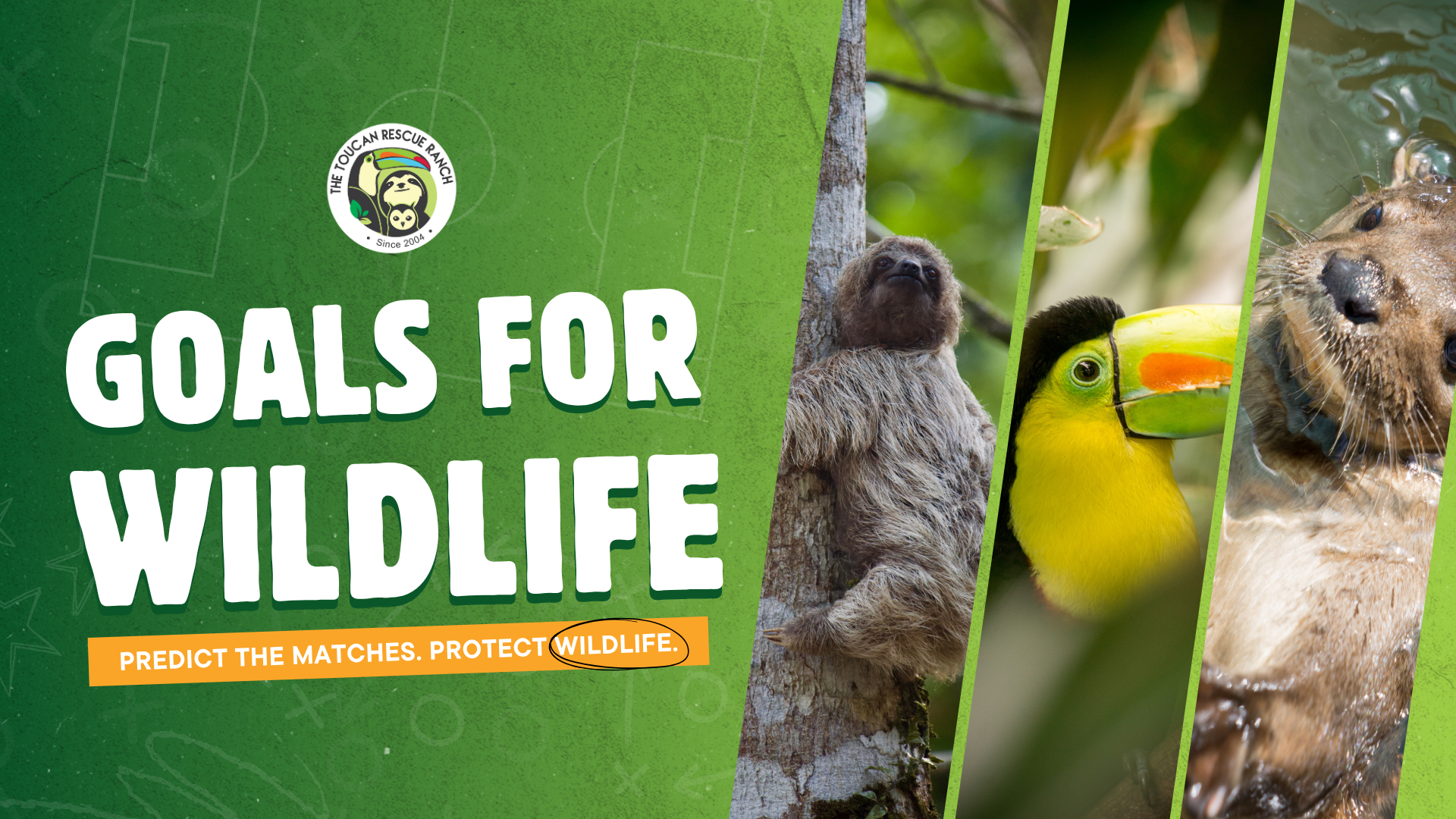
As the global sporting community turns its collective attention toward the quadrennial spectacle of the World Cup, football enthusiasts worldwide are preparing for weeks of strategic analysis, late-night broadcasts, and spirited competition. While the national team of Costa Rica may not be directly competing in the fixtures of this year’s tournament, the nation’s rich biodiversity and wildlife conservation sector have found an unexpected champion on the global stage. Toucan Rescue Ranch, a renowned Costa Rican wildlife sanctuary, has officially launched its innovative fundraising and engagement initiative, "Goals for Wildlife." This creative campaign bridges the gap between international sports entertainment and critical environmental philanthropy, inviting football fans to leverage their predictive acumen to secure the future of injured, orphaned, and displaced native animals.
The intersection of sports entertainment and charitable giving has grown increasingly sophisticated in recent years, moving beyond traditional corporate sponsorships into interactive, community-driven experiences. "Goals for Wildlife" capitalizes on the massive, global viewership of football tournaments by gamifying philanthropy. Rather than relying solely on passive donations, the campaign transforms every match prediction into a tangible act of conservation support. By engaging participants in a friendly, structured competition, Toucan Rescue Ranch has created a sustainable model that converts excitement on the pitch into life-saving veterinary care, specialized nutrition, and habitat rehabilitation in Central America.
The Mechanism of Engagement: How the Challenge Operates
To participate in this unique conservation effort, supporters must navigate a clearly defined, three-step process designed to ensure both competitive integrity and direct financial support for the sanctuary. The operational framework is structured to keep participants engaged throughout the entirety of the tournament while maintaining absolute transparency regarding fund allocation.
The journey begins with the official entry phase. Participants initiate their involvement by visiting the designated campaign page hosted on Mightycause, where a qualifying donation serves as their entry fee into the tournament prediction challenge. This initial financial contribution immediately flows into the operational reserves of Toucan Rescue Ranch, directly underwriting the high costs associated with wildlife rehabilitation.
Following successful registration, participants enter the second phase: team assignment. Rather than choosing their own allegiances, participants are randomly assigned to one of six distinct wildlife teams. Each team represents a vital species under the care of the sanctuary, ranging from iconic avian species such as toucans and macaws to elusive mammals like sloths, anteaters, and wild cats. This randomized assignment fosters a sense of collective identity and shared purpose, as participants quickly rally behind their designated animal ambassadors.
The third and final operational phase involves active tournament participation. Throughout the duration of the World Cup, participants are required to complete structured match prediction forms. These submissions test their football knowledge, forecasting group-stage outcomes, knockout fixtures, and eventual tournament milestones. Every accurate prediction accumulates points, directly influencing the standings on the live tournament leaderboard.
Dual-Pillar Scoring System: Balancing Sports Expertise with Philanthropy
A distinctive feature of the "Goals for Wildlife" initiative is its dual-pillar scoring matrix. In traditional sports forecasting pools, victors are determined exclusively by the accuracy of their match predictions. However, this conservation-focused challenge recognizes that the ultimate goal of the exercise is the protection of biodiversity. Consequently, teams accrue points through two distinct, equally vital mechanisms: match predictions and supplementary donations.
The first scoring vector evaluates the predictive accuracy of the participant. Correctly guessing match outcomes, goal differentials, and tournament progressions yields standard competitive points, rewarding those with a deep understanding of international football. This competitive element maintains high engagement levels, encouraging participants to follow tournament developments closely and update their brackets with strategic precision.
The second scoring vector directly correlates financial contributions with leaderboard advancement. As participants or their supporters make additional donations throughout the course of the tournament, these funds are credited to their assigned wildlife team. This innovative integration ensures that generosity acts as a force multiplier on the leaderboard. A team lagging behind in match predictions can dramatically alter its competitive standing through dedicated fundraising efforts, perfectly mirroring how teamwork, resilience, and collective strategy can overcome athletic deficits on the football pitch.
Direct Conservation Impact: Where the Funds Go
While the competitive leaderboard and tournament prizes provide an engaging backdrop, the core mission of "Goals for Wildlife" remains firmly rooted in animal welfare and environmental conservation. Toucan Rescue Ranch operates on the front lines of Costa Rican biodiversity protection, admitting hundreds of distressed animals annually due to habitat fragmentation, illegal wildlife trafficking, electrocution from power lines, and vehicular collisions.
The financial resources generated through the campaign are allocated directly across several critical operational departments within the sanctuary:
-
Emergency Veterinary Intervention: Newly admitted animals frequently present with severe trauma, requiring immediate stabilization, diagnostic imaging, surgical intervention, and intensive pharmaceutical management. Campaign funds ensure that veterinary teams have uninterrupted access to essential medical supplies and advanced diagnostic equipment.
-
Specialized Nutritional Support: Orphaned neonates and recovering adults require highly specific, species-appropriate diets that mimic their natural foraging patterns. From specialized milk formulas for infant sloths to imported fresh produce for toucans, dietary expenditures represent a substantial portion of the sanctuary’s daily operational budget.
-
Behavioral Rehabilitation and Enclosure Maintenance: Preparing a rescued animal for successful reintegration into the wild requires expansive, naturalistic enclosure environments that encourage natural foraging, climbing, and social behaviors while minimizing human habituation. Donations help maintain and expand these critical pre-release enclosures.
-
Release and Post-Release Monitoring: The ultimate objective of Toucan Rescue Ranch is the successful repatriation of rehabilitated wildlife into protected natural habitats. Funding supports the logistical complexities of transportation, environmental assessments, and, where feasible, radio-telemetry monitoring to evaluate post-release survival rates.
The Broader Ecosystem: Contextualizing Wildlife Pressures in Central America
Costa Rica is globally celebrated for its progressive environmental policies, extensive national park systems, and commitment to ecotourism. The nation protects approximately one-quarter of its land territory within national parks and reserves, serving as a biological corridor connecting North and South America. This rich ecological matrix harbors an estimated five percent of the world’s total biodiversity, including hundreds of species of birds, mammals, reptiles, and amphibians.
Despite these legislative protections, Costa Rican wildlife faces mounting anthropogenic pressures. Rapid urbanization, agricultural expansion, infrastructure development, and the illegal pet trade continually infringe upon natural habitats. Wildlife rescue centers play an indispensable role in mitigating these impacts, functioning essentially as emergency trauma centers for an ecosystem under siege.
Initiatives like "Goals for Wildlife" address a fundamental challenge faced by conservation organizations worldwide: sustainable funding. While governmental bodies establish legal frameworks for environmental protection, day-to-day rescue, rehabilitation, and release operations are predominantly funded through private donations, philanthropic grants, and public engagement campaigns. By tapping into the cultural phenomenon of international football, Toucan Rescue Ranch diversifies its revenue streams, engaging a global audience that might not otherwise participate in traditional environmental fundraising.
Prizes and Recognition: Rewarding the Champions of Conservation
To maintain competitive enthusiasm throughout the tournament, organizers have established a comprehensive prize structure for the top-performing teams and predictors. While the primary incentive remains the profound satisfaction of supporting wildlife rehabilitation, the recognition adds a layer of excitement to the proceedings.
The reward tiers are structured to honor overall achievement across the dual-pillar scoring system:
-
First Place (Wildlife Champion): Awarded to the individual participant and corresponding wildlife team that accumulate the highest combined score through predictive accuracy and fundraising impact. The designation honors both sports insight and exceptional philanthropic dedication.
-
Second Place: Acknowledges the runner-up participant and team, recognizing sustained engagement and competitive excellence throughout the tournament lifecycle.
-
Third Place: Celebrates the bronze-tier finisher, ensuring broad recognition across the podium positions.
Organizers emphasize that while the competitive accolades add a festive atmosphere to the campaign, every participant acts as an essential pillar of support for vulnerable wildlife. The underlying philosophy of the initiative is rooted in collaboration—drawing a direct parallel between the coordinated efforts of a winning football squad and the multidisciplinary teamwork required to rehabilitate an injured animal.
Conclusion: A Unified Victory for Sports and Nature
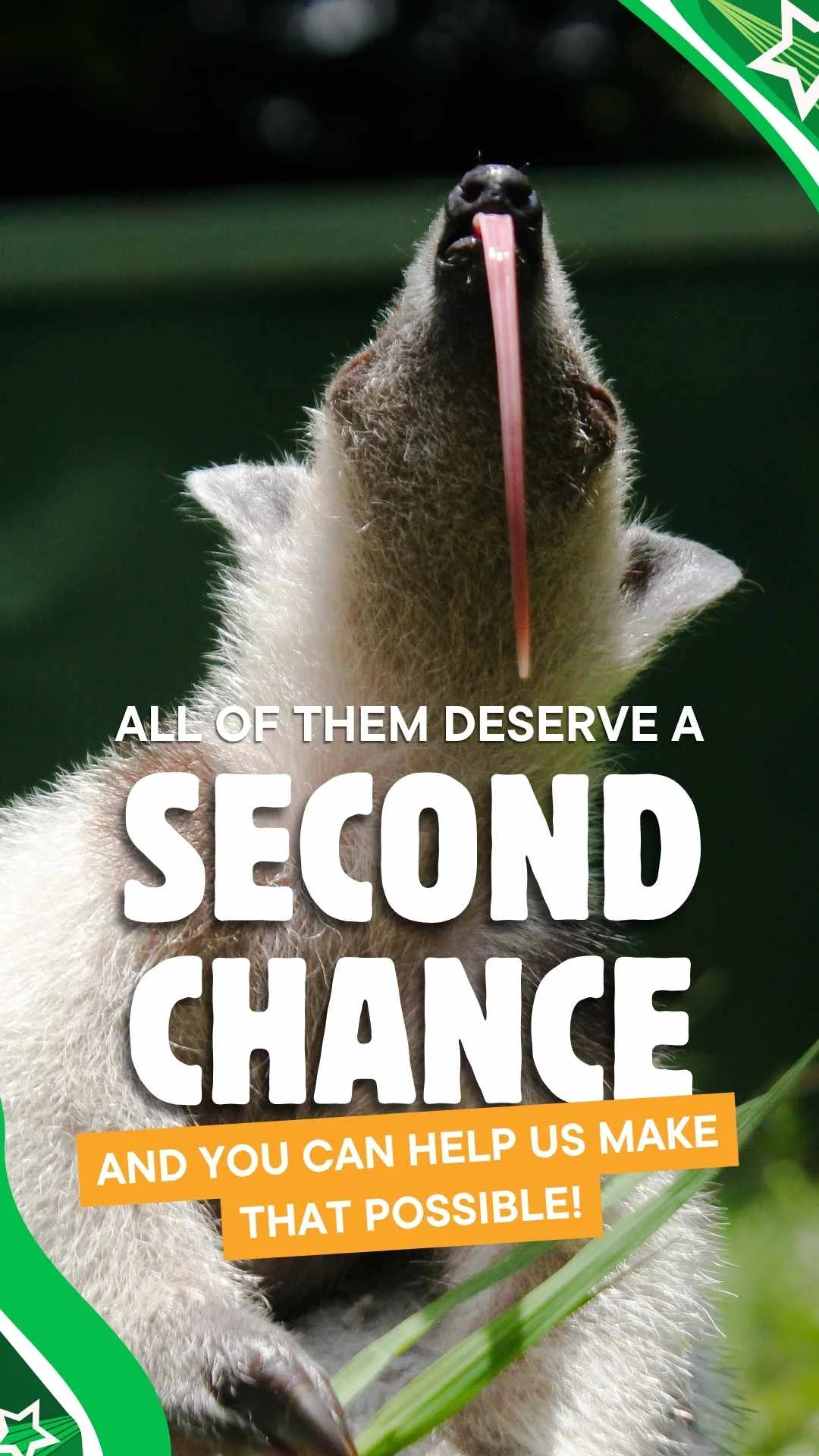
As the World Cup unfolds on television screens across the globe, the "Goals for Wildlife" initiative offers fans an opportunity to channel their sporting passion into enduring environmental stewardship. By transforming match predictions into vital financial lifelines for Toucan Rescue Ranch, participants become active agents of conservation, ensuring that rescued sloths, toucans, and anteaters receive the second chance at life they deserve.
The campaign demonstrates that environmental advocacy does not need to exist in a vacuum; it can integrate seamlessly into popular culture, international events, and community-driven entertainment. Through strategic foresight, collective teamwork, and unwavering dedication, participants in the challenge ensure that win or lose on the football pitch, Costa Rica’s precious wildlife emerges victorious.
