
Wildlife conservation and rehabilitation represent critical pillars in the preservation of global biodiversity, particularly within ecologically rich regions like Central America. Costa Rica, renowned for hosting approximately five percent of the world’s biodiversity despite covering a minute fraction of the planet’s landmass, serves as a focal point for environmental stewardship. Amidst this backdrop of intensive ecological management operates the Toucan Rescue Ranch (TRR), a prominent wildlife rescue and rehabilitation center dedicated to providing a second chance to Costa America’s displaced, injured, and orphaned fauna. Founded as a sanctuary for toucans, the organization has expanded significantly over the years to encompass a wide array of avian, mammalian, and reptilian species, relying heavily on an international network of volunteers and interns to sustain its daily operations.
For Kim Schafroth, a communications student from Switzerland, the decision to spend two months embedded within the daily operations of the Toucan Rescue Ranch offered a transformative intersection of practical fieldwork and academic application. Spanning both the Animal Care Team and the Marketing Team, Schafroth’s tenure provides a detailed window into the rigorous, highly structured environment required to maintain a major wildlife sanctuary. Through a combination of early morning husbandry routines, nutritional preparation, animal enrichment initiatives, and public communications outreach, the volunteer program at TRR functions not only as a vital labor resource for the ranch but also as an immersive educational platform for global conservationists.
A Rigorous Daily Routine: From Kitchen Prep to Sanctuary Maintenance
Life at the Toucan Rescue Ranch begins well before the tropical sun reaches its peak. Each day commences precisely at 7:00 a.m. with an operational briefing involving staff, interns, and volunteers. This morning assembly serves to review any anomalous medical developments, behavioral shifts, or overnight occurrences regarding the resident and rehabilitating animals, while simultaneously delegating the extensive workload required for the day.
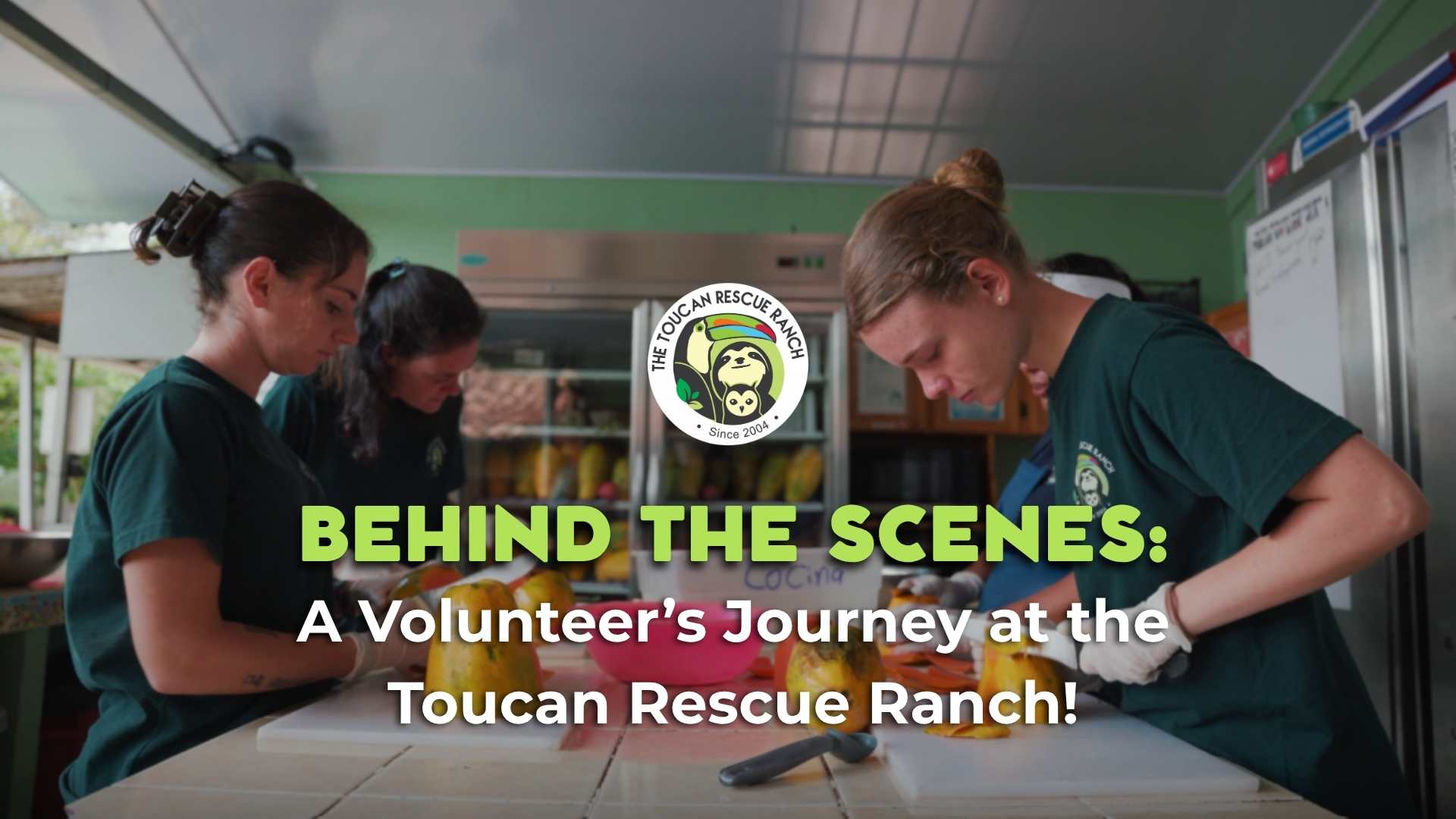
Following the briefing, the workforce divides to tackle immediate nutritional and facility maintenance demands. One contingent remains stationed in the specialized dietary kitchen, tasked with the meticulous preparation of meals tailored to the exacting dietary requirements of diverse avian species. Simultaneously, the second group deploys directly into the sanctuary grounds to perform routine maintenance, which includes thoroughly cleaning and refilling the water trays of permanent resident birds.
Dietary preparation at TRR is far from a simplistic feeding process; it is a science grounded in nutritional zoology. The preparation of meals for resident monkeys and grisons, for instance, requires the creation of vibrant, diverse plates composed of precisely portioned fruits and vegetables designed to supply macro- and micronutrients essential for each species. Once the rations are finalized and distributed across the enclosures—often accompanied by the resonant, vocal chorus of parakeets and toucans welcoming their morning seeds and papaya—the team pauses briefly to partake in a traditional Costa Rican breakfast at the on-site volunteer residence.
Afternoon Husbandry, Enrichment, and Mammal Care
Re-energized following the morning meal, volunteers return to the sanctuary grounds to oversee the specialized care of resident mammals. Among the notable animal residents is Emma, a resident otter, whose structured feeding schedule includes receiving fresh trout. Demonstrating innate behaviors, Emma consistently retrieves her meals from her serving tray, purposefully dunking the fish into her dedicated pool to consume it within the refreshing water.
Beyond standard feeding and cleaning protocols, the afternoon shift heavily emphasizes behavioral enrichment—a critical component of captive wildlife management designed to stimulate cognitive function, reduce stress, and encourage natural foraging behaviors. Volunteers construct intricate enrichment devices, ranging from simulated fruit trees for avian species to woven banana-leaf packages—resembling traditional Costa Rican tamales—stuffed with treats for select mammals. On particularly warm afternoons, staff and volunteers manufacture frozen fruit juice treats akin to popsicles, providing crucial physiological relief and sensory stimulation for the animals.
As the afternoon progresses toward lunchtime, the tempo of the ranch reflects the communal warmth characteristic of Costa Rican culture. Volunteers gather for a traditional casado, the quintessential midday meal consisting of rice, beans, a protein source, fresh salad, and fried plantains. This shared mealtime fosters an inclusive environment, allowing international participants to decompress, exchange cultural perspectives, and build lasting camaraderie.
The latter portion of the workday transitions into evening routines, beginning with Emma’s final feeding of the day. Subsequently, attention shifts to the ranch’s crepuscular and nocturnal residents, including kinkajous, porcupines, and pacas. Although these species naturally operate under the cover of darkness, they rouse for late-afternoon feedings, offering volunteers a rare window to observe their behavioral dynamics before they return to rest. The final hours of the workday require splitting the labor force once more: a specialized crew feeds the resident raptors while remaining volunteers execute a comprehensive sanitization of bird enclosures and wash feeding trays in the central kitchen, concluding the active shift.
The Volunteer Infrastructure and Community Integration
The operational success of the Toucan Rescue Ranch is underpinned by a robust administrative and residential infrastructure designed to accommodate its transient international workforce. Situated merely a two-minute walk from the primary administrative headquarters sits the dedicated volunteer and intern residence, a structured multi-level facility serving as the communal hub for participants.
The architectural layout of the volunteer house fosters both collaboration and personal reflection. The ground floor features a spacious dormitory equipped with three bunk beds, complemented by a private single room, two shared bathrooms, an inviting communal living room, and a fully equipped kitchen where residents frequently gather to prepare meals and socialize. The upper level provides dedicated quarters for long-term interns, housing rooms with capacities for six and three individuals respectively, each complete with private sanitary facilities.
Integration into this community is swift, facilitated by veteran staff and returning interns who orient newcomers to safety protocols, ranch geography, and daily expectations. The duality of the living arrangement—balancing lively communal dining and evening conversations with quiet corners designated for reading or journaling—ensures that participants from diverse global backgrounds can maintain psychological well-being throughout intensive volunteer commitments. During off-hours, volunteers frequently utilize local transportation networks to explore the greater San José area, visiting urban restaurants, strolling through historical districts like Chinatown, or partaking in local cultural excursions.
Academic Integration and Communications Outreach
For Schafroth, whose academic background lies in communications, the two-month tenure at the Toucan Rescue Ranch culminated in a strategic transition from direct animal husbandry to institutional storytelling. Recognizing the openness and adaptability of the ranch’s leadership structure, Schafroth spent the final month of the program embedded within the organization’s Marketing Team.
This transition highlights a vital secondary function of modern wildlife rehabilitation centers: public education and advocacy. While physical rescue, medical stabilization, and eventual rewilding remain the primary directives of organizations like TRR, long-term conservation viability depends heavily on public awareness and digital outreach. By translating field experiences, animal rehabilitation milestones, and conservation science into accessible digital media content, communications volunteers bridge the gap between sanctuary operations and the global public.
Working within the marketing department allowed Schafroth to synthesize hands-on zoological observations with formal academic training, producing content that drives awareness for Costa Rican biodiversity conservation. This multidisciplinary exposure underscores the value of structured volunteer programs that accommodate diverse professional trajectories, proving that safeguarding wildlife requires administrative, communicative, and educational expertise alongside direct veterinary and husbandry labor.
Broader Implications for Wildlife Rescue and International Volunteerism
The operational model demonstrated at the Toucan Rescue Ranch reflects a growing global reliance on citizen science and international volunteerism within the conservation sector. As anthropogenic pressures—including deforestation, illegal wildlife trafficking, and urban encroachment—continue to displace indigenous fauna across Central America, facilities like TRR shoulder an escalating rehabilitative burden.
Data from conservation organizations indicate that sanctuaries providing hands-on immersion programs not only alleviate the severe labor and financial constraints typical of non-profit wildlife facilities, but also cultivate a global cohort of informed environmental advocates. Volunteers who participate in rigorous, ethical rehabilitation programs return to their home countries equipped with firsthand knowledge of ecological degradation, ethical boundaries regarding wildlife interaction, and the systemic challenges of conservation biology.
Furthermore, the emphasis placed on maintaining strict professional boundaries—such as recognizing that resident animals, despite habituation or permanent residency, remain wild creatures—addresses a critical educational imperative. Ethical wildlife sanctuaries continually combat the global commodification of exotic pets and inappropriate human-animal interactions; by educating volunteers on behavioral observation and stress reduction, facilities ensure that international participants become ambassadors for ethical wildlife treatment upon returning to their societies.
Ultimately, Schafroth’s experience encapsulates the multifaceted impact of structured wildlife volunteering. Transitioning from a novice handling dietary preparations for exotic birds to a communications strategist articulating the nuances of species rehabilitation, the Swiss student’s journey mirrors the overarching mission of the Toucan Rescue Ranch: fostering a profound, actionable respect for the natural world through education, direct care, and international collaboration.
