
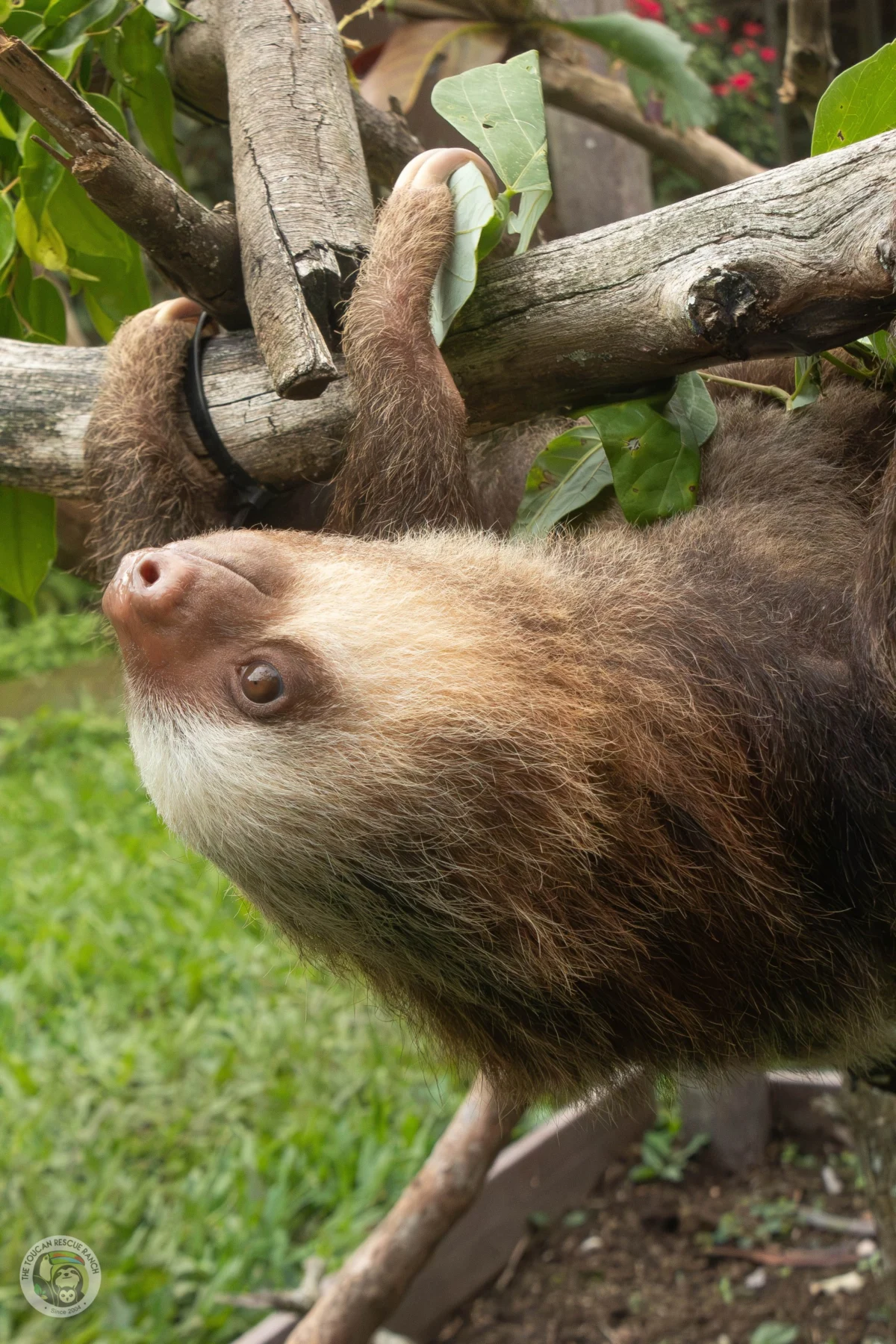
The Toucan Rescue Ranch has officially commenced the 11th Annual Sloth Ironman Games, an imaginative yet critically important fundraising and awareness event designed to support the rehabilitation of sloths in Central America. This year’s competition features four dedicated animal athletes—fondly dubbed "slothletes"—named Nube, Lodi, Mónica, and Francisco. While the event maintains a lighthearted, Olympic-style competitive format complete with leaderboards and specialized challenges, its underlying mission addresses a serious logistical and financial necessity: securing funding for specialized daily nutritional care for recovering sloths.
The annual games have evolved over more than a decade into a significant digital and community-driven fundraiser. By blending playful athletic framing with conservation education, the Toucan Rescue Ranch aims to draw global attention to the fragile state of arboreal wildlife and the extensive resources required to transition injured, orphaned, or displaced sloths from intensive medical care back to independent survival in the wild.
Background Context of the Sloth Ironman Games
The Toucan Rescue Ranch, situated in Costa Rica, has long operated as a premier wildlife rescue and rehabilitation center. Sloths frequently arrive at the facility suffering from the impacts of habitat fragmentation, electrocution from power lines, domestic dog attacks, and illegal wildlife trafficking. Recovering from these severe traumas requires intensive veterinary intervention, behavioral rehabilitation, and, crucially, specialized dietary management.
To bridge the funding gap required for continuous rehabilitation, the rescue facility established the Sloth Ironman Games eleven years ago. The event utilizes digital media platforms, primarily YouTube, to broadcast simulated or lightly structured athletic challenges highlighting the natural behaviors of sloths. Although sloths are renowned for their slow and deliberate movements, the competition humorously reframes these physiological traits into athletic disciplines, engaging an international audience of animal enthusiasts, donors, and conservationists. Over the past decade, the initiative has grown from a modest local awareness campaign into a globally recognized virtual sporting event that mobilizes thousands of animal welfare supporters annually.
Timeline and Structure of the 2026 Competition
The 11th Annual Sloth Ironman Games follow a structured format designed to maintain viewer engagement throughout the tournament’s duration. The competition schedule is deployed in distinct phases:
- Opening Debut and Roster Announcement: The event officially opens with the introduction of the official slothletes—Nube, Lodi, Mónica, and Francisco. Each animal brings a unique background story of rescue and rehabilitation to the competition.
- The Challenge Phase: Throughout the tournament, the slothletes participate in a series of enrichment-based challenges broadcast via a dedicated YouTube playlist. These activities are designed by animal care specialists to encourage natural foraging, climbing, and sensory behaviors essential for rehabilitation.
- Scoring and Leaderboard Updates: Unlike traditional athletics decided by speed or strength, the Sloth Ironman Games incorporate community participation into the scoring matrix. Supporters actively vote for their favorite slothletes by making financial contributions, where every single dollar donated equates to one leaderboard vote.
- Culmination and Impact Assessment: The games conclude with the crowning of the winning slothlete, followed by a transparent accounting of the nutritional days unlocked through the collective fundraising effort.
Financial Objectives and the Role of Matching Grants
At the core of the 2026 campaign is a quantifiable objective tied directly to animal husbandry costs. Facility administrators calculate that providing a specialized, nutrient-dense diet for a single sloth costs approximately $55 per day. This diet typically includes a precise mix of fresh native leaves, specialized browsing vegetation, and nutritional supplements formulated to replicate the complex nutritional profile found in a wild canopy habitat.
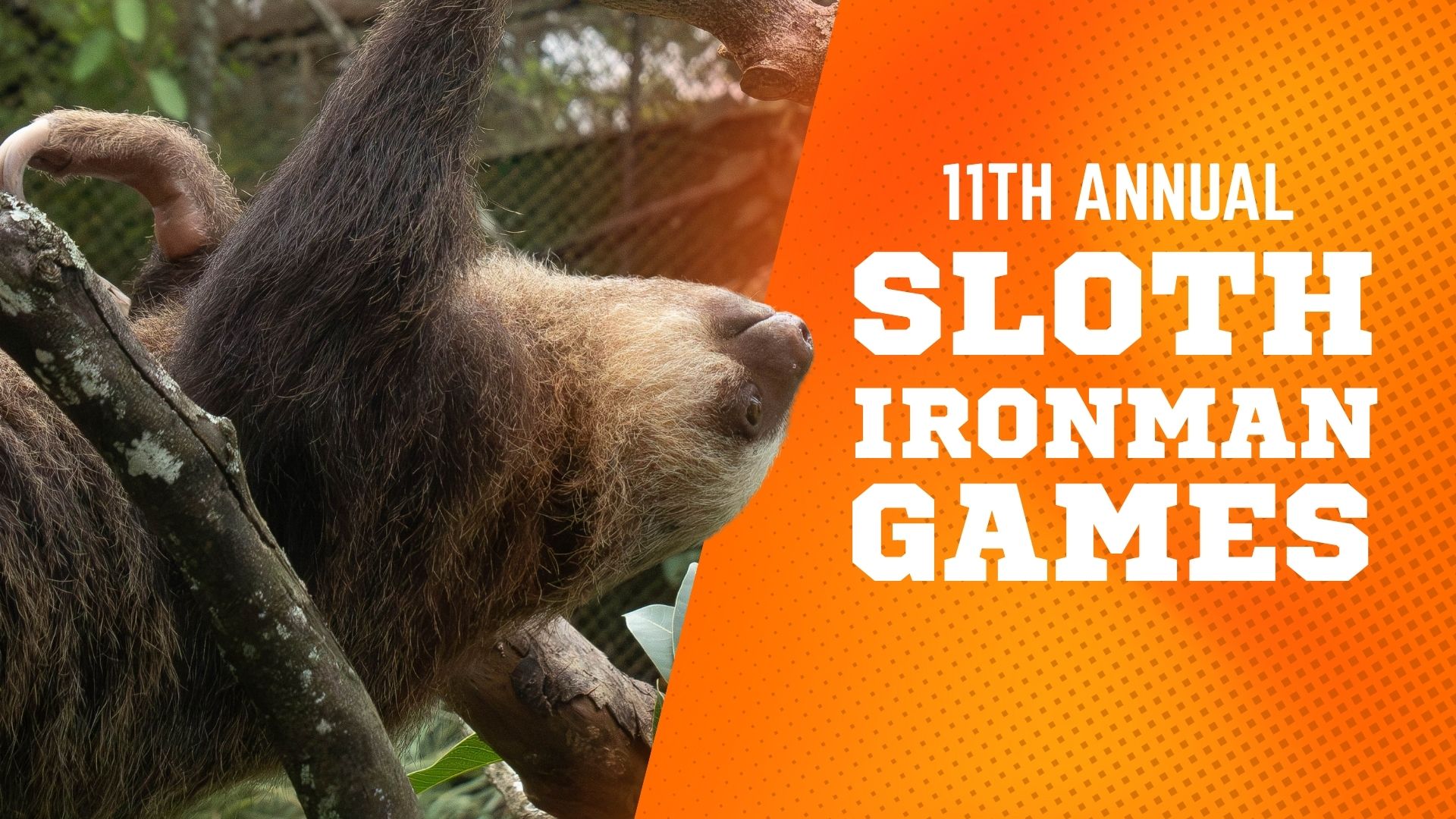
To amplify the impact of public donations, the campaign has secured a substantial $25,000 matching grant courtesy of the Annenberg Foundation and Explore.org. Under the terms of this philanthropic partnership, eligible donations are matched dollar-for-dollar, effectively doubling the purchasing power of every contribution. For instance, a $10 donation translates into a $20 investment in sloth conservation.
If the community successfully meets the $25,000 threshold in eligible donations, the combined financial impact will unlock up to $50,000 in total support. Organization analysts estimate that this total sum will secure approximately 909 days of specialized diets for the sloths currently undergoing rehabilitation at the facility.
Statements and Perspectives from Conservation Leadership
While specific direct quotes from facility directors fluctuate with daily event updates, the administrative and veterinary teams at Toucan Rescue Ranch consistently emphasize the vital connection between captive nutrition and successful wildlife reintroduction. According to wildlife nutritionists and veterinary staff involved in the sanctuary’s daily operations, malnutrition remains one of the most significant hurdles during the early stages of sloth rehabilitation.
Sloths possess highly specialized, slow-acting digestive systems dependent on specific microbial cultures in their multi-chambered stomachs. Disruptions in diet can lead to fatal gastrointestinal complications. Therefore, securing a steady, high-quality supply of specialized foliage is not merely a matter of maintenance, but a fundamental medical prerequisite for successful reintroduction. By gamifying this aspect of animal husbandry, the organization provides the public with a transparent, tangible metric—turning abstract donation figures into concrete days of medical and nutritional care.
Broader Impact and Implications for Wildlife Conservation
The 11th Annual Sloth Ironman Games illustrate a modern shift in how wildlife rescue organizations engage global audiences. By leveraging digital platforms and interactive fundraising mechanisms, institutions like the Toucan Rescue Ranch can transcend geographical boundaries, transforming passive online observers into active stakeholders in wildlife conservation.
Furthermore, events of this scale draw necessary attention to the broader environmental pressures facing Costa Rican wildlife. Deforestation, agricultural expansion, and urban encroachment continue to force sloths into dangerous contact with human infrastructure. Initiatives that highlight individual animals—such as Nube, Lodi, Mónica, and Francisco—humanize the broader ecological crisis, making complex environmental issues accessible and actionable for the general public.
In addition to direct financial contributions through the voting and matching grant mechanisms, the organization has expanded its outreach by introducing official event merchandise. This supplementary initiative allows supporters to display solidarity with their preferred slothletes while generating auxiliary revenue streams dedicated entirely to facility operations, veterinary medicine, and habitat preservation projects.
As the competition progresses on digital channels, the success of the 11th Annual Sloth Ironman Games will ultimately be measured not only by the leaderboard standings of its four furry competitors, but by the tangible security it provides for the region’s vulnerable wildlife population through sustained nutritional support.
