
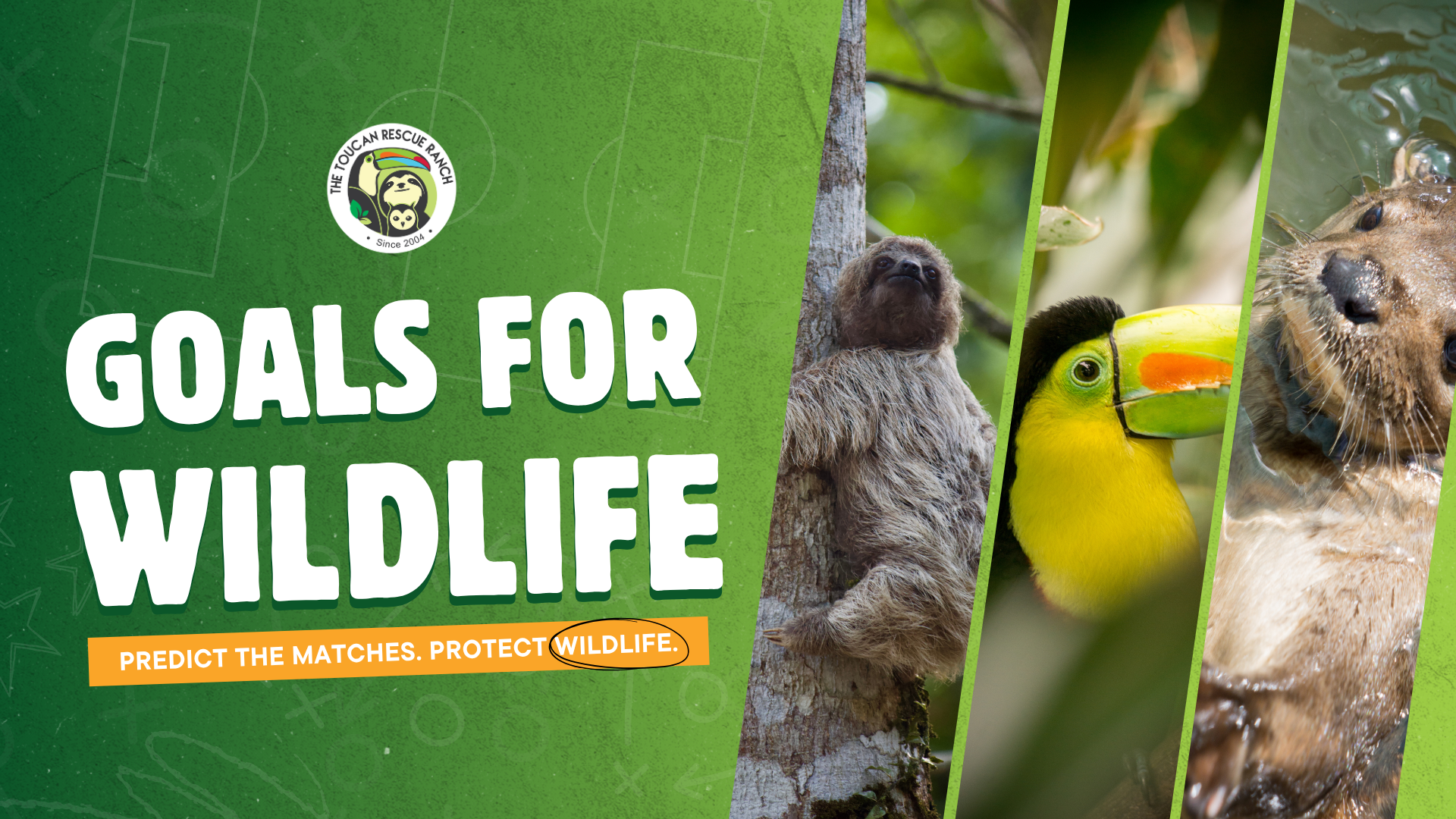
The intersection of global sports enthusiasm and environmental stewardship has found a new home in Costa Rica through the launch of Goals for Wildlife, a pioneering initiative by the Toucan Rescue Ranch (TRR). As football fans across the globe prepare for the upcoming tournament cycle, this campaign offers a unique opportunity to channel the competitive spirit of the World Cup into tangible conservation results. Despite the absence of Costa Rica’s national team from this year’s specific World Cup roster, the nation’s renowned biodiversity remains a focal point for international attention. The program is designed to transform the excitement of match predictions into a lifeline for injured and orphaned wildlife, ensuring that even if the country is not on the pitch, its most vulnerable inhabitants remain in the game.
The Toucan Rescue Ranch, a leader in wildlife rehabilitation based in San Isidro, Costa Rica, has structured the campaign to mirror the strategic nature of professional football. By gamifying the donation process, the organization aims to broaden its support base beyond traditional conservationists, engaging sports fans in a high-stakes environment where the ultimate winners are the animals receiving specialized care. The initiative underscores a critical reality in modern conservation: the rehabilitation of complex species requires a collective, team-based effort involving veterinarians, field biologists, volunteers, and a global network of donors.
The Mechanics of the Goals for Wildlife Campaign
The Goals for Wildlife initiative operates on a multi-tiered engagement model that combines financial contributions with interactive participation. The process is streamlined into three primary steps designed to maximize user engagement throughout the duration of the football tournament.
First, participants must enter the challenge by making a donation via the official campaign page hosted on MightyCause. This entry fee serves as the foundational support for TRR’s medical and operational expenses. Once the donation is processed, the participant is officially drafted into the competition.
The second phase involves the random assignment of participants to one of six specific wildlife teams. These teams represent the core species groups currently under the care of the Toucan Rescue Ranch. While the specific species vary depending on the current intake at the facility, they typically include iconic Costa Rican fauna such as sloths, toucans, owls, and other raptors. This team-based structure fosters a sense of camaraderie and "fandom" for specific animals, paralleling the loyalty fans feel for their national football squads.
The final phase is the predictive element. Throughout the tournament, participants are invited to submit prediction forms for upcoming matches. The accuracy of these predictions translates into points for their assigned wildlife team. This creates a dual-stream scoring system where both the generosity of donors and their knowledge of the "beautiful game" contribute to their team’s standing on the leaderboard.
A Data-Driven Approach to Wildlife Rehabilitation
The funds raised through Goals for Wildlife are allocated to several critical areas of operation within the Toucan Rescue Ranch. To understand the impact of these contributions, it is necessary to examine the costs and logistics associated with high-level wildlife care in a biodiversity hotspot like Costa Rica.
According to internal data from TRR, the cost of rehabilitating a single injured animal can range from several hundred to several thousand dollars, depending on the severity of the trauma. Common injuries include electrocutions from uninsulated power lines, dog attacks, and collisions with vehicles. The campaign focuses on four primary pillars of care:
- Emergency Veterinary Treatment: Many animals arrive in critical condition requiring immediate surgery, diagnostic imaging (such as X-rays and ultrasounds), and intensive care. TRR maintains a specialized clinic on-site, but the costs of medical supplies and specialized equipment are a constant financial burden.
- Specialized Nutrition: Wildlife rehabilitation is not a one-size-fits-all process. A baby sloth requires a vastly different diet than a recovering toucan or an orphaned owl. The procurement of high-quality, species-appropriate food is one of the highest recurring costs for the ranch.
- Habitat Enrichment: For animals to be successfully released, they must maintain their natural instincts. This requires large, complex enclosures that mimic the rainforest environment, providing opportunities for climbing, foraging, and flight.
- Release Preparation: The final stage of rehabilitation—the "soft release"—involves monitoring the animals in a controlled wild setting to ensure they can survive independently. This phase requires significant man-hours and tracking technology.
By linking match goals to these conservation milestones, TRR provides donors with a transparent view of how their "goals" are being met on the ground in Costa Rica.
Chronology of the Campaign and Tournament Alignment
The Goals for Wildlife campaign is meticulously timed to coincide with the progression of the international football calendar. This alignment ensures sustained engagement over several weeks, rather than a single day of giving.
- Pre-Tournament Phase: The registration period opens several weeks before the opening match. During this time, TRR focuses on "recruitment," encouraging early donations to build the initial rosters for the six wildlife teams.
- The Group Stage: As the tournament begins, the first round of prediction forms is distributed. Points are awarded for correct win/loss/draw outcomes. Simultaneously, the leaderboard begins to take shape, reflecting both the initial donations and the first wave of football insights.
- The Knockout Rounds: As the stakes rise on the pitch, they also rise for the wildlife teams. Bonus points are often introduced for predicting specific scores or top scorers, mirroring the intensity of the elimination matches.
- The Final and Awards Ceremony: Following the conclusion of the tournament’s championship match, the final points are tallied. TRR then announces the winning wildlife teams and the individual "Champion Predictors" who will receive prizes.
Official Responses and the Spirit of Teamwork
Representatives from the Toucan Rescue Ranch have emphasized that the campaign’s theme of "teamwork" is not merely a marketing tactic but a reflection of their operational philosophy. In a statement regarding the launch, the organization noted that the rehabilitation of wildlife is an inherently collaborative process. Just as a football team cannot win without a cohesive strategy between the defense, midfield, and strikers, a rescue ranch cannot function without the synergy between medical staff, caretakers, and the public.
"Wildlife rehabilitation is a collective effort," the organization stated. "Every day, our veterinarians, volunteers, and supporters work together to give these animals a second chance. Goals for Wildlife allows us to bring that spirit of collaboration to a global audience, using the universal language of football to advocate for species that cannot speak for themselves."
Conservation analysts suggest that this approach is part of a broader trend in "charity gamification." By providing an interactive and competitive platform, non-profits can combat "donor fatigue" and reach younger demographics who are accustomed to digital engagement and social competition.
Broader Impact and Implications for Conservation
The success of Goals for Wildlife has implications that extend beyond the immediate financial gains for the Toucan Rescue Ranch. It serves as a case study for how environmental organizations can leverage cultural events to maintain relevance in an increasingly crowded media landscape.
Costa Rica, despite its small geographic size, holds nearly 6% of the world’s biodiversity. However, the country faces significant challenges as urban sprawl and infrastructure development continue to encroach on natural habitats. Initiatives like Goals for Wildlife serve an educational purpose, informing the public about the specific threats facing local species while providing a constructive way to mitigate those threats.
Furthermore, the campaign highlights the importance of the "One Health" concept—the idea that the health of humans, animals, and the environment are inextricably linked. By protecting wildlife and ensuring the success of rehabilitation programs, TRR contributes to the overall stability of the ecosystem, which in turn supports Costa Rica’s vital eco-tourism industry and the well-being of its citizens.
As the tournament progresses, the leaderboard for Goals for Wildlife will serve as a testament to the power of community-driven conservation. Whether a participant’s assigned team is Team Sloth or Team Toucan, the collective effort ensures that the true victory is found in the successful return of a rescued animal to the wild. The campaign proves that while the thrill of a last-minute goal is fleeting, the impact of a life saved is enduring.
Prizes and Recognition
To maintain momentum, the campaign offers various incentives for top performers. While the primary reward remains the philanthropic impact, TRR has established three tiers of recognition:
- First Place (Wildlife Champion): Awarded to the team and individual predictors who accumulate the highest combined score from donations and predictions.
- Second Place: Recognition for high-performing participants who demonstrated consistent accuracy and support.
- Third Place: Honorable mentions for those who contributed significantly to the campaign’s reach.
Prizes often include digital certificates, exclusive behind-the-scenes updates on the animals being helped, and merchandise from the TRR shop. These rewards serve to solidify the bond between the donor and the organization, turning a one-time participant into a long-term advocate for Costa Rican wildlife.
In the final analysis, Goals for Wildlife represents a modern evolution of the conservation movement—one that is inclusive, energetic, and deeply rooted in the belief that everyone has a role to play in the protection of the natural world. As the whistle blows for the next match, the team at Toucan Rescue Ranch remains ready to turn every goal into a milestone for wildlife recovery.
