

The spring 2026 expedition across the Kingdom of Morocco, conducted between late April and early May, served as an extensive biological survey of the nation’s diverse ecological corridors. The twelve-day itinerary traced a classic biogeographical arc, beginning in the urban and alpine environments of Marrakesh and the High Atlas, traversing the arid Saharan fringes of the Erg Chebbi dunes, and concluding within the critical coastal wetlands of the Souss-Massa region. This expedition sought to document resident avian specialities, localized breeders, and the unique herpetofauna that define these distinct climatic zones. By focusing on varied habitats—ranging from high-altitude scree slopes to hyper-arid desert hamadas—the research team provided a detailed snapshot of Morocco’s spring biodiversity, which serves as a crucial staging point for migratory species and a stronghold for North African endemics.
Chronology of the Expedition
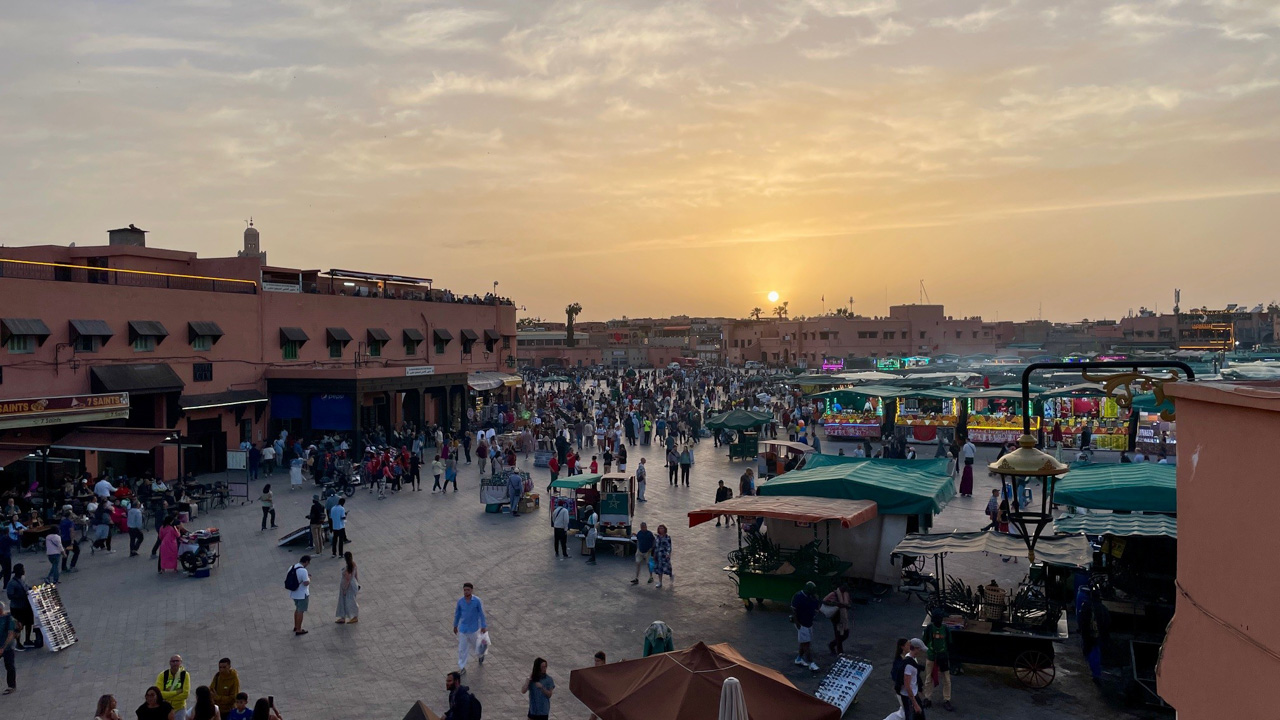
The journey commenced on the first day in Marrakesh, where participants were introduced to the avian urban ecology of the region. Observations in the vicinity of Jemaa el-Fnaa square documented the successful adaptation of species such as the Little Swift, which frequented the city skyline, and the White Stork, a ubiquitous presence in the local landscape. The surrounding hotel grounds provided baseline data on common resident species, including the Common Bulbul and House Bunting.
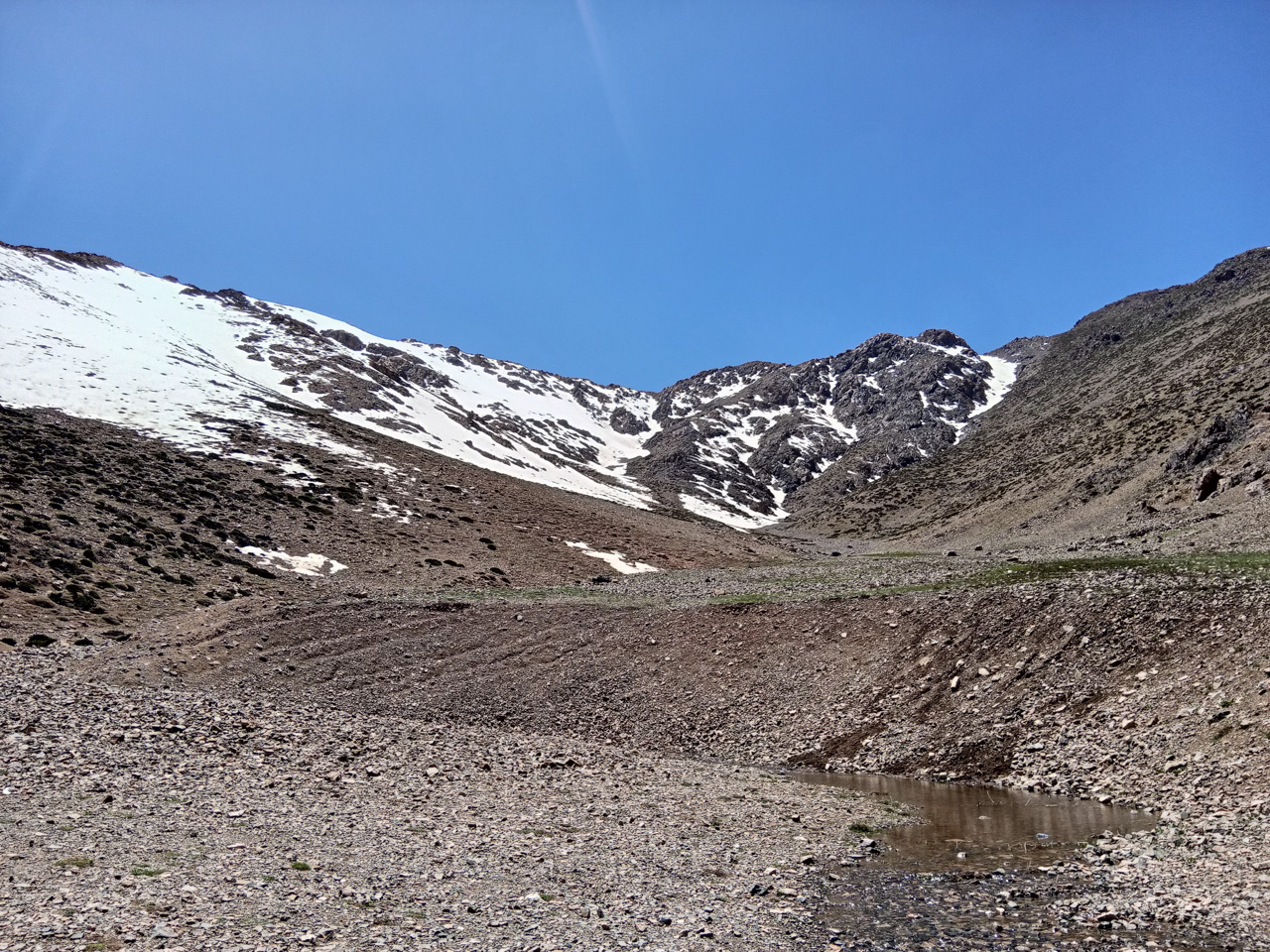
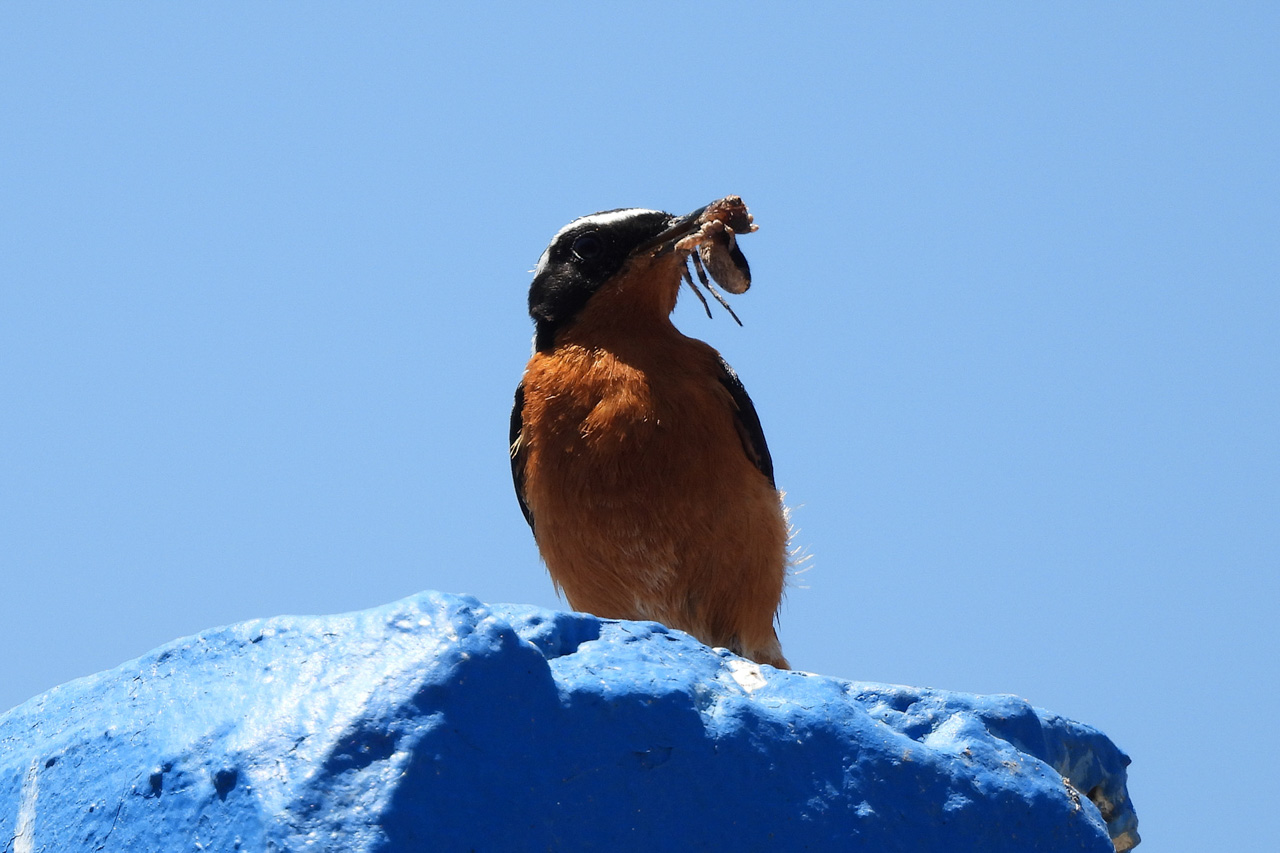
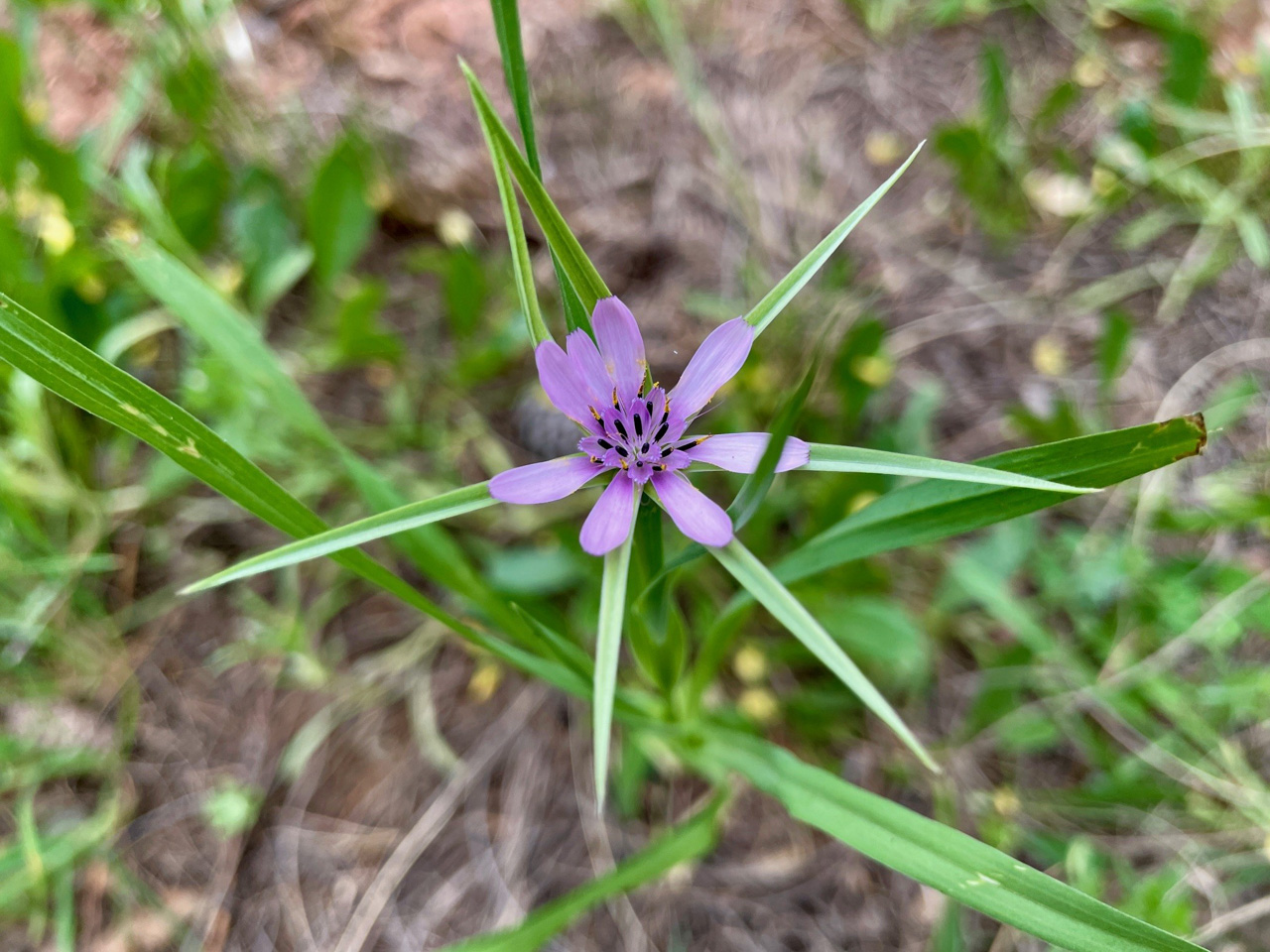
On the second day, the expedition ascended to the Oukaimeden plateau, a high-altitude site in the High Atlas characterized by alpine meadow conditions and lingering snow patches. This environment provided critical data on specialized montane species, most notably the Red-billed and Alpine Choughs, the Horned Lark, and the Atlas Wheatear. The survey also cataloged significant herpetological findings, including the Andalucian Wall Lizard and the Atlas Dwarf Lizard. Afternoon sessions focused on the mid-altitude slopes, where the team successfully located the elusive Tristram’s Warbler and the Moussier’s Redstart, both of which exhibited nesting behaviors, signaling a robust breeding season.
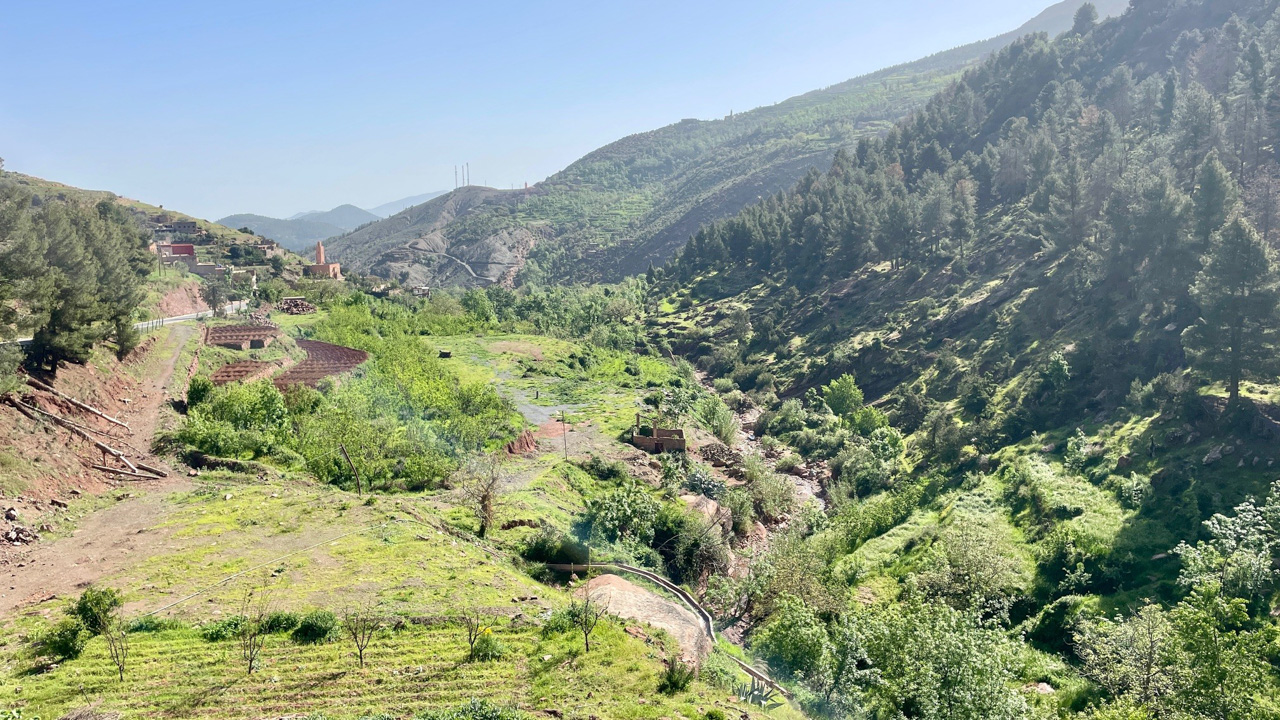
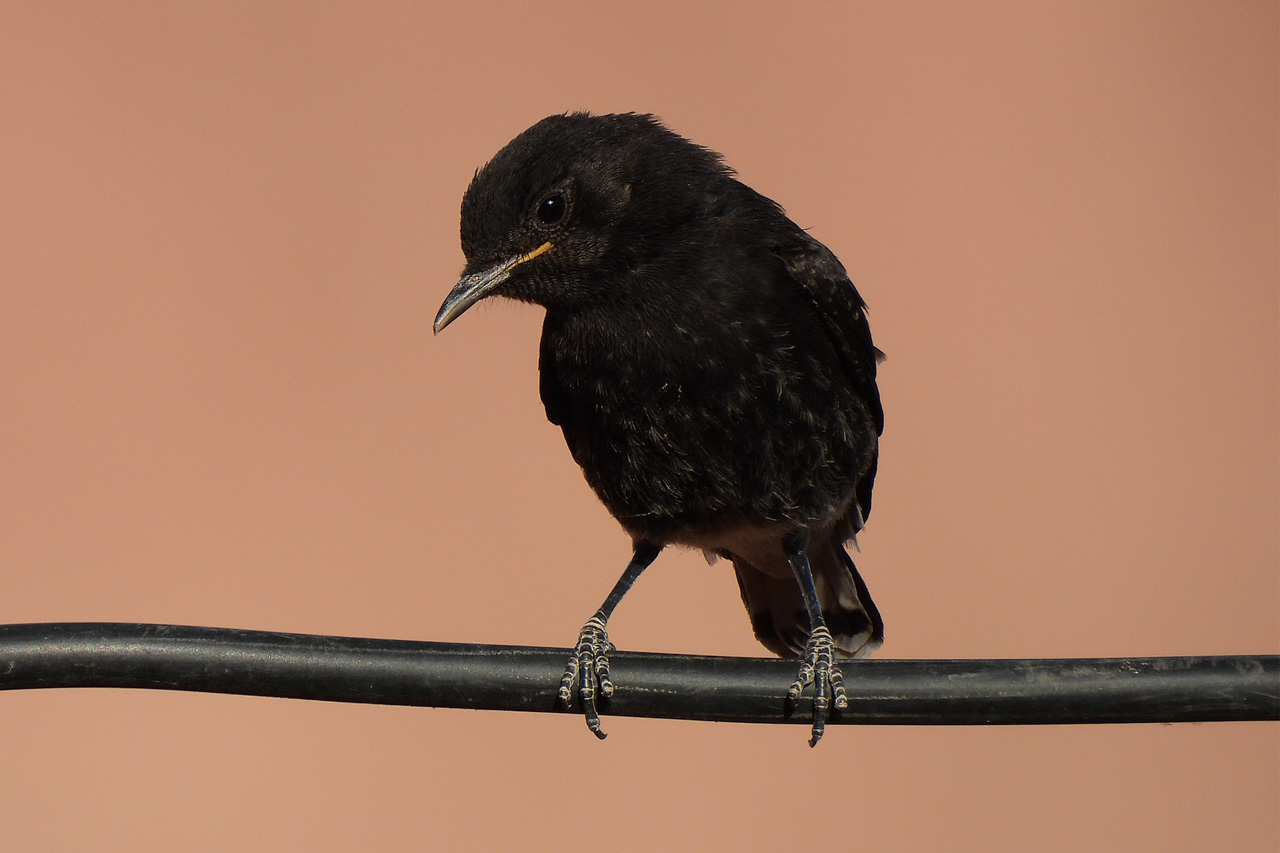
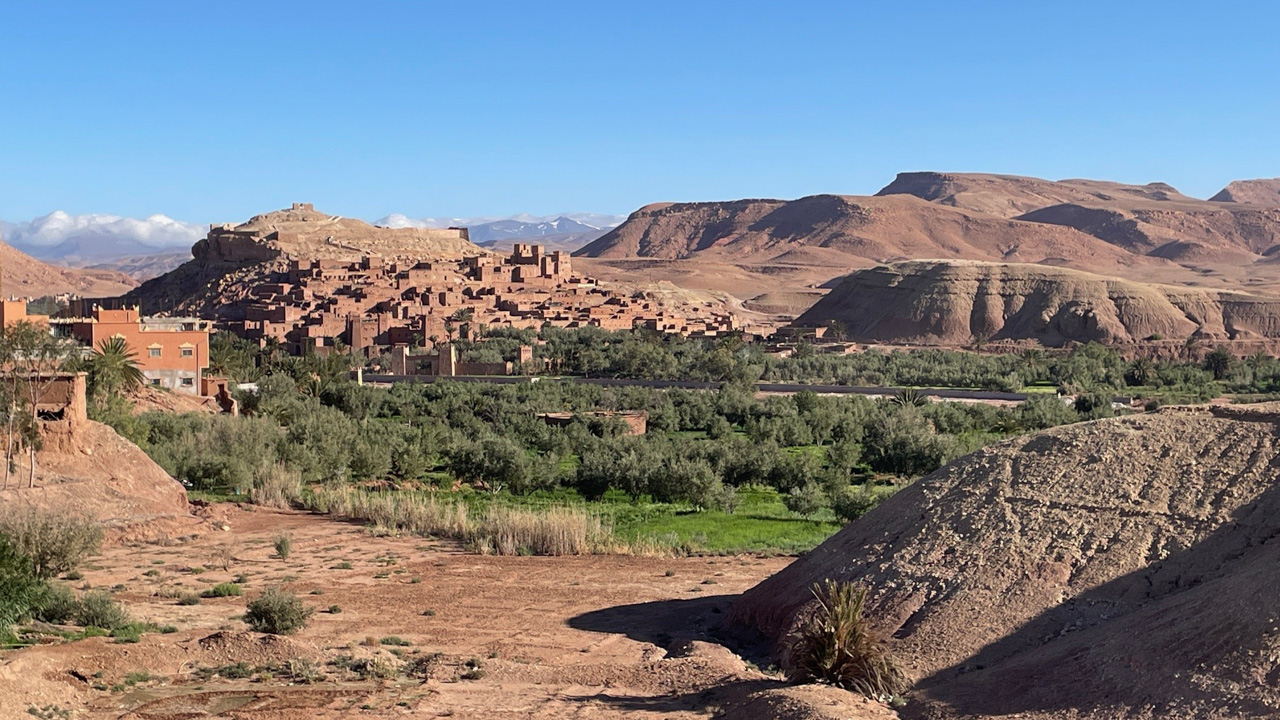
The third and fourth days focused on the transitional zones of the Escale Forest and the Tagdilt Track. The Escale Forest survey emphasized the botanical diversity of the region, documenting specimens of Barbary Thuja, Dwarf Palm, and Moroccan Lavender, which provide the structural habitat for species like the African Chaffinch and Coal Tit. As the team reached the Tizi n’Tichka Pass and the historic kasbah of Ait Ben Haddou, the focus shifted to arid-adapted species, specifically the White-crowned Wheatear and the Thekla Lark. The Tagdilt Track, a well-known site for desert ornithology, allowed for the observation of Desert and Red-rumped Wheatears, as well as the Moroccan Spiny-tailed Lizard, which serves as an indicator species for the health of the stony hamada ecosystem.
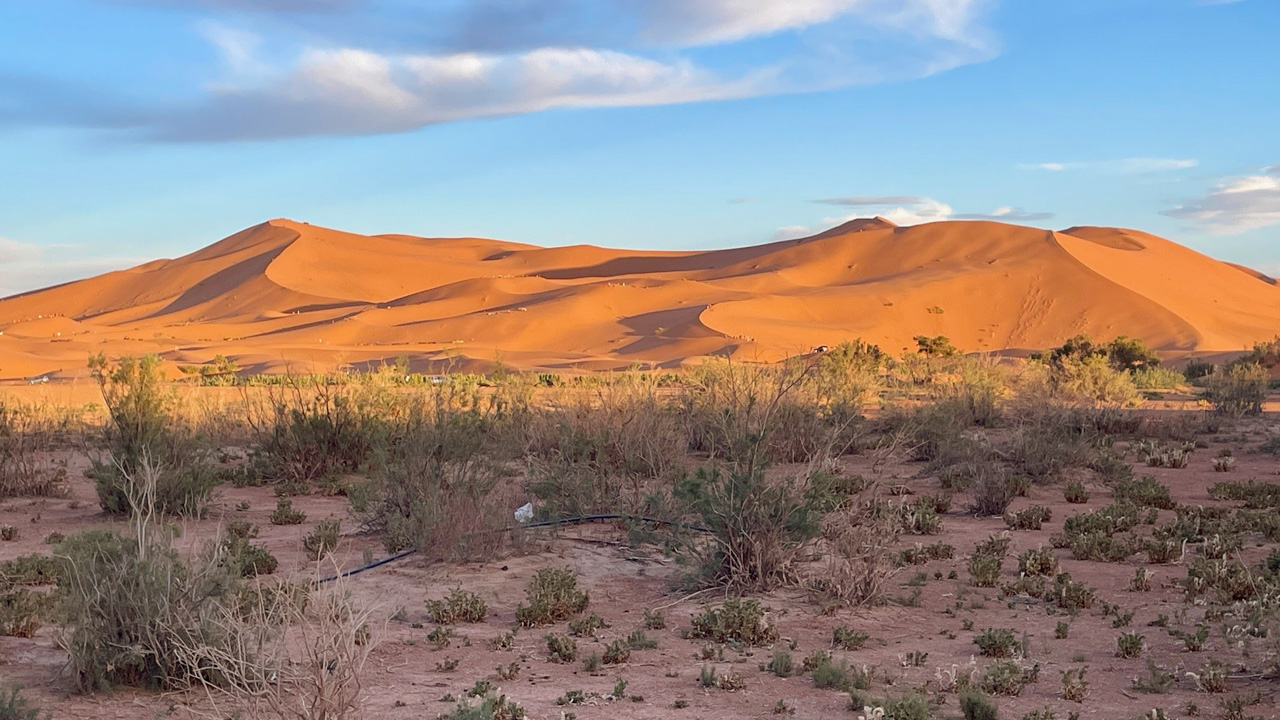
From the fifth through the seventh days, the expedition moved into the deep desert environments near Tinejdad and the Erg Chebbi dunes. The survey of the Jorf khettaras provided insight into traditional water management systems that create artificial oases, supporting species such as the Streaked Scrub Warbler. The Erg Chebbi dunes, a key site for desert-specialized fauna, yielded sightings of the African Desert Warbler, Desert Sparrow, and the highly localized Egyptian Nightjar. The nearby Dayet Srij wetland provided a sharp contrast, hosting a high density of migrant shorebirds, Marbled Duck, and Greater Flamingo, illustrating the importance of ephemeral desert wetlands.
The latter portion of the itinerary, from the eighth to the twelfth days, shifted toward the coastal Atlantic regions. The Todra and Dades Gorges served as essential sites for raptor and cliff-nesting bird observations, including the Pharaoh Eagle-Owl, Lanner Falcon, and Long-legged Buzzard. The expedition concluded with a detailed survey of the Souss-Massa National Park and the Oued Massa estuary. These coastal sites are of high conservation priority, supporting the global population of the Northern Bald Ibis, as well as providing habitat for the Black-crowned Tchagra and various waders.
Biological Data and Environmental Indicators
The 2026 expedition results highlight the importance of Morocco’s varied topography in maintaining high species richness. The "patchy" nature of migration noted by the field team suggests that environmental factors, such as late-season precipitation, significantly influence the arrival and stopover duration of migratory species. However, the consistent presence of resident specialities indicates that the core protected areas and traditional agricultural landscapes remain stable.
Data points regarding herpetofauna were particularly significant. The documentation of multiple Acanthodactylus lizard species across the desert transects confirms that these reptiles remain the dominant vertebrate group in the hyper-arid regions. Similarly, the presence of endemic amphibians like the Moroccan Toad at the Tiouiyine Bridge reinforces the critical role of riparian corridors in connecting otherwise isolated desert habitats.
Conservation Implications
The observations made during this expedition carry broader implications for regional conservation efforts. The Northern Bald Ibis remains a focal point for international monitoring efforts, and the successful sightings near Tamri underscore the efficacy of local conservation partnerships and habitat protection measures. Furthermore, the reliance of desert birds on man-made irrigation systems—such as the khettaras—highlights the intersection between traditional human land use and ecological preservation.
Local guides and environmental stakeholders engaged during the tour emphasized that the "warm Moroccan hospitality" mentioned by participants is inextricably linked to a growing awareness of ecotourism as a viable economic alternative to industrial expansion. By documenting the presence of rare species, the expedition reinforces the economic value of these habitats, providing an incentive for local communities to maintain the integrity of the wetlands and desert fringes.
Analysis of Habitat Connectivity
The expedition’s itinerary, which spanned from alpine peaks to coastal estuaries, allowed for a comparative analysis of habitat connectivity. The use of the Dades and Todra Gorges as "corridors" for raptors and cliff-nesting species demonstrates that these geological features are not merely scenic, but are essential movement pathways through the Moroccan interior. Conversely, the Souss-Massa wetlands function as a terminal destination for many trans-Saharan migrants, acting as a final "refueling station" before species transit north across the Mediterranean.
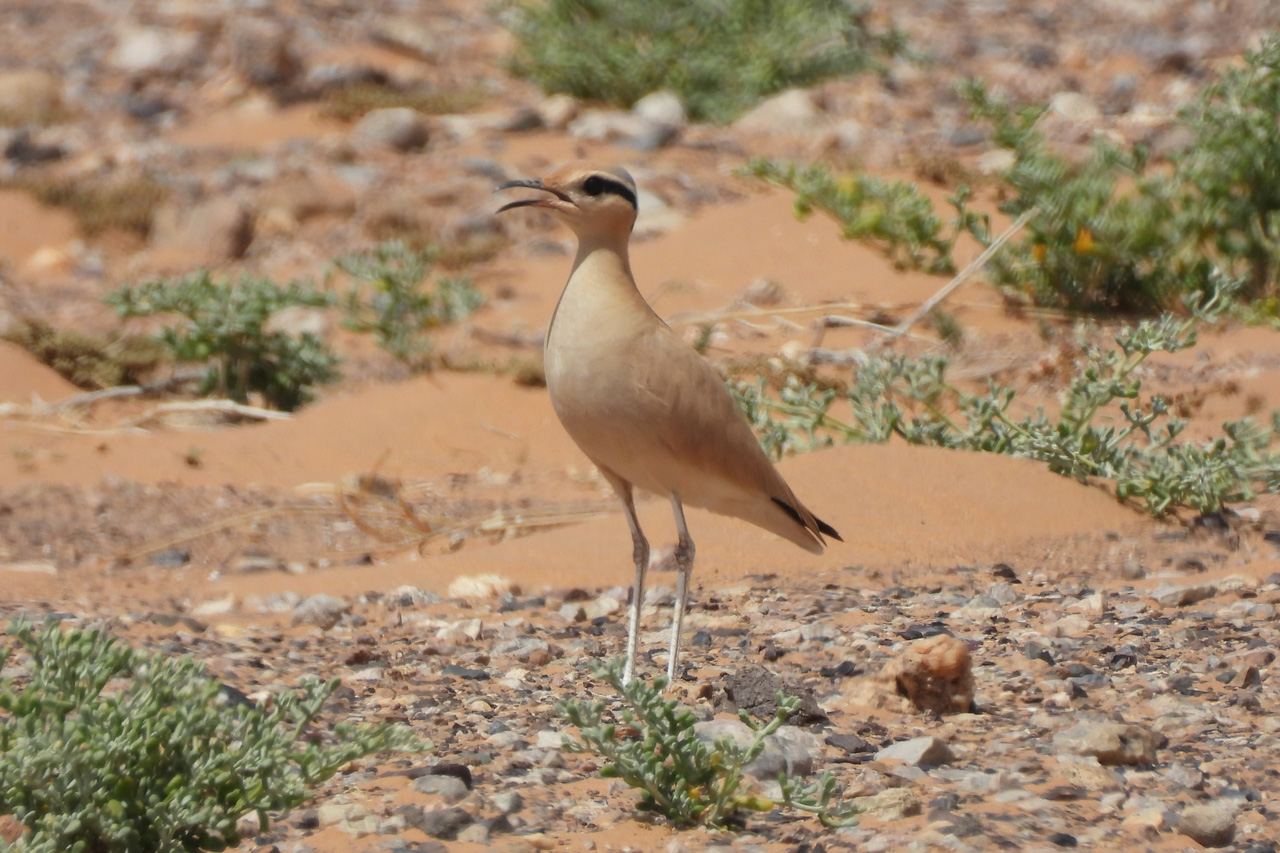
The findings from this 2026 tour suggest that while the arid regions of Morocco are currently resilient, they are highly sensitive to fluctuations in water availability. The contrast between the lush, managed landscapes of the palm groves and the stark, open hamada of the Tagdilt Track serves as a reminder of the fragility of the desert ecosystem. The continued presence of specialized larks and wheatears in these areas suggests that the current level of land protection is sufficient to support these populations, provided that the traditional, low-impact farming methods in the oases are not displaced by intensive agricultural development.
In conclusion, the spring 2026 expedition provided a robust dataset that confirms Morocco’s status as a premier destination for biological research and conservation observation. The successful documentation of a diverse array of taxa—from the endangered Northern Bald Ibis to the specialized lizard populations of the Sahara—highlights the necessity of maintaining a cross-habitat approach to conservation. The integration of local knowledge, traditional irrigation maintenance, and professional scientific survey methods remains the most effective framework for preserving the kingdom’s unique and fragile biodiversity. The data gathered will contribute to the ongoing efforts to monitor avian migration patterns and the status of endemic North African species in an era of rapid climate variability.
