
Each March, the heart of central Nebraska reverberates with the distinctive, ancient calls of hundreds of thousands of Sandhill Cranes, an avian spectacle that transforms the Platte River Valley into one of North America’s most significant wildlife events. This annual descent marks a crucial stopover on the cranes’ arduous northward migration, a period vital for their survival as they replenish fat reserves and utilize the river’s shallow, braided channels for safe nighttime roosting. Beyond its ecological imperative, this natural phenomenon has cultivated a profound human gathering, drawing an international community of visitors, conservationists, and volunteers to witness what has become an unparalleled intersection of wildlife, education, and community building, prominently centered at the Iain Nicolson Audubon Center at Rowe Sanctuary.
The Ecological Marvel of the Platte River Migration
The Sandhill Crane migration is a truly epic journey, with populations from as far south as Texas, New Mexico, and Mexico converging on the Platte River. This specific stretch of the river, roughly an 80-mile corridor between Kearney and Grand Island, provides the ideal conditions for these magnificent birds. The river’s unique hydrological characteristics—its wide, shallow, and braided channels—offer protection from predators like coyotes at night. During the day, the cranes forage in surrounding agricultural fields, primarily feasting on waste corn, which provides the high-energy carbohydrates necessary to fuel the remainder of their migration to breeding grounds in Canada, Alaska, and Siberia. This critical stopover is not merely a pause; it is a lifeline, sustaining nearly 80% of the world’s Sandhill Crane population, making the conservation of the Platte River habitat paramount. The Central Flyway, one of four major migratory bird routes across North America, funnels millions of birds through this corridor annually, with Sandhill Cranes being the most visible and celebrated representatives.
Rowe Sanctuary: A Hub for Conservation and Connection
The Iain Nicolson Audubon Center at Rowe Sanctuary stands as a beacon for this annual event, serving as both a critical conservation area for the cranes and an educational nexus for the public. Established in 1970, Rowe Sanctuary’s mission is deeply rooted in protecting the Platte River ecosystem and its migratory inhabitants while fostering a deeper understanding and appreciation for wildlife among people. This dual mandate comes to life most vibrantly during "crane season," a period that exemplifies Audubon’s broader Flight Plan milestone of Community Building. The Sanctuary provides specially constructed viewing blinds that allow visitors to observe the cranes at dawn and dusk without disturbing them, offering intimate glimpses into their daily rituals of feeding and roosting. These experiences are carefully curated to ensure minimal impact on the cranes while maximizing educational and inspirational opportunities for visitors.
A Season of Unprecedented Engagement: Facts and Figures
The recently concluded crane season at Rowe Sanctuary marked a significant milestone in visitor engagement and community participation. A remarkable 18,000 visitors passed through the sanctuary’s doors, a testament to the enduring allure of the Sandhill Cranes. This diverse cohort represented all 50 states of the United States and nearly 20 countries, with origins spanning the globe from Argentina to Zambia. This global pilgrimage underscores the universal appeal of wildlife spectacles and the growing interest in ecotourism and conservation.
Beyond mere attendance, the season was characterized by an extraordinary level of volunteer dedication. More than 100 volunteers, hailing from 24 different states, collectively contributed nearly 7,000 hours over just two months. These dedicated individuals were the backbone of the visitor experience, guiding guests to viewing blinds, answering myriad questions about crane biology and conservation, and sharing personal stories that deepened the connection between people and nature. Their presence transformed simple observation into meaningful dialogue, reinforcing Rowe Sanctuary’s role as a welcoming and informative hub during this intense migratory period.
Educational programming also saw robust participation, with over 2,000 individuals engaging in a wide array of classes, workshops, and events. Daily crane lectures provided in-depth scientific insights into the birds’ ecology and behavior, while art workshops encouraged creative expression inspired by the natural beauty of the cranes and their habitat. Speaker series featured renowned experts and conservationists, and family story times introduced younger generations to the wonders of migration and the importance of environmental stewardship. These programs fostered a multifaceted engagement, encouraging visitors to connect with the special location and its avian residents through binoculars, sketchbooks, and thoughtful discussions.
Chronology of the 2024 Crane Season
The 2024 crane season unfolded with its characteristic rhythms, punctuated by specific events and viewing highlights:
- Late February – Early March: The first significant waves of Sandhill Cranes began to arrive, signaling the official start of the season. Early-season tours offered particularly good viewing opportunities, as crane numbers steadily increased and the birds began to establish their feeding and roosting patterns. The initial influx often sees the most active feeding as birds arrive depleted from their southern wintering grounds.
- Mid-March: This period typically marks the peak of the migration, with the highest concentration of cranes on the Platte River. The vast numbers create the most dramatic liftoffs and roosting events, drawing the largest crowds. This year, visitor numbers swelled, aligning with the peak crane presence.
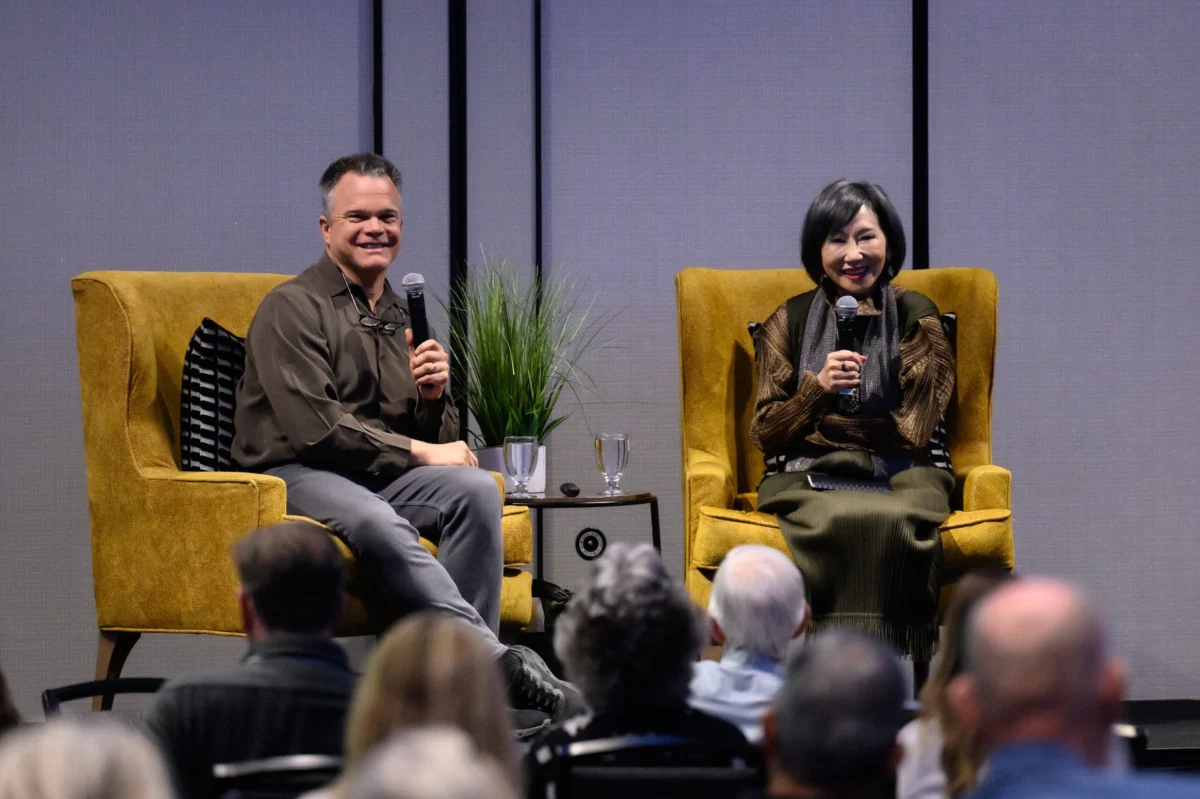
- March 23: A highlight of the season was the "Braided in Unison" special evening event. This gathering celebrated the intricate braided ecosystem of the Platte River and the unified community dedicated to its conservation. The event successfully drew 250 attendees and featured an illuminating conversation between acclaimed author Amy Tan, known for "The Backyard Bird Chronicles," and esteemed author and educator John Muir Laws. Both Tan and Laws experienced the crane migration for the first time leading up to the event, offering fresh perspectives on the profound emotional power birds hold to inspire care for their well-being and habitats. Their discussion underscored the powerful synergy of art, storytelling, and science in motivating environmental stewardship.
- Late March – Early April: As the season progressed, cranes gradually began their departure northwards, though significant numbers remained, offering continued excellent viewing opportunities. The daily spectacle of mass liftoffs at dawn—a sight that consistently evoked expressions of incredulous astonishment, smiles, and even tears—persisted, as did the mesmerizing evening roosting, where cranes descended onto the sandbars in unceasing waves, bathed in the ephemeral glow of the setting sun. The dwindling numbers often allowed for more intimate viewing experiences as the peak crowds dispersed.
- Mid-April: By mid-April, the vast majority of Sandhill Cranes had departed, leaving the river quieter but with the lasting impact of their presence and the human connections forged during their stay.
Inferred Statements and Broader Implications
The overwhelming success of the season elicits a clear sense of achievement and purpose from the Audubon community. A representative from Rowe Sanctuary or Audubon Nebraska would likely emphasize the dual triumph of conservation and community engagement. "This year’s crane season was a powerful demonstration of how conservation efforts can inspire and unite people from across the globe," an official might state. "The sheer number of visitors and the incredible dedication of our volunteers underscore the universal appeal of wildlife and the critical importance of protecting these natural wonders. The connections forged here, between people and birds, and among people themselves, are invaluable for the future of conservation."
Visitors’ testimonials, though not explicitly quoted, are reflected in the article’s descriptions of "lifelong ‘bucket list’ item" fulfillment and the emotional reactions of "incredulous astonishment, smiles, and even tears." These sentiments highlight the profound impact of witnessing such a spectacle firsthand, fostering a deeper personal connection to nature and a greater understanding of the need for its preservation. The attendance of cultural figures like Amy Tan and John Muir Laws, and their reflections on the "emotional power birds can have to inspire us to care for their well-being and habitats," further validate the event’s cultural and environmental significance, demonstrating how diverse disciplines can converge to advocate for nature.
The broader implications of such a successful season extend beyond the immediate conservation goals. The significant influx of 18,000 visitors, many traveling internationally, undoubtedly contributes to the local economy of central Nebraska. This ecotourism model provides revenue for local businesses, including hotels, restaurants, and retail, creating a symbiotic relationship where environmental protection indirectly supports economic vitality. This success story serves as a model for other conservation initiatives, demonstrating that investing in habitat preservation and public engagement can yield substantial returns, both ecological and socio-economic.
Furthermore, the "Community Building" aspect, highlighted as an Audubon Flight Plan milestone, is a critical takeaway. The sanctuary functions as a melting pot where diverse individuals, united by a common interest in nature, interact, share knowledge, and form connections. This strengthens the overall conservation movement by creating a network of informed and passionate advocates. The volunteers, dedicating thousands of hours, are not just assisting; they are becoming deeply embedded in the mission, often returning year after year, forming a crucial human infrastructure that supports the sanctuary’s operations and outreach.
Looking Ahead: Sustaining the "Braided" Future
As the Sandhill Cranes continue their journey north and the Platte River begins to quieten, the echoes of their calls and the footsteps of thousands of visitors leave an indelible mark. The 2024 crane season at Rowe Sanctuary was more than just a successful viewing period; it reinforced the sanctuary’s pivotal role as a place where community is organically built. It is a vibrant illustration of how landscape, birds, and people can come together—braided, much like the Platte River itself—into a cohesive and resilient whole, stronger than any single strand.
The continued protection of the Platte River’s delicate ecosystem remains paramount. Threats such as water diversion for agriculture, climate change impacting water flow, and habitat degradation necessitate ongoing conservation efforts. The engagement fostered by events like the crane migration season is crucial in garnering public and political support for these critical issues. Rowe Sanctuary’s ability to consistently draw a global audience and mobilize a dedicated volunteer force positions it as a vital institution in the ongoing fight for environmental preservation. The annual migration of the Sandhill Cranes is not just a natural wonder; it is a powerful reminder of our interconnectedness with the natural world and the collective responsibility we bear for its future, a responsibility embraced and celebrated each year in the heart of Nebraska.
