

From August 3 to August 12, an intensive birding expedition traversed the diverse ecosystems of New Brunswick, documenting the late-summer peak of migratory activity. The tour, which utilized Moncton as a strategic central hub, provided participants with an exhaustive survey of the province’s boreal forests, coastal estuaries, and the high-seas biodiversity of the Bay of Fundy. This expedition serves as a significant case study for the timing of shorebird migration, highlighting the ecological importance of the Bay of Fundy’s mudflats as a critical refueling stop for millions of avian travelers.
The Ecological Significance of the Bay of Fundy
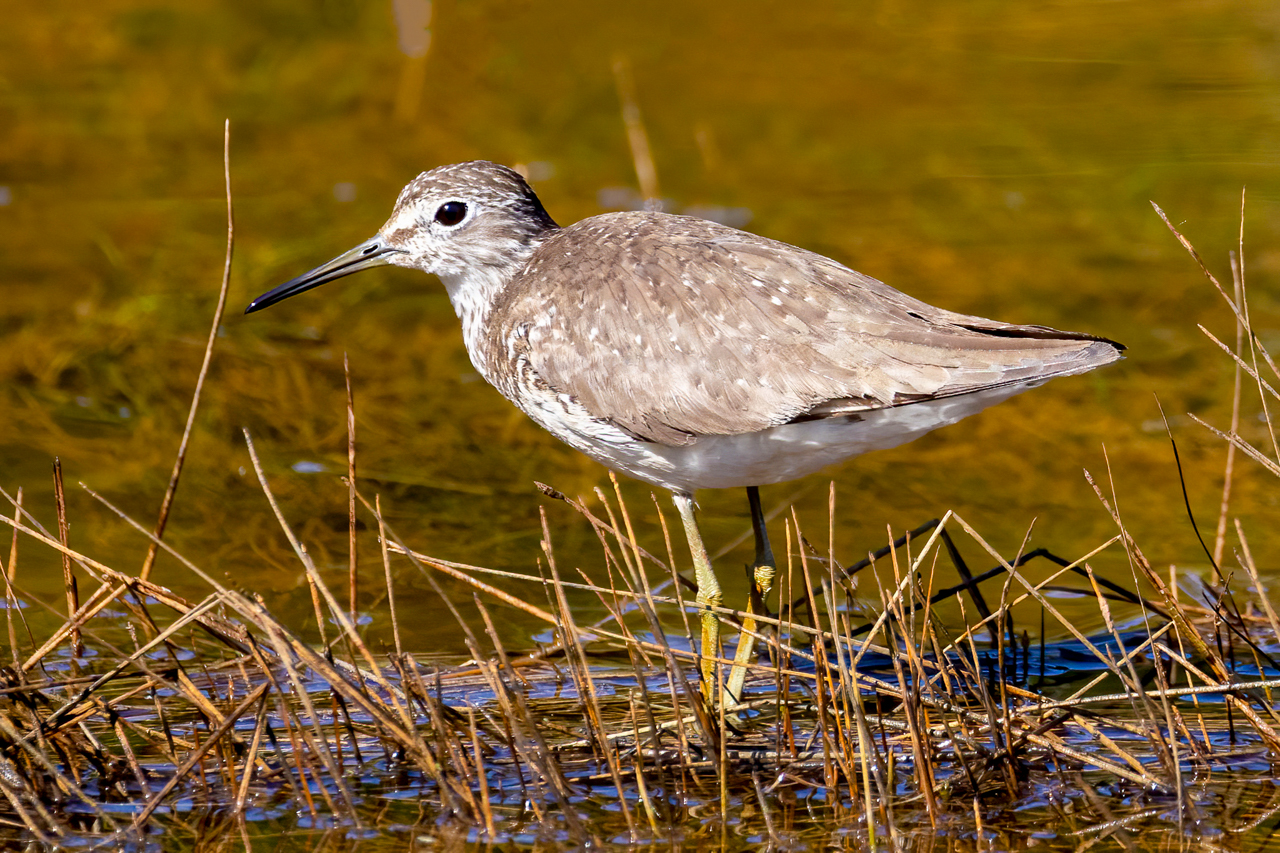
The Bay of Fundy is globally recognized as one of the most vital stopover points for shorebirds in the Western Hemisphere. During late summer, birds such as the Semipalmated Sandpiper (Calidris pusilla) congregate in massive numbers to feed on mud-dwelling invertebrates, specifically the amphipod Corophium volutator. By consuming these nutrient-dense organisms, the birds can nearly double their body weight in a matter of weeks, providing the necessary energy reserves to complete their non-stop flight to South America.
The August expedition was timed specifically to coincide with the tidal cycles and the peak arrival of these species. While local weather conditions, such as high winds or heavy fog, can occasionally obscure viewing opportunities, the sheer volume of avian activity during this window remains a benchmark for ornithological observation in North America.
Chronology of the Expedition: August 3–6
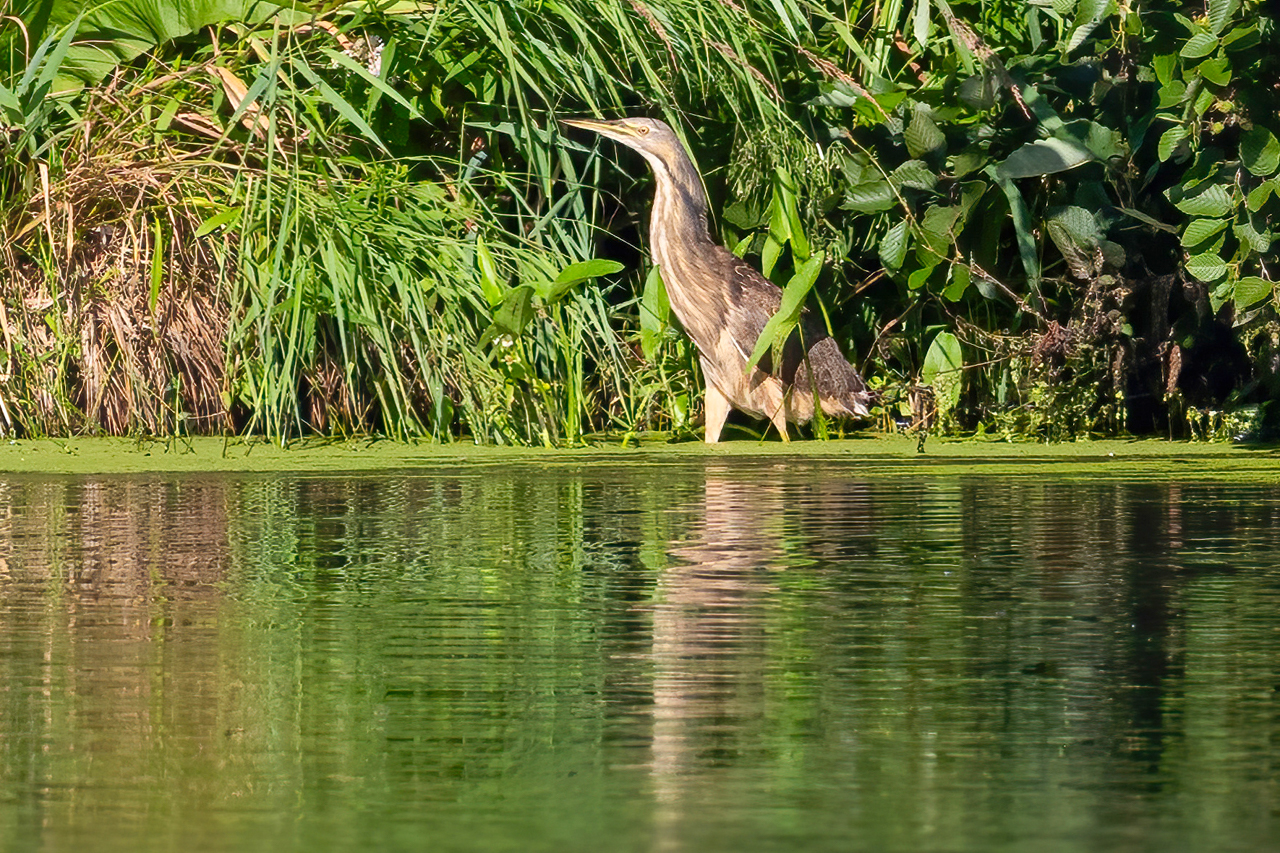
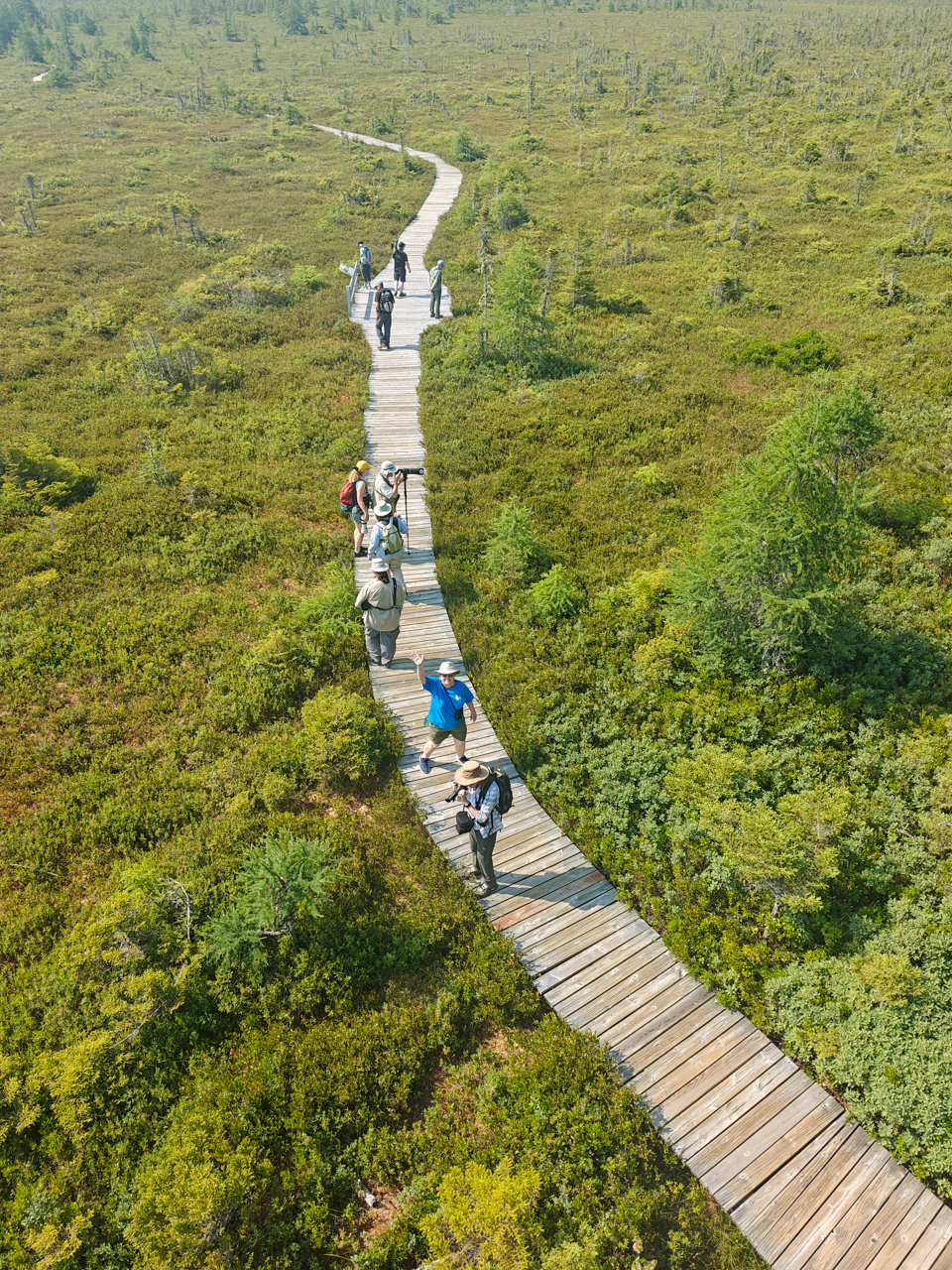
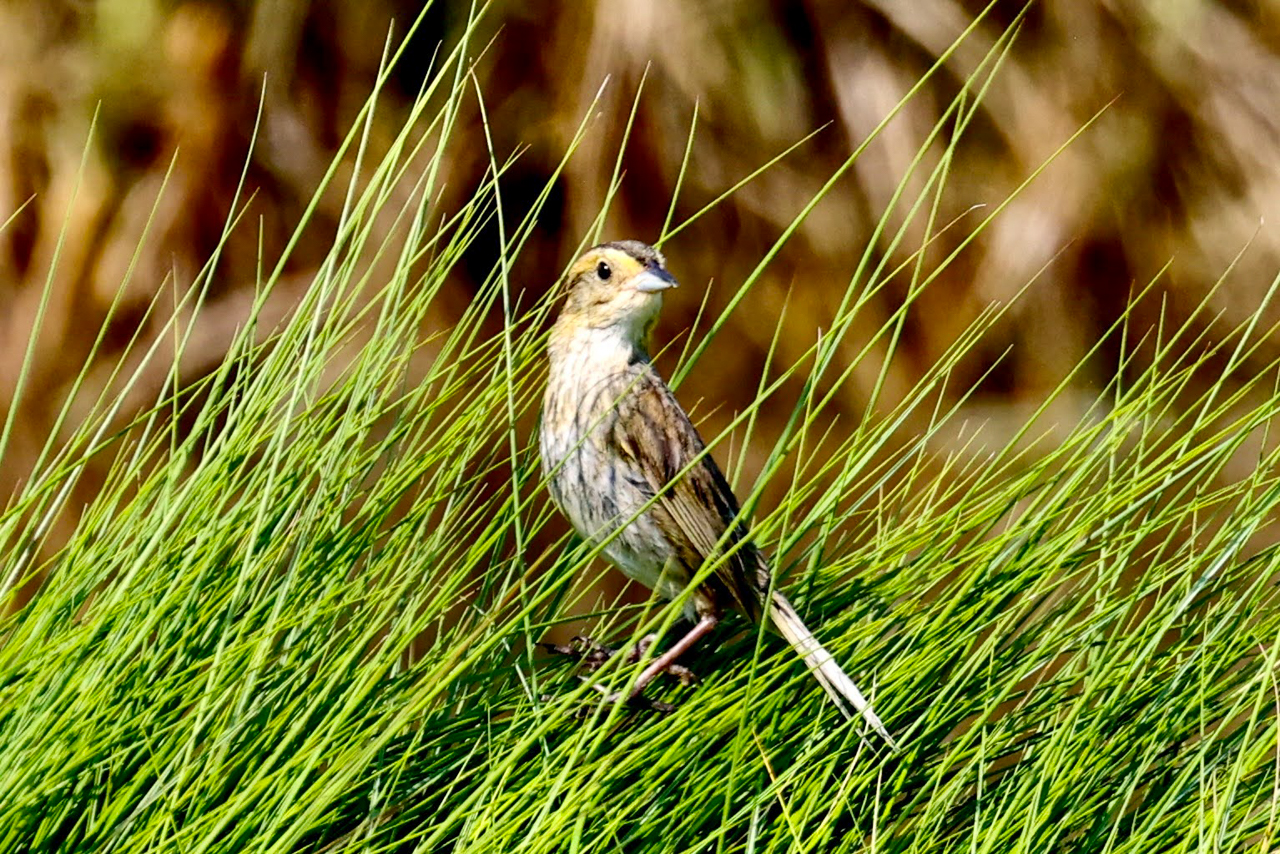
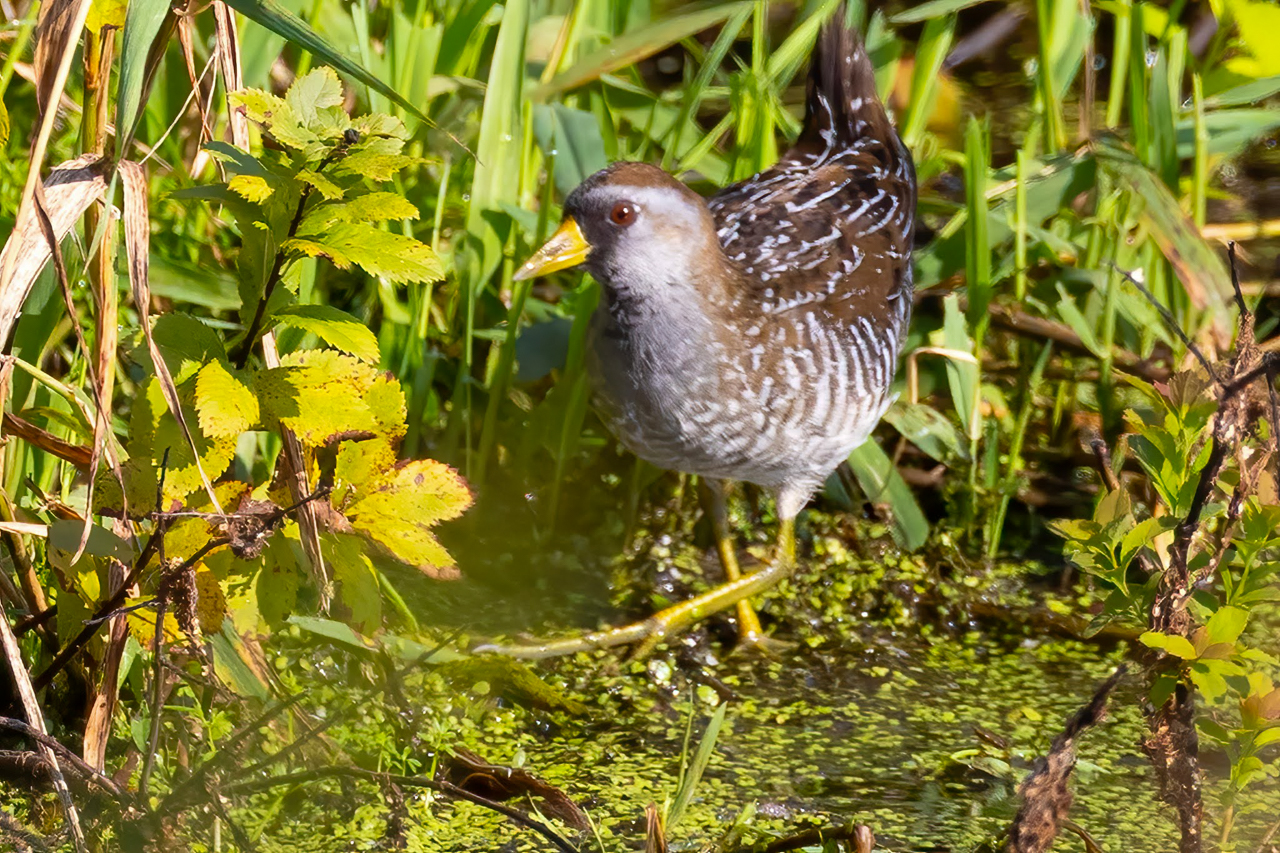
The journey began in the vicinity of Moncton and the Acadian Peninsula. On August 3 and 4, the group focused on the Memramcook and Sackville regions. Initial findings included notable sightings of the American Bittern (Botaurus lentiginosus) at the Reid McManus Nature Reserve, alongside a variety of songbirds, including the Blackburnian Warbler and the Northern Parula.
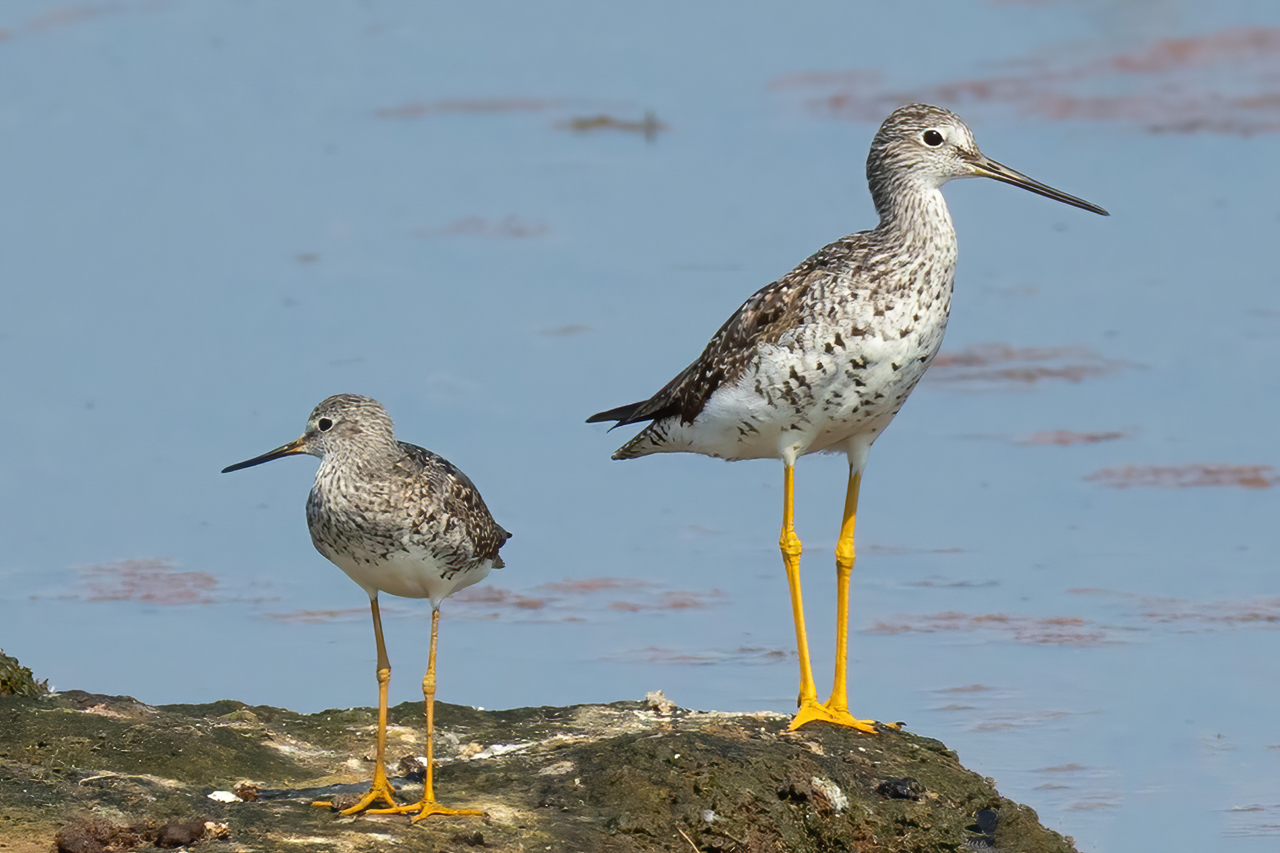
By August 5, the expedition shifted to Kouchibouguac National Park. This transition allowed for a comparative study between the inland marshes and the coastal estuaries of the Northumberland Strait. At Kelly’s Beach, researchers and enthusiasts observed an array of shorebirds, including White-rumped Sandpipers and Black-bellied Plovers, while also encountering marine mammals such as Grey Seals. The presence of the Olive-sided Flycatcher—a species currently listed as threatened in Canada—underscored the park’s role in supporting sensitive wildlife populations.

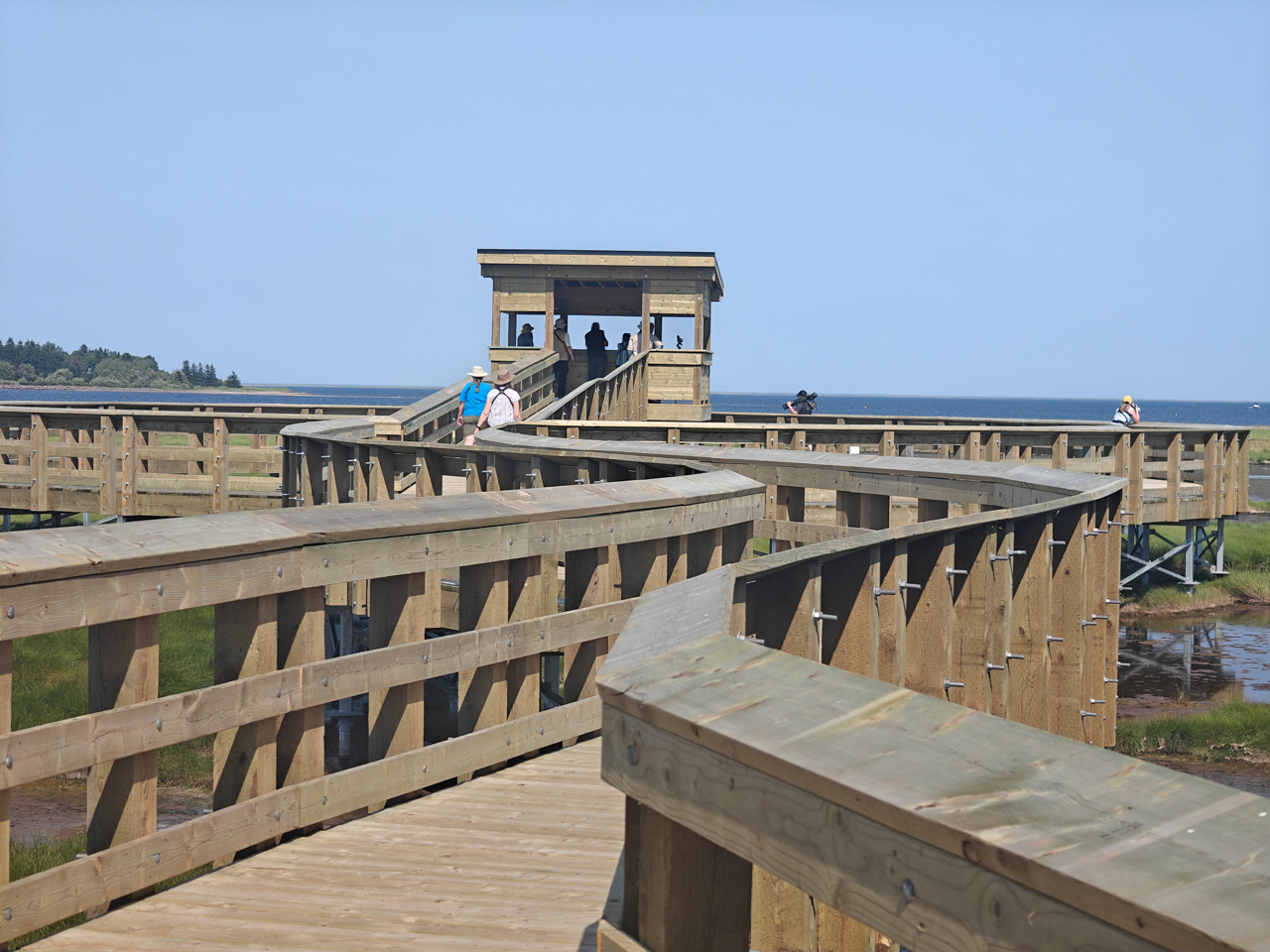
The return to the Moncton area on August 6 facilitated deeper exploration of the Bell Street Marsh and the Salisbury region. The identification of regional rarities, including a Wilson’s Phalarope and a Great Egret, provided evidence of the shifting distribution patterns of avian species in the Atlantic provinces. These occurrences are frequently tracked by conservationists to monitor how climate fluctuations impact migratory stopovers.
Pelagic Exploration: The Grand Manan Archipelago (August 7–10)
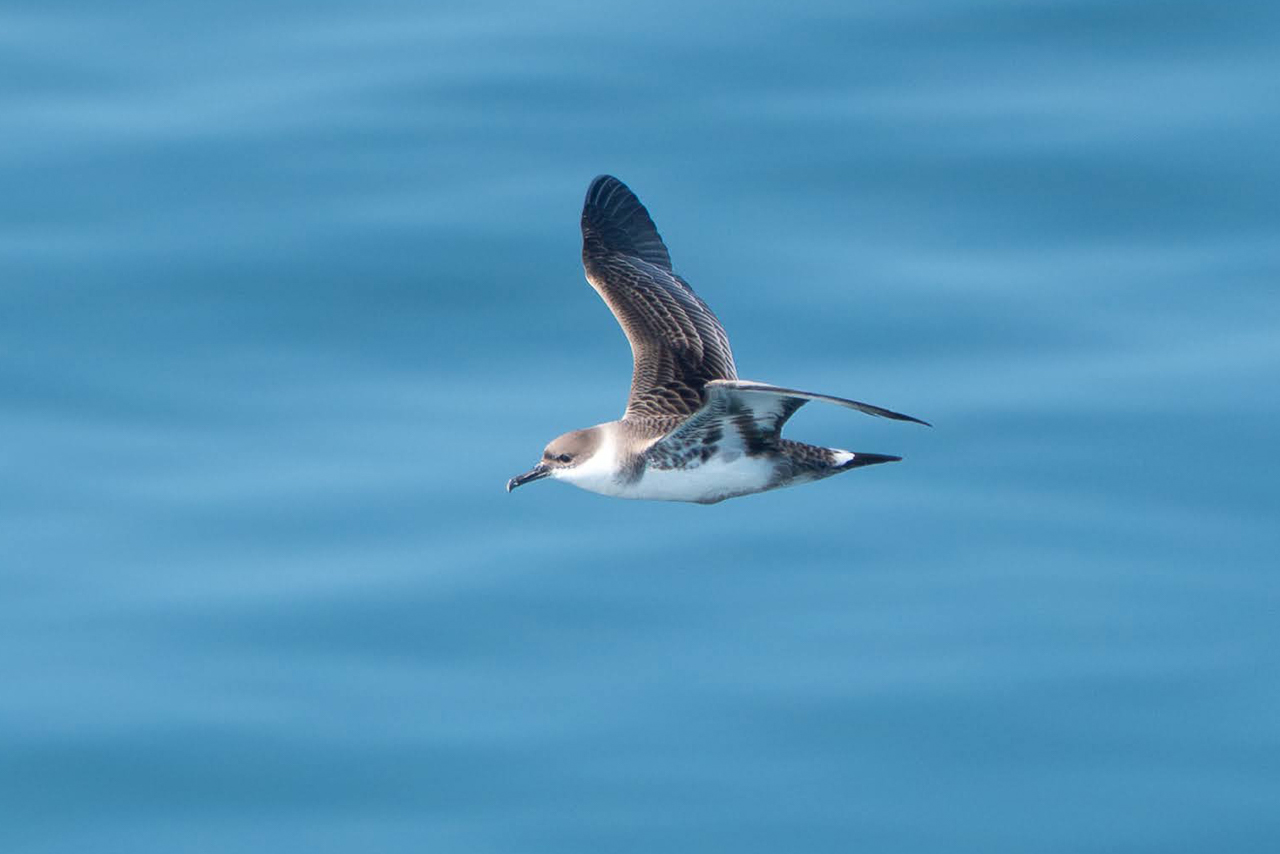
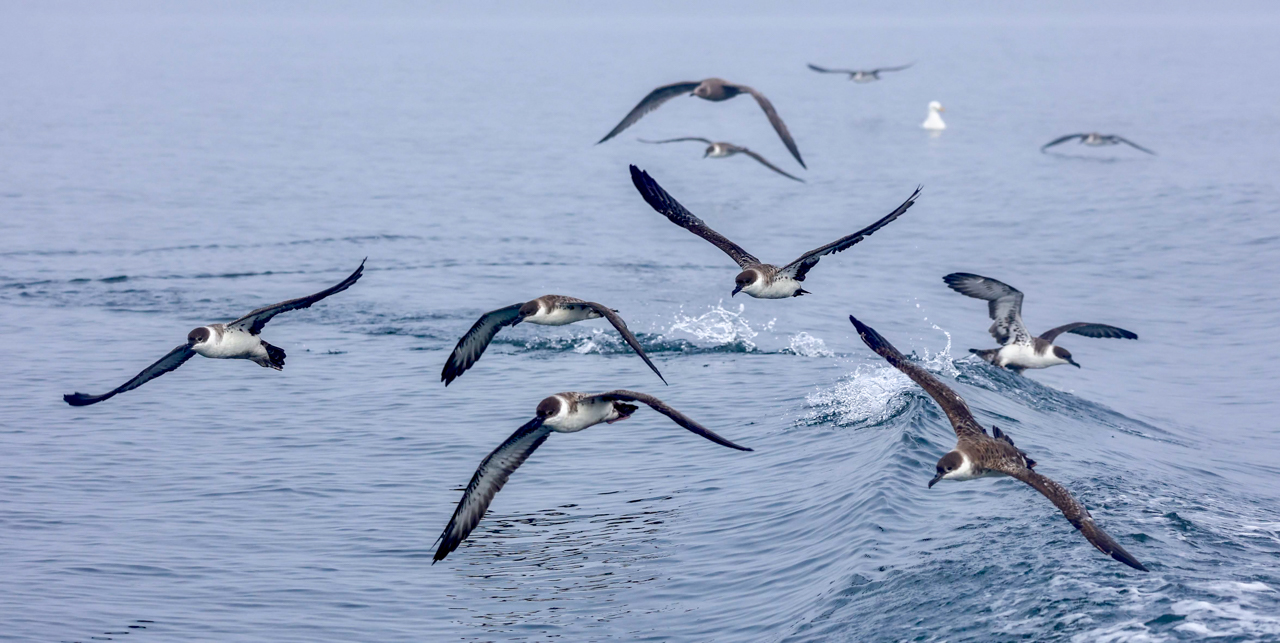
The expedition’s mid-point involved a three-day intensive study centered on Grand Manan Island. Access to the island via the Bay of Fundy requires navigating deep-water channels that serve as a feeding ground for pelagic species. During the ferry crossing and subsequent dedicated boat trips, the group recorded significant sightings of Great Shearwaters, Sooty Shearwaters, and Wilson’s Storm-Petrels.
The most notable observation of the pelagic segment was the sighting of a South Polar Skua. This predatory species, which breeds in the Antarctic, is a rare visitor to the Bay of Fundy. Tracking such individuals provides researchers with valuable data regarding the non-breeding range of southern hemisphere birds. Furthermore, the presence of Humpback Whales and Atlantic White-sided Dolphins highlighted the robust nature of the Bay of Fundy’s marine food web, which supports both apex predators and migrating avifauna.
The visit to White Head Island, a small satellite of Grand Manan, yielded the documentation of American Oystercatchers. This sighting was particularly significant, as the species maintains a limited breeding presence in Canada, and the preservation of their nesting sites is a priority for maritime conservation groups.
Final Observations and Migration Peaks (August 11–12)
The concluding days of the expedition were dedicated to the Fundy National Park and a return to the Johnson Mills Shorebird Reserve. On August 11, the group surveyed the forests of Fundy National Park, noting the presence of irruptive species like the White-winged Crossbill and family groups of Golden-crowned Kinglets.
The tour culminated on August 12 with a return to Johnson Mills. Unlike the initial visit on August 4, when high winds inhibited large-scale movement, the final day provided ideal conditions for witnessing the "murmuration" phenomenon. Participants observed an estimated 100,000 Semipalmated Sandpipers gathering on the exposed mudflats. The arrival of a Peregrine Falcon triggered the birds to take flight in a coordinated, swirling display. This defensive behavior—a response to avian predators—is a hallmark of the shorebird migration experience in the Bay of Fundy.
Scientific and Conservation Implications
The data collected during this ten-day window emphasizes the necessity of maintaining the integrity of the Bay of Fundy’s intertidal zones. The "shorebird reserves" established in this region are not merely observational sites; they are managed ecosystems. The management of these areas involves balancing human recreational use with the critical, high-stress period of migratory foraging.
From an analytical perspective, the consistency of these large-scale movements remains stable, yet the timing and intensity are subject to environmental pressures. Experts note that as global temperatures rise, the phenology—or the timing of biological events—of both the shorebirds and their prey (the mud amphipods) may shift. If the timing of the birds’ arrival no longer aligns with the peak abundance of their food source, the success of the entire migratory population could be compromised.

Furthermore, the documentation of rare species, such as the South Polar Skua and the American Oystercatcher, serves as a vital component of local biodiversity monitoring. By engaging in citizen science, birding expeditions contribute to long-term datasets that inform government policy regarding protected areas and wildlife corridors.
Summary of Key Findings
The expedition yielded a comprehensive list of species and behavioral observations that contribute to the broader understanding of New Brunswick’s avian landscape:
- Shorebird Abundance: The confirmed presence of over 100,000 individuals at Johnson Mills confirms the site’s status as a primary "Western Hemisphere Shorebird Reserve Network" (WHSRN) location.
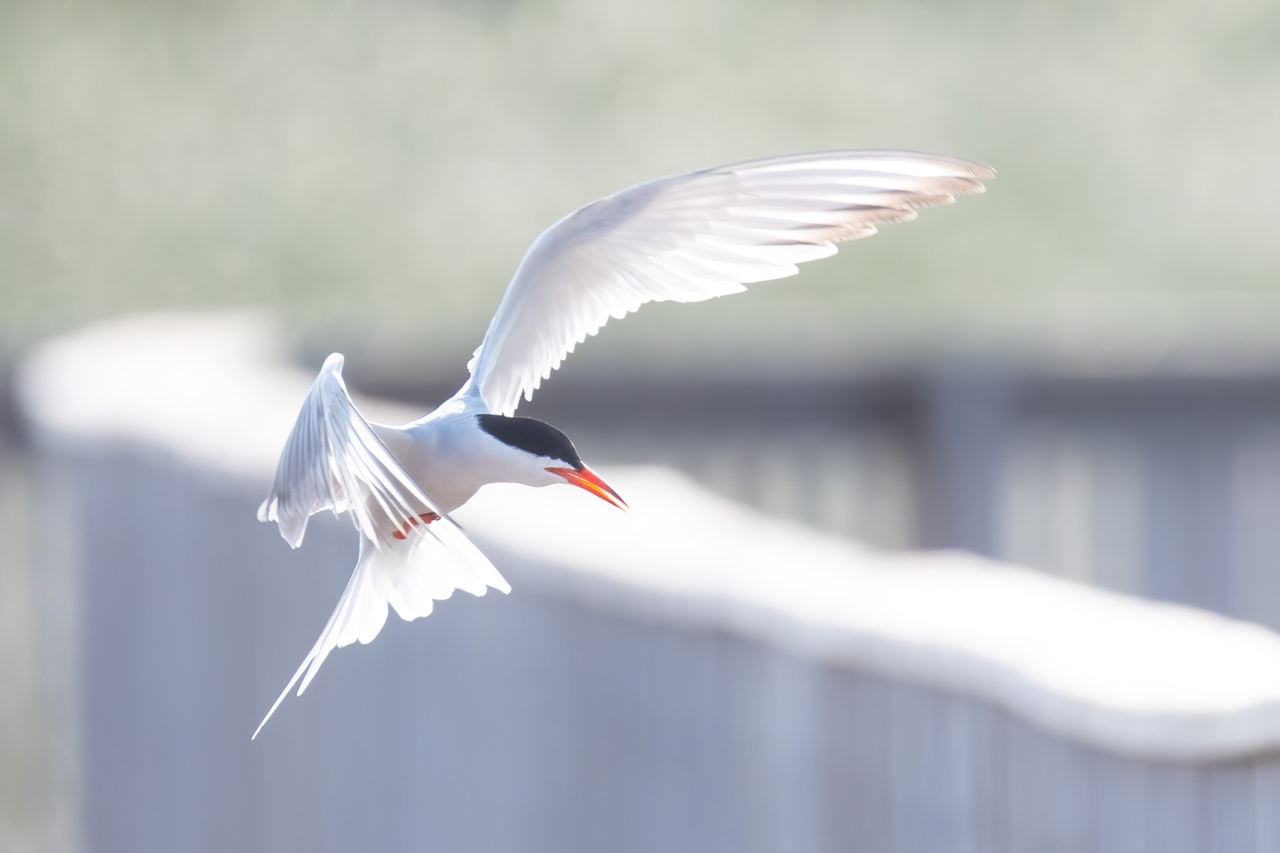
- Species Diversity: The tour recorded a wide spectrum of families, from the rare Arctic Terns and South Polar Skuas to common yet critical species like the Common Eider and various warbler species.
- Marine Synergy: The correlation between whale sightings and pelagic bird density suggests that the current nutrient upwelling in the Bay of Fundy remains highly productive, supporting a dense concentration of life.
- Conservation Status: The successful sighting of threatened and vulnerable species underscores the regional importance of protected wetlands and coastal sanctuaries.
The expedition concluded with a reflection on the resilience of these migratory species. For the participants and the broader birding community, the experience provided a clear, factual window into the complexities of the Atlantic Flyway. As the shorebirds continue their journey toward the southern hemisphere, the observations recorded in New Brunswick remain a testament to the essential, interconnected nature of the global ecosystem. The event successfully demonstrated that while climate and local weather patterns create variables in the viewing experience, the fundamental biological rhythms of the Bay of Fundy continue to function as a crucial pillar for hemispheric bird health.
