
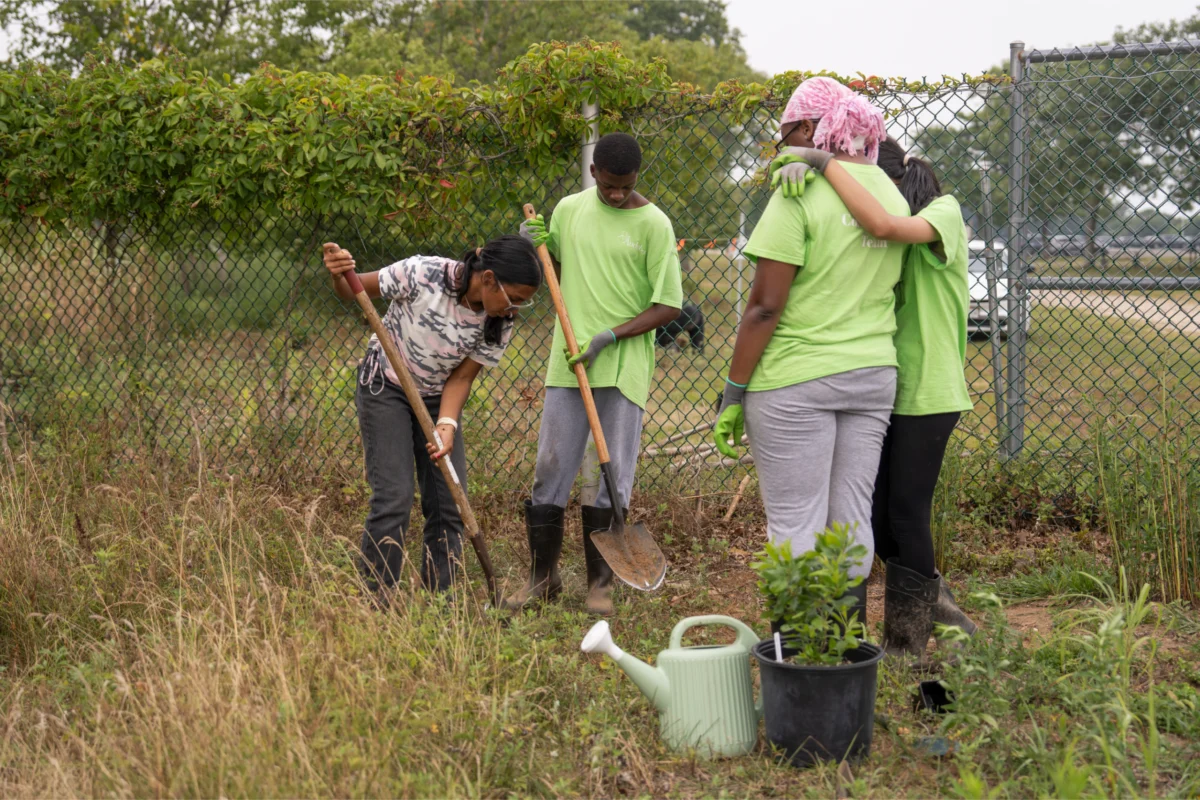
The National Audubon Society in New York has secured a $1,631,254 grant through the Environmental Protection Agency’s (EPA) Long Island Sound Partnership Supplemental Grant Program, marking a decisive turning point for the ecological future of Sunken Meadow State Park in Kings Park, Long Island. This substantial financial infusion is earmarked specifically for the construction and management of Phase 1 of the Sunken Meadow salt marsh restoration project, a multi-year, multi-phased endeavor designed to reclaim and fortify one of the region’s most ecologically significant coastal wetlands. With heavy machinery and restoration crews expected to break ground in the winter of 2027-2028, the project represents a shift from conceptual design to tangible, landscape-scale intervention.
Historical Context: From Hurricane Sandy to Restoration
The current state of the Sunken Meadow marsh is a direct result of decades of environmental management and accidental intervention. For years, the marsh was subjected to severely restricted tidal flow, a condition that stifled its natural ability to process nutrients and maintain healthy salinity levels. The turning point occurred in 2012 when Hurricane Sandy caused a catastrophic dam failure at the creek. While this event was destructive, it inadvertently restored a measure of tidal flushing to the ecosystem.
However, the "natural" recovery following the storm was incomplete. While the tidal influx improved water quality, it also exposed deep-seated vulnerabilities. The marsh has struggled with waterlogged soils, a lack of plant diversity, and the rampant expansion of invasive Phragmites australis (common reed). Furthermore, the marsh has been slowly converting into mudflats, signaling a loss of the high-elevation habitat that is critical for local biodiversity. This project is the culmination of years of collaborative research aimed at correcting these systemic imbalances.
The Science of Survival: Saltmarsh Sparrows and Rising Seas
The urgency of the Sunken Meadow restoration is largely dictated by the precarious status of the Saltmarsh Sparrow. This species has become a sentinel for the health of the Northeast coastline; its population decline is directly correlated with the degradation of the very marshes it relies upon for survival. Saltmarsh Sparrows are unique in that they nest only inches above the high tide line. As global sea levels rise, the "drowning" of these nests has become a primary cause of reproductive failure for the species.
Without the intervention proposed by the Audubon Society and its partners, experts suggest that local populations of the sparrow could face local extinction within decades. By raising the elevation of the marsh platform, the project aims to create a "buffered" habitat that remains above the high-tide threshold for longer durations. This elevation enhancement is not merely for the birds; it is an engineered response to the reality of climate-induced sea-level rise that threatens all coastal ecosystems.
A Phased Engineering Approach
The restoration strategy is divided into three distinct phases, each addressing a specific layer of the ecosystem’s degradation:
Phase 1: Elevation Enhancement
This is the primary focus of the new EPA funding. By strategically placing sediment onto the marsh platform, engineers will raise the surface elevation. This process mimics the natural accretion of sediment that marshes typically undergo, but accelerates it to keep pace with the current rate of sea-level rise. This phase is intended to create a stable foundation for native vegetation to take hold.
Phase 2: Hydrologic Improvements
Following the stabilization of the soil, the project will move to optimize water flow. This involves fine-tuning the drainage channels within the marsh to ensure that water can move in and out efficiently, preventing the waterlogging that currently plagues the site and discourages the growth of native grasses.
Phase 3: Invasive Species Management
The final phase focuses on the ecological restoration of the plant community. The removal of the invasive common reed is essential, as Phragmites tends to outcompete native grasses like Spartina alterniflora. Once the invasive monoculture is broken, active replanting efforts will be implemented to restore the biodiversity of the salt marsh, ensuring a more resilient ecosystem that can support a wider variety of insects, fish, and avian life.
Collaborative Stewardship
The scale of this project necessitates a multi-agency partnership that spans state and federal levels. Audubon is spearheading the effort in close coordination with the New York State Office of Parks, Recreation and Historic Preservation, which manages the land. Other key partners include Save the Sound, an environmental organization focused on the Long Island Sound; the New York Natural Heritage Program, which provides the biological baseline data; and the engineering firm Anchor QEA, which provides the technical expertise required for such a delicate environmental construction project.
Representatives from these organizations have noted that the project is a model for how coastal land managers must approach future climate adaptation. Rather than simply protecting land from development, the focus has shifted toward active, science-led ecological engineering. The $1.6 million grant serves as a validation of this model, proving that restoration projects of this magnitude are viable when supported by rigorous planning and multi-stakeholder consensus.
Economic and Environmental Implications
Beyond the immediate benefits to the Saltmarsh Sparrow, the project carries significant implications for the human communities surrounding Kings Park. Coastal marshes act as natural storm surge buffers, absorbing energy from waves and reducing the impact of coastal flooding on inland infrastructure. By restoring 70 to 80 acres of healthy marsh, the project effectively increases the "living infrastructure" of the area.
A brief analysis of the economic benefits suggests that while the upfront cost of restoration is high, it is significantly lower than the potential cost of repairing damage to nearby roads, homes, and park facilities caused by unchecked flooding. Furthermore, the restoration of the marsh improves water quality in the Long Island Sound by filtering pollutants and nitrogen, providing a cleaner environment for local fisheries and recreational activities.
Looking Toward the Future: A Timeline of Action
The path forward is clearly defined by the project’s roadmap:
- 2023–2024: Continued site monitoring and finalization of permitting requirements.
- 2025–2026: Final design refinements and procurement for heavy equipment and sediment sourcing.
- Winter 2027–2028: Anticipated commencement of Phase 1 construction.
- Post-2028: Monitoring of sediment settlement and initial planting, followed by the rollout of phases 2 and 3.
The Audubon Society emphasizes that this timeline is subject to environmental conditions, particularly regarding weather patterns and the migratory cycles of the species being protected. Construction is specifically scheduled during winter months to minimize the impact on local bird populations and to avoid the peak growing season of sensitive flora.
Conclusion: A Legacy for Long Island
The commitment shown by the EPA and its partners reflects a growing recognition of the intrinsic value of salt marshes. As the National Audubon Society continues its 120-year mission of bird and habitat conservation, the Sunken Meadow project stands as a testament to the power of science-based environmental management. By investing in the health of the marsh today, stakeholders are ensuring that this vital coastal habitat remains a functional, productive, and resilient ecosystem for future generations.
The project not only serves as a lifeline for the Saltmarsh Sparrow but also acts as a demonstration site for coastal resilience. As sea levels continue to fluctuate and the impacts of climate change become more pronounced, the data gathered at Sunken Meadow will likely inform similar restoration efforts across the Eastern Seaboard. Through this endeavor, the message is clear: the restoration of the environment is not a luxury, but an essential component of protecting the future of both wildlife and the human communities that depend on these coastal systems.
