
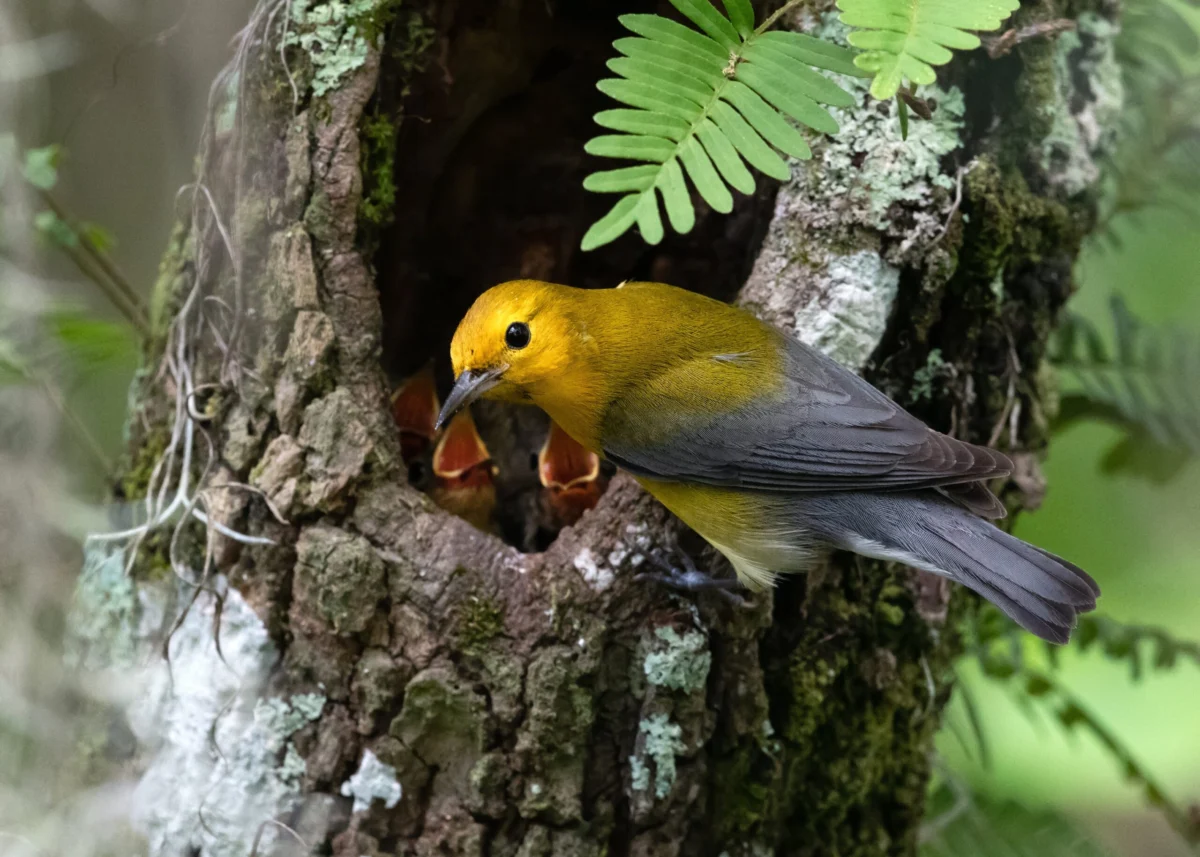
The ambitious statewide effort to meticulously count North Carolina’s overwintering and breeding birds has officially concluded its data collection phase, marking a significant milestone in avian conservation. Researchers are now embarking on the critical task of processing and analyzing the vast trove of information gathered over half a decade, a project that promises to redefine our understanding of the state’s diverse bird populations and guide future conservation strategies. This monumental undertaking, powered by an army of dedicated citizen scientists, has culminated in one of the most comprehensive biological surveys ever conducted in North Carolina, providing an invaluable snapshot of avian life across its varied landscapes.
The Scale of the Endeavor: A Volunteer-Powered Triumph
Over the course of five years, from 2021 to 2026, an extraordinary 3,525 volunteers dedicated an astonishing 234,495 hours to observing and documenting birds. This immense contribution is equivalent to nearly 10,000 full days of continuous fieldwork, showcasing an unparalleled commitment from the community. These "Atlasers" traversed every corner of the state, from the remote, high-elevation river valleys of the Appalachian Mountains to the bustling urban parks of the Piedmont, and across the sandy, storm-battered beaches and barrier islands of the Outer Banks. Their tireless efforts focused on identifying and recording birds engaged in specific breeding behaviors, such as courtship displays, nest building, incubation, and feeding young, providing critical evidence of reproductive success.
The sheer volume of data collected is staggering: volunteers submitted 332,343 checklists, containing a remarkable 4,774,640 breeding observations. From these observations, they confirmed 73,839 breeding pairs of birds, a testament to the meticulousness and dedication of the participants. This rich dataset forms the bedrock of the North Carolina Breeding Bird Atlas 2.0 (NCBBA2), a project designed not just to count birds, but to understand their distribution, abundance, and breeding status with unprecedented detail. The success of such a large-scale initiative underscores the immense power of community science, demonstrating how engaged citizens can contribute meaningfully to scientific research and conservation.
Understanding the Breeding Bird Atlas: A Scientific Imperative
A Breeding Bird Atlas is a systematic survey designed to map the distribution of breeding bird species across a defined geographical area. Unlike general bird counts that focus on presence, an atlas specifically seeks evidence of breeding activity. These projects originated in the United Kingdom in the late 1960s and quickly spread across North America, becoming a cornerstone of ornithological research and conservation planning. The first North Carolina Breeding Bird Atlas, conducted from 1986 to 1991, provided foundational data, but ecological conditions, land use patterns, and climate have changed significantly since then. The NCBBA2 was therefore crucial to update this critical information.
The scientific purpose of an atlas is multifaceted. It establishes baseline data against which future changes in bird populations and distributions can be measured, allowing researchers to track the impacts of habitat loss, climate change, and other environmental pressures. It helps identify areas of high avian biodiversity, critical breeding grounds for threatened or endangered species, and regions where conservation efforts might be most effective. For a state like North Carolina, with its incredible ecological diversity ranging from maritime forests and coastal marshes to longleaf pine savannas, hardwood forests, and mountain peaks, understanding avian distribution is particularly complex and vital. The state serves as a crucial migratory corridor and provides diverse breeding habitats for a wide array of species, making detailed, current data indispensable for effective stewardship.
A Chronology of Dedication: The Five-Year Data Collection Cycle (2021-2026)
The NCBBA2’s data collection phase officially commenced in 2021 and concluded in 2026, following extensive planning and pilot testing in preceding years. The project was meticulously structured to ensure scientific rigor and maximize volunteer participation. Volunteers were trained to identify specific breeding codes, which denote different levels of certainty regarding breeding activity, from "observed" (bird present in suitable breeding habitat during breeding season) to "possible" (singing male, pair in suitable habitat), "probable" (territorial defense, nest building), and "confirmed" (nest with eggs/young, recently fledged young). This hierarchical system allowed for consistent data collection across thousands of observers.
Each breeding season, from spring through summer, volunteers fanned out across pre-defined survey blocks, typically 3×3 mile squares, assigned to them based on their location and availability. They meticulously searched for signs of breeding, recording species, behavior, and location. This structured approach ensured comprehensive coverage, aiming to survey every block within the state over the five-year period. The project was a collaborative effort, spearheaded by the North Carolina Wildlife Resources Commission (NCWRC), Audubon North Carolina, and various other conservation partners, all working together to coordinate logistics, develop training materials, and support the volunteer network. The five-year timeframe was chosen to account for natural variations in bird populations and environmental conditions, providing a more robust and reliable dataset than a single-year survey could offer.
The Data Deluge: Unpacking Millions of Observations for Conservation Insights
With the data collection phase complete, the focus now shifts to the intensive analysis of the millions of observations. Scott Anderson, Science Support Coordinator for the North Carolina Wildlife Resources Commission, highlighted the immediate next steps: "First, we’ll go through and fact check observations and pull out any outliers. Then we will work with partners to decide how best to share final results." This initial phase of data quality control is crucial to ensure the accuracy and reliability of the final atlas. Expert ornithologists and data scientists will review submitted checklists, cross-reference unusual sightings, and validate confirmed breeding records.
The subsequent analytical phase will involve sophisticated statistical modeling and geographical information systems (GIS) to create detailed maps of species distribution, identify areas of high breeding diversity, and pinpoint regions where specific species may be declining or expanding their range. This comprehensive analysis, expected to take several months, will transform raw data into actionable intelligence. The results will be instrumental in identifying critical breeding habitats, understanding the impacts of various environmental factors, and informing conservation priorities for years to come. The goal is to produce not just a static map, but a dynamic resource that can be continuously updated and interpreted by conservationists, land managers, policymakers, and the public.
Immediate Impact and Future Implications for Conservation
The North Carolina Breeding Bird Atlas 2.0 is poised to have profound and far-reaching implications for bird conservation in the state. One of its most significant immediate impacts is its contribution to the eBird platform, a global online database of bird observations. According to Anderson, the atlas project spurred an estimated 81 percent increase in North Carolina eBird checklists compared to the previous five years. This exponential growth has already strengthened existing range and population maps accessible to eBird users worldwide, providing real-time data that benefits researchers and birdwatchers alike.
Looking ahead, the atlas results will directly inform and shape conservation planning, allowing agencies and organizations to direct resources to the places and species that need it most. By identifying current breeding ranges and population strongholds, the data will strengthen habitat management decisions across public and private lands. For instance, if the atlas reveals significant declines in certain ground-nesting species in particular forest types, land managers can adjust timber harvest practices or implement prescribed burns to create more suitable habitat. The data will also be critical for supporting funding proposals for conservation projects, providing concrete evidence of need and potential impact. Furthermore, the atlas will serve as a vital baseline for future scientific research, enabling ornithologists to study the long-term effects of climate change, urbanization, and other environmental factors on North Carolina’s avian communities. It provides a critical benchmark against which the success or failure of conservation interventions can be measured.
Voices from the Field and the Scientific Community
The sentiment among project leaders and participants is overwhelmingly positive, reflecting a deep sense of accomplishment and gratitude. Scott Anderson articulated this appreciation, stating, "We are extremely grateful for every single birder who traveled across the state, including extremely rural areas, to count birds. We engaged communities, landowners, citizen scientists, and partners around a large-scale conservation effort in a way we never have before." This sentiment is echoed by conservation organizations like Audubon North Carolina, a key partner in the atlas. Representatives from Audubon NC have lauded the collaborative spirit of the project, emphasizing its role in fostering a deeper connection between North Carolinians and their natural heritage. They view the atlas as a monumental success in community engagement, showcasing how collective action can yield invaluable scientific insights.
Volunteers themselves have frequently expressed immense satisfaction in their participation. Many described the atlas as an enriching experience, deepening their bird identification skills, fostering a sense of scientific contribution, and connecting them with a broader community of like-minded individuals. The personal stories of Atlasers venturing into remote wilderness areas, braving diverse weather conditions, and patiently observing bird behaviors underscore the passion that fueled this extensive undertaking. This human element is as crucial as the scientific data itself, demonstrating the enduring appeal and power of citizen science.
The Enduring Legacy of Citizen Science
The North Carolina Breeding Bird Atlas 2.0 stands as a shining example of the enduring legacy and transformative power of citizen science. It has not only yielded a wealth of scientific data but has also cultivated a robust network of engaged citizens passionate about bird conservation. This project has empowered thousands of individuals to become active participants in scientific discovery, fostering a greater understanding of ecological processes and instilling a sense of stewardship for the natural world. The skills developed by these volunteers, from bird identification to data recording, will continue to serve conservation efforts long after the atlas analysis is complete.
The success of the NCBBA2 reinforces the notion that scientific research is not solely the domain of professional scientists. When equipped with proper training and guidance, ordinary citizens can make extraordinary contributions, often covering geographic scales and collecting data volumes that would be impossible for professional teams alone. This project will undoubtedly inspire future community science initiatives in North Carolina and beyond, serving as a blueprint for large-scale, volunteer-driven ecological surveys. It highlights the democratic nature of scientific inquiry and the collective responsibility we all share in monitoring and protecting our planet’s biodiversity.
Continuing the Watch: Other Avian Community Science Initiatives
Even as researchers delve into the atlas data, the call for continued community involvement in bird conservation remains strong. The atlas project has demonstrated the profound impact collective observation can have, and there are numerous avenues for citizens to remain engaged in contributing valuable data.
- The Christmas Bird Count (CBC): This annual event, spanning from December 14 to January 5 each season, is North America’s longest-running community science project. Fueling Audubon’s work throughout the year, the CBC mobilizes tens of thousands of volunteers to count birds in specific areas, providing critical data on winter bird populations and long-term trends.
- The Great Backyard Bird Count (GBBC): Held annually in February, the GBBC is a free, fun, and easy event that invites birdwatchers of all ages and skill levels to count birds for at least 15 minutes from their backyard, local park, or any location. This global initiative provides a real-time snapshot of bird populations, highlighting movements and distribution patterns during late winter.
- Targeted Species Counts: Beyond these large-scale annual events, opportunities exist for focused species monitoring. For example, counting Chimney Swifts during their migratory roosts helps track populations of this declining aerial insectivore.
- Lights Out Programs: Participating in "Lights Out" initiatives during spring and fall migration involves turning off unnecessary outdoor lights at night to prevent migratory birds from becoming disoriented and colliding with buildings.
- Joining Local Audubon Chapters: Becoming a member of a local Audubon chapter or other conservation organization provides opportunities for education, advocacy, and direct involvement in local conservation projects.
These initiatives, much like the Breeding Bird Atlas, rely on the collective power of citizen scientists to gather essential data that informs conservation strategies. The insights gleaned from the North Carolina Breeding Bird Atlas 2.0 will serve as a foundational resource, guiding these ongoing efforts and ensuring a brighter future for the state’s magnificent avian inhabitants. To discover more ways to make a difference for birds in North Carolina, individuals are encouraged to explore resources provided by organizations like Audubon North Carolina and the North Carolina Wildlife Resources Commission. The journey to understand and protect North Carolina’s birds is ongoing, and every observation counts.
