
A groundbreaking scientific study has cast a sobering light on the complex realities of wildlife reintroduction programs, suggesting that the well-intentioned act of returning rescued animals to their natural habitats does not always guarantee success. In a significant number of cases, animals released after periods in captivity face unforeseen and severe risks, with the wild environment potentially transforming into what researchers starkly describe as a "death trap." This revelation underscores a critical need for re-evaluation and refinement of current conservation strategies, particularly for highly territorial and vulnerable species.
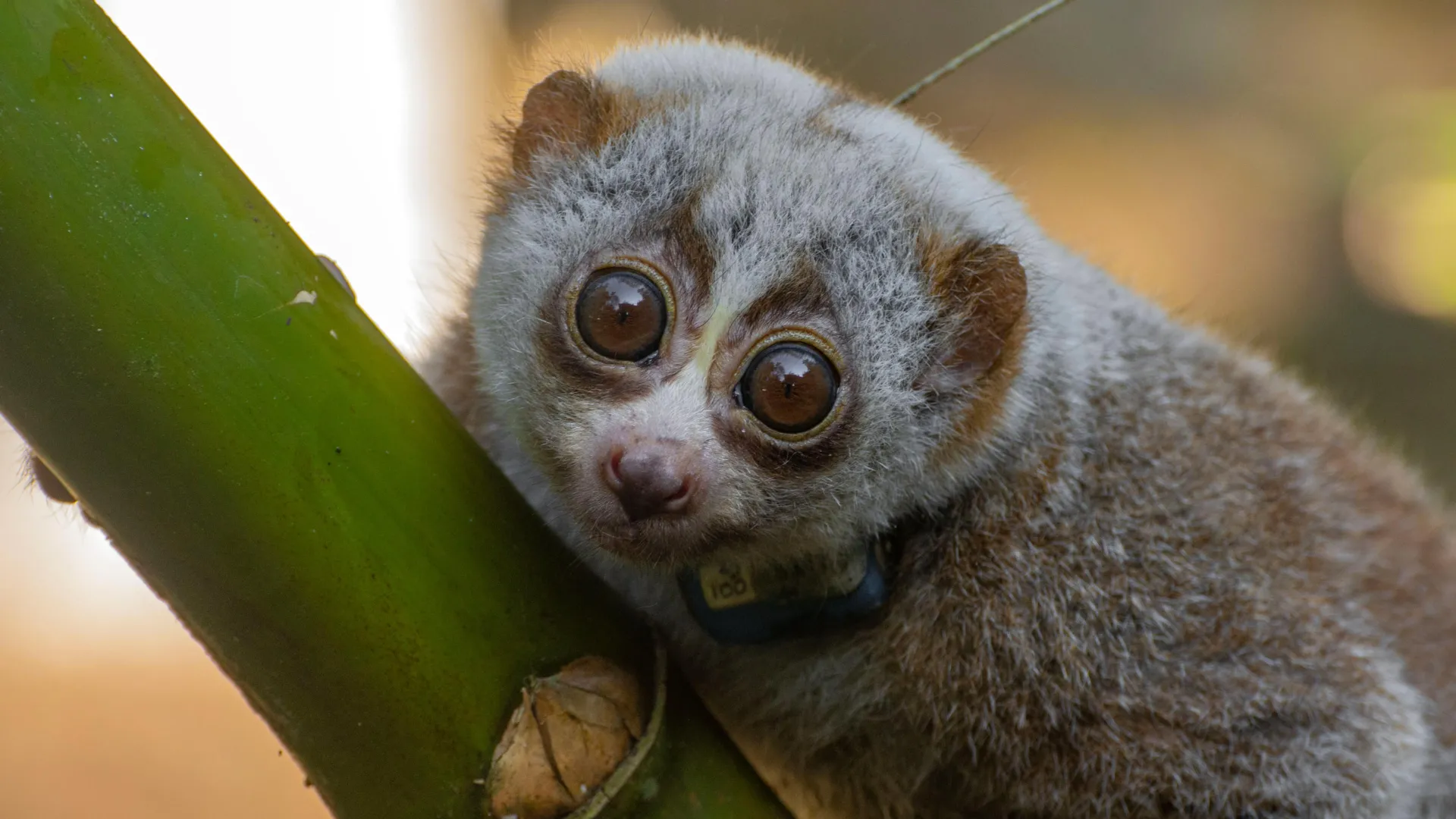
The findings, meticulously documented and published in the esteemed journal Global Ecology and Conservation, detail the alarming fate of Bengal slow lorises ( Nycticebus bengalensis ) released in Bangladesh. The research, a collaborative effort led by the prominent primatologist Professor Anna Nekaris OBE of Anglia Ruskin University, alongside experts from the conservation group Plumploris e.V. and the University of Western Australia, provides empirical evidence challenging the long-held assumption that all releases are inherently beneficial.
The Study Unveiled: A High Mortality Rate
The collaborative team embarked on a rigorous tracking effort, fitting nine Bengal slow lorises with radio collars to monitor their movements and survival post-release. These animals were introduced into a national park in northeastern Bangladesh, a site previously utilized for wildlife reintroductions. The methodology involved continuous monitoring, allowing researchers to gather precise data on the animals’ adaptation and ultimate outcomes. The results were stark and unequivocally alarming: only two of the nine released lorises managed to survive beyond a six-month period. A distressing three individuals perished within a mere 10 days of their return to the forest, while an additional four succumbed within the subsequent six months.
The recovery of four of the seven deceased lorises provided crucial forensic evidence. Each recovered body bore unmistakable signs of trauma, specifically bite wounds concentrated on the head, face, and digits. This pattern of injury strongly implicated intraspecific aggression—attacks by other slow lorises—as the primary cause of death. Such findings contradict the popular perception of slow lorises as uniformly docile creatures, instead highlighting their inherent territoriality and the potent defense mechanisms they employ.
The research further revealed a correlation between the duration of an animal’s captivity and its post-release survival. Lorises that had spent longer periods in human care exhibited a shorter lifespan after reintroduction. Additionally, observations indicated that the released lorises displayed heightened levels of movement and alertness compared to their wild counterparts, suggesting a state of elevated stress or a frantic search for unoccupied territory. The two surviving animals, notably, traversed significantly larger areas than those that perished, a pattern indicative of their successful strategy: avoiding direct confrontation with established resident populations by dispersing to less contested zones.
Understanding the Bengal Slow Loris: An Endangered Enigma
The Bengal slow loris, like all slow loris species, is a creature of peculiar charm and ecological significance. Characterized by their large, soulful eyes, diminutive stature, and seemingly gentle demeanor, these nocturnal primates possess features that have, paradoxically, rendered them immensely vulnerable. Their "cute" appearance has fueled an insatiable demand in the illegal wildlife trade, tragically positioning them among the most heavily trafficked primates globally. This illicit demand drives their capture from the wild, often involving brutal methods that inflict severe physical and psychological trauma. Many are found with their teeth brutally extracted to prevent them from biting, a practice that not only causes immense pain but also cripples their ability to feed and defend themselves, making rehabilitation exceedingly difficult.
All slow loris species are listed under various threatened categories by the International Union for Conservation of Nature (IUCN) Red List, ranging from Critically Endangered to Endangered or Vulnerable. For instance, the Javan slow loris (Nycticebus javanicus) is Critically Endangered, while the Bengal slow loris (Nycticebus bengalensis) and Pygmy slow loris (Nycticebus pygmaeus) are Endangered, and the Sunda slow loris (Nycticebus coucang) is Vulnerable. This precarious status necessitates aggressive conservation interventions, including rescue, rehabilitation, and reintroduction efforts aimed at bolstering dwindling wild populations.
Beyond their appearance, slow lorises possess a unique biological characteristic: they are the only venomous primates in the world. Their venom is produced by a gland on their brachial arm, which they lick to mix with saliva, creating a potent toxin delivered through specialized comb-like teeth. This venom, when injected through a bite, can cause anaphylactic shock, tissue necrosis, and even death in humans and other animals. In their natural environment, this venom serves as a formidable defense mechanism against predators and, as this study demonstrates, a potent weapon in territorial disputes with conspecifics. Their diet primarily consists of insects, fruit, tree sap, and nectar, and they play a vital role in their ecosystems as seed dispersers and pollinators.
The Shadow of the Illegal Pet Trade
The illegal wildlife trade is a multi-billion dollar industry, ranking among the largest illicit trades globally, often alongside drugs, arms, and human trafficking. Slow lorises are prime targets due to their perceived exotic appeal. They are often sold openly in unregulated markets, frequently subjected to inhumane conditions during transport and captivity. Beyond the pet trade, their body parts are also used in traditional medicine, further exacerbating the pressure on wild populations.
The journey for a trafficked slow loris is fraught with danger. Captured from their forest homes, they are crammed into small, unsanitary containers, often deprived of food and water for extended periods. The stress, injuries, and disease prevalence during this transit mean that a significant number die before even reaching their intended buyers. For those that survive, life as a pet is a miserable existence. Their nocturnal nature, specialized dietary needs, and complex social behaviors are almost impossible to replicate in a domestic setting, leading to chronic health problems, behavioral abnormalities, and a drastically shortened lifespan. Rescues, therefore, represent a lifeline for these individuals, offering a glimmer of hope for a return to a natural existence. However, the study’s findings indicate that this hope is often tragically misplaced without adequate preparation and strategic planning.
Challenges in Rehabilitation and Reintroduction
The process of rehabilitating and reintroducing wild animals is inherently complex, fraught with scientific, ethical, and logistical challenges. For many years, the default assumption has been that any animal rescued from trafficking or injury should ideally be returned to the wild. This "release-first" mentality is often driven by public expectation and a commendable desire to correct human-induced harm. However, as the Bengal slow loris study vividly illustrates, good intentions alone are insufficient.
A critical factor highlighted by the research is the impact of captivity itself. Animals kept in captivity, especially for extended periods, can lose essential survival skills, develop abnormal behaviors, and become habituated to human presence. Their natural instincts for foraging, predator avoidance, and navigating complex social hierarchies can atrophy. When released into a highly competitive and dangerous environment, these deficiencies can prove fatal.
Another major challenge identified by the study is the selection of release sites. Hassan Al-Razi, the lead author and team leader of Plumploris e.V. Bangladesh, emphasized this point, stating: "Rescue and release have become an increasingly common practice in Bangladesh. Many wild animals, including slow lorises, are rescued and subsequently released back into the wild. However, in many cases, these releases are conducted inappropriately. For forest-dwelling species, release sites are often selected based on logistical convenience rather than ecological suitability. As a result, certain forests have effectively become dumping grounds for rescued animals and are no longer appropriate release sites." This critical observation points to a systemic flaw where the welfare and ecological needs of the animals are often secondary to operational ease. Overcrowding in suitable habitats can lead to intense competition for resources and, as seen with the slow lorises, violent territorial conflicts.
Expert Perspectives and Calls for Reform
Professor Anna Nekaris OBE, Senior author of the study and Professor of Ecology, Conservation and Environment at Anglia Ruskin University, as well as head of the Little Fireface Project, articulated the core message with profound clarity: "It’s assumed that returning confiscated or rescued animals to the wild is always a positive conservation story. Our research shows that for highly territorial species like slow lorises, releasing them into areas that are already densely populated can be a death trap. Many rescued endangered species are often released because the public expects it, but for animals such as the Bengal slow loris, this is not always the best course of action. Without fully understanding the animal’s behaviour, its time spent in captivity and the density of resident populations at the release site, reintroductions may do more harm than good." Her statement underscores the ethical imperative for a more nuanced and evidence-based approach to reintroduction.
The implications of this research extend far beyond slow lorises. While large and charismatic species like big cats or rhinos often receive intensive post-release monitoring due to their visibility and conservation priority, countless smaller species are released with minimal or no follow-up. This lack of rigorous tracking means that the true success rates of many reintroduction programs remain largely unknown, masking potentially high mortality rates and inefficient resource allocation. Conservation organizations globally are now being urged to reconsider their methodologies, with a stronger emphasis on pre-release assessment and post-release vigilance.
Conservationists and wildlife authorities must adopt comprehensive guidelines for reintroduction, moving away from a one-size-fits-all approach. These guidelines should include:
- Detailed Habitat Assessments: Thorough evaluation of potential release sites for ecological suitability, including food availability, presence of natural predators, and crucially, the density of existing conspecific populations.
- Individual Animal Assessments: Evaluating each animal’s health, behavioral competency, and duration of captivity to determine its readiness for release.
- Species-Specific Rehabilitation Protocols: Developing tailored programs that address the unique needs of each species, focusing on skill retention and re-wilding.
- Long-Term Monitoring: Implementing robust post-release monitoring strategies, using technologies like radio collars, camera traps, and direct observation, to track survival, movement, and adaptation.
- Adaptive Management: A willingness to adjust strategies based on monitoring results, learning from both successes and failures.
Broader Implications for Global Conservation
This study carries significant weight for the broader field of global conservation. It challenges the romanticized notion of "rescue and release" as an unmitigated good and compels a more scientific, data-driven approach. The ethical implications are particularly salient: is it truly humane to release an animal into an environment where its chances of survival are demonstrably low, potentially leading to a slow and agonizing death? This question forces conservationists to balance public sentiment with scientific responsibility.
The findings resonate with concerns raised by other researchers about translocation projects for various species globally. For instance, studies on translocated carnivores or primates have also sometimes revealed high post-release mortality due to territorial conflicts, inability to find food, or heightened predation risk. The slow loris study adds a crucial layer to this understanding, emphasizing the unique challenges posed by intraspecific aggression in highly territorial, venomous species.
Furthermore, the research highlights the critical need for increased funding and capacity building for wildlife rehabilitation centers. These centers must evolve from mere holding facilities to sophisticated institutions capable of providing specialized care, behavioral enrichment, and pre-release training that genuinely prepares animals for the rigors of the wild. This includes access to veterinary expertise, behavioral ecologists, and adequate resources for long-term care and monitoring.
The Path Forward: Tailored Strategies and Rigorous Monitoring
The work by Professor Nekaris, Hassan Al-Razi, and their collaborators is not merely a critique; it is a vital call to action for a more responsible and effective approach to wildlife conservation. The solution is not to cease rescue and release efforts entirely, as these remain critical for species recovery. Instead, it is to elevate the standards of these programs, ensuring they are executed with the utmost scientific rigor and ethical consideration.
Future efforts must focus on:
- Preventative Measures: Addressing the root causes of slow loris trafficking, including public awareness campaigns to reduce demand for illegal pets and strengthened law enforcement to disrupt trafficking networks.
- Habitat Protection: Ensuring there are truly suitable and safe habitats for released animals, which often means expanding protected areas and mitigating human-wildlife conflict.
- International Collaboration: Fostering stronger partnerships between academic institutions, conservation organizations, and governmental agencies across borders to share best practices and resources.
As Hassan Al-Razi concluded, "Although our research has focused on the Bengal slow loris and demonstrated the consequences of such practices, we believe similar patterns likely affect many other species." This poignant statement serves as a stark reminder that the lessons learned from the Bengal slow loris study are universal. They underscore the urgent need for a paradigm shift in wildlife reintroduction—one that prioritizes meticulous planning, rigorous scientific assessment, and sustained monitoring over convenience and assumption, ultimately striving for genuinely successful conservation outcomes for all endangered species. The future of numerous vulnerable species hinges on our collective ability to learn from these difficult truths and adapt our conservation strategies accordingly.
