
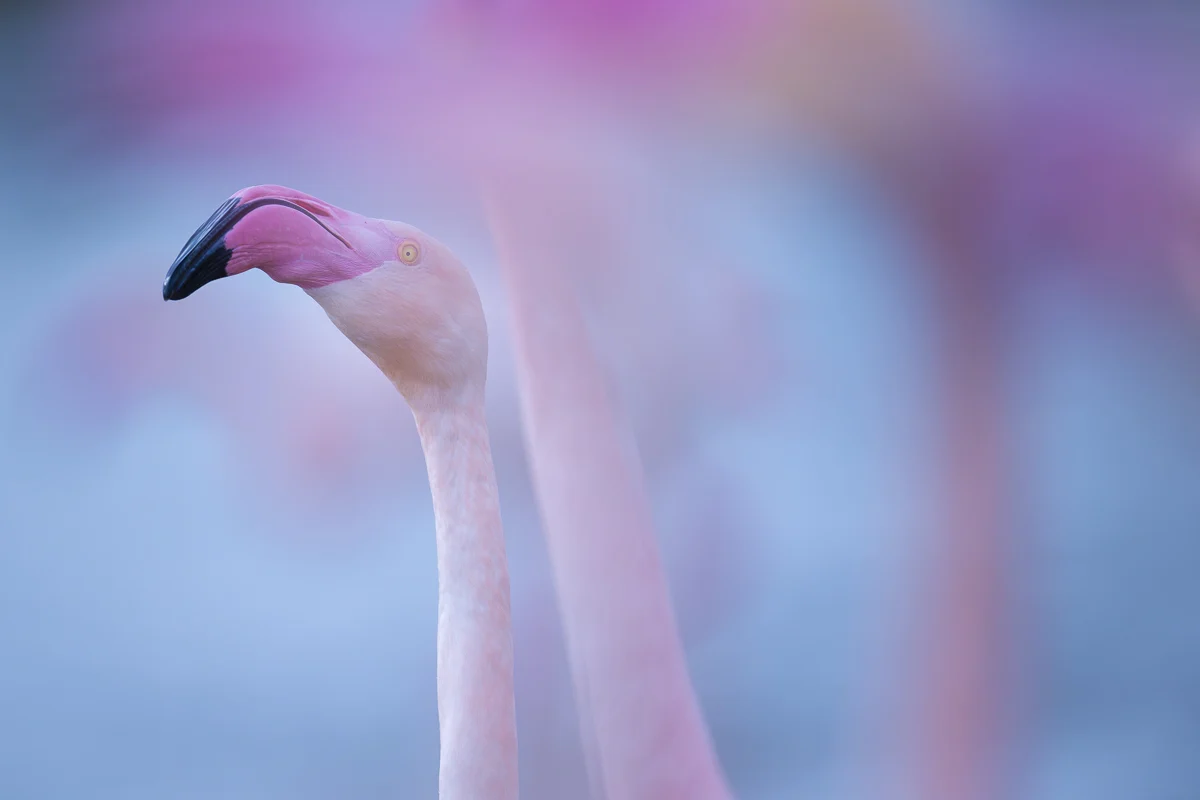
The evolution of wildlife photography has long been anchored in the pursuit of absolute technical perfection, defined historically by razor-sharp focus, high shutter speeds, and clinical clarity that isolates an animal from its environment. However, a profound shift is occurring within professional and documentary visual arts. Photographers are increasingly embracing deliberate optical imperfections—most notably, soft foreground blurs and atmospheric layering—to transform documentary captures into emotive, painterly narratives. This technique, which involves positioning out-of-focus elements between the camera lens and the primary subject, moves beyond traditional documentation to explore the psychological and environmental dimensions of wildlife. By softening the plane of view, practitioners are challenging conventional aesthetics, prompting a reevaluation of how depth, mystery, and narrative context are communicated in natural history imagery.

Mechanics and Optical Principles of Foreground Layering
At its core, foreground blurring relies on the deliberate manipulation of depth of field and lens compression. By introducing physical elements—such as foliage, branches, water droplets, geological formations, or atmospheric haze—in extreme close proximity to the front element of the lens, photographers create a translucent veil. When the camera focuses on a subject situated meters beyond these obstructions, the foreground elements dissolve into soft, ethereal washes of color and light.
This optical manipulation does not diminish the visual weight of the subject; rather, it introduces a three-dimensional hierarchy into a two-dimensional medium. Industry data on modern telephoto lens designs indicates that wider maximum apertures (ranging from f/2.8 to f/5.6) combined with long focal lengths (typically 300mm to 600mm) significantly enhance this compression effect, making it a favored method among contemporary wildlife specialists. The resulting frames guide the human eye along a curated visual pathway, ensuring the primary subject remains the focal point while simultaneously embedding it within its natural habitat. This technique lends images a distinct painterly quality, evoking the deliberate composition of classical landscape canvases where elements are arranged to build tension and atmosphere.

Chronology and Evolution of the Technique
The adoption of atmospheric softening in wildlife documentation has developed alongside advancements in camera technology and shifting aesthetic standards. Historically, early wildlife photography was severely restricted by bulky equipment, slow film speeds, and the mechanical necessity of maximizing shutter speeds and depth of field simply to capture a clear image in low light.
During the mid-to-late 20th century, the advent of high-speed telephoto lenses allowed photographers to reliably isolate fast-moving animals from messy backgrounds, cementing sharp subject isolation as the gold standard of the genre. However, as the market became saturated with technically flawless, pin-sharp portraits, contemporary photographers began experimenting with environmental obstruction to stand out and convey a stronger sense of place.

By the early 2000s, the widespread adoption of digital sensors with superior low-light performance and dynamic range enabled practitioners to intentionally sacrifice absolute sharpness in exchange for mood and abstraction. Today, this methodology is recognized not as a technical failure or an accidental obstruction, but as a deliberate artistic choice requiring precise fieldcraft, intimate behavioral knowledge, and advanced manual focusing techniques.
Practical Application Across Diverse Ecosystems and Species
Implementing foreground blur requires a nuanced understanding of animal behavior, habitat structure, and ethical wildlife guidelines. Field practitioners generally categorize these techniques into specific compositional frameworks based on the environment and the subject’s temperament.

Natural Elements and Habitat Integration
Photographers frequently utilize native flora—such as forest underbrush, high-altitude grasses, or blossoming branches—to frame their subjects. For instance, capturing forest-dwelling species like the Pyrenean capercaillie or elusive raptors often involves shooting through dense foliage during crepuscular hours. The resulting low-light interplay of long shadows and soft vegetation creates an immersive, tactile atmosphere. Similarly, in marine or avian environments, working with natural barriers introduces layers that hint at the animal’s habits without disturbing its natural routines.
Controlled Environments Versus Reactive Fieldcraft
The degree of control a photographer exerts over the scene dictates the success of atmospheric layering. In specialized hides where less skittish species frequent feeding or breeding sites, practitioners can meticulously plan shots, sometimes altering minute environmental details to align with their artistic vision. Conversely, in dynamic, reactive field scenarios—often described by professionals as "photographic hunts"—opportunities are entirely serendipitous. Capturing birds of prey, large mammals, or migratory flocks requires immense patience and a high tolerance for failure, as the rapid pace of wildlife interaction leaves little room for deliberate compositional adjustments.

Typologies of Blur: Veils, Look-Throughs, and Look-Overs
Professional wildlife practitioners utilize distinct categories of blur to achieve varied psychological effects:
- Abstracting Veils: Placing elements extremely close to the lens to wash the entire frame in color, creating an impressionistic representation of the environment.
- Look-Throughs: Positioning the camera aperture through a narrow natural opening in branches or rocks, effectively framing the subject within a natural vignette.
- Look-Overs: Filling the lower portion of the frame with a heavily blurred foreground, anchoring the subject above a soft, textured foundation.
Expert Perspectives and Industry Analysis
Leading voices in nature photography emphasize that the integration of soft atmospheres bridges the gap between scientific documentation and fine art. According to field specialists, the primary challenge of utilizing foreground obstructions lies in maintaining the integrity of the subject’s gaze and expressive features. When executed correctly, the technique provides viewers with contextual clues regarding animal behavior, weather conditions, and temporal specifics—such as the chill of dawn or the moisture of a humid forest floor.

From an analytical standpoint, this trend reflects a broader philosophical shift in nature media. As global biodiversity faces mounting pressures, contemporary audiences increasingly resonate with imagery that evokes empathy, mystery, and reverence rather than clinical detachment. By presenting wildlife not as isolated specimens against sterile backgrounds, but as deeply integrated components of complex, breathing ecosystems, photographers foster a more profound emotional connection with the natural world.
Implications for the Future of Nature Visuals
The continued popularity of soft atmospheres in wildlife photography signals a maturation of the medium. As consumer-grade camera equipment becomes increasingly capable of achieving effortless sharpness, technical perfection is no longer a differentiator for professional work. Instead, artistic vision, storytelling capacity, and environmental consciousness define compelling imagery.

Furthermore, this technique demonstrates high compatibility with other advanced photographic disciplines, including intentional camera movement (ICM), backlighting, extreme exposure manipulation, and double exposures. By encouraging practitioners to look beyond the immediate subject and engage with the entire frame—including the space between the lens and the wild—foreground blurring ensures that wildlife photography remains a dynamic, evolving art form capable of capturing the true complexity of the natural environment.
