
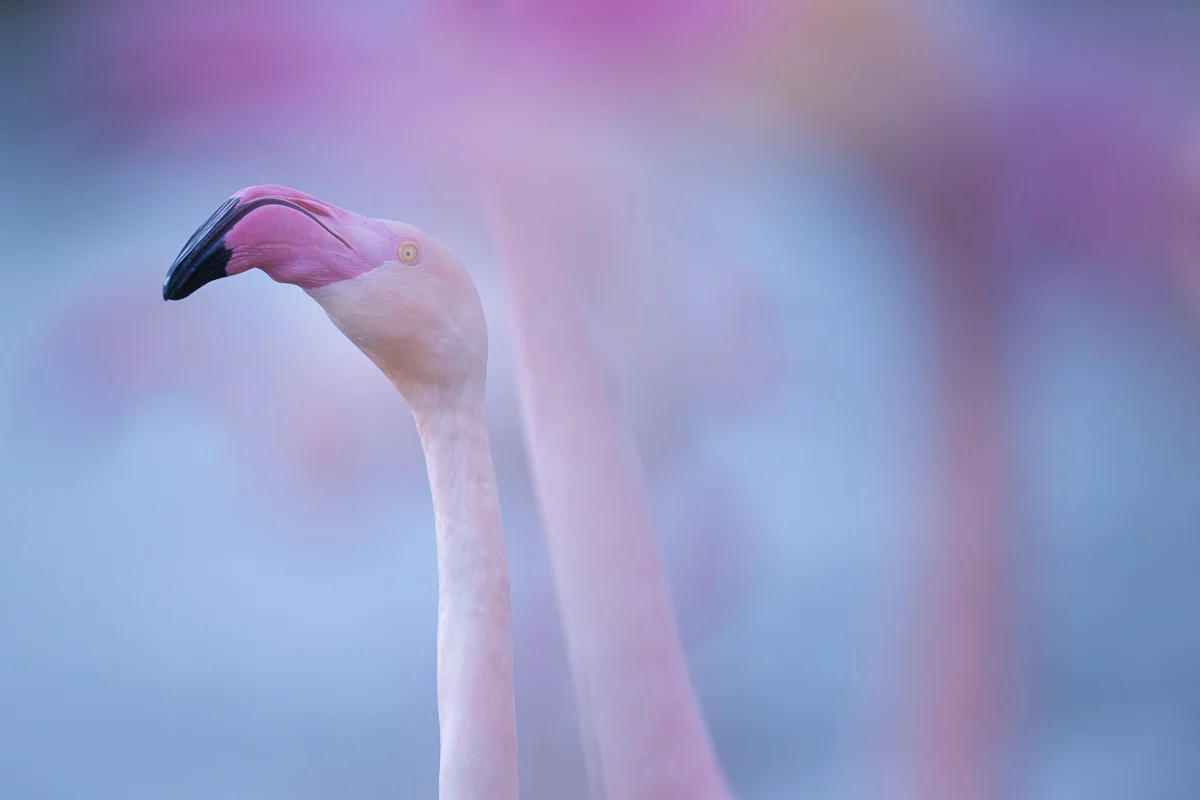
The nuanced application of foreground blur is emerging as a powerful, sophisticated technique in contemporary wildlife photography, allowing artists to transcend mere documentation and imbue their images with profound emotional depth and evocative atmosphere. By strategically rendering elements out of focus in the foreground, photographers are guiding the viewer’s eye, crafting narratives, and transforming simple scenes into compelling visual statements that resonate far beyond the immediate subject. This artistic approach, while demanding precision and an intimate understanding of light and composition, represents a significant evolution in how the natural world is captured and presented, fostering a deeper connection between observer and subject.

The Art of Obscurity: Defining Foreground Blurs
At its core, foreground blur is a photographic technique where an object or element placed between the camera and the main subject is deliberately rendered out of focus. This soft, ethereal veil partially overlays the subject, yet crucially, it does not diminish its visual weight. Instead, these blurs enhance the image by introducing layers of depth, spatial context, mystery, and emotional complexity that sharpness alone often fails to convey. The technique leverages the principles of depth of field, often achieved through wide apertures (low f-numbers) and careful focal length selection, to create a selective focus that directs attention while enriching the overall scene.
The primary purpose of foreground blur is multi-faceted. It serves as a visual guide, subtly directing the viewer’s gaze along a carefully composed path within the frame. This ensures the main subject remains central to the visual journey, while the blurred elements offer contextual cues about the environment, mood, or even the unfolding narrative. Beyond its compositional utility, foreground blur imparts a distinctly painterly quality to photographs, evoking a sense of authenticity and artistic intent akin to a carefully layered canvas. This aesthetic choice distinguishes an image, elevating it from a snapshot to a meticulously crafted piece of art.

Evolution of Wildlife Photography: A Shift Towards Artistic Expression
For decades, wildlife photography predominantly adhered to a documentary ethos, prioritizing sharp focus, accurate representation, and scientific precision. The goal was often to capture clear, detailed images for identification, study, or conservation purposes. However, the field has witnessed a notable paradigm shift in recent years, with a growing emphasis on artistic expression and emotional storytelling. Photographers are increasingly seeking innovative ways to convey the essence of an animal and its habitat, moving beyond the purely factual to explore the poetic and the evocative.
This evolution is driven by several factors, including advancements in camera technology that offer greater control over depth of field, improved low-light performance, and the pervasive influence of social media platforms where unique and aesthetically pleasing images gain significant traction. As the market for wildlife imagery becomes more saturated, photographers are exploring techniques like foreground blur to differentiate their work and create images that evoke a stronger emotional response. This artistic pivot aligns with broader trends in visual arts, where subjective interpretation and atmospheric qualities are highly valued.

Crafting the Canvas: Natural Elements as Photographic Tools
The versatility of foreground blur lies in its adaptability to various environmental elements. Photographers are encouraged to experiment with whatever is naturally available to them, transforming ordinary surroundings into integral components of the final image. Common elements include plant-based materials such as branches, leaves, flowers, or grasses, which can create delicate, organic blurs. Water, snow, geological features, or even other animals can also be employed to produce stunning effects, either highlighting the subject or subtly obscuring distracting background elements.
An illustrative example is the photograph of vultures captured at a feeding site in the Pyrenees. Here, the only available "foreground element" was a cluster of the birds themselves. By positioning the camera to shoot through a partial obstruction of other vultures, the photographer created a unique, layered composition. Similarly, the image of a Pyrenean capercaillie within its forest lek utilized local shrubs and underbrush as a natural filter. This vegetative layer not only softened the composition but added profound depth and an intimate atmosphere, subtly framing the bird without overwhelming it. The scene was further enhanced by the low, crepuscular light of early morning, transforming the photograph into a narrative piece, reflecting the fleeting nature of such encounters.

The interplay of light and shadow also serves as a potent, natural blurring agent. A carefully adjusted exposure and a warm white balance can enrich the atmosphere, creating a tactile quality within the image. The contrast between illuminated and shaded areas subtly sculpts the subject, guiding the viewer’s eye toward the focal point with clarity and depth. Such photographs often lean towards minimalism, yet effectively convey a sense of the surrounding environment, hinting at the subject’s relationship with its habitat and the specific moment of capture. This subtle layering of visual cues allows for an immersive experience, inviting viewers to intuit more than what is explicitly presented.
The Photographer’s Ethos: Patience, Control, and Ethical Practice
Successfully implementing foreground blurs in wildlife photography often hinges on the photographer’s ability to navigate and sometimes influence the shooting environment, all while adhering to stringent ethical guidelines. In situations involving less skittish species or when operating from a carefully constructed hide, photographers may have a degree of control, allowing them to shape the scene according to their artistic vision. This might involve strategic placement of natural elements or meticulous planning of the shot.

However, a significant portion of wildlife photography, particularly with elusive or sensitive species, demands a more reactive approach. In these scenarios, direct control over the environment or subject is minimal. The paramount ethical consideration is to avoid disturbing the animal, meaning intervention is often out of the question. Here, the photographer’s best strategy is unwavering patience, waiting for the perfect alignment of subject, light, and natural foreground elements. This "art of waiting" becomes an integral part of the creative process, fostering a unique and often serendipitous interaction with the wild.
This approach, characterized by what some term "photographic hunts," thrives on minimal preconceived ideas and a deep appreciation for spontaneous interaction. It cultivates a certain tolerance for failure, as many attempts may not yield the desired artistic result. Yet, it often brings significant rewards, capturing moments that are authentic, unforced, and deeply tied to the observation of wildlife itself. For many dedicated wildlife photographers, this element of unscripted discovery is what provides much of the appeal, connecting them profoundly to the natural world they seek to portray.

Genre and Dynamics: When Blurs Best Serve the Narrative
The application of foreground blur is not universally suitable across all sub-genres of wildlife photography. It finds its most harmonious expression in portrait photography, where the objective is to capture the essence and mood of an individual animal. The ethereal softness created by foreground elements often aligns perfectly with the intended meaning of such images, conveying intimacy, vulnerability, or a sense of quiet contemplation. This technique excels in situations where the subject is relatively static or moving slowly, allowing the photographer the time to carefully compose the shot and manage the interplay of focus and blur.
Conversely, in highly dynamic scenes such as birds in flight, mammals in pursuit, or rapid action sequences, the speed at which events unfold significantly limits the opportunities for deliberate compositional intervention. The fleeting nature of these moments often renders the precise placement and management of foreground blurs nearly impossible. In such contexts, maintaining sharp focus on the rapidly moving subject typically takes precedence, as the primary goal is to freeze the action and convey motion with clarity. While creative blurs can be achieved through techniques like panning or slow shutter speeds in dynamic settings, these are distinct from the intentional foreground blur discussed here.

Mastering the Veil: Varieties and Applications of Foreground Blurs
Within the broad category of foreground blurs, photographers employ several distinct approaches to achieve varied artistic effects. The placement of the blurring object relative to the camera and subject is a key determinant. Positioning an object closer to the lens generally increases its abstraction, creating a more impressionistic veil. Conversely, placing it closer to the subject maintains more of its form and can highlight its textural qualities, especially if the element adds valuable contextual content to the photograph.
Another distinction lies in the extent of the blur’s coverage. Photographers can create soft "veils" that subtly wash over the entire image, imparting an overall dreamy quality. Alternatively, blur can be used to partially cover specific parts of the animal, often meticulously preserving the subject’s gaze to maintain an emotional connection with the viewer. Two common compositional strategies are "look-throughs" and "look-overs." A "look-through" involves carefully composing the shot through a small opening within the foreground elements, framing the subject with soft edges. When a clear opening isn’t feasible, a "look-over" technique is employed, where the bottom of the frame is intentionally filled with a blurred foreground, anchoring the subject within its environment.

Technically, achieving these effects often requires a departure from automatic settings. When working with foreground blurs, particularly intricate ones, photographers must be prepared to switch to manual focus. Autofocus systems can struggle to correctly identify the main subject when significant elements are deliberately out of focus in the foreground. While embracing a more artistic look might mean accepting a slight reduction in absolute sharpness or fine detail, this trade-off is often justified by the enhanced mood and narrative power of the resulting image.
Expert Perspectives and Industry Recognition
The rising prominence of foreground blurs reflects a broader movement within wildlife photography to explore greater artistic freedom. Leading photographers and critics frequently commend the technique for its ability to transform images from mere records into deeply emotive visual experiences. Many established wildlife photography competitions and publications are increasingly recognizing and rewarding entries that skillfully utilize such creative compositional elements, signaling a shift in aesthetic appreciation. Experts suggest that by introducing a layer of abstraction, foreground blurs compel viewers to engage more deeply, encouraging them to interpret and feel, rather than just passively observe. This push towards evocative imagery helps to connect a wider audience to conservation messages, as emotional resonance often precedes intellectual understanding. The technique is seen as a vital tool for photographers striving to create a distinctive style and leave a lasting impression in an increasingly crowded visual landscape.

Implications and Future Trends: Beyond the Sharp Focus
The widespread adoption and refinement of foreground blur techniques have significant implications for the future of wildlife photography. It encourages a shift in mindset, prompting photographers to view their environment not just as a backdrop, but as an active participant in their visual storytelling. This fosters greater creativity and a deeper observational skill, as photographers must constantly assess their surroundings for potential blurring elements.
Furthermore, this technique contributes to a richer and more diverse photographic output. By challenging the traditional emphasis on absolute sharpness, it opens doors for new interpretations and artistic expressions, moving beyond conventional portrayals of wildlife. For aspiring photographers, it offers a powerful lesson in composition and the nuanced control of depth of field, pushing them to think beyond technical perfection toward emotional impact. The debate between "tack sharp" images and more artistic, atmospheric renditions continues, but the growing acceptance of foreground blurs indicates a healthy evolution where both approaches are valued for their distinct contributions to the genre. This artistic freedom ultimately benefits the viewer, offering a wider spectrum of visual narratives that celebrate the beauty and mystery of the natural world.

Concluding Remarks
Foreground blurs stand as a testament to the boundless creativity inherent in photography. Its broad applicability means it can be employed in a vast array of situations, provided the photographer can exert some degree of control over their position or that of their subject. This technique is particularly empowering for those who find inspiration in improvisation and working within familiar surroundings, offering a fresh perspective on "recurring" or well-known species.
Ultimately, creativity often blossoms through experimentation and iterative learning. Foreground blurs provide an excellent avenue for this, allowing for serendipitous discoveries and deliberate artistic choices alike. The technique is also remarkably compatible with other creative photographic methods, including intentional over- or underexposure, manipulating shutter speed for movement, backlighting, double exposures, and abstraction, offering an expansive toolkit for visual artists. As evidenced by its adoption by masters and influential visionaries in the field, foreground blur is more than a fleeting trend; it is a timeless artistic device that profoundly enriches the narrative potential of wildlife photography. It is a technique that truly encourages exploration and innovation, inviting every photographer to give it a try and discover its transformative power.
