
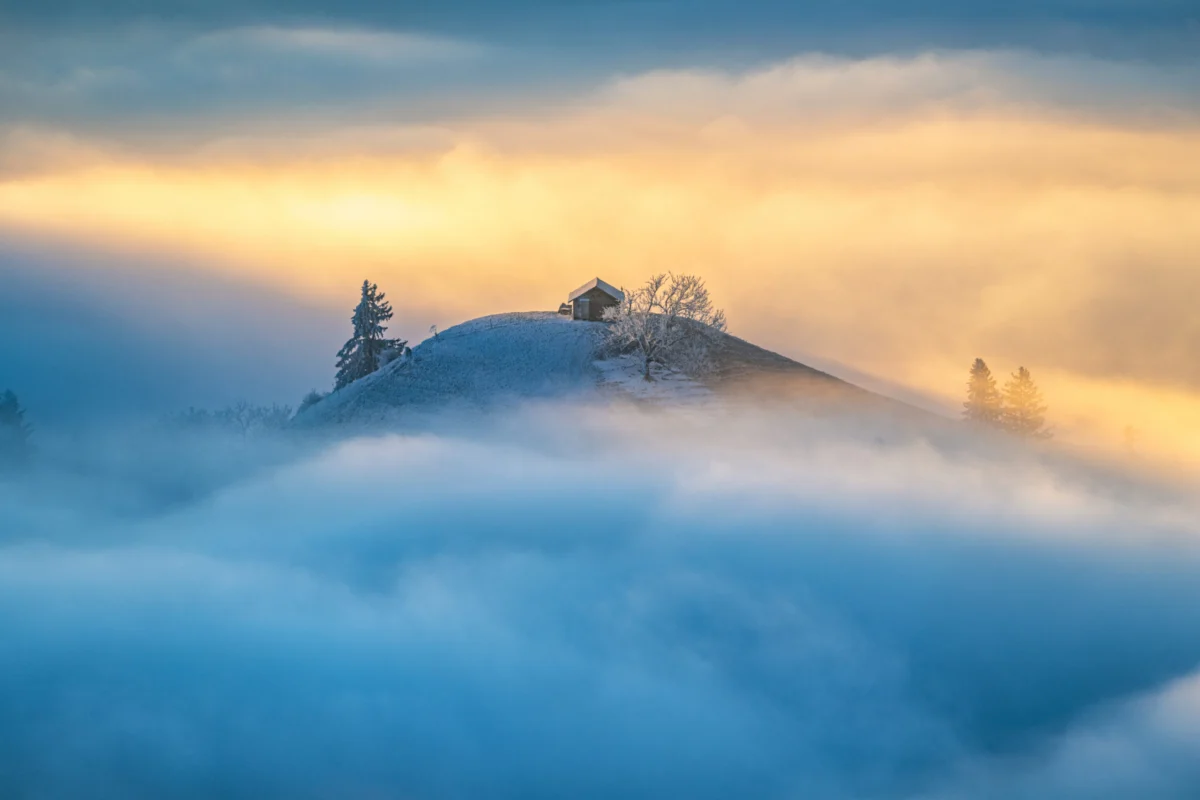
Since embarking on the photographic journey in 2019, a notable transformation has occurred in the approach to landscape photography. This evolution, deeply rooted in experience and a heightened perception of nature, extends far beyond initial technical mastery and logistical preparation, encompassing a profound shift in how natural environments are observed and captured. The journey highlights a departure from conventional photographic tenets, embracing the full spectrum of nature’s offerings.

The Transformative Journey: From Conventionality to Comprehensive Appreciation
The initial foray into landscape photography, beginning in 2019, was largely dictated by the allure of the "golden hour." This period, shortly after sunrise or before sunset, is widely celebrated for its soft, warm light that imbues skies and mountain peaks with a rich, ethereal glow, often accentuated by the presence of clouds. This photographic dogma, prioritizing dramatic light, initially shaped every outing, with the primary objective being to capture the iconic hues of dawn or dusk. The "golden hour" phenomenon is a well-documented optical effect, occurring when the sun is low on the horizon, causing its rays to pass through more of the Earth’s atmosphere. This scatters blue light, allowing red, orange, and yellow wavelengths to dominate, creating visually stunning conditions that are highly sought after by photographers globally. Its appeal lies in its ability to soften shadows, reduce harsh contrasts, and saturate colors, making it an ideal time for many forms of outdoor photography.

However, as photographic experience deepened and technical proficiency improved – including detailed map study and meticulous gear preparation – a more fundamental shift began to unfold. Over time, the strict adherence to "golden hour" photography loosened. Expeditions started to extend beyond these narrow windows, or even intentionally target times of day traditionally deemed less ideal for photography. This gradual change in practice fostered a broader appreciation for nature in its entirety, recognizing that its capacity to evoke emotion was not confined to specific lighting conditions. This evolution reflects a common trajectory among seasoned artists who move beyond strict technical guidelines to develop a more intuitive and personal connection with their subject matter.
A pivotal moment in this transformation occurred in 2021 during an expedition to central Switzerland. After an arduous three-hour hike, laden with approximately 20 kilograms of photographic equipment, the destination was reached in a state of exhaustion. Despite the harsh midday light, several hours removed from sunset, the vista was breathtaking. Dynamic clouds raced across the sky, alternately obscuring and revealing the majestic mountain, creating an intricate dance of light and shadow. This unexpected spectacle, far from the "golden hour," ignited an immediate surge of creative energy and emotional connection. The experience underscored a critical realization: nature’s inspiration is boundless, independent of prescribed optimal conditions. This event marked a turning point, solidifying the belief that profound photographic moments can emerge from any given instant, provided one is open to perceiving them.

Mastering Visual Storytelling: Compositional Foundations
A fundamental tenet in landscape photography is composition, which, in this evolving approach, is directly inspired by the natural elements encountered in the field. Rather than imposing preconceived compositional rules, the emphasis shifted to discerning and utilizing nature’s inherent arrangements to guide the viewer’s eye and enhance the narrative. This philosophy aligns with advanced compositional theories that advocate for an organic interaction with the environment, allowing the landscape itself to dictate the most compelling visual structure.

Often, the eye is drawn to natural leading lines – elements that naturally direct the viewer’s gaze towards the primary subject. These can manifest in diverse forms: a winding stream or river carving a path towards a distant mountain, the intricate network of tree branches, the purposeful arrangement of wildflowers on the ground, or distinctively shaped rock formations. These natural conduits serve to draw the viewer into the scene, creating a sense of depth and journey. Research in visual perception indicates that leading lines are highly effective in directing attention and creating a dynamic flow within an image, enhancing engagement and comprehension.
Furthermore, natural frames and compelling foregrounds frequently capture attention. These elements serve as entry points for the viewer, guiding them into the depth of the scene and towards the main focal point. While flowers are a common and often effective choice for foregrounds, particularly prevalent in social media photography, a nuanced perspective is crucial. The concern arises when foreground elements, such as vibrant blooms, overpower the main subject, thereby diluting the overall impact of the image. The goal is a harmonious balance where the foreground complements and enhances, rather than competes with, the primary subject.

Beyond flowers, the natural world offers an expansive palette of compositional tools. These include the unique textures and patterns etched into the ground by snowfall, delicate ice formations sculpted by low temperatures, ethereal air bubbles trapped within a frozen lake, the sculptural form of an unusually shaped tree trunk framing a distant peak, the cavernous entrance of a cave, rocks with striking colors or intriguing geometries, and the varied branches and foliage of diverse plant life. Each of these elements, when carefully observed and integrated, can transform a simple landscape into a captivating visual story, demonstrating the boundless opportunities for creative composition available to the discerning photographer.
The Art of Light and Shade: Harnessing Contrasts

Light, often considered the soul of photography, holds immense importance, extending far beyond the temporal constraints of sunrise or sunset. The core objective remains to capture and convey the emotion that a scene evokes, irrespective of the time of day. This philosophy champions the idea that powerful photographs can be crafted during any moment, as long as the light, in its various manifestations, contributes to the scene’s emotional resonance.
Dramatic light and shadow play, for instance, can be profoundly impactful. The sudden clearing of thick fog, allowing shafts of light to penetrate a dense forest, or a solitary beam of sunlight illuminating a mountain face against a shadowed backdrop, are spectacles of unique beauty. These instances create potent contrasts that accentuate the subject, imbuing it with a heightened sense of drama and presence. The interplay of light and shadow is a fundamental principle in visual arts, used to define form, create depth, and evoke specific moods. For the photographer, mastering this contrast means understanding how light sculpts the landscape, revealing textures and contours that might otherwise remain unseen.

Beyond luminance, chromatic contrasts also play a vital role. Complementary colors, which sit opposite each other on the color wheel (e.g., blue and orange, red and green), are particularly favored for their ability to create visual tension and vibrancy, making subjects pop within the frame. This technique is rooted in color theory, where complementary colors, when placed side by side, appear more vivid and intense. However, the subtle interplay of analogous colors – those adjacent on the color wheel, sharing a common hue (e.g., blues and greens, reds and oranges) – also offers rich photographic possibilities. Their varying shades and tones can create a sense of harmony, depth, and nuanced emotional expression.
A deep appreciation for contrasts, both tonal and chromatic, defines the photographic style and informs the post-processing approach. The constant pursuit of these contrasts is instrumental in imparting greater depth and dimension to a scene. It allows the photographer to sculpt the visual narrative, guiding the viewer’s eye and enhancing the emotional impact, thereby characterizing a distinctive aesthetic in the final images. This emphasis on contrast is not merely technical; it is an artistic choice that underpins the visual language used to communicate the raw emotion of the landscape.

Expanding Horizons: Perspectives and Intimate Details
In recent years, the appreciation for diverse perspectives and the nuanced beauty of details within a landscape has grown significantly. This evolution has led to a more frequent deployment of telephoto lenses and drones, tools that unlock entirely new ways of seeing and interpreting the natural world. This trend reflects a broader movement in contemporary photography, where technological advancements provide artists with expanded creative capabilities, allowing them to transcend traditional viewpoints.

The core belief is that photography must evoke genuine emotion, effectively conveying the photographer’s experience in that specific moment. A shift in perspective can dramatically facilitate this objective. A landscape viewed from an aerial perspective, for instance, offers a radically different interpretation than one observed from the ground. Drones, now more accessible than ever, reveal patterns, textures, light, and shadow play that are invisible from a human vantage point, completely altering the viewer’s psychological and emotional engagement with the scene. Aerial photography provides an abstract quality, transforming familiar landscapes into intricate tapestries of form and color.
Similarly, a distant detail, which might be lost or become an indistinct element within a wide-angle composition, can be fully appreciated and emphasized through the use of a telephoto lens. Telephoto lenses allow for the isolation of specific features, compressing perspective and bringing distant elements into sharp focus. This capability enables the photographer to craft intimate landscapes or highlight subtle patterns and textures that contribute to the broader narrative but require specific magnification to be truly seen. This focus on details ensures that even the most expansive landscapes can be explored with an eye for the minute, revealing hidden wonders and adding layers of complexity to the visual storytelling.

Implications for Nature Photography and Conservation
The philosophy underpinning this photographic evolution posits that landscapes are never merely static postcards; each image is a narrative, imbued with atmosphere and emotion, meticulously crafted through the interplay of light, colors, and depth. The constant pursuit of coherent composition, enhancing both expansive vistas and the most intimate details, is central to this artistic endeavor. This approach resonates with environmental conservation efforts, as a deeper, more emotional connection fostered through evocative imagery can inspire greater appreciation and protection of natural spaces.

In this context, post-processing is viewed as a refined art, an instrument to empower the image without compromising reality. It must be measured, never invasive, serving to amplify the scene’s inherent power rather than distorting it. This ethical stance on image manipulation is a significant topic within nature photography circles, with many advocating for authenticity to maintain credibility and respect for the natural world. The goal is to enhance, not fabricate, preserving the integrity of the captured moment.
The process often demands more than just technical skill; it requires contemplation and patience. Sometimes, a careful observation and an open mind are sufficient to unlock nature’s secrets. At other times, hours of waiting may be necessary, anticipating that fleeting moment – perhaps a solitary ray of light – that transforms the entire atmosphere. This meditative aspect of nature photography underscores a fundamental respect for the environment, urging photographers to become observers rather than merely capturers.

At the core of this entire approach lies an unwavering respect and contemplation of nature. These are not merely guidelines but foundational principles. This philosophy aligns with the broader goals of environmental advocacy, where fostering a deep, empathetic connection to nature through art can serve as a powerful catalyst for conservation. Organizations like the International League of Conservation Photographers often emphasize the role of compelling imagery in raising awareness and inspiring action to protect biodiversity and natural habitats.
Conclusion: The Enduring Inspiration of Nature

In conclusion, the journey underscores the paramount importance of allowing nature to be the primary muse, rather than succumbing to the temptation of replicating popular aesthetics or adhering rigidly to external concepts. Every day, every moment, and every location possesses its own unique narrative and emotional potential, waiting to be discovered by an observant and open mind. This liberation from conventional constraints allows for an authentic and deeply personal expression of the natural world.
This evolving photographic vision serves as a powerful reminder that true artistry in landscape photography stems from a symbiotic relationship with nature. It champions patience, respect, and an unburdened spirit of observation, inviting both the photographer and the viewer to look beyond the obvious and discover the profound beauty in every facet of the natural world. By prioritizing emotional connection and authentic representation, the practice transcends mere image-making, becoming a testament to the enduring, boundless inspiration that nature continually offers.
