
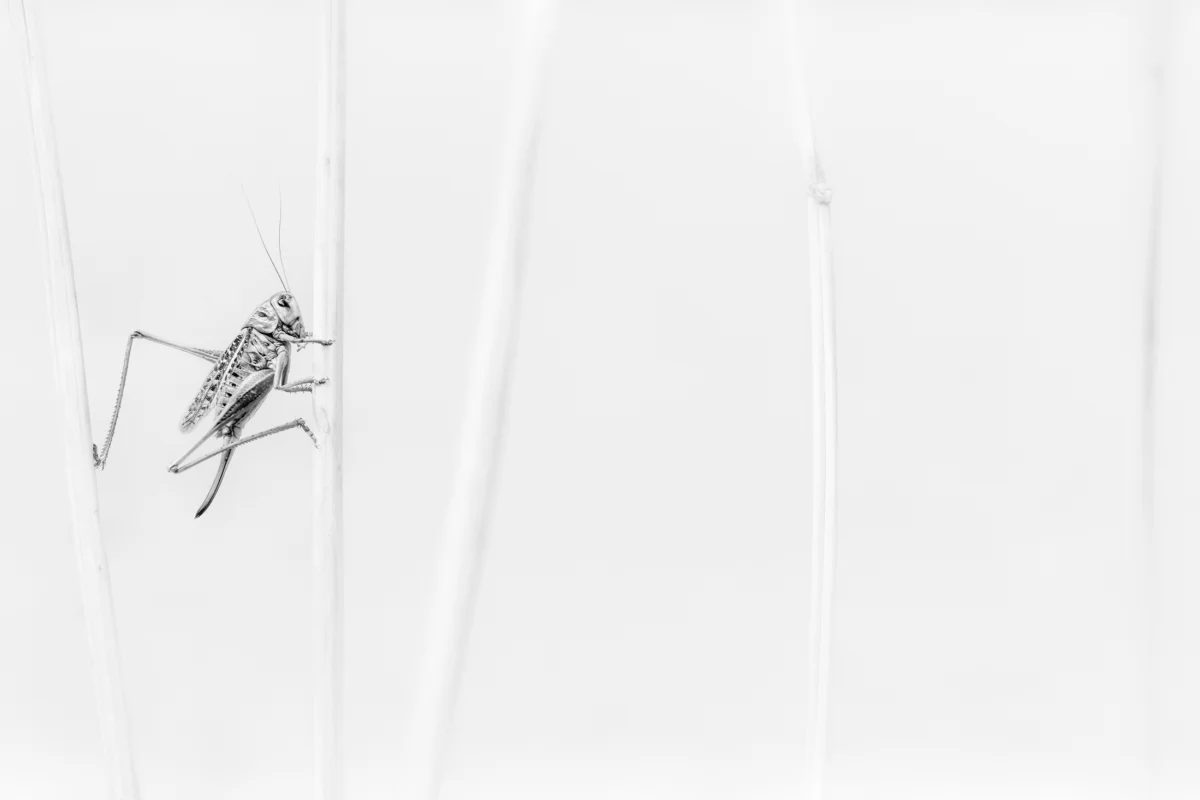
Elisa Confortini’s journey into the intricate world of nature photography began with a profound fascination for macro subjects, particularly arthropods. This specialized focus allowed her to cultivate a deep passion, finding readily available subjects even in her immediate surroundings. The act of observing these miniature creatures up close proved consistently captivating and instructive, revealing behaviors and characteristics that often elude the casual observer. Each year, Confortini embarks on a quest to rediscover favorite species or unearth new ones, employing long-term observation to document nuanced behaviors that might otherwise go unnoticed. Her photographic objective extends beyond mere documentation; she strives to portray these subjects in diverse ways, aiming to convey their unique traits and habits in a manner that deeply engages and captivates the viewer, inviting them into a world often overlooked.

Arthropods, a phylum encompassing insects, arachnids, and crustaceans, represent the most diverse group of animals on Earth, with an estimated 80% of all known animal species belonging to this category. Their sheer numerical dominance and ecological significance are staggering, playing critical roles in ecosystems as pollinators, decomposers, predators, and prey. Despite their omnipresence and vital functions, the human relationship with insects and other arthropods remains a complex tapestry woven with threads of admiration, disdain, veneration, and fear. From ancient Egyptian scarabs symbolizing rebirth to modern agricultural pests, these creatures have consistently inspired art, literature, and folklore across cultures. Their intricate forms, varied life cycles, and sometimes startling appearances continue to ignite the imaginations of artists worldwide, serving as an inexhaustible source of wonder and reflection on our place within the natural world. Confortini’s work positions itself within this rich tradition, offering a fresh perspective on these often-misunderstood inhabitants of our planet.
In an era saturated with vibrant digital imagery, where technological advancements empower individuals to manipulate and enhance colors with unprecedented ease, black and white photography stands as a powerful, timeless, and enduring medium. Its continued prominence in the digital age is not a nostalgic relic but a deliberate aesthetic and stylistic choice—a potent means to express and convey emotion, narrative, and form. While the world teems with bright hues, often artificially amplified, monochrome photography cuts through the visual noise, offering a different kind of engagement with reality.

The deliberate choice to work in black and white, especially in a field like nature macro photography that often celebrates the vivid coloration of its subjects, is underpinned by several compelling artistic and practical rationales:
- Undivided Focus: Color, by its very nature, can be a dominant visual element, potentially distracting from the primary subject. By removing color, the viewer’s attention is inherently drawn to the form, texture, and essence of the subject itself.
- Emphasis on Texture, Contrast, and Shape: The absence of color compels the eye to discern and appreciate the subtle intricacies of texture, the dramatic interplay of light and shadow, and the fundamental geometric or organic shapes that define the subject. This often reveals emotions and details that might be masked or overlooked in a color image.
- Evoking Drama and Mystery: The tonal nuances inherent in black and white imagery possess an unparalleled ability to conjure feelings of drama, mystery, and timelessness. Shadows deepen, highlights gleam with greater intensity, and the overall mood can become more evocative and profound.
- Compositional Purity: Monochrome photography inherently encourages a heightened focus on foundational photographic elements such as composition, light, shadow, and contrast. These elements become the primary tools for constructing an effective and impactful image, forcing the photographer to consider structure and balance more deeply.
- Revealing True Essence: By stripping away the often-superficial allure of color, black and white photography challenges both the photographer and the viewer to look beyond the immediate visual appeal and discover the underlying character, form, and true essence of the subject.
- Enhanced Post-Processing Control: In the digital darkroom, converting an image to black and white offers significantly greater control over tonal range, contrast, and selective adjustments of light and shadow. These possibilities, particularly with modern digital tools, can achieve effects that would be impossible or far less effective in color, allowing for a more precise and artistic interpretation.
Ultimately, monochrome transforms the photographic process, enabling a distinct and profound mode of artistic expression.

Two Distinct Approaches to Monochrome Mastery
Photographers generally adopt one of two primary approaches when engaging with black and white imagery. The first is a more organic method: photographing scenes as usual, but maintaining a constant awareness of compositions and lighting conditions that might translate particularly well into monochrome. This involves an intuitive recognition of potential black and white conversions during the shooting phase, even if the primary capture is in color.
The second, more deliberate approach, involves making a conscious decision to work exclusively in black and white from the outset. In this scenario, configuring the camera’s settings to monochrome can be an invaluable training tool. This forces the photographer to "see" and "think" in terms of tones, contrasts, and light values rather than colors. This rigorous discipline cultivates a new visual sensitivity, significantly enhancing one’s ability to craft impactful monochrome images. For many, this is a profound re-education of the eye and mind.

The challenge of perceiving the world without color, reducing its vibrant spectrum to a continuous scale of grays, is considerable. This is especially true when photographing natural subjects like grasses, flowers, and the myriad of insects rich in diverse hues. However, for a dedicated photographer, understanding how specific colors translate into varying shades of gray is a crucial skill. This mental recalibration takes time and practice. Experimentation, such as deliberately photographing brightly colored subjects with the intent of converting them to black and white, serves as an excellent exercise to reveal the transformative power of monochrome.
Elisa Confortini, however, prefers to convert her images to black and white during the post-processing phase. This method offers several advantages, chief among them being more precise control over tonal nuances, intricate details, and the overall mood of the final image. Since monochrome is not her exclusive mode of expression, this approach also grants her the flexibility to calmly assess which images benefit most from their original color and which are profoundly enhanced by the dramatic starkness of black and white. Some photographs immediately resonate with a monochrome vision, while others require careful conversion and extensive post-processing work before their true effectiveness in grayscale becomes apparent. This methodical approach underscores the thoughtful deliberation behind each of her black and white compositions.

Revisiting Archives: A New Perspective
An often-overlooked yet incredibly rewarding practice for photographers is to revisit older images within their archives and experiment with converting them to black and white. This process can yield surprising results, revealing new dimensions, emotions, and narratives that were previously obscured by color. It’s a powerful exercise that can generate fresh ideas, inspire future photographic projects, and deepen one’s understanding of light, form, and composition.
However, critical discernment is paramount. Not every image is suitable for monochrome conversion. If color is an integral part of the story, conveying essential information, mood, or a specific characteristic that would be lost without it, then conversion to black and white would be detrimental. Conversely, when the atmosphere, graphic qualities, or abstract elements of an image are dominant, monochrome can elevate the final result, stripping away distractions and highlighting the core visual impact. Confortini emphasizes this critical evaluation, choosing black and white only when it genuinely enhances the narrative or aesthetic.

When Monochrome Becomes the Optimal Choice
For Elisa Confortini, the decision to employ monochrome in her macro photography is not arbitrary but strategic, deployed in specific situations where it serves to amplify the image’s message and artistic impact:
- Subject Isolation: Arthropod environments are often visually chaotic, teeming with competing elements. Black and white allows for the exclusive focus on the subject, reducing visual clutter and emphasizing the creature itself, even chromatically. This isolation helps to underscore its presence and details.
- Harnessing Harsh Light and Shadow: In conditions of strong, direct light, color images can often appear blown out or lose detail in shadows. Monochrome, however, thrives on such contrasts. It accentuates shadows and highlights, allowing for a more effective and dramatic use of negative space and chiaroscuro effects.
- Transforming Noise into Atmosphere: High-ISO images, particularly in low-light macro photography, frequently exhibit significant chromatic noise. While this can be distracting in color, monochrome can skillfully convert this noise into a textural element, adding a film-like grain that contributes to the image’s atmosphere rather than detracting from it.
- Correcting Color Casts: Environmental factors, such as the color of water in certain ponds or unusual lighting, can introduce undesirable color casts that are difficult to correct to a satisfactory degree in post-processing. In such instances, converting to black and white effectively neutralizes these issues, allowing the underlying composition and subject to shine.
- Enhancing Experimental Techniques: When employing creative techniques like double exposures or intentional camera movement (ICM), color can sometimes appear unnatural or overtly distracting from the intended abstract composition. Monochrome, by simplifying the visual information, can better convey the fluidity, movement, or layered narrative these techniques aim to achieve.
It might seem, at first glance, that monochrome is a convenient tool for salvaging technically imperfect images. However, Confortini’s experience reveals the opposite. She meticulously selects only a few images for black and white conversion—those that already possess inherent strength, graphic clarity, or a profound expressive potential that transcends mere color. This discerning approach ensures that monochrome serves as an enhancement, not a rescue mechanism.

Minimalism and Abstraction in the Microcosm
In the realm of macro photography, monochrome offers a unique pathway to exploring minimalism. By deliberately reducing clutter, complexity, and potential distractions, the photographer can concentrate on simple, powerful compositions. The enhancement of an arthropod’s silhouette against a stark background is perhaps the most intuitive application of black and white, but its creative possibilities extend far beyond this.
Exploring fundamental shapes to craft compelling compositions becomes particularly effective in monochrome. Geometric forms—circles, squares, triangles—lend an inherent sense of order and structure, while irregular, organic shapes introduce dynamic movement and unpredictable energy. Without the distraction of color, the subtle and dramatic differences in light and shadow become more pronounced, allowing contrast to emerge with striking clarity.

Composition, often the cornerstone of creative photography, takes on heightened importance. Even in the intimate confines of macro photography, the subject does not always need to dominate or fill the frame entirely. In close-up work, abstraction can become an incredibly potent tool. By focusing on a segment of the subject, or its interaction with a blurred background, the image transcends literal representation to evoke a feeling or an idea.
Limited depth of field, a common characteristic of macro photography, can be wielded with exceptional creativity in black and white. By isolating a single, critically sharp element, everything else dissolves into an elegant blur. This guides the viewer’s eye precisely where the photographer intends, offering unexpected perspectives and creating a sense of intimacy and isolation.

Grain, once a technical limitation of film, has been embraced as an artistic element, capable of evoking strong emotional responses. In black and white macro photography, grain can significantly enhance the atmosphere of an image, particularly when the environment and mood are prioritized over absolute detail. While grain can be a byproduct of underexposure or high ISO settings, Confortini prefers to maintain clean images during capture and then introduce grain judiciously during the editing process, experimenting carefully with its intensity to achieve the desired effect. This controlled application ensures that grain contributes meaningfully to the artistic vision rather than appearing as a technical flaw.
It is often suggested that black and white photography serves as a valuable learning tool, particularly for beginners seeking to understand light and composition. However, in the specialized field of macro photography, Confortini believes this choice typically emerges later in a photographer’s development, once a personal visual language has already begun to crystallize. For her, it evolved into a profound path worth exploring more deeply. She found that in certain situations, color could paradoxically limit creative interpretation, inadvertently distracting from the atmosphere, emotion, and the deeply personal sensations experienced during the act of photography.

While the natural world offers an explosion of colors, and we can undoubtedly create vibrant, highly detailed close-ups of insects, there is also an equally valid and powerful choice to express their beauty by evoking their environment, behavior, or character in a more interpretive, minimalist, or dramatic way. Ultimately, this represents a deeply personal creative choice—one that, through the lens of monochrome, can reveal a small yet immense universe: rich, unfamiliar, fascinating, and sometimes unsettling, viewed from an entirely different, thought-provoking perspective. Elisa Confortini’s work challenges viewers to look closer, beyond the superficial, and discover the profound artistry hidden in the microcosm, rendered in timeless shades of gray.
