
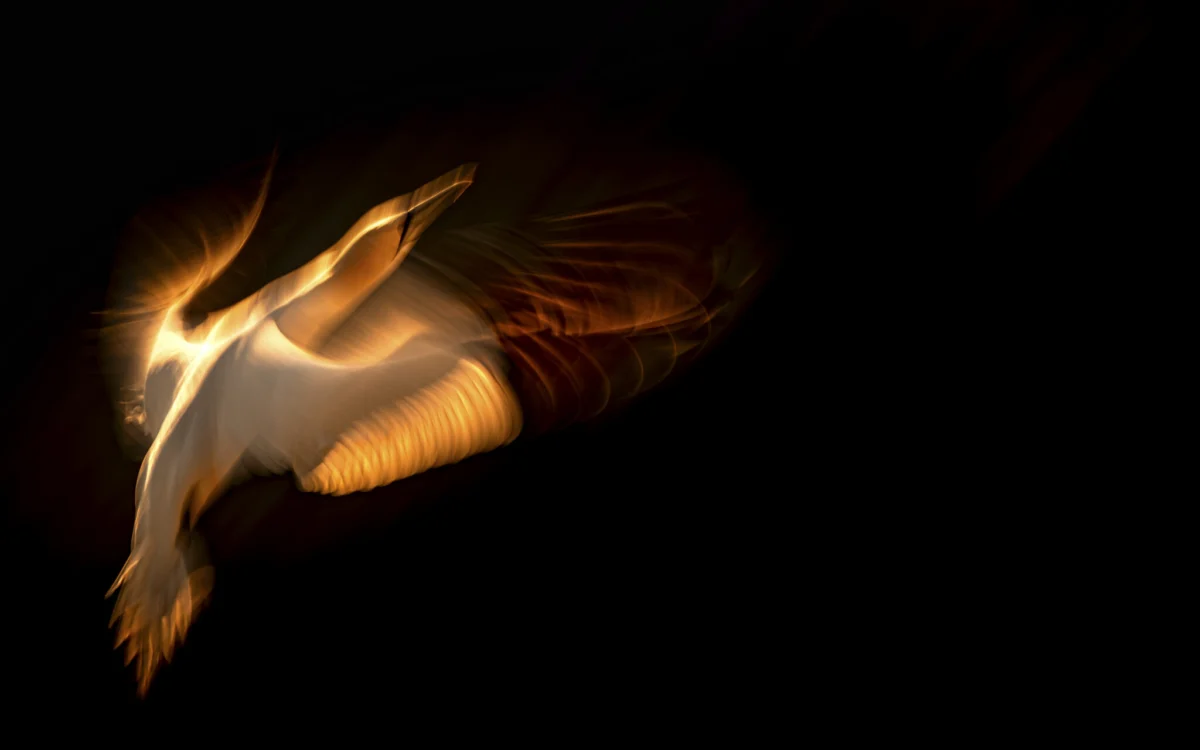
Wildlife photography has long been dominated by an obsession with technical perfection—razor-sharp focus, clinical lighting, and meticulously isolated subjects against sterile backgrounds. However, a growing movement within environmental visual arts is challenging this convention. Acclaimed wildlife photographer Rachel Bigsby is at the forefront of this shift, championing a philosophy she terms "natural artistry." Rather than treating nature as a static model to be captured, Bigsby’s work emphasizes patience, environmental integration, and emotional resonance over strict adherence to technical formulas. Her imagery of seabirds across remote outposts, from the Shetland Isles to New Zealand, offers a profound departure from traditional documentation, reframing wildlife photography as an act of intimate ecological witnessing.
The Evolution of an Ecological Vision

Bigsby’s journey into wildlife photography is deeply rooted in a lifelong immersion in the natural world, rather than a formal transition through commercial studios. Raised under the guidance of her late grandfather—a naturalist and fisherman who instilled a foundational reverence for observation—her connection to the outdoors was formalized at age six through the Scout Association. Weekend expeditions across rugged terrain transformed the landscape from mere scenery into a familiar ecosystem.
Photography entered her life incrementally, beginning with rudimentary experiments using an iPod camera to capture dew-covered flora and structural silhouettes. The definitive turning point occurred during her youth when she observed a Northern Fulmar gliding effortlessly along coastal cliffs. Recognizing the aerodynamic mastery and the bird’s evolutionary lineage shared with the albatross, Bigsby’s focus narrowed exclusively to seabirds.
Transitioning from casual observer to professional documentarian required substantial field dedication. Prior to achieving commercial recognition, Bigsby volunteered extensively on remote conservation outposts. Her duties included grueling physical labor—such as scrubbing composting facilities, scything bracken during peak summer heat, and maintaining weather-beaten infrastructure—in exchange for extended access to nesting colonies. This immersion allowed her to move beyond surface-level aesthetics and acquire a comprehensive understanding of avian biology, cyclical behaviors, and ecological pressures.

Challenging Conventions: Embracing Imperfection and Atmosphere
In contemporary wildlife photography, market pressures often dictate a rigid set of criteria: high shutter speeds to freeze motion, clear sightlines, and dramatic, golden-hour lighting. Bigsby, however, argues that such rigid parameters frequently yield competent yet forgettable imagery. Her pivotal artistic breakthrough came not from a technically flawless exposure, but from a deliberate embrace of imperfection.
During an assignment characterized by relentless rain, fog, and mist—conditions traditionally viewed by photographers as detrimental—Bigsby realized that her frustration stemmed from trying to impose human-centric standards of perfection onto the wild. For the seabirds inhabiting the island, the inclement weather was simply the baseline reality of survival.

By relinquishing the demand for cinematic sunlight, she began utilizing the dense fog as a natural canvas, inadvertently pioneering a high-key visual signature characterized by minimalist compositions and atmospheric restraint. This experience reshaped her technical approach:
- Slow shutter speeds are intentionally employed to introduce motion blur, conveying the dynamic energy of flight rather than a clinical suspension in time.
- Monochrome processing is selectively utilized to strip away chromatic distractions, directing the viewer’s attention toward structural form, light, and texture.
- Negative space is deliberately integrated into frames to evoke psychological states such as endurance, isolation, and resilience.
According to Bigsby, environmental context is not merely a background layer, but a primary character in the narrative. By portraying seabirds amidst battering winds, crashing seas, and stark cliff faces, her work captures the biological realities of species navigating an increasingly volatile marine climate.
Chronology of Fieldwork and Notable Expeditions

Bigsby’s portfolio spans critical seabird habitats globally, documenting vulnerable species across changing ecosystems. Key milestones in her ongoing documentation include:
- Early Childhood and Formative Years (Late 2000s): Initial engagement with the natural world through Scouting programs and localized observation in the United Kingdom.
- Discovery of Avian Subjects (Early 2010s): The observation of Northern Fulmars along domestic cliffs, prompting the acquisition of her first DSLR camera and subsequent transition to dedicated avian photography.
- Remote Island Residencies (Mid-to-Late 2010s): Years spent volunteering on ecologically sensitive reserves, conducting physical labor in exchange for prolonged field observation periods.
- Skomer Island Documentation (May 2021): Intensive fieldwork focusing on Atlantic puffins and razorbills, capturing intimate huddles and pair bonding rituals under variable North Atlantic weather patterns.
- Shetland Isles Expeditions (July 2022): Comprehensive documentation of Northern Gannets against guano-covered rock faces, utilizing high-contrast morning illumination to emphasize architectural textures within the colonies.
- Bempton Cliffs and Global Expansion (2025): Extended projects focusing on Northern Gannets navigating stormy North Sea swells, coupled with international expeditions to Macquarie Island and New Zealand to document King Penguins and Australasian Gannets.
Implications for Conservation and Visual Education
The methodology championed by Bigsby carries significant implications for modern conservation communication. Environmental psychologists and communication specialists note that traditional, highly polished wildlife imagery can inadvertently create a psychological disconnect between viewers and the natural world, often framing wildlife as distant spectacles rather than sentient beings experiencing real environmental pressures.

By favoring emotional authenticity over sterile perfection, works of natural artistry invite a different cognitive and emotional response from the public. Data from environmental engagement studies indicate that narrative-driven, context-rich imagery is substantially more effective at fostering empathy and motivating conservation support than standard field guides or encyclopedic documentation.
Furthermore, Bigsby’s emphasis on behavioral literacy—understanding the subtle postural cues, preening patterns, and social dynamics of colonies—underscores an ethical framework for wildlife photographers. Prioritizing prolonged presence and behavioral comprehension minimizes disturbance to sensitive nesting sites, contrasting sharply with high-pressure, rapid-capture tourism that can stress vulnerable avian populations.
Broader Impact and Future Outlook

As marine ecosystems face unprecedented challenges, including shifting fish stocks, avian influenza outbreaks, and climate-induced severe weather events, the role of visual journalism in documenting these changes has never been more critical. Seabirds serve as vital bioindicators of ocean health; fluctuations in their populations and breeding success directly reflect broader systemic shifts in marine environments.
Through her published works and public addresses, Bigsby advocates for a paradigm shift within the photographic community. By encouraging emerging creators to abandon rigid rulebooks in favor of honest, patient observation, she fosters a culture of visual storytelling rooted in scientific literacy and deep ecological respect. Her work stands as an urgent reminder that the primary responsibility of the wildlife photographer is not merely to extract a pleasing image from the wild, but to serve as a faithful, respectful witness to the intricate realities of the natural world.
