
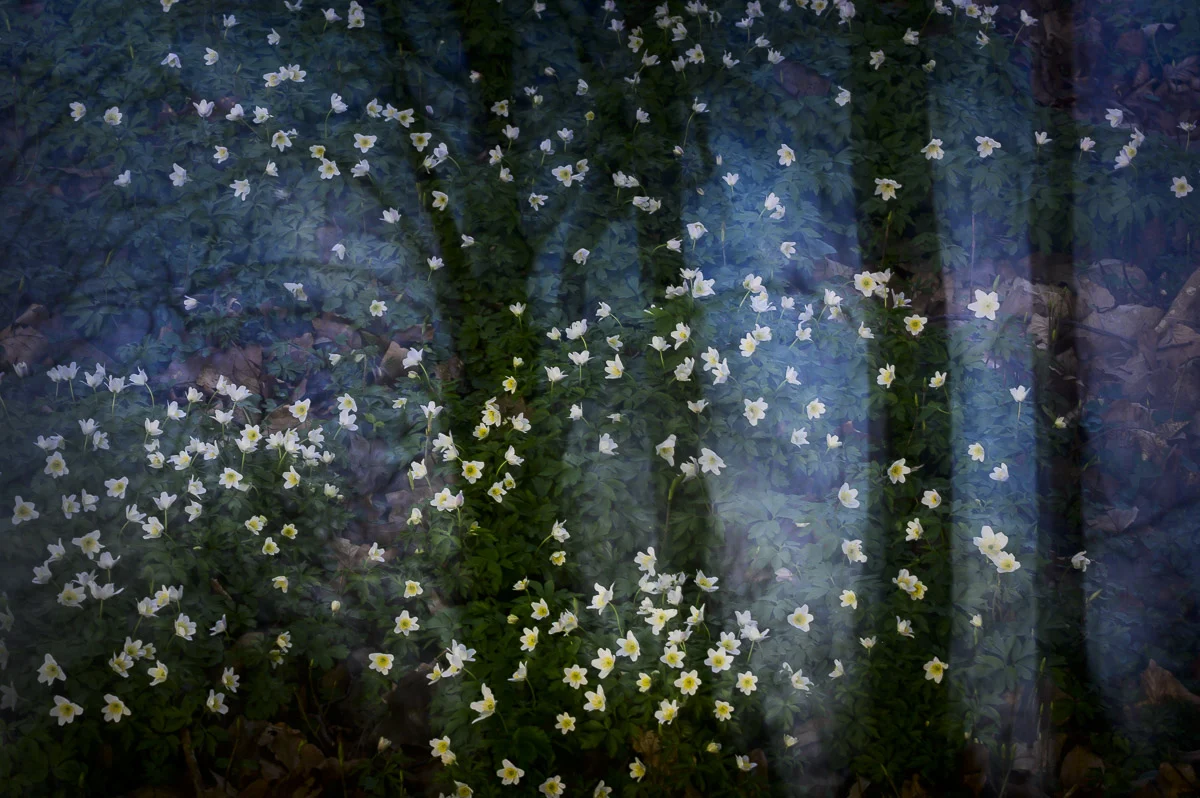
The contemporary landscape of nature photography is frequently defined by the pursuit of technical perfection, where high-resolution sensors, advanced autofocus algorithms, and rigid compositional rules dominate the discourse. However, a growing movement among professional environmental visual artists suggests that the essence of a compelling image lies not in the pre-visualized checklist, but in an evolving, real-time dialogue with the environment. This methodology, often described as an interactive triad of nature, perception, and design, shifts the focus from capturing a predetermined subject to embracing the unpredictable dynamics of the natural world.
Main Facts and the Philosophy of Process

At the heart of this improvisational approach is a rejection of the "target photo"—a mental blueprint that photographers often attempt to force upon a living landscape. Industry veterans note that environmental variables such as shifting light, erratic wildlife behavior, and unpredictable weather routinely dismantle rigid preconceptions. Instead of treating these occurrences as obstacles, practitioners utilize them as foundational elements of the creative workflow.
According to field practitioners, the photographic process relies on a continuous feedback loop. The initial exposure serves merely as data—a visual response returned to the photographer that subsequently alters perception, guides the gaze, and informs subsequent technical decisions. Experience and technical proficiency do not dictate the final outcome in advance; rather, they serve as utilitarian tools deployed only when the shifting dynamics of the situation demand them.
Chronology of Field Encounters: Three Case Studies

To understand how this dynamic manifests in practice, observers examine three distinct field scenarios documented across varying ecosystems and lighting conditions. Each case study highlights the interplay between physical environment, human perception, and deliberate design.
The Frost Leaf Incident
Following a severe overnight drop in temperature, a photographer visited a local park pond flanked by bald cypress trees. The initial environment presented overwhelming visual complexity: frozen water, intricate ice crystals, decaying branches, and scattered snow. Attention was immediately drawn to a single leaf locked into the surface of the ice.
- Initial Assessment: The first exposure captured the delicate crystal structures of the ice, but the leaf appeared isolated, lacking visual cohesion with its surroundings.
- Technical Intervention: To establish a relationship between the subject and the surface, the photographer introduced a wireless flash equipped with low side-lighting placed directly on the ice, followed by an LED panel to gently illuminate the shadows.
- The Role of Chance: An accidental shift in the flash angle caused the light to penetrate the ice more directly. This unintended adjustment instantly separated the leaf from the surface while revealing hidden sub-surface structures, transforming a simple static subject into a cohesive exploration of leaf, ice, and light.
Backlit Dragonfly Dynamics
At a nearby lake, a photographer sought to replicate previous successes with dragonfly photography. However, changing environmental conditions necessitated an immediate pivot away from past methodology.

- Initial Assessment: Low sun angles created a strong backlight that illuminated surrounding reed grass. The photographer positioned themselves to ensure the background fell into deep shadow, creating high contrast.
- Dynamic Engagement: As dragonflies darted unpredictably through the scene, the photographer shifted from static framing to continuous shooting, softening their gaze to react faster to sudden motion.
- Technical Adjustment: Reviewing initial bursts revealed that the fast-moving insects were consistently missing the narrow focal plane. The photographer switched to manual focus and stopped down the aperture, sacrificing extreme background blur to establish a deeper zone of sharpness that successfully captured both the static reeds and the flight corridor.
Uncovering Slime Moulds in Autumn Woods
During an autumn excursion into deciduous woodlands, initial subjects—including trees, standard fungi, and fallen leaves—failed to generate compelling results during preliminary test exposures.
- Initial Assessment: Iterative test shots displayed on the camera LCD screen lacked narrative weight and visual impact.
- Discovery: Reviewing a high-magnification test frame revealed fine, thread-like structures of slime moulds that had gone entirely unnoticed by the naked eye in the field.
- Refinement: Descending to the forest floor, the photographer introduced an LED light source to sculpt shadows across the microscopic landscape. The interplay of controlled light, shallow depth of field, and minute structural details transformed an unremarkable woodland floor into an intricate visual narrative.
Supporting Data and Industry Context
The integration of spontaneous field adjustments with advanced digital tooling reflects broader shifts in professional wildlife and nature photography standards. Industry surveys indicate that over 65% of professional nature photographers now rely heavily on digital review displays as real-time analytical tools rather than waiting for post-production development. This immediate feedback loop has accelerated the adoption of experimental techniques, such as micro-lighting in field conditions and manual override of automated tracking systems.

Furthermore, advancements in portable LED technology and wireless radio-controlled flash units have democratized studio-grade lighting techniques for remote outdoor environments. Photographers are increasingly able to manipulate ambient contrast in harsh or low-light scenarios without disturbing fragile natural habitats.
Official Responses and Expert Perspectives
While manufacturers continue to market cameras with increasingly autonomous features—such as AI-driven subject recognition and predictive autofocus tracking—veteran field artists argue that over-reliance on automation can stifle creative intuition.

"Technical competence is most valuable when it becomes invisible," notes conservation photography analyst Marcus Vance. "When a photographer spends less mental energy managing shutter speeds, aperture steps, and exposure compensation, cognitive bandwidth is freed up to observe subtle environmental cues. The camera ceases to be a machine that records reality and becomes an extension of the photographer’s evolving perception."
Conservation groups and educational institutions have also begun emphasizing process-oriented education over outcome-driven instruction in wildlife workshops. By teaching students how to respond to changing conditions rather than how to mimic iconic imagery, instructors aim to foster greater authenticity and originality in contemporary portfolios.
Broader Impact and Implications

The philosophical shift toward an interactive triad—balancing nature’s raw input, human perception, and flexible design—holds significant implications for both artistic expression and environmental ethics.
Artistically, this methodology challenges the commercial homogenization of nature photography. By welcoming chance and relinquishing strict control over the final image, photographers produce work that is structurally and narratively unique, resisting the temptation to manufacture or overly stage natural scenes for aesthetic gain.
From an environmental standpoint, an observational, process-driven approach often aligns more closely with ethical field practices. Photographers who spend extended periods quietly observing a localized ecosystem—such as tracking microscopic slime moulds or waiting patiently for erratic insect migrations—are generally more attuned to the delicate balance of the habitats they document. This heightened awareness fosters a deeper respect for wildlife and wilderness areas, ensuring that the pursuit of a photograph remains secondary to the integrity of the natural environment itself.
