
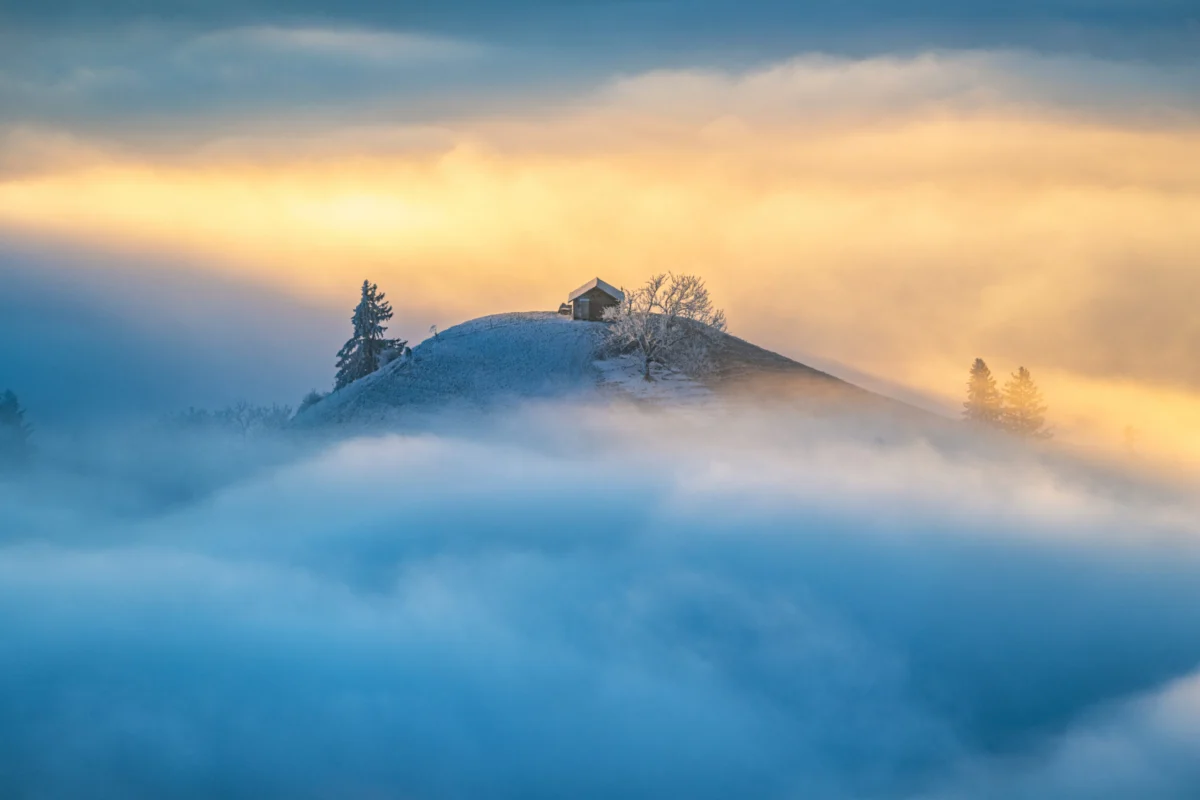
The evolution of contemporary landscape photography over the past decade reflects a significant paradigm shift among visual artists, moving away from rigid aesthetic formulas toward a more holistic interpretation of the natural world. Since 2019, practitioners within the genre have increasingly reevaluated traditional capture methods, transitioning from an exclusive reliance on transient light phenomena to a more comprehensive documentation of environmental dynamics. This transformation is reshaping not only field methodologies and technical preparation, but also the fundamental philosophical approach to capturing the earth’s topography.

Main Facts and the Evolution of Fieldcraft
Historically, commercial landscape photography has been heavily anchored to the "golden hour"—the brief windows immediately following sunrise and preceding sunset characterized by soft, warm illumination and dramatic atmospheric scattering. Industry surveys and platform trends from the late 2010s indicate that a vast majority of aspiring photographers structured their fieldwork entirely around these predictable diurnal peaks.

However, contemporary professional standards have begun to challenge this narrow window. Modern fieldcraft emphasizes deep spatial preparation, including advanced cartographic analysis, topographical mapping, and meteorological forecasting before deploying to unfamiliar locations. Photographers are increasingly recognizing that natural environments communicate distinct emotional resonances throughout the entire diurnal cycle. Whether capturing the harsh, direct overhead illumination of midday or the subtle gradations of overcast afternoons, current methodologies prioritize environmental authenticity over standardized aesthetic perfection.
Chronology of a Shift: The 2019–2026 Paradigm Shift

The transition away from strictly twilight-based photography can be traced through incremental shifts in professional portfolios and equipment utilization over recent years:
- 2019: The baseline era characterized by heavy reliance on wide-angle lenses, tripod stability during sunrise and sunset, and an emphasis on vivid color saturation typical of social media algorithms.
- 2021: A turning point marked by field practitioners undertaking arduous expeditions—such as grueling three-hour alpine hikes carrying upwards of 20 kilograms of specialized gear—into challenging environments like central Switzerland. Experiences during this period demonstrated that rapidly shifting meteorological patterns, such as fast-moving cloud formations obscuring and revealing alpine peaks at midday, yielded dynamic plays of light and shadow far superior to static golden hour compositions.
- 2023–2024: A widespread adoption of telephoto focal lengths and unmanned aerial vehicles (drones) to isolate distant topographical details and establish elevated perspectives, breaking away from conventional ground-level wide-angle tropes.
- 2025–2026: The current landscape characterized by restrained post-processing, an emphasis on narrative depth, and a philosophical return to contemplative observation and environmental respect.
Compositional Innovation and Technical Adaptation

At the core of contemporary landscape analysis is a rigorous approach to composition. Industry professionals frequently utilize natural leading lines—such as meandering riverbeds, fluvial systems, geological formations, or patterns of flora—to construct a visual pathway guiding the viewer’s eye toward a primary focal point.
Furthermore, the utilization of natural framing has evolved significantly. While foreground elements such as seasonal wildflower blooms remain popular in digital media, contemporary practitioners caution against heavy-handed framing that inadvertently overwhelms the primary subject. Modern compositional theory advocates for versatility, employing diverse foreground elements including low-temperature ice formations, glacial air bubbles, textured snow patterns, cavern thresholds, and unique botanical arrangements to establish spatial depth.

The strategic deployment of equipment has likewise diversified. Industry equipment data reveals a marked increase in the utilization of medium-to-long telephoto lenses (70-200mm and beyond) alongside aerial platforms. This hardware shift allows photographers to extract isolated landscape details that would otherwise be lost within expansive wide-angle frames. Aerial perspectives, in particular, introduce novel structural geometries, revealing shadow interplay, tonal variations, and topographical contours imperceptible from ground level.
The Role of Contrast in Visual Storytelling

Illumination and chromatic relationships remain fundamental pillars of advanced image construction. Rather than relying solely on the low-angle warmth of sunrise, contemporary photographers actively seek out dramatic chiaroscuro effects—such as sudden clearings in thick forest fog or sharp alpine sidelight cutting across valleys.
From a color theory perspective, professionals differentiate between two primary chromatic strategies:

- Complementary Color Contrasts: Utilizing opposite colors on the color wheel to create visual tension and separation between elements.
- Analogous Color Harmonies: Employing adjacent hues and subtle tonal gradations to evoke atmospheric mood and continuity.
The deliberate pursuit of these contrasts provides images with tangible three-dimensional depth, forming the distinct stylistic signature of modern post-processing workflows.
Post-Processing Ethics and Industry Standards

As digital darkroom capabilities have advanced, the discourse surrounding ethical post-processing has intensified within professional photography networks. Industry guidelines increasingly advocate for measured, non-invasive editing techniques. The consensus among leading practitioners is that digital manipulation should serve to amplify the inherent emotional resonance of a scene without distorting physical reality or misrepresenting the natural environment.
Over-saturation, heavy vignette application, and composite sky replacements are frequently scrutinized by environmental purists who champion documentary integrity. The prevailing standard emphasizes that post-processing must remain subordinate to the primary objective: faithful representation combined with emotive storytelling.

Broader Environmental Impact and Implications
The shifting philosophy within landscape photography carries broader implications for ecological awareness and conservation. By encouraging practitioners to slow down, observe patiently, and respect the natural rhythms of a location rather than rushing to secure a single viral sunset shot, the community fosters a deeper psychological connection with the outdoors.

Industry analysts note that this contemplative approach aligns closely with broader ecotourism and conservation messaging. When photographers view landscapes as complex, dynamic ecosystems rather than static backdrops for personal portfolios, their fieldwork tends to reflect greater environmental stewardship. Minimizing trail impact, practicing Leave No Trace principles, and advocating for the preservation of pristine alpine and wilderness areas are natural extensions of this mindful methodology.
Conclusion

Ultimately, contemporary landscape photography transcends the superficial appeal of the digital postcard. By embracing unpredictable weather, mastering complex lighting contrasts, exploring elevated aerial perspectives, and maintaining strict ethical boundaries in post-processing, modern visual artists continue to redefine the genre. The fundamental directive remains unchanged: quiet observation, rigorous technical preparation, and an unwavering respect for the natural world.
