
The tranquil waters of the Vjosa-Narta Protected Landscape, one of the last bastions of wild coastal beauty in the Mediterranean, have become the epicenter of a fierce national debate. In early May, the arrival of heavy machinery within this ecologically sensitive zone—a sanctuary for over 200 bird species and a critical waypoint for migratory wildlife—shattered the silence of the lagoon, sparking a confrontation that has escalated into a months-long standoff between environmental activists, local communities, and the Albanian government.
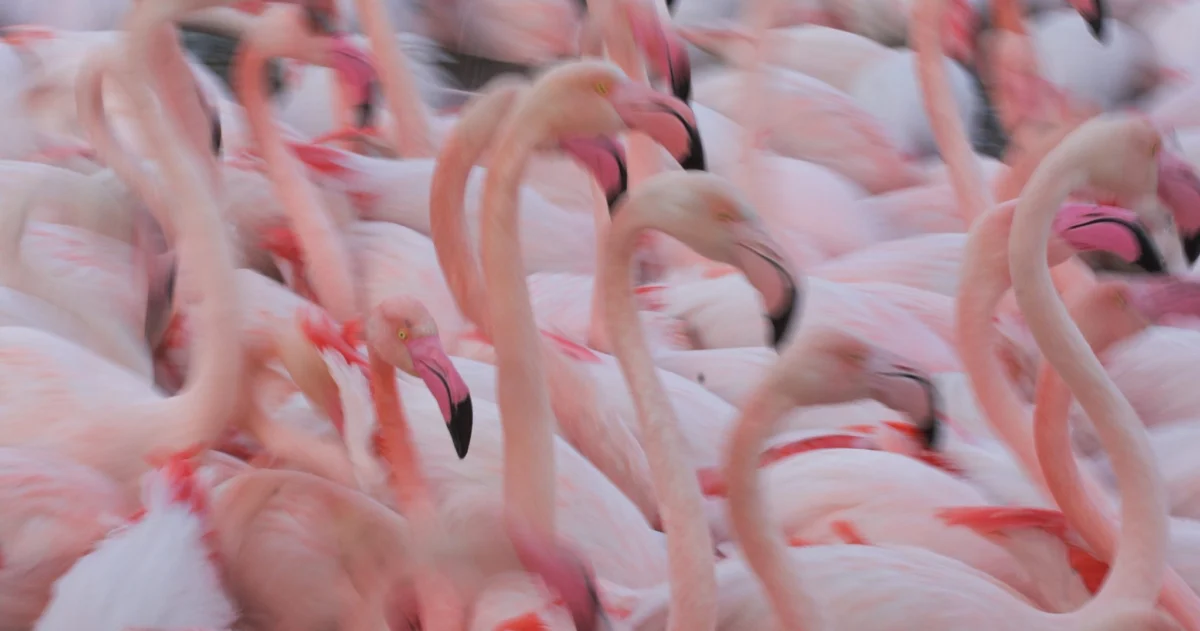
The Vjosa Delta is not merely a regional site; it is a critical ecological nexus. Serving as a primary stopover for birds traversing the African-Eurasian flyway, the area supports over 70 endangered species. Among its most iconic inhabitants are the Dalmatian pelican and the Greater Flamingo, both of which rely on the delicate salinity and oxygen levels of the Narta Lagoon to survive. When construction equipment began work on the channel connecting the lagoon to the Adriatic Sea, the immediate impact was not just physical—it was an assault on the lifeblood of an entire ecosystem.
A Timeline of Escalation
The controversy gained momentum rapidly throughout the spring and early summer of 2024. The government initially characterized the presence of heavy machinery as a "technical survey" intended to facilitate a subsequent environmental impact assessment. However, on-the-ground observations quickly contradicted this narrative.
By mid-May, the channel providing the essential tidal flow between the Narta Lagoon and the sea was completely obstructed. Without this flow, the lagoon’s delicate chemical balance began to fluctuate dangerously. Scientists monitoring the area warned that the blockage threatened to trigger an ecological collapse, as the food chain supporting nesting turtles and migratory birds was severed. For days, the site became a scene of chaotic activity: bulldozers operated within protected boundaries without the requisite environmental permits, tearing through wetlands, dunes, and forests—habitats categorized by the European Union as "priority" zones requiring urgent conservation.
The reaction from local residents was swift and confrontational. When community members attempted to halt the unauthorized construction, they were met with private security personnel and barbed wire fencing. Footage of these confrontations, shared widely on social media, galvanized public opinion across Albania. By the end of May, what began as a local protest had transformed into a nightly fixture in Tirana, as citizens gathered to demand transparency and the preservation of their natural heritage.
The Legislative Conflict: Tourism vs. Protection
The catalyst for this standoff is a controversial law passed in 2024 that significantly altered the status of Albania’s protected areas. The legislation effectively opened previously sacrosanct lands to luxury tourism developments and large-scale infrastructure projects. This policy shift has placed Albania on a direct collision course with European Union standards.
The European Union, which has been guiding Albania through the rigorous accession process, voiced immediate objections. For the EU, the repeal of this law is not merely a suggestion; it has become a formal benchmark for Albania’s progress toward membership. On June 17, the European Parliament issued a stern resolution, backing the protesters and calling for an immediate moratorium on all new permits and construction projects within protected areas until the legislative framework is brought into compliance with EU environmental directives.
The Vjosa-Narta case has become the primary litmus test for Albania’s commitment to the rule of law. It highlights a recurring tension in many accession countries: the struggle to reconcile the desire for rapid economic growth through tourism with the necessity of upholding international environmental obligations.
Data and Environmental Implications
The ecological cost of development in the Vjosa Delta is, by many accounts, irreversible. According to environmental impact reports from international NGOs, the destruction of wetlands and dunes results in a "loss of resilience" for the entire coastline. These features act as natural buffers against rising sea levels and erosion—a critical function as climate change threatens the Mediterranean basin.
"Restoration of these habitats is not a matter of simply replanting trees," noted a leading marine biologist familiar with the site. "Once the hydrology of a lagoon is disrupted and the soil composition of the dunes is disturbed by heavy machinery, it can take decades, if not centuries, for the original biodiversity to recover—if it recovers at all."
The site contains three specific habitat types prioritized under the EU Habitats Directive. By ignoring these protections, the current trajectory threatens to permanently degrade one of the last remaining natural coastlines in Europe, a region that experts argue should be the cornerstone of a sustainable, high-value tourism strategy rather than a site for mass-market resort development.
Official Responses and the Stance of the State
The Albanian government has remained largely steadfast in its defense of the project, though the rhetoric has shifted under pressure. Officials maintain that the nation’s economic future depends on infrastructure modernization and that tourism is the primary vehicle for elevating the national GDP. However, the government has struggled to reconcile this stance with its public commitment to the EU integration process.
The persistent nature of the protests—reaching the 100-day mark without a resolution—has forced a level of public scrutiny the government likely did not anticipate. While the channel to the Narta Lagoon was eventually reopened following intense international pressure, the underlying legal framework that allowed for the construction remains in effect. The government has yet to signal a willingness to repeal the 2024 law, leaving the legal standing of the project in a state of suspended animation.
Broader Impact: Defining the Future of a Nation
The Vjosa-Narta dispute has transcended environmentalism to become a defining moment for modern Albanian democracy. It forces a fundamental question upon the electorate and the administration: What kind of development model does Albania want to pursue?
One path involves the "old" Mediterranean model—a race to the bottom characterized by over-development, privatization of public coastlines, and the prioritization of short-term capital investment over long-term ecological stability. This model, adopted by several neighboring countries in the late 20th century, has often led to the eventual loss of the very scenery and biodiversity that attracted tourists in the first place.
The alternative path, advocated by the protesters and the European Parliament, is one of "green growth." This model treats the wild, protected status of areas like the Vjosa Delta as an economic asset—a unique selling point that distinguishes Albania in a crowded global tourism market. By choosing to protect these lands, Albania would not only meet its EU accession benchmarks but would also secure a sustainable future that avoids the pitfalls encountered by other regional players.
The Road Ahead
As the protest enters its second hundred days, the situation remains precarious. The flamingos and pelicans have returned to the lagoon for the season, but their long-term presence is tied to the political will of a government balancing international requirements against domestic investment interests.
The "technical survey" that started in May has now morphed into a broader, more profound national examination of governance, public participation, and the rule of law. If the Vjosa-Narta case proves anything, it is that the public’s appetite for environmental stewardship is rising. The residents of Tirana and the local communities near the coast have made it clear that they do not view the Vjosa Delta as a sacrifice zone.
Ultimately, the choice facing the Albanian government is one of legacy. Whether the Vjosa Delta remains a thriving, wild ecosystem or becomes a cautionary tale of development gone wrong depends entirely on the actions taken in the coming months. For now, the channel is open, the water flows, and the birds remain. But for how long remains the central, unresolved question of this administration. The world is watching to see if Albania will choose to align its development with its European aspirations, or if it will choose to turn its back on the very natural heritage that makes its future so promising.
