
For many backyard poultry enthusiasts, the onset of winter brings the dreaded chore of frequent coop cleanouts. Navigating icy paths to remove frozen, soiled bedding every few weeks is not only labor-intensive but can also disrupt the thermal stability of the coop. However, a traditional, scientifically supported approach known as the Deep Litter Method offers a practical alternative. By allowing organic bedding and poultry waste to accumulate and decompose in situ throughout the winter, owners can leverage natural biological processes to maintain coop warmth, enhance flock health through microbial activity, and produce nutrient-dense compost for spring gardening.

Historical Context and Evolution of the Method
The Deep Litter Method is not a modern invention but rather a return to time-tested agricultural practices that gained significant traction in the early to mid-20th century. During the 1940s, researchers such as D.C. Kennard and V.D. Chamberlin conducted rigorous experiments at the Ohio Agricultural Experiment Station, which provided the first empirical validation for what was then termed "built-up litter."

Before the advent of modern commercial disinfectants and industrial poultry housing, farmers relied on the natural, beneficial microbial ecosystem that thrives in a decomposing carbon-rich environment. This approach was widely adopted because it required fewer resources and minimized the disruption to the birds during the coldest months of the year. While the rise of industrial farming favored sterile, high-turnover environments, the resurgence of backyard poultry keeping in the 21st century has led to a renewed academic and practical interest in these low-impact, sustainable systems.

The Biological Mechanism: How It Works
At its core, the Deep Litter Method functions as an indoor composting system. When organic materials—such as wood shavings, straw, pine needles, or shredded leaves—are combined with chicken manure, they create an ideal substrate for aerobic bacteria and fungi.

The process begins in late autumn, ideally after a thorough deep-cleaning of the coop. A foundation layer of approximately six inches of pine shavings or hemp bedding is established. As the chickens deposit waste, the owner periodically turns the litter to incorporate the manure into the carbon-rich base. This turning process introduces oxygen, which is essential for aerobic decomposition. As these materials break down, they generate thermal energy—a process familiar to anyone who maintains an outdoor compost pile.

When managed correctly, this decomposition does not produce the foul odors associated with anaerobic decay. Instead, it creates a subtle, earthy scent. The heat generated by the microbial activity can keep the floor of a well-ventilated coop significantly warmer than the ambient outside temperature, providing a vital thermal buffer for the flock during sub-zero nights.

Supporting Data and Nutritional Implications
The benefits of the Deep Litter Method extend beyond simple temperature regulation. Research from the 1940s revealed that mature, biologically active litter provides tangible health advantages. Kennard and Chamberlin’s findings indicated that "built-up" litter acts as a reservoir for essential nutrients.

As the litter matures, beneficial bacteria and fungi synthesize specific vitamins, most notably B12 and K. Because chickens are natural foragers, they will consume these microbial-rich particles as they scratch in the litter. This supplementary intake can help offset minor dietary deficiencies and support the flock’s immune system. Furthermore, the presence of a healthy, dominant microbial population in the litter can act as a competitive barrier against common poultry pathogens, potentially reducing the incidence of disease in the flock. This ecological approach to sanitation aligns with modern concepts of "holistic flock management," where the environment is viewed as an active participant in animal health rather than a passive container.

Implementation Protocol: A Step-by-Step Approach
Successful implementation requires diligence and a clear understanding of the environmental balance within the coop. The following protocol is standard for those transitioning to this method:

- Pre-Winter Preparation: In late autumn, choose a mild, dry day to perform a total cleanout of the coop. Inspect the structure for drafts, seal gaps, and check for structural integrity to ensure the coop remains dry, as moisture is the primary enemy of the Deep Litter Method.
- Establishing the Base: Lay down an initial 6-inch layer of high-carbon material. Pine shavings or hemp bedding are preferred due to their high surface area and absorbency.
- Routine Maintenance: Every few days, use a pitchfork to turn the top layer of litter. This prevents the formation of "hot spots" and ensures consistent decomposition.
- Supplemental Layering: Add fresh bedding material periodically as needed to keep the surface dry and to provide the carbon necessary to balance the high nitrogen content of the manure.
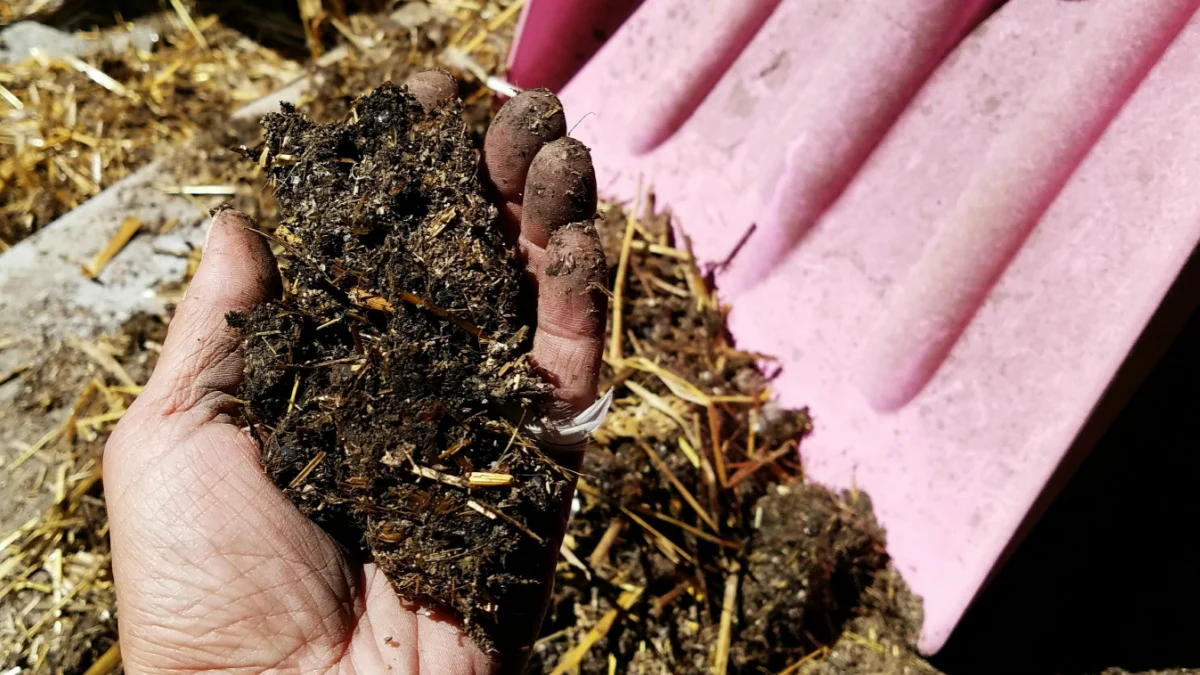
- Spring Harvest: As the spring thaw arrives, the litter will have fully composted into a rich, friable material. This can be removed entirely and applied directly to garden beds, providing a high-quality soil amendment that is far superior to fresh, uncomposted manure.
Addressing Common Misconceptions
A frequent concern among new practitioners is the potential for odor or increased insect activity. However, when the system is balanced, the pH level and microbial competition suppress the development of ammonia-producing bacteria. Ammonia, which is harmful to a chicken’s respiratory system, is typically a byproduct of wet, compacted, and un-turned litter.

It is important to note that the use of chemical disinfectants, lime, or excessive amounts of diatomaceous earth (DE) should be avoided in a deep litter system. These substances are designed to kill microorganisms, which would counteract the very process that makes the method effective. While a small amount of DE on the bare floor before the initial bedding layer is acceptable for pest control, frequent application throughout the winter will stifle the beneficial microbial population.

Environmental Impact and Broader Implications
The Deep Litter Method represents a shift toward circular resource management in backyard farming. Instead of treating chicken waste as a liability that must be transported to a landfill, it is transformed into a valuable asset—fertilizer—within the confines of the property. This reduces the carbon footprint associated with waste removal and synthetic fertilizer production.

From a resource management perspective, this method is highly economical. It significantly reduces the amount of new bedding required, as the litter remains in the coop for several months rather than being replaced weekly. Furthermore, by improving the health of the flock through the provision of essential vitamins and a more stable environment, owners may see a reduction in veterinary needs and a stabilization in egg production during the stressful winter months.

Conclusion: A Sustainable Future for Poultry Keeping
The Deep Litter Method remains a compelling example of how traditional knowledge can be integrated with modern sustainability goals. By working with, rather than against, natural decomposition, poultry owners can create a more resilient, efficient, and healthy environment for their flocks. While it requires an initial period of learning to master the balance of carbon and nitrogen, the result is a self-sustaining system that benefits the birds, the coop environment, and the home garden. As the movement toward self-sufficiency and sustainable living continues to grow, such time-tested practices offer a blueprint for responsible and efficient livestock stewardship.
