
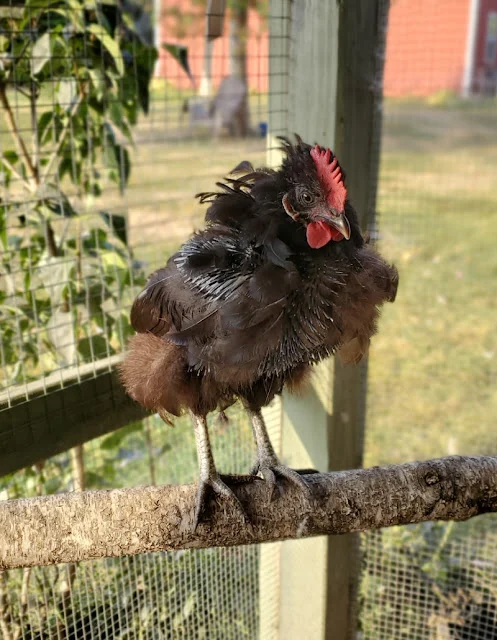
The seasonal phenomenon of avian molting represents a critical physiological transition for backyard poultry, serving as an essential mechanism for long-term health and thermal regulation. As temperatures begin to decline and daylight hours shorten during the late summer and autumn months, poultry owners frequently observe a dramatic loss of feathers within their coops. While this transition often alarms novice keepers—who may initially mistake the accumulation of feathers for evidence of a predator intrusion or a severe disease outbreak—molting is a entirely natural, genetically programmed process. It is the period during which a chicken sheds its old, damaged plumage to produce a robust, efficient set of new feathers designed to insulate the bird against the approaching winter.

The Biological Mechanism and Evolutionary Context
At its core, molting is the replacement of worn-out integumentary structures. Feathers are composed primarily of keratin, a fibrous structural protein that also forms the basis of hair, nails, and hooves in mammals. Over the course of a year, feathers become brittle, frayed, and soiled, losing their ability to effectively trap air. Chickens rely on their plumage for thermoregulation; by fluffing their feathers, they create a pocket of air near the skin that is warmed by their body heat. If the feathers are compromised, this insulating buffer fails, leaving the bird susceptible to cold stress.

The timing of this molt is primarily photoperiod-dependent. As the circadian rhythm of the chicken detects the decrease in daylight hours, the endocrine system signals the cessation of egg production and the commencement of the molting cycle. This transition typically begins when a bird reaches approximately 18 months of age, following its first full year of laying. Thereafter, the molt becomes an annual occurrence, usually coinciding with the autumn equinox.

Chronology of the Molting Sequence
The molting process follows a highly predictable, systematic pattern, which serves as a diagnostic tool for poultry health experts to distinguish between a natural molt and feather loss caused by environmental or behavioral stressors. The sequence begins at the head and the neck, followed by the saddle, the breast, and the abdomen. The cycle then proceeds to the wings and concludes with the tail.

The duration of this cycle varies significantly between individual birds, often correlated with their productivity as layers. High-producing hens often undergo a more rapid, intense molt, completing the process in as little as 14 to 16 weeks. Conversely, lower-producing birds may experience a slower, more protracted transition, which can extend up to six months in some cases. During this time, the metabolic demands of feather regeneration are extreme. Because feathers are nearly 90% protein, the bird must redirect its systemic resources away from egg production toward the synthesis of new keratin structures. Consequently, most hens experience a total pause in egg laying, while roosters may see a temporary reduction in fertility, with extreme cases of weight loss potentially leading to permanent sterility.

Distinguishing Molt from Pathological Conditions
A primary challenge for flock managers is differentiating a healthy, seasonal molt from feather loss resulting from external factors such as cannibalism, bullying, or parasitic infestations. During a natural molt, the follicle is actively pushing out the old shaft, resulting in the emergence of "pin" feathers—new growth enclosed in a waxy, protective casing. These casings protect the sensitive, blood-filled developing feather until it is ready to unfurl.

In contrast, if a bird presents with bare patches around the vent or under the wings without the presence of new pin feathers, the cause is often parasitic. Mites and lice are common culprits in such scenarios and require specific veterinary intervention. Similarly, if there is evidence of aggressive pecking or cannibalism—often triggered by overcrowding or poor nutritional balance—the behavior must be addressed immediately to prevent injury. A bird that is merely molting will typically appear listless and may seek solitude, but it should not exhibit raw, bleeding skin or patchy, irregular feather loss that lacks the uniform, systematic pattern of a natural molt.

Nutritional Requirements and Supportive Care
The energy expenditure required for a total plumage replacement is substantial. To facilitate a healthy transition, nutritional adjustments are recommended by avian experts. Since protein is the fundamental building block of feathers, increasing the protein content in the flock’s diet during the molting window can significantly expedite the process and ensure the resulting plumage is dense and resilient.

Commercial poultry producers often switch to high-protein maintenance feeds during this season. For the backyard enthusiast, incorporating specific, nutrient-dense supplements can provide necessary support. Recommended sources include high-quality animal proteins such as fish (mackerel, sardines, or tuna) or legumes, which provide the essential amino acids required for keratin production. Furthermore, the inclusion of fresh or dried herbs—such as parsley, dill, and marjoram—can offer supplemental vitamins and trace minerals that aid in immune function.

Hydration and nutrient absorption also play a pivotal role. The addition of apple-cider vinegar to the water supply—typically at a ratio of one tablespoon per gallon—is a widely practiced method for lowering the pH of the digestive tract, which can improve the absorption of essential minerals. Maintaining a clean, stress-free environment is equally important, as the physiological strain of the molt leaves the flock more vulnerable to opportunistic infections and respiratory illnesses.

Broader Implications for Flock Management
The impact of the molt on egg production is a well-documented economic reality for both commercial and small-scale operations. After the first annual molt, a hen’s egg production frequency typically decreases compared to her first year; however, the eggs produced are generally larger and display superior shell quality. This is an evolutionary trade-off: the bird is shifting from a period of high-volume production to a phase of improved physiological maintenance.

From a management perspective, the molt serves as a "reset" button for the flock. It is the ideal time to perform routine health screenings, update vaccinations, and conduct deep-cleaning maintenance on the coop structure. Because the birds are already in a state of lower output, the temporary disruption to the facility is minimized.

Moreover, owners are advised to remain consistent with their management practices during this time. For instance, the introduction of artificial lighting to force egg production during a molt is generally discouraged by veterinarians and animal welfare experts. Interfering with the bird’s natural photoperiod response can lead to prolonged or incomplete molts and increased long-term stress on the bird. Consistency in care—providing shelter, access to high-quality protein, and minimizing environmental stressors—remains the most effective strategy for managing the molting season.

In summary, while the sight of a partially bald, lethargic chicken may cause anxiety for the inexperienced owner, it is a sign of a functioning biological system preparing for the challenges of winter. By understanding the predictable pattern of the molt, providing targeted nutritional support, and maintaining a high standard of hygiene, keepers can ensure their flocks navigate this demanding period successfully, emerging with improved plumage and sustained health for the year ahead. The process, while taxing for the animal, is a fundamental component of the avian life cycle, ensuring that the flock remains resilient, well-insulated, and physically prepared for the environmental stressors of the coming seasons.
