
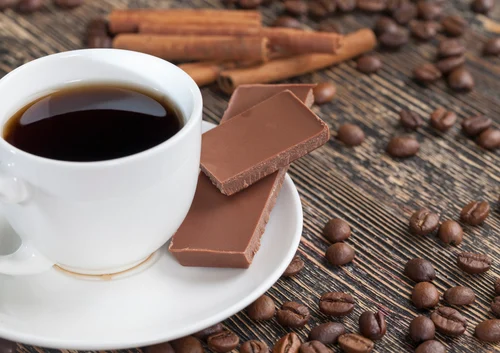
The increasing popularity of backyard poultry farming has led to a significant rise in the number of households treating chickens not merely as livestock, but as companion animals. This shift in perception has inadvertently introduced a series of nutritional hazards, most notably the accidental or intentional feeding of human treats that contain toxic compounds. Among the most dangerous substances found in common household pantries are chocolate and various sources of caffeine, including coffee grounds and tea. While these items are staples of the human diet, they contain chemical compounds—specifically methylxanthines—that can induce severe physiological distress, cardiac arrest, and death in avian species. Veterinary experts and poultry specialists are increasingly warning flock owners that even trace amounts of these substances can compromise the health of a bird, necessitating a rigorous approach to feed management and waste disposal.
The Biochemical Profile of Methylxanthine Toxicity
To understand why chocolate and caffeine are lethal to chickens, one must examine the specific chemical compounds involved. Chocolate contains theobromine, a bitter alkaloid of the methylxanthine class. Caffeine, another methylxanthine, is found in coffee, tea, and many energy drinks. While the human metabolism is highly efficient at breaking down these compounds, chickens—and many other domestic animals like dogs and cats—lack the specific enzymatic pathways required to process them rapidly.
When a chicken consumes chocolate, the theobromine and caffeine are absorbed through the gastrointestinal tract and enter the bloodstream. These compounds act as central nervous system stimulants and phosphodiesterase inhibitors. In birds, this leads to an immediate increase in intracellular calcium and the release of norepinephrine. The result is a profound overstimulation of the cardiovascular and nervous systems. Because chickens already possess a naturally high metabolic rate and a resting heart rate that can range between 250 and 400 beats per minute, the addition of a potent stimulant like caffeine can push the heart beyond its physiological limits, leading to tachycardia and eventually fatal cardiac arrhythmia.

Clinical Symptoms and the Progression of Toxicity
The onset of symptoms following the ingestion of chocolate or caffeine can be rapid, often appearing within one to four hours. Because chickens are prey animals, they instinctively mask signs of illness, meaning that by the time an owner notices distress, the toxicity may have already reached a critical level.
Initial clinical signs typically include gastrointestinal upset, manifesting as vomiting or severe diarrhea. As the methylxanthines continue to circulate, the bird may exhibit neurological symptoms such as extreme restlessness, tremors, or hyper-reactivity to touch and sound. In advanced stages of poisoning, the chicken may suffer from seizures or fall into a coma. The most common cause of death in these cases is cardiac arrest or respiratory failure, as the heart and lungs are unable to keep pace with the chemical-induced stimulation.
Furthermore, the sugar and fat content found in processed chocolate products present secondary health risks. High levels of refined sugar can disrupt the delicate balance of the avian gut microbiome, potentially leading to sour crop or enteritis. Over the long term, regular exposure to high-fat "junk foods" contributes to fatty liver hemorrhagic syndrome (FLHS), a leading cause of mortality in backyard hens.
A Chronology of Ingestion and Emergency Response
The timeline of a toxicity event is often divided into three critical phases: ingestion, the symptomatic window, and the terminal phase.

- Phase One: Ingestion (0–2 Hours): The bird consumes the toxic material, often hidden in kitchen scraps or found while foraging in compost heaps containing coffee grounds. At this stage, the bird may appear normal, though internal absorption is occurring rapidly.
- Phase Two: The Symptomatic Window (2–6 Hours): The concentration of theobromine and caffeine peaks in the blood. The bird begins to exhibit an increased respiratory rate (panting) and may appear unsteady on its feet. This is the critical window for veterinary intervention, though treatment options for avian methylxanthine poisoning are limited to supportive care.
- Phase Three: The Terminal Phase (6–24 Hours): Without intervention, or if the dose was sufficiently high, the bird’s internal organs begin to fail. Seizures are common in this stage, followed by death.
Veterinary toxicologists note that there is no specific antidote for theobromine or caffeine poisoning in poultry. Treatment generally involves the administration of activated charcoal to prevent further absorption, followed by fluid therapy to support kidney function and help flush the toxins from the system. However, the success rate for such treatments in birds is significantly lower than in mammals due to the birds’ rapid metabolic processing of the damage caused by the toxins.
Identifying Hidden Sources of Exposure
While most owners would not intentionally feed a chicken a dark chocolate bar, many are unaware of the hidden sources of caffeine and theobromine that exist in a typical household environment.
- Coffee Grounds and Tea Bags: Many backyard farmers use coffee grounds as a soil amendment or toss them into compost bins. Chickens are natural foragers and may ingest these grounds while scratching for insects. Even "spent" coffee grounds retain a significant amount of residual caffeine.
- Cocoa Bean Mulch: A popular choice for landscaping due to its pleasant aroma and color, cocoa bean mulch is made from the hulls of cocoa beans and contains high concentrations of theobromine. If used in gardens where chickens are allowed to free-range, it poses a lethal risk.
- Sports and Energy Drinks: Discarded bottles or spills in areas where poultry roam can provide a concentrated dose of caffeine and synthetic stimulants.
- Baked Goods: Chocolate-chip cookies, brownies, and chocolate donuts are often viewed as "harmless" leftovers. However, the cumulative effect of the caffeine, theobromine, sugar, and flour makes these items particularly hazardous.
Expert Perspectives and Industry Warnings
Lisa Steele, a fifth-generation chicken-keeping expert and the founder of Fresh Eggs Daily, has long advocated for a "back-to-basics" approach to poultry nutrition. Her research and educational outreach emphasize that the digestive systems of chickens are optimized for seeds, grains, and vegetation, not processed human delicacies. Steele and other industry leaders emphasize that the "pet-ification" of chickens has led to a dangerous trend where owners project human dietary preferences onto their flocks.
"Chickens should never be fed chocolate or caffeine in any amount," Steele warns in her professional guidance. She highlights that even small amounts can lead to vomiting, diarrhea, and cardiac arrest. This sentiment is echoed by the broader veterinary community. The American Society for the Prevention of Cruelty to Animals (ASPCA) Animal Poison Control Center consistently lists caffeine and chocolate as high-risk substances for all domestic animals, including poultry.

Broader Implications for the Backyard Poultry Movement
The issue of toxicity in backyard flocks has broader implications for animal welfare and the sustainability of small-scale egg production. As more municipalities allow urban and suburban chicken keeping, the lack of standardized education for new owners becomes a significant concern.
From an economic perspective, the loss of a laying hen due to preventable poisoning represents a loss of investment in time, feed, and future egg production. From a welfare perspective, methylxanthine poisoning is a painful and distressing way for an animal to die. Consequently, there is a growing movement among agricultural extension offices and poultry associations to provide comprehensive "do not feed" lists to new hobbyists.
In addition to chocolate and caffeine, these lists often include:
- Avocados: Contain persin, which causes respiratory distress.
- Raw Green Potatoes/Tomatoes: Contain solanine, a toxic alkaloid.
- Dried or Raw Beans: Contain phytohaemagglutinin, which is lethal to birds.
- Onions: Contain thiosulphate, which destroys red blood cells.
Nutritional Best Practices and Safe Alternatives
To ensure the health and longevity of a backyard flock, owners are encouraged to stick to a diet primarily composed of high-quality commercial layer feed, which is scientifically formulated to provide the correct balance of proteins, vitamins, and minerals.

When providing treats, owners should opt for items that provide nutritional value without the risk of toxicity. Safe and healthy alternatives include:
- Leafy Greens: Kale, spinach, and Swiss chard provide essential vitamins.
- Vegetables: Cucumbers, squash, and carrots are excellent for hydration and fiber.
- Proteins: Dried mealworms or Black Soldier Fly larvae are highly beneficial, especially during molting seasons.
- Fruits: Watermelon, berries, and apples (without seeds) are safe in moderation.
By focusing on these natural supplements, owners can bond with their birds and provide environmental enrichment without risking the catastrophic physiological effects associated with caffeine and chocolate.
Conclusion: The Importance of Informed Husbandry
The management of a backyard flock requires more than just providing a coop and water; it demands an understanding of the unique biological vulnerabilities of avian species. The toxicity of chocolate and caffeine serves as a stark reminder that what is indulgent for a human can be fatal for a bird. As the trend of keeping chickens continues to grow, the responsibility falls on the owner to maintain a secure environment, free from the chemical hazards of the modern kitchen. Through education, vigilant foraging management, and a commitment to species-appropriate nutrition, poultry enthusiasts can ensure their flocks remain healthy, productive, and safe from the hidden dangers of methylxanthine poisoning.
