
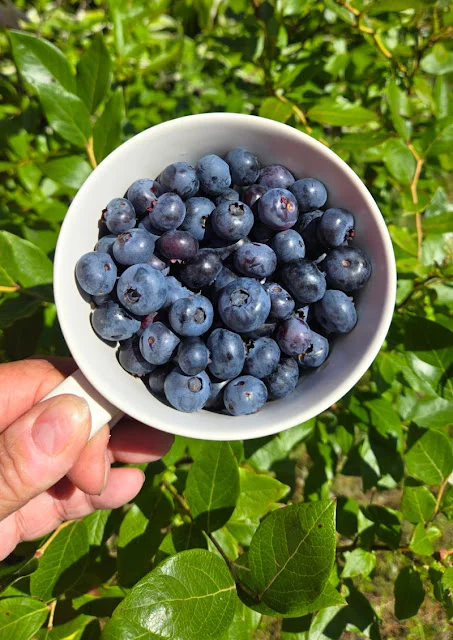
The integration of high-antioxidant fruits into the diets of domestic poultry has become a focal point for backyard farmers and commercial organic producers seeking to optimize flock health and egg quality. Among the various supplemental "superfoods" available, blueberries (genus Vaccinium) have emerged as a premier choice due to their dense concentration of essential vitamins, minerals, and phytonutrients. While primary nutrition for Gallus gallus domesticus is typically derived from balanced commercial feeds, the strategic addition of blueberries offers specific physiological advantages ranging from improved cardiovascular health to enhanced cognitive function. Understanding the biochemical impact of these berries on avian physiology is essential for poultry managers aiming to maintain high standards of animal welfare and productivity.
Nutritional Profile and Biochemical Composition
Blueberries are characterized by a complex nutritional matrix that provides more than just caloric value. They are an abundant source of Vitamin K1 (phylloquinone), which plays a critical role in the avian coagulation system. In a flock environment where minor injuries from pecking or environmental hazards can occur, efficient blood clotting is vital for preventing hemorrhage. Furthermore, blueberries contain significant levels of Vitamin C (ascorbic acid). While chickens can endogenously synthesize Vitamin C, supplemental intake is highly beneficial during periods of environmental stress, such as extreme heat or molting, as it aids in cortisol regulation and immune response.

The mineral content of blueberries includes manganese and potassium. Manganese is a necessary cofactor for several enzymes involved in bone formation and the metabolism of carbohydrates and proteins. For laying hens, which experience significant calcium and mineral turnover to produce eggshells, the support of bone density is a paramount health concern. Potassium, an essential electrolyte, assists in maintaining osmotic pressure within cells and supports proper nerve signaling and muscle contraction.
Perhaps the most significant component of the blueberry is its antioxidant profile, specifically the presence of anthocyanins. These are the water-soluble vacuolar pigments that give the berries their deep blue and purple hues. Anthocyanins are potent flavonoids that neutralize free radicals, thereby reducing oxidative stress at the cellular level. In poultry, this can translate to reduced systemic inflammation and protection against cellular mutations that may lead to certain types of avian cancers.
Physiological Impact on Avian Health Systems
The introduction of blueberries into a chicken’s diet affects multiple biological systems. One of the most immediate benefits is seen in the digestive tract. Blueberries contain dietary fiber and prebiotics. Prebiotics serve as a non-digestible food source for beneficial gut bacteria, such as Lactobacillus and Bifidobacterium. A robust gut microbiome is the first line of defense in the avian immune system, preventing the colonization of pathogens like Salmonella or E. coli. By fostering a healthy "gut flora," blueberries indirectly support the overall resilience of the bird against common poultry diseases.

Cardiovascular health is another area of significant impact. The anthocyanins and fiber in blueberries contribute to the regulation of blood pressure and the maintenance of heart health. While heart disease is often overlooked in short-lived commercial broilers, it is a relevant concern for heritage breeds and backyard hens that may live for five to ten years. Supporting the circulatory system ensures that oxygen and nutrients are efficiently transported to the reproductive organs and muscle tissues.
Furthermore, recent research into avian neurology suggests that the antioxidants found in berries can support cognitive function. For social animals like chickens, maintaining mental acuity is important for navigating flock hierarchies and environmental awareness. The protective effects of blueberries on the eyes are also notable; the presence of lutein and zeaxanthin helps protect the retina from oxidative damage, ensuring the birds maintain the sharp vision necessary for foraging and predator detection.
The Evolution of Poultry Dietary Standards: A Chronology
The perspective on feeding fruit to poultry has shifted significantly over the last century. In the early 20th century, farm chickens were largely scavengers, supplemented with kitchen scraps and cracked corn. Nutrition was observational rather than scientific. By the 1950s, the rise of industrial poultry farming led to the development of highly processed, grain-based mashes and pellets designed for maximum growth and egg output. During this era, "treats" or supplemental fruits were often discouraged as they were seen as diluting the carefully calibrated protein and calcium levels of commercial feed.

The late 1990s and early 2000s saw a resurgence in backyard poultry keeping, which brought a renewed interest in "natural" and "holistic" feeding practices. Expert practitioners, such as Lisa Steele, a fifth-generation chicken keeper and author, began advocating for a return to diverse dietary inputs. Steele’s observations on her farm in Maine, where she utilizes both native lowbush (Vaccinium angustifolium) and cultivated highbush (Vaccinium corymbosum) blueberries, have highlighted the palatability and health benefits of these fruits.
Today, the consensus among avian nutritionists is that while commercial feed should remain the staple, high-quality supplements like blueberries provide "functional nutrition" that goes beyond basic survival. This evolution reflects a broader trend in animal husbandry that prioritizes longevity and quality of life alongside production metrics.
Management and Safety Protocols
Despite the numerous benefits, the administration of blueberries must be managed with precision. Veterinary experts and poultry specialists emphasize the "10% Rule." This dietary guideline dictates that treats, including healthy fruits and vegetables, should not exceed 10% of a chicken’s total daily caloric intake. For an average adult hen, this equates to approximately one to two tablespoons of supplemental food per day. Over-supplementation can lead to nutritional imbalances, specifically a dilution of the protein and calcium required for consistent egg production and feather health.

Safety considerations also include physical hazards. While most adult chickens can easily break apart a blueberry using their beaks, smaller bantam breeds or young pullets may face a minor choking hazard if the berries are particularly large or firm. In these instances, slicing the berries in half is a recommended precautionary measure.
Furthermore, the source of the blueberries is a factor in their health value. Berries treated with synthetic pesticides or herbicides can be detrimental to poultry. It is recommended that keepers provide organic or thoroughly washed berries to avoid chemical toxicity. On farms like those in the Northeast United States, where native blueberries grow wild, the birds often have the opportunity to forage for these fruits naturally, which also provides mental stimulation and mimics ancestral foraging behaviors.
Expert Analysis and Industry Implications
The trend toward "superfood" supplementation in poultry has broader implications for the agricultural industry. As consumers increasingly demand high-quality, nutritionally dense eggs, the diet of the laying hen comes under scrutiny. Studies have shown that the phytonutrients consumed by the hen can influence the composition of the egg yolk. While blueberries may not drastically change the color of the yolk in the same way that marigolds or kale might, the transfer of antioxidants into the egg is an area of ongoing research.

Industry experts suggest that the use of prebiotics found in blueberries could potentially reduce the reliance on sub-therapeutic antibiotics in small-scale poultry operations. By strengthening the bird’s innate immune system through diet, keepers can create more resilient flocks. This proactive approach to health management is becoming a hallmark of modern sustainable agriculture.
From a behavioral standpoint, the act of feeding blueberries serves as a high-value positive reinforcement. Chickens are highly motivated by the sweetness and texture of berries, making them an excellent tool for taming birds or conducting health inspections. The social dynamic of the flock is also impacted, as the introduction of a prized treat encourages natural "tidbitting" behavior, where a rooster or dominant hen calls others to share in the find, reinforcing social bonds.
Conclusion
The inclusion of blueberries in the diet of backyard and farm-raised chickens represents a synthesis of traditional husbandry and modern nutritional science. By providing a concentrated source of Vitamins C and K, manganese, potassium, and life-extending antioxidants, blueberries offer a multifaceted boost to avian health. When administered within the parameters of the 10% rule and with attention to physical safety, these berries contribute to robust immune systems, healthy cardiovascular function, and improved digestive health. As the understanding of avian biochemistry continues to advance, the role of functional treats like blueberries will likely remain a cornerstone of high-standard poultry management, benefiting both the welfare of the birds and the quality of the food products they provide.
