
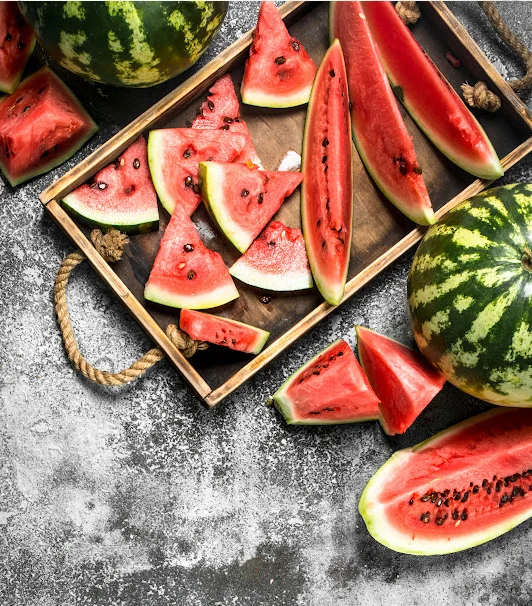
As global temperatures continue to fluctuate, backyard poultry keepers are increasingly turning to supplemental hydration strategies to safeguard the health and productivity of their flocks. Among the most effective and nutritionally dense interventions identified by agricultural experts is the inclusion of watermelon (Citrullus lanatus) in the summer dietary regimen. This fruit, characterized by its exceptionally high water content and diverse micronutrient profile, serves as both a critical hydration tool and a biological support system for chickens facing the physiological rigors of heat stress. While often viewed as a simple treat, the systematic administration of watermelon provides chickens with essential vitamins, minerals, and antioxidants that contribute to long-term vitality and egg quality.
The Physiological Context of Heat Stress in Avian Species
To understand the importance of watermelon as a summer supplement, one must first examine the physiological challenges chickens face during periods of high ambient temperature. Unlike mammals, chickens lack sweat glands. They rely primarily on respiratory evaporation—a process commonly known as panting—and the radiation of heat through unfeathered areas like the comb and wattle to regulate their internal body temperature. When temperatures exceed the "thermoneutral zone," typically cited as being between 60°F and 75°F (15°C to 24°C), poultry enter a state of heat stress.
During heat stress, the avian respiratory rate increases significantly, which can lead to respiratory alkalosis. This condition occurs when the bird exhales excessive amounts of carbon dioxide, disrupting the blood’s pH balance and depleting calcium reserves necessary for eggshell formation. Furthermore, heat-stressed birds often reduce their consumption of dry feed to lower the metabolic heat produced during digestion. This reduction in feed intake can lead to nutritional deficiencies and a precipitous drop in egg production. It is within this critical window that high-moisture, nutrient-dense supplements like watermelon become vital for maintaining homeostasis.
.jpg)
Nutritional Profile and Hydration Mechanics
Watermelon is composed of approximately 92% water, making it one of the most efficient biological delivery systems for hydration. However, its value extends far beyond moisture. According to nutritional analysis, the fruit contains significant concentrations of Vitamin A, Vitamin B6, and Vitamin C. Vitamin A is essential for maintaining the integrity of mucosal membranes, which serve as the first line of defense against respiratory pathogens. Vitamin C, while synthesized naturally by chickens, is often depleted during periods of environmental stress; supplemental Vitamin C has been shown in various agricultural studies to improve survival rates and immune responses in heat-stressed flocks.
In addition to vitamins, watermelon provides essential electrolytes such as potassium and magnesium. Electrolytes are critical for maintaining cellular osmotic pressure and nerve function. When chickens pant, they lose these vital minerals through increased excretion. Providing watermelon helps replenish these stores, preventing dehydration-induced lethargy and organ failure.
The Role of Lycopene and Antioxidants in Poultry Longevity
One of the most notable components of watermelon is lycopene, a powerful carotenoid and antioxidant that gives the fruit its characteristic red pigment. Scientific research indicates that watermelon contains higher levels of lycopene than even raw tomatoes. In the context of poultry health, antioxidants play a fundamental role in neutralizing free radicals produced during periods of metabolic stress.
By reducing oxidative stress, lycopene supports cardiovascular health and may lower the incidence of certain cellular mutations. For the backyard keeper, the most visible impact of these carotenoids is seen in the nesting box. The pigments found in watermelon are absorbed by the hen and deposited into the yolk of the egg. This results in the deep orange yolk color that is highly prized by consumers and often serves as a visual indicator of a nutrient-rich diet.
.jpg)
Traditional Wisdom and the Science of Natural Dewormers
A significant point of interest for natural-leaning poultry keepers is the presence of cucurbitacin in watermelon. Cucurbitacin is a biochemical compound found in members of the Cucurbitaceae family, including melons, cucumbers, and squashes. Traditional agricultural practices have long suggested that these compounds act as a natural anthelmintic, or "wormer," for livestock.
While modern veterinary medicine emphasizes the use of targeted pharmaceuticals for severe parasitic infestations, many experts, including Lisa Steele of Fresh Eggs Daily, highlight the preventative potential of these natural compounds. The theory suggests that cucurbitacin can paralyze or irritate intestinal parasites, making it easier for the bird’s digestive system to expel them. By incorporating watermelon into the diet, keepers may be providing a secondary layer of defense against common internal parasites such as roundworms and cecal worms, thereby reducing the reliance on chemical interventions.
Comprehensive Utilization: Flesh, Seeds, and Rinds
Unlike many supplemental foods that require careful preparation or the removal of certain components, watermelon is entirely safe for chickens in its entirety. This makes it a highly efficient resource for reducing household food waste.
- The Flesh: The soft red interior is the primary source of hydration and sugar-based energy. Chickens can easily peck through the flesh, making it accessible to even the smallest members of the flock.
- The Seeds: Watermelon seeds are non-toxic to chickens. They provide a small amount of protein and healthy fats, as well as fiber. The act of pecking at seeds also provides environmental enrichment, encouraging natural foraging behaviors.
- The Rind: The hard green outer layer is rich in citrulline, an amino acid that supports circulatory health. While the rind is tougher than the flesh, chickens will often peck it down to a thin, paper-like remains.
Implementation and Best Practices for Feeding
While the benefits of watermelon are extensive, professional agricultural guidelines suggest several best practices to ensure optimal results. First, watermelon should be viewed as a supplement rather than a replacement for a balanced commercial layer feed. Most experts recommend that treats and supplements make up no more than 10% of a chicken’s total daily caloric intake.

To maximize the cooling effect, many keepers choose to refrigerate or freeze the watermelon before serving. Slicing the melon in half and placing it face-up in the run allows multiple birds to access the fruit simultaneously, reducing competition and "pecking order" aggression. For more advanced heat management, "watermelon slushies"—created by blending the fruit with ice—can be provided in shallow dishes to encourage maximum fluid intake.
Hygiene is another critical consideration. Because of its high sugar content, leftover watermelon can quickly attract flies, bees, and nocturnal predators or pests. Furthermore, in humid summer conditions, fruit left on the ground can develop mold within hours. It is recommended that any unconsumed watermelon be removed from the coop or run before nightfall to maintain a sanitary environment.
Chronology of Seasonal Poultry Care
The introduction of watermelon into the poultry diet typically follows a seasonal chronology aligned with the rising heat index:
- Early Summer (Late May to June): Keepers monitor local weather patterns. As temperatures begin to consistently hit 80°F, watermelon is introduced once or twice a week to acclimate the digestive system.
- Peak Summer (July to August): During heatwaves, watermelon frequency may increase to daily administration. This coincides with the period where egg production naturally slows due to heat, and the nutritional support is most needed.
- Late Summer (September): As temperatures cool, the frequency is reduced. The focus shifts toward high-protein supplements to support the upcoming molting season, though the hydration benefits of melon remain relevant during "Indian summers."
Broader Implications for Small-Scale Agriculture
The use of watermelon in poultry management reflects a broader trend toward sustainable and holistic animal husbandry. By utilizing "seconds" from local farmers’ markets or utilizing the rinds from household consumption, poultry keepers participate in a circular food economy.

Furthermore, the economic implications are significant for small-scale egg producers. Heat-related mortality and the cessation of laying can represent a substantial financial loss. The relatively low cost of watermelon, compared to the potential loss of livestock or the cost of cooling systems like industrial misters and fans, makes it a cost-effective insurance policy for the backyard producer.
Expert Perspectives and Industry Consensus
Agricultural extensions and poultry experts generally support the use of watermelon as a safe and effective summer supplement. Lisa Steele, a fifth-generation chicken keeping expert and founder of Fresh Eggs Daily, has long advocated for natural, "old-timer" methods of flock management. Her research emphasizes that while modern technology has its place, the fundamental needs of poultry—hydration, minerals, and environmental enrichment—are often best met through simple, whole-food solutions.
In conclusion, the administration of watermelon to backyard chickens is a multifaceted strategy that addresses the immediate dangers of heat stress while providing long-term nutritional benefits. Its high water content, combined with a robust profile of vitamins, antioxidants, and potential natural anthelmintics, positions it as a premier tool for any poultry keeper navigating the challenges of the summer season. As backyard farming continues to grow in popularity, the reliance on such time-tested, natural interventions remains a cornerstone of healthy and productive flock management.
