
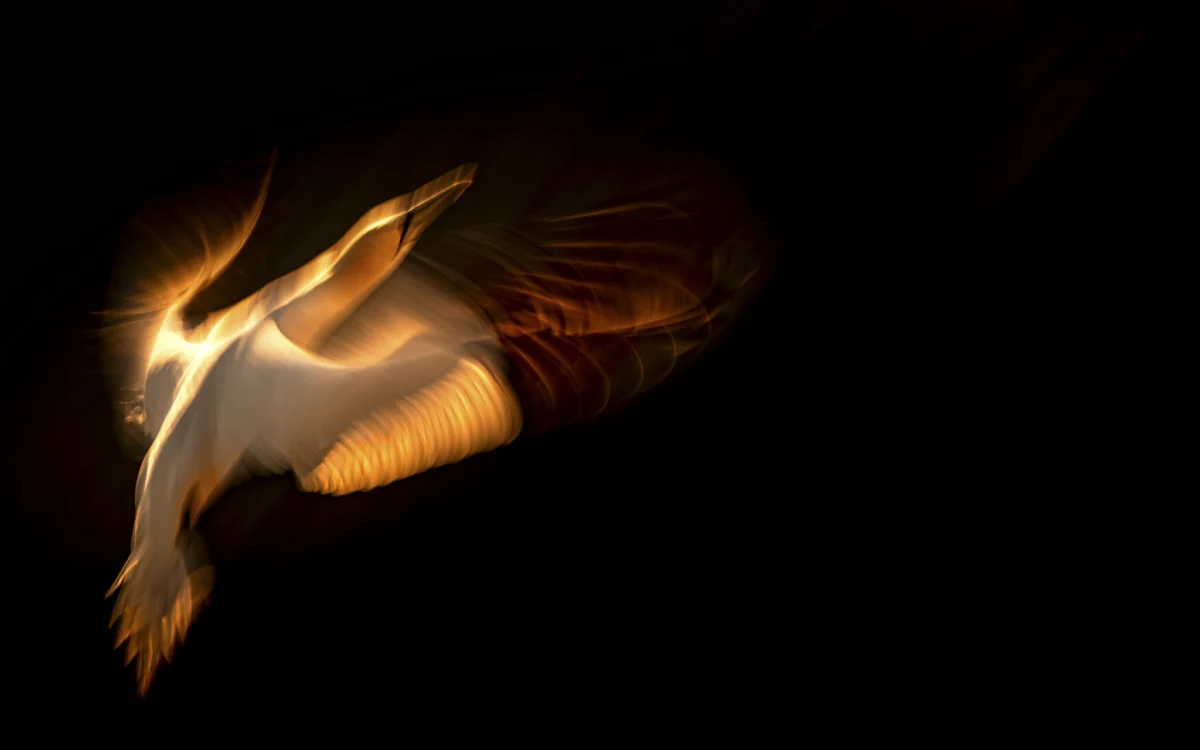
The contemporary landscape of wildlife photography is undergoing a profound philosophical shift, moving away from hyper-technical clinical documentation toward a more emotive, art-forward narrative. At the forefront of this movement is acclaimed British wildlife photographer Rachel Bigsby, whose evocative imagery of marine avian species challenges conventional aesthetics and redefines how human audiences connect with remote ecosystems. Rather than pursuing static, razor-sharp portraits dictated by rigid technical checklists, Bigsby champions an approach she defines as “natural artistry”—a methodology rooted in deep ecological literacy, atmospheric weather integration, and a profound respect for the innate behaviors of seabirds.
The Evolution of a Marine Wildlife Chronicler

Bigsby’s journey into the specialized niche of seabird photography is grounded in a lifelong immersion in the natural world. Her foundational understanding of ecology was cultivated early by her late grandfather, a naturalist and fisherman who imparted observational rigor rather than a mere collection of zoological facts. This experiential education was reinforced during her formative years in the Scout Association, where weekend expeditions across rugged terrain transformed the landscape from mere scenery into a familiar, interactive environment.
Her entry into photography began modestly, utilizing an early-generation mobile device to capture details like early-morning dew and botanical silhouettes. However, the definitive turning point occurred during an encounter with a Northern Fulmar gliding effortlessly along coastal cliffs. Recognizing the Fulmar’s evolutionary link to the legendary albatross, Bigsby pivoted her primary focus toward pelagic and coastal bird species.
To gain access to vital nesting colonies, Bigsby embraced an unglamorous apprenticeship of grassroots conservation fieldwork. Spending weeks volunteering on remote, weather-beaten islands, she balanced physical labor—ranging from scrubbing composting facilities to scything bracken and repairing aging infrastructure—with intensive nocturnal observation. According to conservation peers and avian biologists, this rigorous groundwork instilled a rare credibility in her work, bridging the gap between artistic expression and ecological accuracy.

Challenging Traditional Technical Dogma in Nature Photography
Commercial wildlife photography has historically prioritized technical perfection: high shutter speeds to freeze motion, immaculate lighting, isolated subjects against clean backgrounds, and uncompromising focal sharpness. Bigsby, however, argues that an obsessive pursuit of technical flawlessness often yields competent yet sterile images that fail to convey the true reality of animal life.
Her portfolio frequently utilizes deliberate slow shutter speeds, high-key environmental blending, and an embrace of atmospheric impediments such as dense fog, heavy rain, and salt spray. This stylistic signature was born out of operational necessity during a week-long residency on a storm-lashed island where continuous precipitation initially appeared to ruin photographic opportunities. By abandoning the expectation of cinematic sunrises and integrating the stark whiteness of the mist, Bigsby discovered that inclement weather did not obstruct the subject; rather, it provided an authentic canvas that reflected the harsh realities of seabirds operating within dynamic marine ecosystems.

This ethos extends to her handling of light, color, and texture. Eschewing oversaturated palettes that manipulate natural realities, Bigsby utilizes subdued tones, strategic backlighting, and occasionally deliberate monochrome conversions to direct viewer attention toward the fundamental geometries, shapes, and structural textures of avian anatomy and nesting habitats.
The Ecological Imperative: Context as Character
Environmental scientists and wildlife conservationists increasingly emphasize the importance of habitat context in communicating ecological vulnerability. Bigsby’s methodology aligns with this scientific perspective by treating the environment not as a passive backdrop, but as an active character in the visual narrative.

Pelagic birds such as Northern Gannets, Atlantic Puffins, European Shags, and Razorbills exist in environments defined by extreme volatility—fluctuating tides, severe oceanic storms, and shifting coastlines exacerbated by changing global climates. By placing these species honestly within their turbulent ecosystems, Bigsby’s imagery indirectly highlights the fragility of marine habitats facing anthropogenic pressures, overfishing, and habitat degradation.
Art critics and photography educators have noted that minimalist compositions featuring a single bird against a vast, empty sky or a chaotic, densely packed colony evoke complex emotional responses, ranging from profound endurance to isolation and resilience. This minimalist framing allows viewers to project empathy onto the subject without resorting to anthropomorphism.
Implications for Modern Visual Conservation

The resonance of Bigsby’s work highlights a broader trend within contemporary environmental journalism and conservation communication: the growing demand for authenticity over engineered perfection. As audiences become increasingly sophisticated regarding digital manipulation and staged wildlife imagery, the value of ethically grounded, behavior-informed photography has surged.
Industry analysts suggest that shifts toward mood-driven, impressionistic wildlife documentation serve a critical conservation purpose. By translating complex ecological behaviors and environmental hardships into accessible, emotionally resonant visual language, photographers can bridge the psychological distance between urban populations and remote marine wildernesses.
Through her exhibitions, publications, and public speaking engagements, Bigsby continues to advocate for a paradigm shift among emerging photographers. Her core message urges practitioners to slow down, prioritize behavioral comprehension over rapid-fire data collection, and permit weather and natural chaos to shape the frame. In doing so, the medium transcends simple documentation, evolving into a vital conduit for environmental empathy, education, and lasting conservation awareness.
