
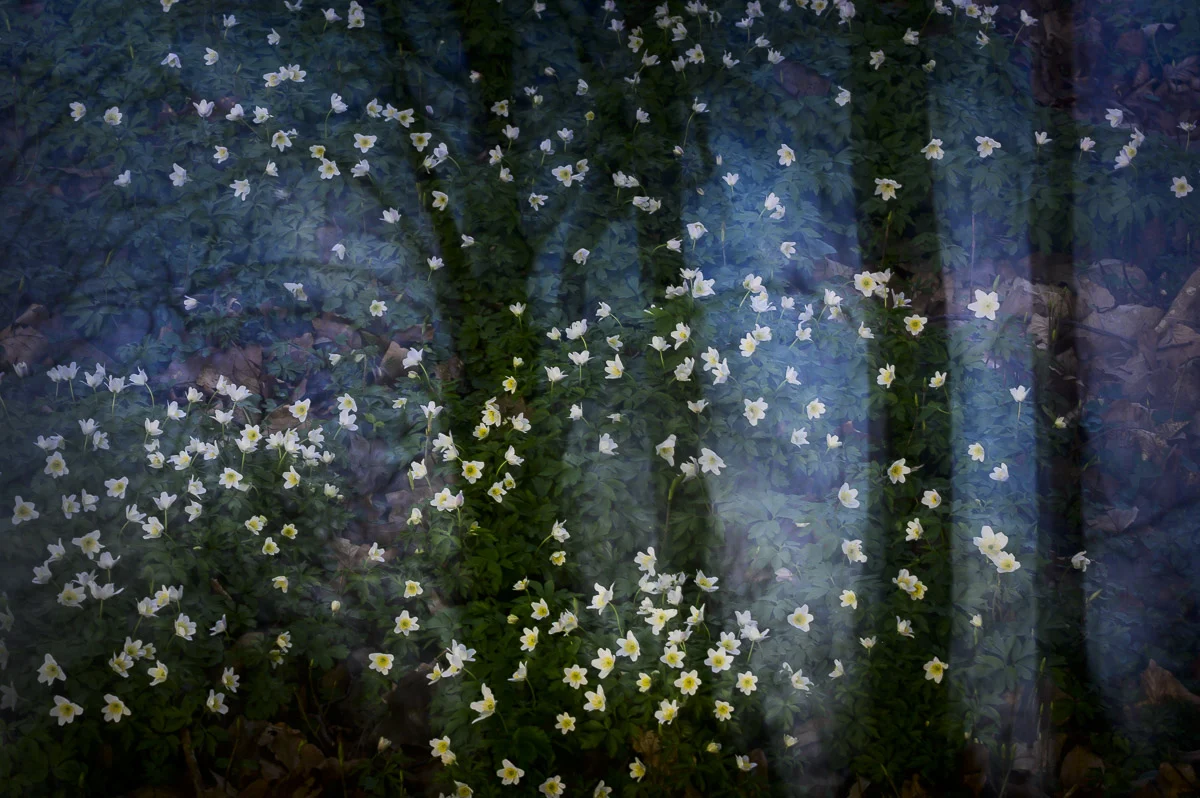
The contemporary landscape of nature photography is undergoing a profound philosophical shift, moving away from rigid adherence to technical perfection toward a more fluid, responsive methodology. For decades, instructional guides and masterclasses have emphasized the mastery of exposure triangles, sharp compositions, and color theory as the ultimate markers of a successful image. However, a growing cohort of veteran field photographers and environmental artists are challenging this checklist-driven paradigm. They argue that the true essence of a compelling photograph is not forged in post-processing suites or predetermined mental blueprints, but rather in the unpredictable, real-time dialogue between the photographer and the natural world.
This emerging perspective redefines the act of image-making as a dynamic feedback loop rather than a linear execution of a preconceived plan. Industry analysts note that while consumer demand for high-resolution gear and technical automation continues to surge—with the global digital camera market valued at over $7 billion—professional practitioners are increasingly valuing intuition and adaptability over brute-force technical execution. The core of this methodology relies on what field specialists describe as an interactive triad: nature, perception, and design.

Main Facts and the Interactive Triad Framework
At the heart of this creative philosophy is a departure from the "target photo"—a mental image that a photographer sets out to replicate before arriving at a location. Environmental variables such as shifting weather patterns, unexpected wildlife behavior, and fluctuating light frequently invalidate preconceived notions. Consequently, professional nature photographers are recalibrating their approach to prioritize immediate environmental responsiveness.
The interactive triad framework operates on three distinct pillars:
- Nature: The raw, unscripted physical reality of the environment, providing unpredictable conditions, subjects, and lighting.
- Perception: The photographer’s evolving cognitive focus—what the eye registers, what is ignored, and how attention shifts in response to sensory feedback.
- Design: The deliberate arrangement of elements and deployment of technique, serving the emergent image rather than enforcing a rigid template.
According to veteran field practitioners, technical competence must become second nature so that it ceases to be a conscious mental hurdle. When a photographer no longer needs to actively deliberate over shutter speeds or aperture values, cognitive bandwidth is freed up to engage directly with the unfolding environment. This creates space for serendipity—chance occurrences that often elevate an ordinary documentation of nature into an arresting piece of visual art.

Chronology of Field Case Studies: Frost, Backlight, and Micro-Worlds
To understand how this dynamic triad operates in practical scenarios, observers examine three distinct field studies recorded during recent seasonal transitions. These chronological accounts illustrate how initial expectations routinely give way to emergent, highly adaptive workflows.
Case Study One: The Frozen Pond and the Frost Leaf
Following an overnight temperature drop in late autumn, a photographer embarked on a spontaneous excursion to a local park pond bordered by bald cypress trees. Arriving without a strict itinerary, the immediate visual field offered a chaotic array of ice patterns, snow accumulation, frozen branches, and exposed stumps.
- Initial Phase: A single leaf locked securely within the surface ice captured the photographer’s attention. An initial exposure focused on capturing the delicate crystal structure of the surrounding ice, but the resulting image felt disjointed; the leaf appeared stranded, lacking a cohesive relationship with its frozen substrate.
- Adaptation Phase: Recognizing the disconnect, the photographer introduced artificial lighting via a wireless flash placed directly on the ice surface to generate low-angled side illumination. Successive adjustments were made by reviewing live-view displays, moving the light source incrementally, and subsequently introducing a secondary LED panel to soften harsh shadows.
- The Turning Point: A minor accident—the primary flash slipping and shifting its beam more directly into the ice structure—fundamentally transformed the frame. The accidental angle caused the leaf to visually detach from the surface while simultaneously illuminating complex sub-surface ice formations. What began as a standard macro shot of debris on ice evolved into a unified study of light, texture, and transparent topography.
Case Study Two: Backlit Reeds and Erratic Dragonflies
A second field excursion targeted a nearby wetland area known for seasonal dragonfly activity. Drawing upon memories of previous successful shoots at the same location, the photographer initially anticipated replicating past results.

- Environmental Shift: Upon arrival, low-angle sunlight was illuminating standing reed grass, creating a powerful natural backlight. Seeking to leverage this glowing flora against a darkened background, the photographer began adjusting physical positioning.
- Complication: Dragonflies continuously darted through the frame with erratic, unpredictable flight paths. Traditional framing proved inadequate for subjects that refused to hover predictably.
- Methodological Pivot: Abandoning the traditional viewfinder gaze in favor of a soft-focus peripheral awareness, the photographer switched to manual focus, stopped down the aperture to widen the depth of field, and utilized continuous high-speed burst modes. After reviewing hundreds of frames where the insects fell outside the focus plane, patience and statistical probability finally aligned, capturing a single frame where position, focus, and illumination converged.
Case Study Three: Microscopic Discoveries in Autumn Woods
In dense forest environments, subjects rarely announce themselves overtly. During a routine autumn woodland walk, initial frames of standard subjects—trees, fallen leaves, and common mushrooms—yielded uninspired results upon review.
- Discovery: A close inspection of a seemingly mundane fungus revealed microscopic, threadlike slime moulds invisible to the naked eye during initial framing.
- Engagement: The photographer descended to the forest floor, entering a micro-environment characterized by the rich scent of damp earth. As attention narrowed toward minute swellings at the tips of the microscopic threads, an LED light source was introduced to generate dynamic shadows and highlights. Through continuous trial, error, and display review, the small-scale ecosystem emerged as a compelling focal point.
Supporting Data and Industry Context
The psychological and cognitive shifts in nature photography are increasingly supported by contemporary studies in visual perception and creative problem-solving. Environmental psychology research indicates that prolonged exposure to natural settings enhances attentional flexibility, allowing practitioners to transition from goal-directed attention (such as hunting for a specific shot) to stimulus-driven attention (responding to unexpected natural phenomena).
Furthermore, data from ecological photography societies show a rising interest in macro-photography and micro-habitats, driven by technological advancements in LED field lighting, lightweight wireless triggers, and high-resolution articulating LCD screens. These tools facilitate the rapid feedback loops essential to the interactive triad model, allowing photographers to review, critique, and alter their technical parameters within seconds of capturing an exposure.

Expert Perspectives and Critical Analysis
Industry critics and veteran educators have weighed in on the implications of this methodological shift. Many argue that the over-reliance on pre-visualization—a concept popularized by mid-20th-century landscape masters—can sometimes blind photographers to the unique realities of the present moment.
Dr. Elena Vance, a professor of visual arts and environmental aesthetics, notes: "When a photographer enters the field with a rigid checklist, they risk treating nature merely as a backdrop for a pre-conceived concept. The interactive triad model corrects this by positioning the photographer as a participant rather than a director. It honors the agency of the natural world."
Conversely, some traditionalists maintain that pre-visualization remains an essential pillar for complex landscape compositions where light windows last only seconds, leaving no time for trial-and-error shooting. However, proponents of the responsive approach counter that technical fluency is precisely what bridges the gap between preparation and spontaneity, enabling rapid adaptation when light and weather defy predictions.

Broader Impact and Future Implications
The growing embrace of perception-driven, adaptive photography holds significant implications for both artistic expression and environmental conservation. By encouraging photographers to slow down, examine micro-habitats, and respond deeply to local conditions, the practice fosters a more intimate, respectful engagement with natural ecosystems.
As digital tools continue to evolve, the distinction between capturing an image and constructing an image will remain a central debate within the photographic community. Yet, for practitioners who rely on the triad of nature, perception, and design, the ultimate measure of a photograph’s success will continue to reside not in its flawless adherence to arbitrary rules, but in its ability to faithfully record the authentic, unscripted convergence of the photographer’s awareness and the wild world.
