
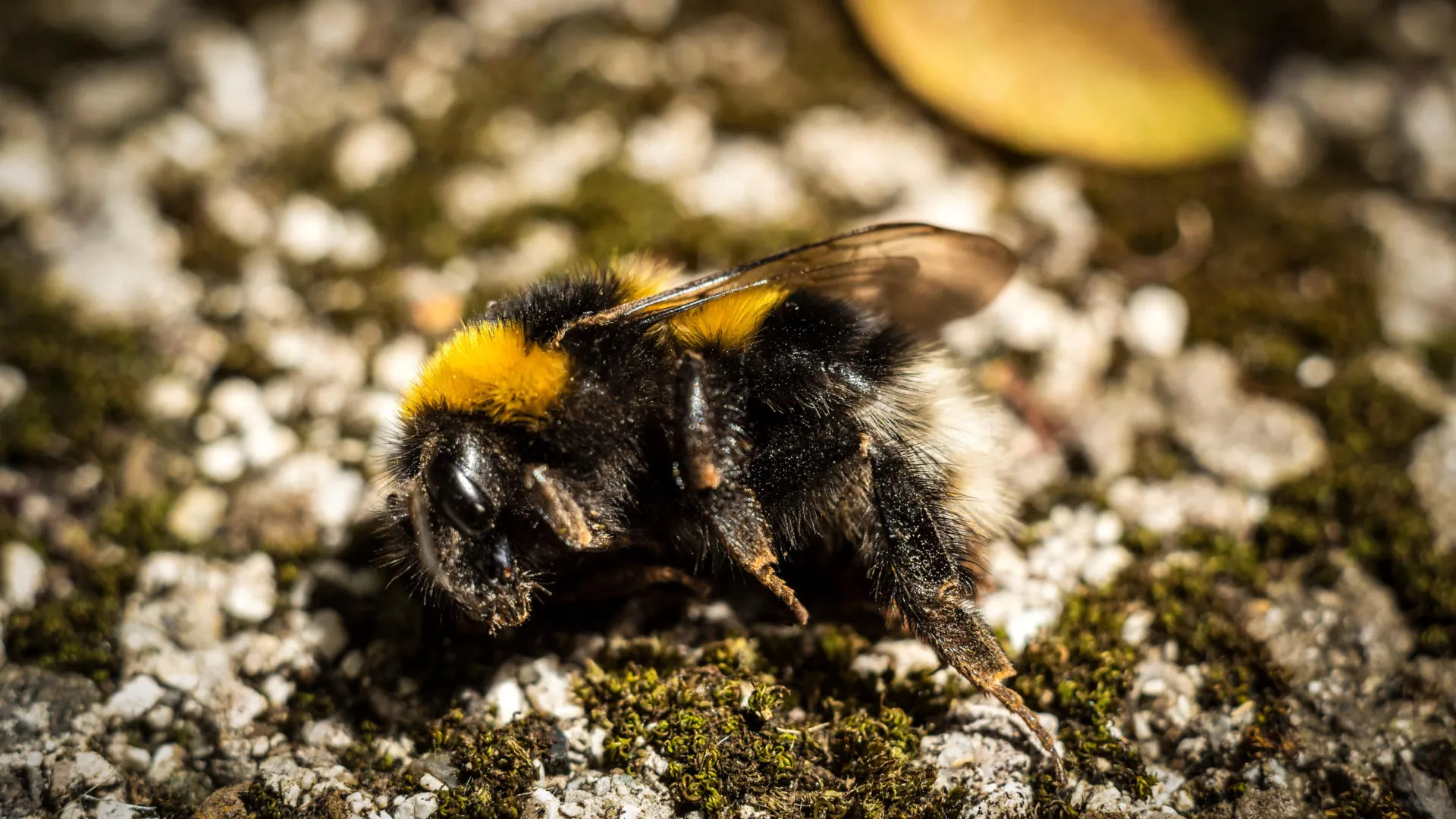
As temperatures soar during the summer months, an unsettling sight has become increasingly common across urban and suburban pavements: the motionless bodies of dead bumblebees. While discovering a fallen bee might seem like a mere footnote to a warm afternoon, entomologists and conservationists warn that this phenomenon is a visible symptom of a much deeper, systemic crisis facing the planet’s most critical pollinators. The widespread presence of dead bees on walkways is not random; it is the tragic convergence of natural colony life cycles, escalating extreme weather driven by climate change, pervasive agricultural chemicals, and the relentless fragmentation of natural habitats.
Understanding this complex issue requires examining both the immediate biological realities of these social insects and the broader environmental pressures accelerating their decline. As scientists sound the alarm over dwindling insect populations worldwide, the plight of the bumblebee serves as a critical indicator of the health of global ecosystems and human food security.
The Natural Life Cycle and Colony Maintenance
To fully comprehend why dead bees appear on pavements in such noticeable numbers during peak summer, one must first look inside the colony. Bumblebees are highly social insects that live in colonies established each spring by a solitary overwintering queen. As the colony grows, its operations are maintained by a workforce of highly active female worker bees. However, these workers have a remarkably short lifespan, typically living only four to six weeks.
Because worker turnover is rapid during the height of the season, older bees naturally reach the end of their lifespans in quick succession. To protect the health of the remaining colony and prevent the spread of disease or decay within the nest, healthy young workers perform a grim housekeeping duty. They physically remove deceased nestmates, carrying them far away from the colony site and dropping them along flight paths, which frequently results in the accumulation of bodies on nearby streets, driveways, and pavements.
Thermal Stress and the Impact of Extreme Heat
Beyond natural mortality, environmental pressures are playing an increasingly destructive role in bee mortality rates. Recent meteorological data highlights a warming planet that is pushing ectothermic insects to their physiological limits. Following record-breaking temperatures recorded across Europe, including England’s hottest June on record, prolonged heatwaves have become a defining feature of the modern summer.
This extreme heat induces severe thermal stress in bumblebees. Prolonged exposure to high temperatures alters normal insect development, threatens long-term population stability, and disrupts fundamental behaviors such as flight capacity and the ability to forage effectively. Social insects rely heavily on thermoregulation and cooling behaviors—such as fanning their wings rapidly within the nest—to manage internal hive temperatures. However, during intense heatwaves, these behavioral buffers quickly reach their biological limits.
While bees can regulate their internal body temperatures to an extent by shifting heat during flight, prolonged extremes compromise their health and stamina. As ambient temperatures rise, bees may be forced to increase their foraging activity and travel greater distances in search of dwindling resources, further exhausting their limited energy reserves and increasing mortality rates in the field.
Chemical Pressures: Pesticides and the War on Dandelions
Human intervention compounds these natural and climatic stressors through the widespread use of agricultural and domestic chemicals. Pesticides and herbicides remain a primary driver of insect decline globally. While regulatory bodies in the European Union and the United Kingdom have implemented bans on the most hazardous neonicotinoid pesticides, chemical treatments continue to be applied routinely in farming and landscaping.
Insecticides such as organophosphates, synthetic pyrethroids, and phenylpyrazoles are known to cause immediate paralysis and death among pollinators. Sub-lethal doses are equally damaging, profoundly disrupting a bee’s central nervous system, impairing navigation, and reducing overall physiological fitness.
In addition to direct toxicity, chemical weed control systematically eliminates the foundational food sources that bees rely upon for survival. A prime example is the common dandelion. Long vilified by homeowners and targeted with herbicides, dandelions are actually a vital, early-season lifeline of nectar and pollen for hungry pollinators. When lawns are treated and wild flowering weeds are eradicated, bees face severe nutritional stress and potential starvation. Ironically, chemicals deployed to protect agricultural yields from feeding insects frequently devastate the very populations responsible for pollinating the crops.
Habitat Loss and Phenological Mismatches
Habitat fragmentation represents another formidable barrier to pollinator survival. As land use shifts rapidly to accommodate expanding housing developments, intensive industrial agriculture, and infrastructure projects like roads and highways, native wildflower meadows and nesting sites vanish. Without continuous, interconnected habitats to support foraging and nesting, wild bee populations suffer catastrophic declines.
Compounding these structural changes are disruptions driven by climate change, specifically a phenomenon known as phenological mismatch. This occurs when two interdependent organisms—such as a specific flower species and its primary pollinator—fall out of sync due to shifting seasonal cues. As winters shorten and springs arrive erratically, plants may flower prematurely before bees emerge from hibernation, or conversely, bees may wake up to find their essential food sources already spent. This temporal misalignment creates critical resource gaps that can devastate both plant and insect communities.
The Broader Implications for Global Biodiversity and Food Security
Insects constitute the most diverse and abundant group of animals on Earth, yet scientific assessments indicate they are simultaneously among the most threatened. Data from the International Union for Conservation of Nature (IUCN) Red List underscores this alarming trend: the number of wild European bee species considered at risk of extinction has more than doubled over the past decade, rising from 77 species in 2014 to at least 172 today, representing roughly 10% of all assessed species.
The loss of these insects carries profound ecological and economic consequences. In addition to serving as decomposers, pest controllers, and a vital food source for birds and small mammals—roles collectively known as ecosystem services—bees perform a disproportionately large share of global crop pollination. Bees support an estimated 75% of global crop pollination and are responsible for pollinating nearly 90% of all flowering plants.
Agricultural economists and conservation scientists warn that the ongoing degradation of pollinator populations threatens global food security. A significant reduction in crop pollination capacity could destabilize agricultural yields, reduce nutritional diversity, and trigger widespread economic and food supply crises.
Actionable Steps: How Individuals Can Protect Pollinators
While the challenges facing bumblebees are vast and systemic, conservationists emphasize that individual actions, when multiplied across communities, can offer meaningful relief to struggling populations.
When addressing domestic pest management, consumers are encouraged to adopt informed, thoughtful purchasing habits. Supporting local, sustainably produced food and sourcing from farmers who employ nature-friendly, low-chemical practices helps shift market demand away from industrial systems that harm biodiversity. Homeowners should exhaust non-chemical weed and pest management alternatives before turning to treatments, applying any necessary interventions sparingly and responsibly to safeguard beneficial insects.
Combating habitat loss on a local scale is remarkably straightforward. Property owners can establish safe havens for bees by planting a diverse array of native, nectar-rich flowering species and intentionally leaving sections of lawns unmown. These small patches provide crucial foraging grounds and shelter for weary insects navigating urban environments.
For individuals encountering a motionless or struggling bee on a pavement during a hot summer day, direct intervention can offer a second chance at life. Experts advise preparing a simple emergency rescue mixture using a two-to-one ratio of white granulated sugar to water. Placing a single drop of this sugar solution near the bee can rapidly restore its energy levels. If it is safe to do so—and keeping personal health considerations like allergies in mind—the bee can be gently relocated to a nearby flower or a shaded spot out of direct foot traffic.
Through a combination of conscious gardening, reduced chemical dependency, policy enforcement, and localized rescue efforts, society can begin to turn the tide on pollinator decline, ensuring that the sight of fallen bees transitions from a symbol of ecological crisis to a reminder of the vital interdependence between humanity and the natural world.
