
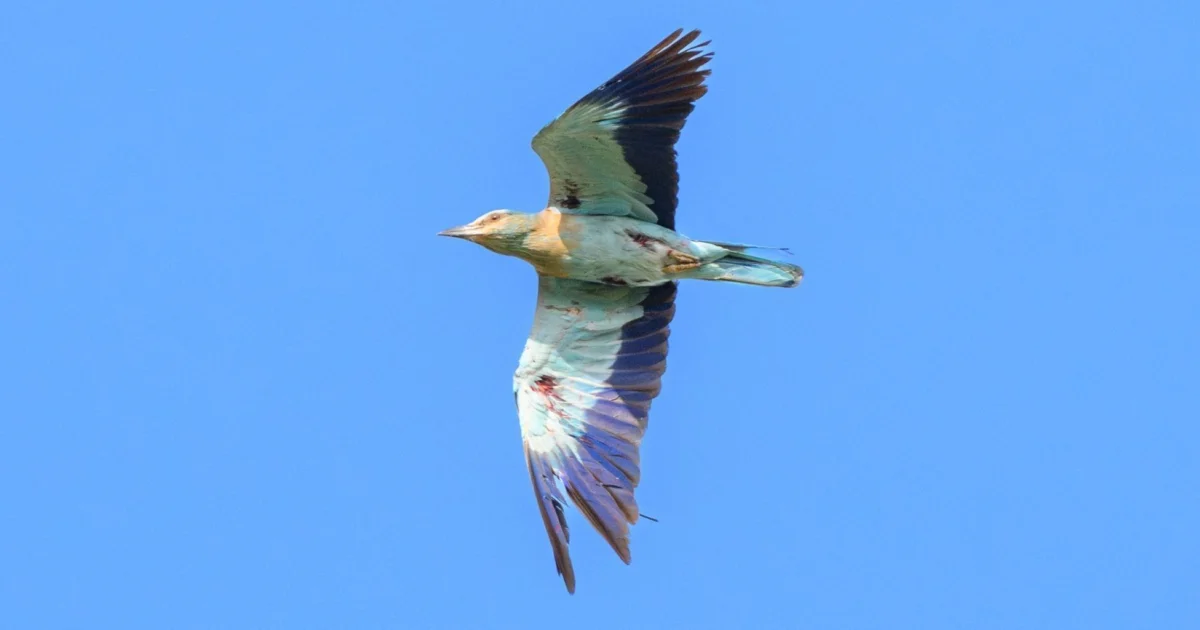
The Maltese archipelago, traditionally a vital sanctuary for thousands of migratory birds navigating the Mediterranean flyway, has been transformed into a perilous gauntlet this September. Following severe meteorological disturbances that forced exhausted flocks to seek refuge on the islands, a surge in illegal hunting activities has resulted in what conservationists are describing as a "bird fall" massacre. As the skies cleared after the storms, the expected arrival of birdwatchers and nature enthusiasts was overshadowed by the indiscriminate use of firearms against protected species, sparking an urgent debate regarding the efficacy of current wildlife protection laws and the political will to enforce them.
Chronology of the September Crisis
The sequence of events began in early September, when a series of intense Mediterranean storms forced thousands of birds to ground on the Maltese islands. This weather pattern, increasingly influenced by changing climate conditions, created a bottleneck effect. As migratory species such as the European Turtle Dove (Streptopelia turtur), Black Stork (Ciconia nigra), European Roller (Coracias garrulus), and Common Kestrel (Falco tinnunculus) sought shelter, they were met with a coordinated, albeit illegal, hunting effort.
By the second week of the month, BirdLife Malta reported an unprecedented volume of shooting incidents. The intensity peaked when a wounded Eurasian Hobby (Falco subbuteo) was discovered on school grounds, a development that brought the danger of illegal hunting into public spaces and reignited calls for the establishment of mandatory hunting buffer zones. Environmental police units, struggling to manage the sheer volume of reports, were forced to deploy double the usual number of patrols each morning to address the mounting reports of illicit activity. The crisis reached a nadir when reports surfaced that a woman was injured while walking her dog, highlighting the risks posed by indiscriminate shooting to the general public.
Supporting Data and Ecological Impact
The ecological implications of this month’s events are severe. The European Turtle Dove, a species currently listed as "Vulnerable" on the IUCN Red List, is of particular concern. Despite the official hunting season being closed, hundreds were confirmed as victims of illegal shooting. The impact on rare species, including the Black Stork and European Roller, is particularly devastating; these birds often migrate in small numbers, meaning that the loss of even a few individuals can significantly impact the breeding success of entire populations.
Data provided by BirdLife Malta suggests a systemic issue with poaching for illegal trade and private taxidermy collections. As the Mediterranean climate becomes more volatile, the frequency of these "forced stopovers" is projected to increase. This shift suggests that without robust, year-round enforcement, the Maltese islands risk becoming a permanent hazard for migratory populations that are already struggling with habitat loss, the widespread use of pesticides, and declining nesting sites across Europe.
Official Responses and the Political Standoff
The response from the Maltese government has been a point of intense friction between conservationists and political authorities. While the current Conservation of Wild Birds Regulations are designed to protect migratory species, the government is reportedly evaluating proposals that would relax penalties for illegal hunting.
Mark Sultana, CEO of BirdLife Malta, has been highly critical of the current political atmosphere. In a public statement, Sultana characterized the situation as a "massacre" and criticized what he described as the "deafening silence" from both local government officials and the Federation for Hunting and Conservation (FKNK). "Their spineless silence is more deafening than the gunshots that have replaced birdsong in our countryside these past days," Sultana noted, emphasizing that the lack of condemnation from influential lobby groups serves to normalize illegal practices.
In contrast, the proposed legislative amendments have sparked concern among environmental legal experts. The proposal to potentially reinstate hunting or trapping licenses for individuals previously stripped of these privileges due to criminal activities is viewed by many as a regression in conservation standards. Darryl Grima, President of BirdLife Malta, noted that such measures fundamentally undermine the rule of law. "A law-abiding hunter has nothing to fear from strong penalties against illegalities. Reducing the consequences for breaking the law will directly benefit those who break, or may break, the law," Grima argued.

The Broader Implications of Climate and Enforcement
The intersection of climate change and illegal hunting creates a complex challenge for Mediterranean law enforcement. As weather events become more extreme, birds are more frequently forced into concentrated areas where they are highly vulnerable. Environmental police, currently stretched thin, often find themselves outmatched by the logistical challenges of monitoring rural, rugged terrain across multiple islands.
The analysis of the current situation suggests three primary areas for policy intervention:
- Buffer Zones: The incident at the school highlights the necessity of establishing "no-hunt" zones around schools, residential areas, and protected nature reserves to ensure the safety of citizens and wildlife alike.
- Stricter Penalties: Rather than weakening the law, conservationists argue for the strengthening of enforcement mechanisms. This includes higher fines, the permanent revocation of licenses for repeat offenders, and increased funding for the environmental police force.
- Regional Cooperation: Given that these birds are migratory, the issue is not purely domestic. There is a need for stronger cooperation with neighboring Mediterranean nations to track trade routes for illegal taxidermy and to share intelligence on organized poaching networks.
The Path Forward: Conservation vs. Tradition
The "bird fall" of September 2026 will likely be cited in future environmental studies as a turning point in the struggle for biodiversity in the Mediterranean. The conflict between the traditional hunting lobby and modern conservation imperatives has reached a state of unsustainable tension.
For the Maltese government, the challenge lies in reconciling the demands of the hunting community with the country’s international obligations under EU environmental directives. Malta is a signatory to various international agreements, including the Birds Directive, which mandates the protection of wild bird species and their habitats. Failure to uphold these standards can lead to infringement procedures from the European Commission, which could result in significant financial penalties and damage to the country’s international reputation.
Furthermore, the societal aspect of the crisis cannot be ignored. The public reaction to the shooting of protected birds and the injury of a bystander indicates a shift in local sentiment. As more citizens, including families, express discomfort with the presence of weapons in public spaces, the political cost of supporting the hunting lobby may begin to outweigh the benefits.
Conclusion
As the migration season continues, the threat to the remaining flocks remains high. The events of this past month serve as an urgent, and for many species, a tragic reminder that existing laws are only as effective as their enforcement. If the Maltese government proceeds with the weakening of hunting penalties, it risks signaling a tolerance for environmental crime that could have long-lasting effects on the biodiversity of the entire Mediterranean basin.
The conservation of migratory birds is a collective responsibility that transcends borders. When the birds fall in Malta, the loss is felt from the nesting grounds of the north to the wintering grounds of the south. The current situation demands a clear, unambiguous commitment to the rule of law and the preservation of natural heritage. Without immediate and decisive action to penalize illegal hunting and protect these migratory corridors, the silent skies over the Maltese countryside may become a permanent feature, representing a profound failure of conservation ethics in the 21st century.
The upcoming months will be a litmus test for the Maltese administration. Whether they choose to prioritize the interests of the hunting lobby or the safety of the public and the integrity of the natural environment will define the country’s trajectory on environmental policy for years to come. The evidence, provided by the victims of this season’s frenzy—the shot kestrels, the dying turtle doves, and the frightened public—presents a clear case for reform. The path forward must involve not only the rigorous application of existing laws but a fundamental shift in the culture of the countryside, where the sound of gunshots is replaced by the sustainable, protected movement of the natural world.
